

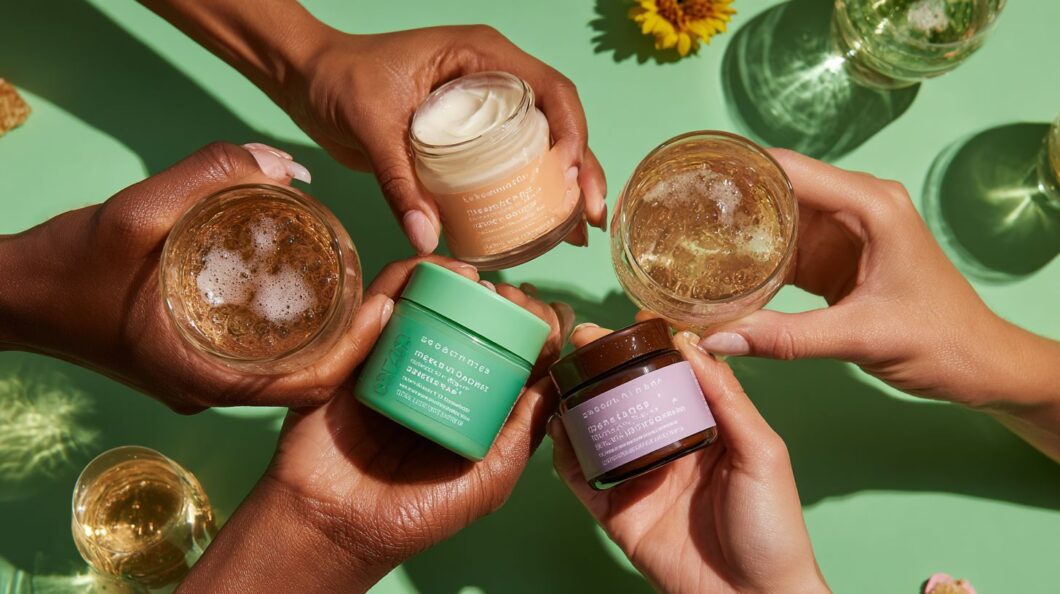
Ever notice how your skin feels off-balance after a long day or harsh weather or UV rays? Probiotic skincare with fermented ingredients is stepping up to support your skin microbiome naturally. You’ll see why these gentle, trending products are helping so many get that calm, glowing vibe.
Key Takeaways:
What Are Fermented Beauty Products?
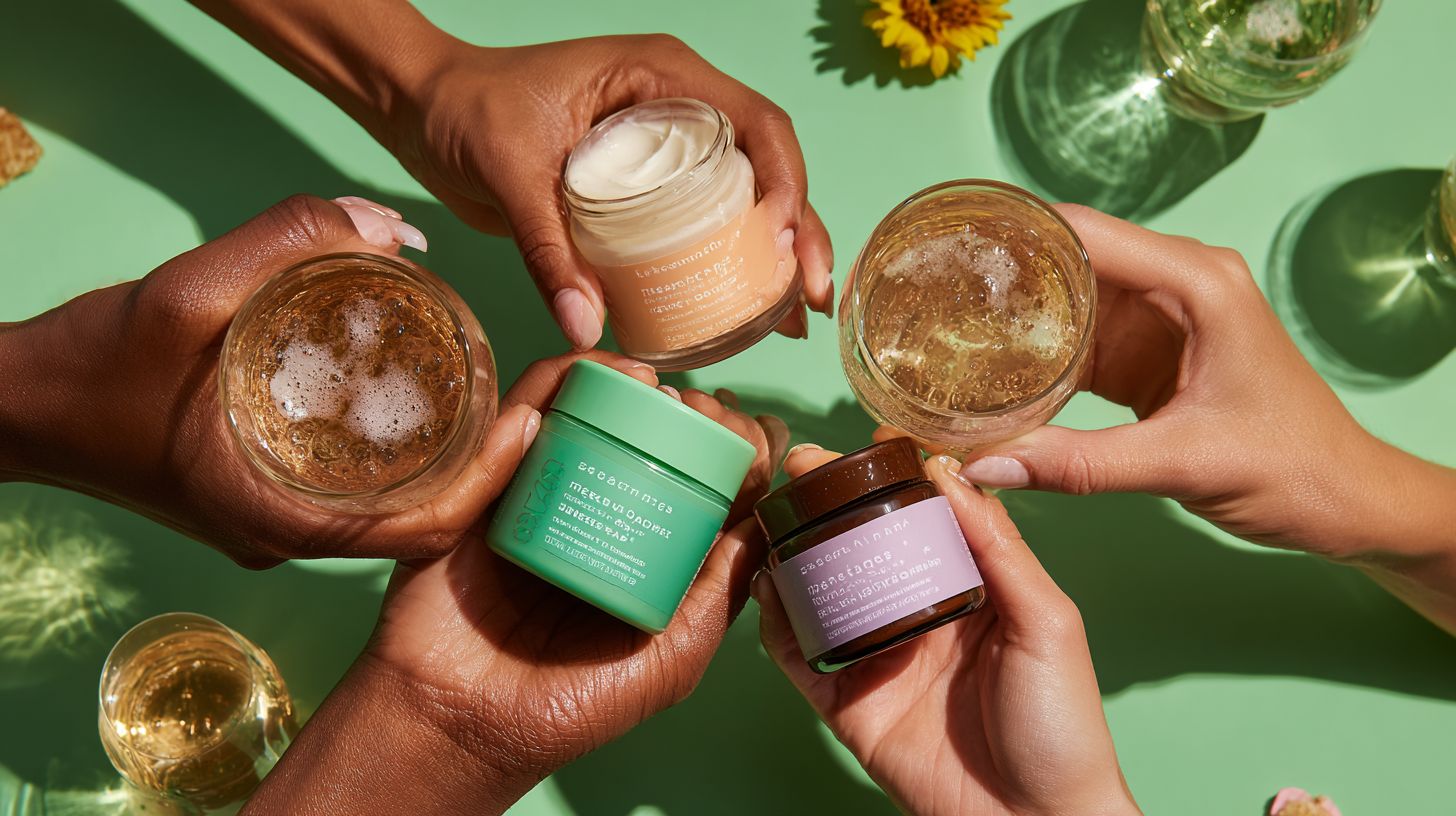
Fermented beauty products harness ancient preservation techniques, transforming simple ingredients like yogurt and kombucha into potent skincare allies through natural microbial processes. These probiotic skincare items use ingredients altered by fermentation to boost bioavailability and absorption. They support the skin microbiome for better overall skin health.
In this beauty trend, fermentation breaks down complex molecules into smaller, more absorbable forms. This process enhances antioxidant protection and aids collagen synthesis. Users with sensitive skin often find these products gentler than traditional options.
From gentle cleanser to natural deodorant for underarms, fermented skincare fits into daily routines. It promotes barrier repair and reduces irritation. This approach draws from food trends like gut health benefits seen in fermented foods.
Experts recommend incorporating these for radiant skin and skin balance. They work as microbiome-friendly options in clean beauty lines. Pair them with prebiotics and postbiotics for full wellness support.
Key Ingredients and Fermentation Process
Common fermented ingredients include yogurt rich in lactic acid, kombucha with yeast-derived compounds, and kimchi featuring plant extracts that undergo controlled fermentation to unlock bioactive benefits. Fermented rice bran offers exfoliation, while fermented soybeans provide anti-aging support. These enhance absorption for acne-prone or inflamed skin.
The fermentation process involves three main stages. First, inoculation introduces beneficial microbes to the base ingredient. This starts the breakdown of nutrients into skin-ready forms.
- Inoculation: Add probiotics or yeast to ingredients like rice bran or soybeans.
- Incubation: Allow controlled warmth and time for microbes to ferment, producing lactic acid and antioxidants.
- Harvesting: Filter and stabilize the result for use in serums or deodorants.
This method improves skin barrier function and reduces odor in deodorant with magnesium and clean ingredients. It supports sustainability through botanical extracts. Add to your skin routine for gentle exfoliation and SPF compatibility.
The Science of Probiotics in Skincare
Probiotics in skincare introduce live or derived beneficial microbes that work in harmony with your skin’s natural ecosystem. These include probiotics, postbiotics, and prebiotics, which support the skin microbiome by feeding good bacteria, producing helpful byproducts, and nurturing balance.
Probiotics deliver live cultures from sources like yogurt or kombucha, while postbiotics offer inactivated metabolites for stability. Prebiotics act as food for existing microbes, enhancing their growth. Together, they promote skin barrier function and combat disruptors.
In clean beauty, fermented ingredients like lactic acid from fermentation improve bioavailability and absorption. This synergy aids collagen synthesis, offers antioxidant protection, and supports overall skin health, making probiotic skincare a rising beauty trend.
Experts recommend incorporating these into your skin routine with a gentle cleanser or serum for barrier repair. Paired with SPF and botanical extracts, they foster radiant skin and align with wellness practices from food trends like kimchi.
Microbiome Benefits for Skin Health
A balanced skin microbiome acts like a protective shield, fostering radiant skin while defending against everyday disruptors like pollution and stress. Think of it as your skin’s personal garden, where good bacteria thrive to maintain harmony.
Probiotic skincare strengthens the skin barrier through synergy with ceramides and hyaluronic acid. This helps lock in moisture and prevent dryness or flakiness, common signs of imbalance.
It also reduces inflammation for acne-prone and rosacea skin. Fermented ingredients calm redness, much like how yogurt soothes a sensitive gut, promoting microbiome-friendly skin balance to minimize irritation.
Signs of imbalance include persistent redness, itchiness, or breakouts. Experts recommend postbiotics and prebiotics in routines for sensitive skin, alongside natural deodorant options with magnesium for underarm odor control using clean ingredients.
Top Trending Probiotic Products
Probiotic-infused products span from facial serums to natural deodorant, catering to diverse skin needs in the clean beauty space.
These fermented beauty items support the skin microbiome with live cultures and postbiotics. They draw from food trends like kombucha and kimchi to promote skin balance. Users seek them for gentle, effective care.
Key categories include facial treatments and body essentials. Each blends probiotics with plant extracts for better absorption. This trend ties gut health to outer wellness.
Expect microbiome-friendly formulas in serums, lotions, and deodorants. They focus on barrier repair and inflammation reduction. Clean ingredients set them apart from harsh alternatives.
Facial Serums and Moisturizers
Probiotic facial serums and moisturizers deliver targeted nourishment, blending live cultures with actives like lactic acid for visible radiant skin.
These products use fermentation to boost bioavailability of yeast-derived probiotics and hyaluronic acid. They aid collagen synthesis for anti-aging effects. Sensitive skin benefits from their mild exfoliation.
Apply serum post-cleanser on damp skin, then layer moisturizer. This routine enhances absorption and locks in hydration. Pair with a gentle cleanser for best results.
| Product Type | Key Ingredients | Benefits | User Scenarios |
|---|---|---|---|
| Probiotic Serum | Live probiotics, hyaluronic acid, lactic acid | Antioxidant protection, radiant skin | Sensitive skin, daily glow goals |
| Barrier Moisturizer | Postbiotics, ceramides, plant extracts | Anti-aging via collagen synthesis, barrier repair | Acne-prone, inflammation reduction |
| Fermented Essence | Yeast-derived probiotics, prebiotics | Skin balance, improved absorption | Radiant skin, post-SPF hydration |
| Night Cream | Lactic acid probiotics, botanical extracts | Exfoliation, antioxidant protection | Mature skin, overnight repair |
Body Care and Hair Products
Body care innovations like probiotic deodorant target underarms with gentle, microbiome-friendly formulas to combat odor without irritation.
MAGS Skin natural deodorant stands out with magnesium and fermented ingredients for clean odor control. It suits sensitive underarms by preserving natural balance. Probiotic body lotions follow with prebiotics for skin barrier repair.
Scalp treatments use fermented extracts from yogurt-like cultures for hair health. They reduce inflammation and support follicle strength. Sustainability shines in their botanical, plastic-free packaging.
| Product | Pros | Cons | Best For |
|---|---|---|---|
| MAGS Skin Deodorant | Clean ingredients, magnesium for odor, no irritation | May need reapplication in heat | Sensitive skin, daily underarm care |
| Probiotic Body Lotion | Barrier repair, lightweight absorption, fermented skincare | Subtle scent for some | Dry skin, post-shower routine |
| Scalp Treatment | Hair health boost, plant extracts, microbiome support | Weekly use recommended | Itchy scalp, sustainability focus |
Why They’re Exploding in Popularity
Fermented beauty products surge as a natural extension of food trends like kombucha and kimchi, bridging gut health with holistic skin health.
People now seek probiotic skincare that mirrors these edible ferments. Fermentation enhances ingredient potency, making them ideal for daily routines.
Wellness enthusiasts embrace this beauty trend for its ties to skin microbiome balance. Clean, effective options draw crowds tired of synthetic formulas.
- Enhanced bioavailability from fermentation: Fermented ingredients like lactic acid from yogurt break down for better absorption. A gentle cleanser with yeast-derived probiotics delivers nutrients deep into skin layers, boosting collagen synthesis without irritation.
- Alignment with clean beauty and sustainability: These products use clean ingredients from plant extracts, reducing waste through natural processes. Think microbiome-friendly serums in recyclable packaging, perfect for eco-conscious routines.
- Microbiome science resonating with wellness seekers: Research suggests skin microbiome health links to overall wellness. Post-gym, a fermented skincare mist restores skin balance like kombucha does for the gut.
- Gentle efficacy for sensitive skin: Probiotics and postbiotics calm inflammation in acne-prone or sensitive skin. Users report barrier repair after switching from harsh exfoliants.
- Multi-benefit formulas: Botanical ferments offer antioxidant protection plus anti-aging perks. A natural deodorant with magnesium fights underarm odor and soothes irritation, giving post-workout glow without chemicals.
These drivers make fermented beauty a staple for radiant skin and skin health.
How to Incorporate Them Into Your Routine
Building a microbiome-friendly routine starts with selecting compatible fermented products tailored to your skin type. Focus on items with probiotics and postbiotics that support the skin microbiome. This approach promotes skin balance and enhances barrier repair.
Begin with a gentle cleanser featuring lactic acid from fermentation. Follow with serums rich in plant extracts for better bioavailability and absorption. Layer on moisturizers to lock in fermented ingredients for lasting radiant skin.
For body care, integrate natural deodorant with magnesium and fermented actives. These target underarms to reduce odor and irritation without disrupting the skin’s natural balance. Customize based on needs like acne-prone or sensitive skin.
Achieve skin health by pairing topical products with gut-supporting foods like kombucha or kimchi. This holistic method ties gut health to probiotic skincare. Experts recommend consistency for visible results in anti-aging and collagen synthesis.
7-Step Daily Routine
Follow this simple skin routine to weave in fermented skincare. Each step includes time estimates for efficiency.
- Gentle cleanser with fermented lactic acid – 30 seconds. Removes impurities without stripping the skin barrier.
- Toner with prebiotics – 20 seconds. Restores skin balance and preps for serums.
- Probiotic serum with yeast-derived actives – 45 seconds. Boosts antioxidant protection and microbiome health.
- Eye cream with botanical extracts – 20 seconds. Targets fine lines via fermentation for better absorption.
- Moisturizer with postbiotics – 30 seconds. Seals in hydration for barrier repair.
- Natural deodorant for underarms – 15 seconds. Applies magnesium and probiotics to fight odor gently.
- SPF with clean ingredients (AM only) – 20 seconds. Protects fermented actives from UV rays.
Customization for Skin Types
For acne-prone skin, choose serums with low-concentration lactic acid to calm inflammation. Avoid heavy oils; opt for lightweight, microbiome-friendly formulas. This prevents breakouts while supporting skin health.
Sensitive skin benefits from yogurt-based or fermented rice products. Skip harsh exfoliation; use mild prebiotics for soothing. Patch test new items to maintain the skin barrier.
Adjust for clean beauty preferences by selecting sustainable brands like MAGS Skin with transparent sourcing. Those with MAGS Skin-style deodorants suit active lifestyles, reducing irritation naturally.
Sample AM/PM Schedules
| Time | AM Routine | PM Routine |
|---|---|---|
| Morning | Cleanser (30s), toner (20s), serum (45s), moisturizer (30s), SPF (20s), deodorant (15s) | – |
| Evening | – | Double cleanse if needed (1 min), toner (20s), treatment serum (45s), rich moisturizer (30s), deodorant refresh (15s) |
AM focuses on protection with SPF over fermented serums. PM emphasizes repair using thicker postbiotic creams for overnight collagen synthesis.
Common Mistakes to Avoid
- Skipping SPF with fermented actives, which can increase sun sensitivity.
- Over-exfoliating; limit to once weekly to protect the skin microbiome.
- Mixing incompatible products, like strong acids with probiotics, leading to irritation.
- Ignoring body areas; apply natural deodorant daily for full wellness benefits.
- Not customizing for skin type, causing imbalance in acne-prone or sensitive skin.
Avoid these pitfalls for optimal results in this beauty trend. Consistency builds a natural balance across face and underarms.
Potential Drawbacks and Safety Tips
While gentle for most, fermented products can trigger sensitivities if introduced abruptly or paired with harsh actives. These probiotic skincare items support the skin microbiome, but improper use may lead to temporary redness or tingling. Always prioritize a cautious approach to maintain skin barrier health.
Common challenges include initial irritation, potency concerns with live probiotics, layering issues, and suitability for conditions like rosacea. Addressing these ensures fermented skincare benefits radiant skin without setbacks. Below are practical solutions for each.
1. Initial Irritation
Some users experience mild redness when starting probiotic-powered products. This often stems from the skin adjusting to fermentation byproducts like lactic acid. A simple patch test prevents surprises.
Apply a small amount to your inner arm and wait 24 hours. If no reaction occurs, incorporate into your routine gradually. This step suits sensitive skin best.
2. Live Probiotics Potency
Live probiotics in items like kombucha-infused serums lose strength in warm environments. Heat diminishes their ability to balance the skin microbiome. Proper storage preserves efficacy.
Keep products in cool conditions, such as a refrigerator or shaded cabinet. Avoid bathroom heat from showers. This maintains bioavailability for optimal skin health.
3. Interaction with Exfoliation or SPF
Fermented ingredients may clash with strong exfoliants or certain SPFs, causing irritation. Over-exfoliation disrupts the skin barrier that probiotics aim to repair. Mindful layering supports skin balance.
Apply gentle cleanser first, then probiotics, waiting 10-15 minutes before exfoliants or SPF. Use microbiome-friendly options at night. This routine enhances absorption without conflict.
4. Concerns for Rosacea-Prone Skin
Those with rosacea may find live probiotics too active, sparking inflammation. Opt for postbiotic versions derived from yeast or plant extracts. These offer benefits without live cultures.
Postbiotics provide antioxidant protection and barrier repair gently. Pair with prebiotics for sustained skin balance. Experts recommend this for acne-prone or inflamed skin.
For persistent issues, consult a dermatologist. Disclaimers apply: individual results vary, especially with conditions like eczema. Patch testing and professional advice ensure safe use of this beauty trend.
Brands Leading the Fermented Beauty Trend
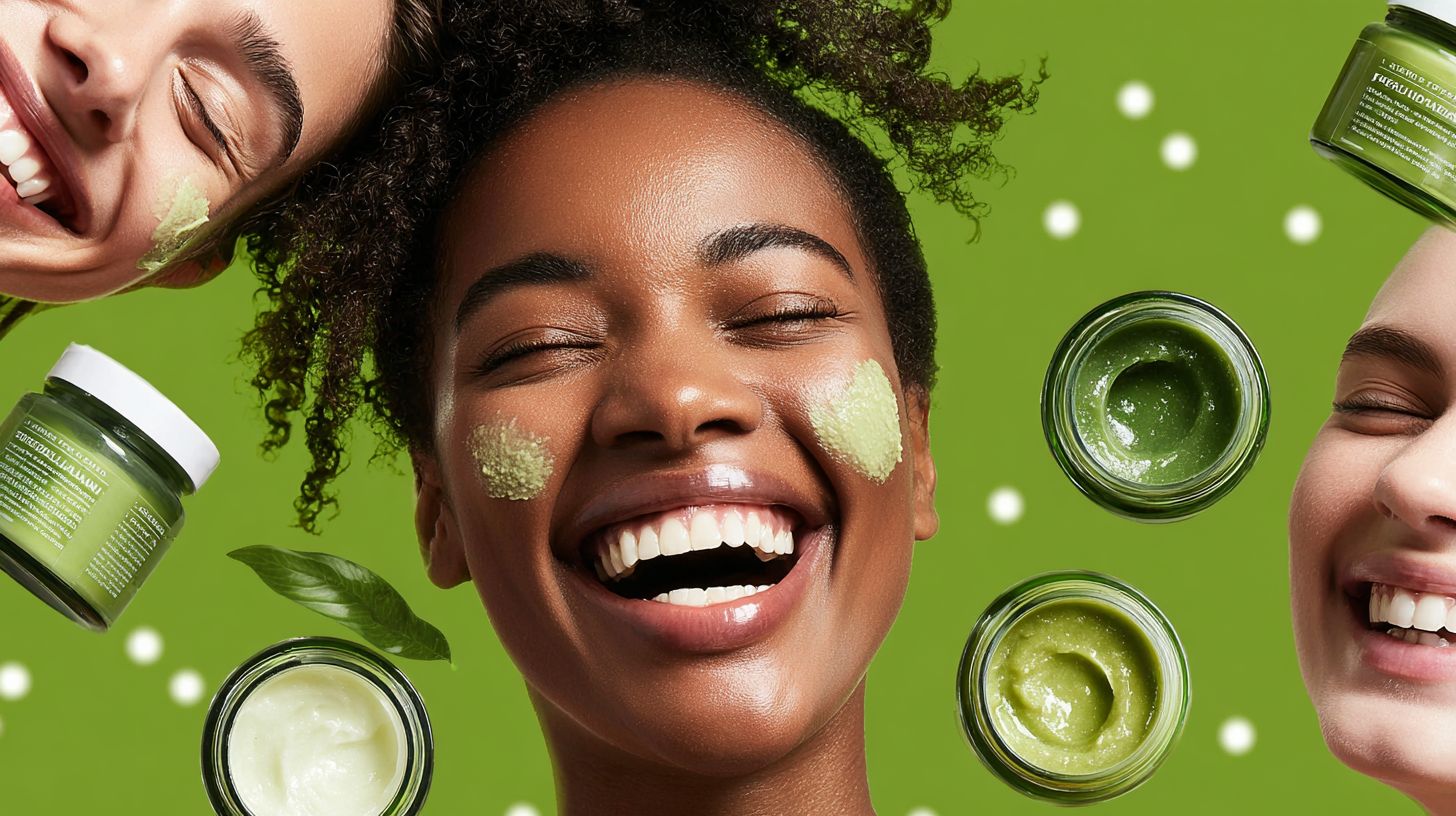
Innovators like MAGS Skin and Shik Beauty pioneer fermented formulations with clean, sustainable practices. These brands focus on probiotic skincare to support the skin microbiome. They use fermentation to boost ingredient bioavailability for better skin health.
Brands in this space emphasize microbiome-friendly products that nurture the skin barrier. Fermented ingredients like rice bran and soybeans offer antioxidant protection and gentle exfoliation. Consumers with sensitive skin appreciate these gentle, natural options.
Many incorporate postbiotics and prebiotics for skin balance. This aligns with food trends like kombucha and kimchi influencing beauty. Sustainability features, such as zero-waste packaging, make these standouts in clean beauty.
The table below profiles key brands, their hero products, and unique aspects. It highlights how they integrate fermented ingredients into daily routines for radiant skin and reduced irritation.
| Brand | Hero Products | Unique Fermented Ingredients | Standout Features |
|---|---|---|---|
| MAGS Skin | Magnesium-based natural deodorant for underarms with SPF protection | Magnesium fermented with plant extracts for enhanced absorption | Microbiome-friendly, fights odor without irritation, clean ingredients for sensitive skin |
| Shik Beauty | Facial serums and masks | Fermented rice bran and soybeans rich in lactic acid to defend against UV rays | Boosts collagen synthesis and barrier repair, zero-waste packaging, ideal for anti-aging |
| Aurelia London | Probiotic creams and gentle cleansers | Yeast-derived postbiotics and botanical extracts | Supports skin barrier, reduces inflammation for acne-prone skin, promotes natural balance |
| Galline | Facial yogurts and probiotic mists | Lactic acid from yogurt fermentation with prebiotics | Gentle exfoliation, microbiome support, suitable for daily skin routine and wellness |
These brands make fermented skincare accessible for various needs, from deodorant to full regimens. Try incorporating one into your routine to experience benefits like improved absorption and glow.
Frequently Asked Questions
What is ‘Fermented Beauty: The Probiotic-Powered Products Trending Now’?
‘Fermented Beauty: The Probiotic-Powered Products Trending Now’ refers to the rising trend in skincare and beauty where ingredients are fermented using probiotics and beneficial bacteria. This process enhances bioavailability, making nutrients more effective for skin health, hydration, and anti-aging, as seen in popular serums, masks, and creams gaining traction on social media and in beauty retail.
Why are ‘Fermented Beauty: The Probiotic-Powered Products Trending Now’ so popular?
‘Fermented Beauty: The Probiotic-Powered Products Trending Now’ are surging in popularity due to their natural synergy with the skin’s microbiome. Probiotics from fermentation help balance gut-skin connections, reduce inflammation, and improve barrier function, appealing to consumers seeking clean, science-backed alternatives to chemical-heavy products amid the K-beauty and wellness boom.
How do fermented ingredients in ‘Fermented Beauty: The Probiotic-Powered Products Trending Now’ benefit the skin?
In ‘Fermented Beauty: The Probiotic-Powered Products Trending Now’, fermented ingredients like rice, soy, or tea extracts are broken down by probiotics into smaller molecules for deeper absorption. This leads to brighter complexion, reduced fine lines, stronger moisture retention, and a healthier skin barrier, with studies showing up to 20% better efficacy than non-fermented counterparts.
Which ‘Fermented Beauty: The Probiotic-Powered Products Trending Now’ should beginners try first?
For newcomers to ‘Fermented Beauty: The Probiotic-Powered Products Trending Now’, start with a gentle fermented rice water toner or a probiotic essence like those from brands such as Glow Recipe or Drunk Elephant. These hydrate and prep skin without overwhelming it, building tolerance to more potent fermented masks or night creams.
Are ‘Fermented Beauty: The Probiotic-Powered Products Trending Now’ suitable for sensitive skin?
Yes, ‘Fermented Beauty: The Probiotic-Powered Products Trending Now’ are often ideal for sensitive skin because fermentation reduces irritants and boosts soothing probiotics like Lactobacillus. They mimic the skin’s natural flora, minimizing reactions, though patch-testing is recommended, especially for those with active conditions like eczema.
How does ‘Fermented Beauty: The Probiotic-Powered Products Trending Now’ differ from traditional probiotics in supplements?
‘Fermented Beauty: The Probiotic-Powered Products Trending Now’ focus on topical application of post-fermentation extracts rich in live enzymes and prebiotics, directly nurturing the skin’s microbiome. Unlike oral supplements that work internally via the gut-skin axis, these provide immediate, localized benefits without digestion, making them a faster path to visible glow and resilience.