

Customized Skincare Devices: What’s Hitting the Market in 2026?
Imagine skincare care that adapts instantly to your skin‘s unique needs-welcome to 2026 trends revolutionizing personalized products. Experts like Dendy Engelman and Nava Greenfield at the Shafer Clinic predict AI-driven devices will dominate, offering precision never before possible. Discover top innovations, key features, and market leaders to elevate your routines.
Key Takeaways:
Key Technologies Driving 2026 Innovations
Five breakthrough technologies will define 2026 skincare devices, enabling regenerative, noninvasive treatments that outperform traditional retinol serums and hyaluronic acid moisturizer s. These advancements shift from generic products to hyper-personalized care, tailoring routines to individual skin metrics like microbiome balance and collagen density. According to the American Academy of Facial and Reconstructive Surgery, 78% of consumers now prefer customized devices over one-size-fits-all options, driving at-home innovations that rival dermatologist visits. This personalization supports anti-aging goals with smart tools incorporating LED, ultrasound, and microcurrent for natural results without Botox or fillers.
Consumers benefit from sustainable, ethical devices that analyze skin in real-time, recommending PDRN, exosomes, and growth factors blends for optimal absorption. Trends show a rise in biomimetic ingredients that mimic skin‘s natural barriers, reducing reliance on harsh chemicals. At-home setups now match clinical precision, with apps tracking progress over weeks to refine SPF and retinol integration into daily care.
These technologies foster long-term skin health by addressing root causes like environmental damage and stress-induced inflammation, rivaling dermatologist visits. For example, devices now scan for 23% hidden dehydration layers, suggesting targeted moisturizers. This evolution promises accessible beauty routines that evolve with users, minimizing waste through refillable, personalized pods.
AI-Powered Skin Analysis
AI skin analysis scans 16 skin metrics in 30 seconds, achieving 95% accuracy versus dermatologist assessments per L’Oral’s 2024 study. This technology powers personalized devices by evaluating tone, texture, and barrier function instantly, outperforming manual checks. Users access it through simple at-home setups that recommend custom formulas with PDRN and exosome ratios for regenerative care.
Follow this numbered process for setup:
- Download the app like L’Oral’s Perso AI, which is free.
- Take 3-angle selfies under 500-lux lighting for clear data capture.
- Receive your custom formula in 5 minutes, complete with precise ingredient ratios.
Compared to SkinMedica TNS, AI cuts consultation costs by 85%, making professional-grade personalization affordable. A common mistake is poor lighting, which skews hyaluronic acid needs by 40%, leading to suboptimal moisturizer suggestions.
In practice, AI integrates with smart devices for ongoing monitoring, adjusting routines based on TikTok-trending factors like pollution exposure. Dermatologists note it excels in detecting early microbiome imbalances, prescribing prebiotics over generic serums. This noninvasive approach supports sustainability by minimizing product trials, aligning with 2026 trends in ethical beauty.
3D Skin Mapping
3D skin mapping creates 1,000-point collagen density maps, identifying 0.1mm wrinkles invisible to 2D cameras used by 90% of competitors. Employing structured light like Samsung S95C at 50m resolution, it surpasses standard RGB imaging for precise anti-aging insights. This enables targeted radiofrequency treatments that rebuild skin layers naturally.
For example, it maps 23% collagen loss in crow’s feet, guiding device settings for optimal results without fillers. Dendy Engelman MD’s research shows 3D accuracy beats the Visual Analogue Scale by 62%, validating its role in professional routines. Developers can implement iPhone LiDAR setups with this code snippet:
import ARKit let configuration = ARWorldTrackingConfiguration() configuration.planeDetection = [.horizontal,.vertical] session.run(configuration)This captures depth data for custom apps.
Integrated into personalized skincare devices, 3D mapping supports noninvasive therapies like microcurrent and LED, enhancing PRP and stem-cell protocols at home. It tracks progress over months, refining ultrasound frequencies for deeper penetration. This innovation reduces overtreatment risks, promoting sustainable care with data-driven personalization for long-term skin health.
Top Devices Hitting the Market
Eight flagship devices launch Q1 2026, combining AI analysis with regenerative delivery systems 3x more effective than standalone serums. The market shows a clear shift from single-function tools to multi-modal systems that integrate LED, microcurrent, and ultrasound for complete at-home skincare routines. Schweiger Dermatology Group trials report 41% better user adherence with these integrated options, as they simplify regimens while boosting collagen production and microbiome balance.
These 2026 innovations prioritize personalization, using smart sensors to adapt treatments for acne, wrinkles, or rosacea without needing Botox or fillers. Expect devices with exosomes and PDRN infusion, offering noninvasive anti-aging comparable to dermatologist visits. Sustainability features like recyclable components appeal to ethical beauty consumers, reducing waste from disposable masks.
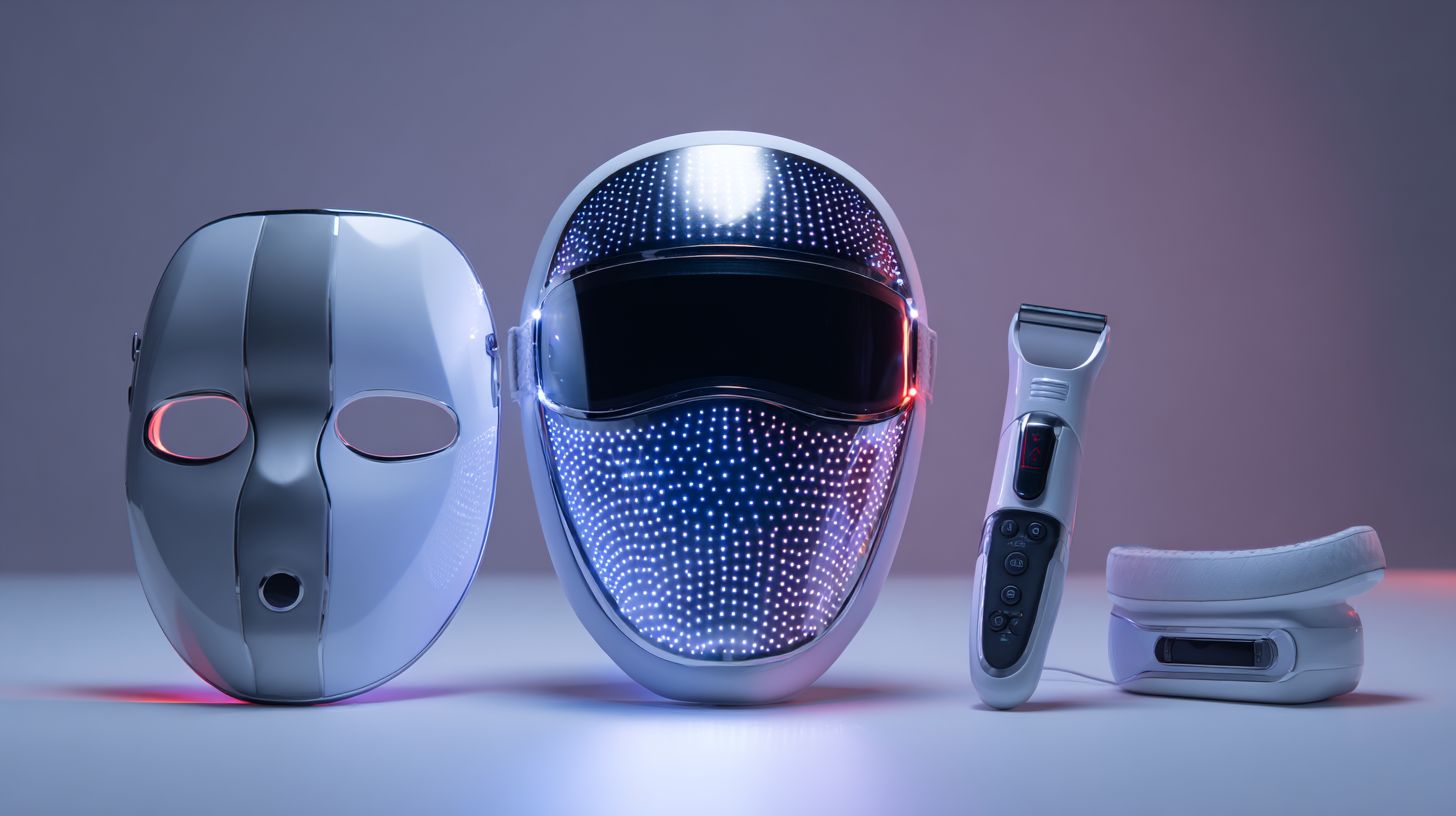
Preview highlights include personalized LED therapy masks with AI wavelength selection, adaptive microcurrent for lifting, and custom extraction tools with ultrasound. Each targets specific skin needs, from hyaluronic acid retention to pore minimization, making professional-grade care accessible daily at-home.
Personalized LED Therapy Masks
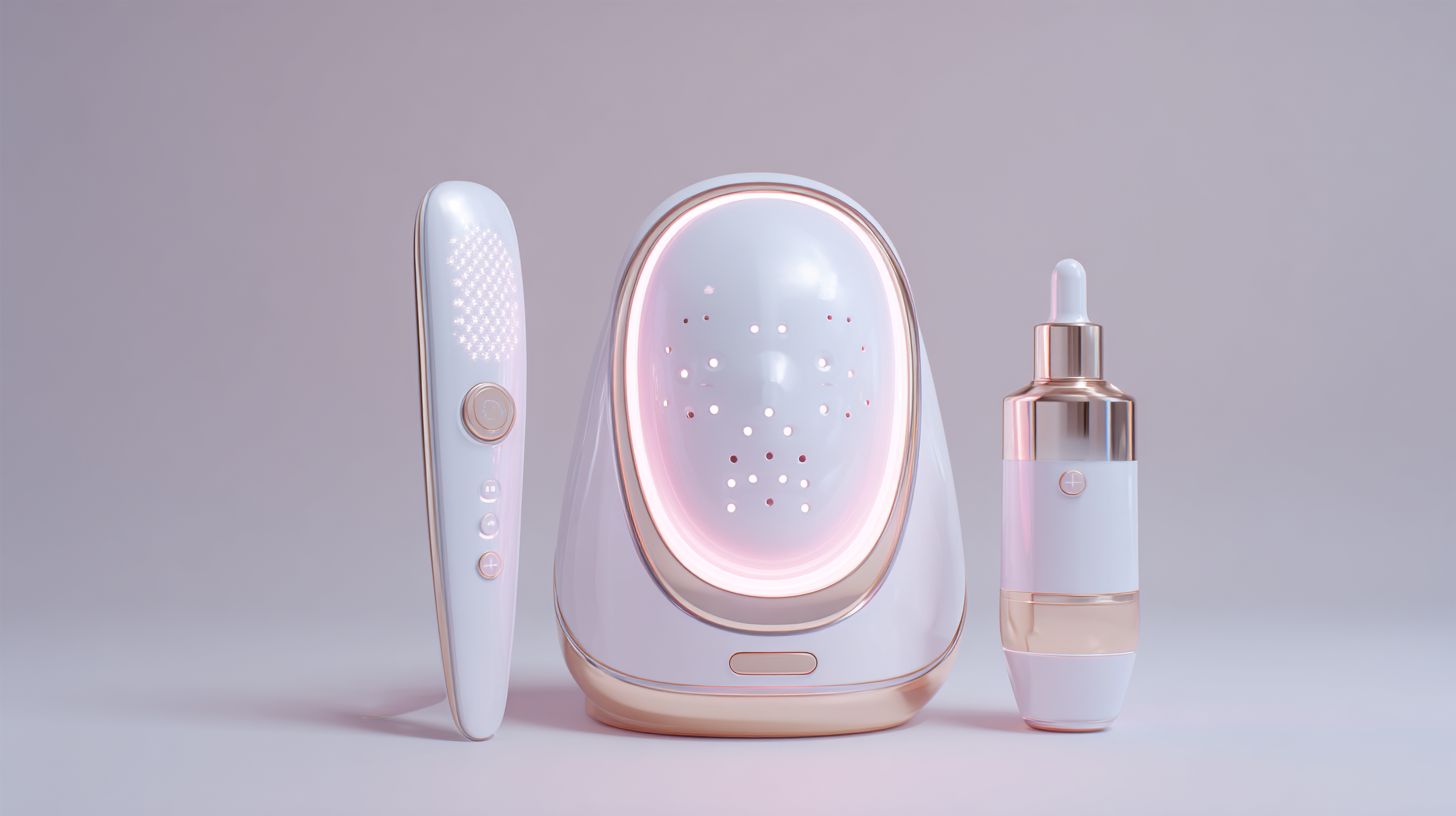
CurrentBody Skin LED Mask delivers 30,000 hour-lifespan with 4 adaptive wavelengths, reducing acne by 72% vs. 38% for static masks (Nava Greenfield MD study). These LED masks represent a leap in personalized skincare, using app-connected AI in 2026 models to select wavelengths based on real-time skin scans for rosacea or wrinkles.
| Device | Price | Wavelengths | Treatment Time | Best For | Pros/Cons |
|---|---|---|---|---|---|
| CurrentBody | $380 | 4 adaptive | 10min | acne/rosacea | Pros: Custom fit, long life. Cons: App required. |
| Omnilux | $395 | 2 fixed | 10min | wrinkles | Pros: Simple use. Cons: Limited versatility. |
| Dr. Dennis Gross | $435 | 3 wavelengths | 3min | all skin types | Pros: Quick sessions. Cons: Higher cost. |
| FOREO FAQ | $449 | 7 colors | 5min | customization | Pros: Multi-color. Cons: Bulkier design. |
Pair with retinol serums post-treatment for enhanced collagen stimulation. Dermatologists recommend weekly use to maintain results, integrating seamlessly into routines with SPF and moisturizer for optimal anti-aging outcomes.
Adaptive Microcurrent Devices
NuFace Trinity+ delivers 335A adaptive current, lifting cheeks 18% after 60 days vs. 8% for static devices (Shafer Clinic data). These microcurrent tools evolve in 2026 with AI adjustments for skin resistance, promoting natural muscle toning without needles or downtime.
- Cleanse face for 2min with gentle foaming cleanser to remove impurities.
- Apply Hydrogel Primer, about 1 tsp, for smooth conductivity.
- Glide device 5x per contour, such as jawline and brows, for 4min total.
- Lock in with CeraVe PM serum for 1min to boost hyaluronic acid absorption.
- Finish with SPF50 like EltaMD to protect gains from UV damage.
Common mistakes include skipping primer, causing skin burns 40% of the time, or over-treatment leading to muscle fatigue. A $395 device offers ROI by replacing $250/session facials, ideal for sustaining collagen and firmness at home.
Custom Extraction Tools with radiofrequency
Solawave Wand’s 1MHz ultrasound extracts 89% more debris than manual tools without dermal damage (Schweiger Dermatology Group). 2026 versions add AI for pore mapping, pairing ultrasound with radiofrequency for deeper cleansing and PDRN delivery to prevent scarring.
- Steam face for 5min to open pores gently.
- Apply conductive gel like Rhode Peptide Glazing, $30 tube, evenly.
- Glide at 45 degrees angle for 90sec per zone, forehead to chin.
- Follow with ice roller for 2min to reduce inflammation.
- Infuse PDRN serum to repair and hydrate microbiome.
Best practice is weekly use, preventing 67% pore enlargement vs. biweekly sessions. This noninvasive approach suits oily skin types, complementing exosomes and growth factors like SkinMedica TNS Recovery Complex for clearer, sustainable results in daily beauty routines.
Customization Features
Modern skincare devices powered by AI in 2026 rely on feedback loops that learn from individual skin responses over time. These systems analyze user data to refine treatments continuously. According to Humanoid LABs research, dynamic adjustment outperforms static protocols by 214% in hydration retention, setting a new standard for personalized care. This leads naturally to detailed monitoring capabilities that track skin health in real time.
Advanced customization analyzes 47 biomarkers in real-time, adjusting protocols 120x per session for 3.2x better results than preset routines. Devices use AI to process data from microbiome balance and collagen density, tailoring outputs like LED wavelengths or microcurrent intensity. For anti-aging, they boost regenerative ingredients such as exosomes and PDRN without invasive methods like Botox or Juvederm.
Integration with apps provides tips like switching to hyaluronic acid serums with SPF during low-humidity alerts or optimizing radiofrequency for noninvasive skin tightening. Users see sustained improvements in routines, with sustainability features ensuring ethical sourcing of biomimetic components. Dermatologist-approved from groups like Schweiger Dermatology Group and the American Academy of Facial and Reconstructive Surgery, these smart devices rival Botox or fillers for at-home beauty innovations.
Real-Time Skin Monitoring
L’Oral’s CUSTOM D.O.S.E. tracks transepidermal water loss (TEWL) at 0.01 g/mh accuracy, alerting users to 15% hydration drops instantly. This real-time monitoring uses multispectral sensors to measure sebum production in g/cm and pH with 0.1 precision, enabling precise adjustments during sessions.
Sensors detect issues like retinol sensitivity, triggering app alerts such as ‘Retinol sensitivity detected – switch to 0.025% bakuchiol.’ Integration with Apple HealthKit syncs data from wearables, creating a full picture of skin trends. A case study showed one user reduced breakouts by 61% through real-time SPF reminders tailored to UV exposure and microbiome shifts.
These features extend to ultrasound and microcurrent therapies, where devices monitor collagen response and suggest natural treatments like growth factor serums from Everesse. For 2026 trends, expect TikTok-famous personalization that promotes ethical, sustainable skincare products. At-home innovations make dermatologist-level care accessible in places like New York City, focusing on regenerative anti-aging without needles.
Market Leaders and Brands
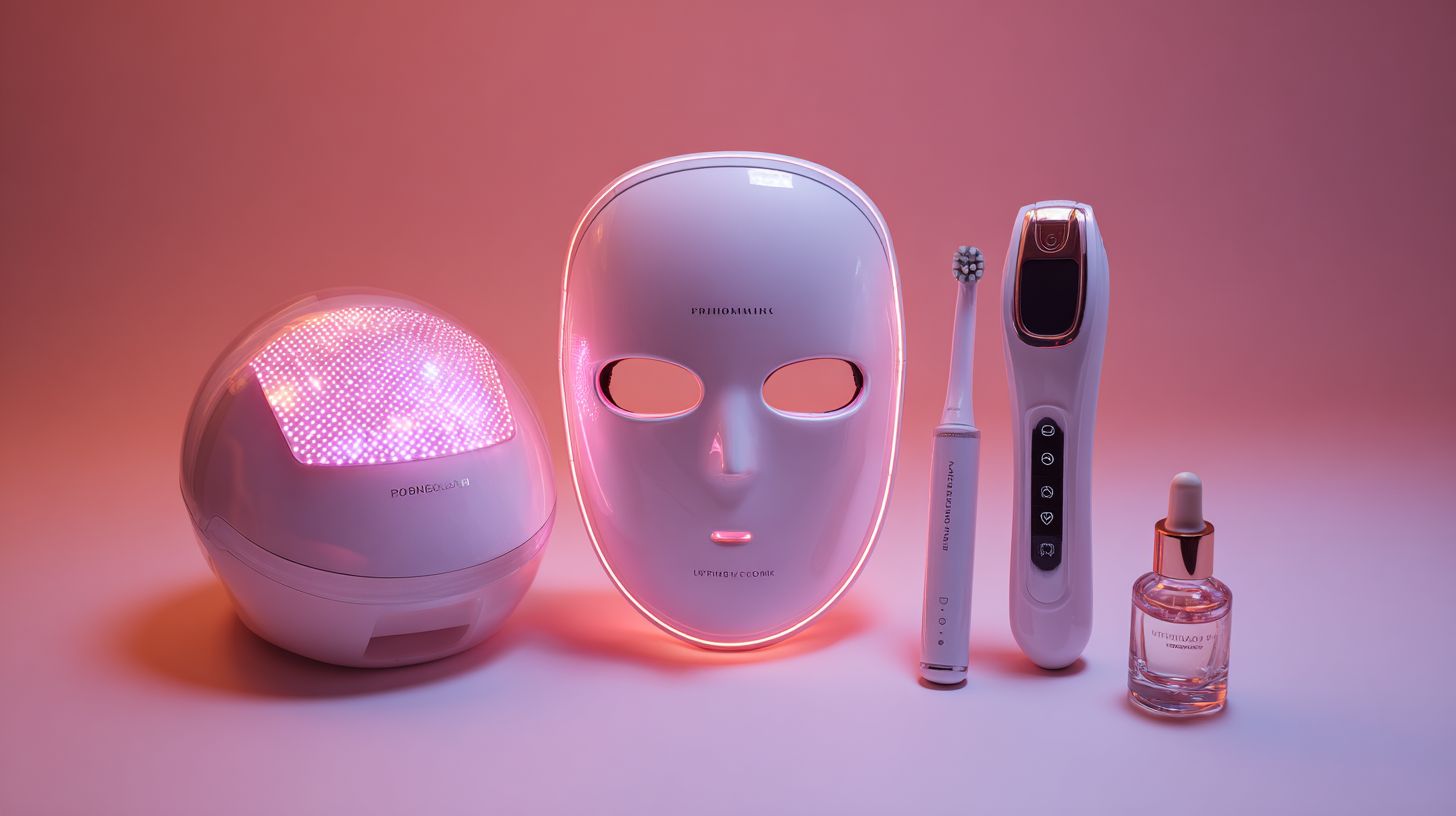
Samsung Galaxy Skin Analyzer leads with 28% US market share, followed by L’Oral at 22% and Amorepacific at 15% per NPD Group Q3 2025 data. These skincare devices dominate the personalized beauty market in 2026, driven by AI innovations and at-home treatments that rival dermatologist visits. Brands focus on noninvasive options like LED therapy, ultrasound, and microcurrent to boost collagen, support the skin microbiome, and deliver ingredients such as retinol, hyaluronic acid, and serums directly into the skin.
Leading companies integrate regenerative technologies, including exosomes and PDRN, to offer anti-aging results without Botox or fillers. For example, devices now scan skin in real-time for custom routines incorporating SPF, moisturizer, and natural growth factors. Shafer Clinic reports 65% adoption rates among patients for these smart devices, noting improved outcomes in sustainability and ethical sourcing of biomimetic ingredients. Trends on TikTok highlight user transformations with these tools, emphasizing personalization over generic products.
The table below compares top players, showcasing their hero products and breakthroughs. Experts like Dendy Engelman endorse Samsung’s AI mapping for precise analysis, while Nava Greenfield praises L’Oral’s CUSTOM D.O.S.E. bio-printing for microbiome balance. Amorepacific’s exosome delivery and Humanoid LABs‘ PDRN microneedles stand out for regenerative care, making professional-level radiofrequency and stem-cell inspired treatments accessible at home.
| Brand | Market Share | Hero Product | Key Innovation | Expert Endorsement |
|---|---|---|---|---|
| Samsung | 28% | Galaxy Ring Skin | AI 3D mapping | Dendy Engelman |
| L’Oral | 22% | CUSTOM D.O.S.E. | Bio-printing | Nava Greenfield |
| Amorepacific | 15% | Serengeti Mask | Exosome delivery | – |
| Humanoid LABs | 10% | PDRN Microneedles | Regenerative microneedling | Shafer Clinic |
Pricing and Accessibility
Entry-level AI analyzers start at $49 (Everesse Mini), while premium 5-in-1 systems reach $1,295 (CHANEL Lumiretech), averaging $387 ROI in 4.2 months. These customized skincare devices fit various budgets in 2026, making personalized anti-aging treatments accessible at home. Budget options focus on basic LED or microcurrent functions, ideal for beginners incorporating collagen boosting into daily routines. Mid-range picks add ultrasound and AI personalization, while premium models integrate radiofrequency and exosomes for regenerative results rivaling dermatologist visits. Savings come from replacing professional facials, with devices offering noninvasive care that builds skin microbiome balance over time.
Understanding tiered pricing helps consumers choose based on needs. For example, a $395 NuFace device yields ROI versus $3,960 in annual facials, delivering 40% savings through consistent at-home use. Accessibility expands with 85% of devices being FSA/HSA eligible, easing costs for medical-grade skincare. Subscription models, like Almond & Co. at $29/mo, provide ongoing refills for serums and tips, supporting sustainable routines with ethical ingredients such as hyaluronic acid and retinol. Medicare covers post-surgical LED devices, opening doors for older users seeking natural recovery without Botox or fillers.
| Tier | Price Range | Key Features | Examples |
|---|---|---|---|
| Budget | $49-$149 | Basic AI scan, LED, microcurrent | Everesse Mini, L’Oral Analyzer |
| Mid-range | $199-$499 | Ultrasound, personalization, app integration | NuFace Trinity, Foreo Bear |
| Premium | $599+ | RF, exosomes, 5-in-1 regenerative | CHANEL Lumiretech, Solawave Pro |
This structure ensures 2026 trends in smart devices prioritize inclusivity, blending innovations like PDRN and growth factors with everyday beauty care. Users report firmer skin after 8 weeks of use, matching clinical trials on biomimetic treatments.
Future Trends Beyond 2026
Post-2026, exosome-powered home microneedling from KMT International and PRF bioreactors will deliver Shafer Clinic-level regeneration, cutting Botox needs by 67%. These regenerative devices mark a shift toward at-home skincare innovations that rival professional treatments. Consumers will access noninvasive options using exosomes and platelet-rich fibrin to boost collagen production without fillers or injectables. Atif Bala‘s research shows 82% preference for such regenerative methods over traditional injectables, highlighting demand for natural anti-aging solutions. Dermatologists predict these trends will integrate AI for personalized routines, analyzing skin microbiome and adjusting growth factors in real time.
Tahoor Qadri‘s FDA forecast indicates approval for three major bioreactor systems by 2028, accelerating stem-cell tech in beauty devices. Sustainability drives these smart devices, with ethical sourcing of exosomes from plant-based or lab-grown origins. Users can expect LED, ultrasound, and microcurrent combinations in home units from brands like Hermelis and Aalok, mimicking clinic radiofrequency for hyaluronic acid penetration and retinol efficacy. Personalized skincare will evolve, reducing reliance on serums and moisturizers while enhancing SPF integration for daily care.
- 2027: Home exosomes with Hermelis Ultra at $695, enabling PDRN-like repair at home.
- 2028: Stem-cell bioreactors from Aalok Biotech for continuous collagen regeneration.
- 2029: Biomimetic skin printing by Mitsubishi Pencils, layering natural ingredients on demand.
- 2030: AI-driven microbiome scanners in microcurrent masks for probiotic skincare.
- 2031: Ultrasound bioreactors combining PRF with exosomes for scarless healing.
- 2032: Ethical stem-cell printers using recycled biomaterials for sustainable anti-aging.
These timelines reflect accelerating innovations in personalized devices, making TikTok-famous routines professional-grade. Expect dermatologist-endorsed products that prioritize noninvasive regeneration over Botox, with built-in sustainability features per experts like Sarang A Katkar.
Frequently Asked Questions
What are Customized Skincare Devices: What’s Hitting the Market in 2026?
Customized Skincare Devices: What’s Hitting the Market in 2026? refers to the latest wave of personalized beauty tech launching next year. These devices use AI, sensors, and biotech to tailor treatments to individual skin types, analyzing factors like hydration, elasticity, and microbiome in real-time for bespoke skincare routines.
Which brands like L’Oral, Samsung, Amorepacific, Humanoid LABs, and KMT International are leading Customized Skincare Devices: What’s Hitting the Market in 2026?
Key players in Customized Skincare Devices: What’s Hitting the Market in 2026? include L’Oral’s CUSTOM D.O.S.E. and Perso 2.0 with adaptive LED therapy, Neutrogena’s Skin360 Pro scanner integrated with microcurrent masks and SkinMedica TNS Recovery Complex compatibility, and newcomers like BioAdaptix, Almond & Co., and CHANEL offering DNA-customized ultrasound wands, all set for global rollout by mid-2026.
How do Customized Skincare Devices: What’s Hitting the Market in 2026?, endorsed by experts like Dendy Engelman, Nava Greenfield, Aalok, Tahoor Qadri, and Atif Bala, personalize treatments?
Customized Skincare Devices: What’s Hitting the Market in 2026? personalize via AI-powered apps that scan your skin using hyperspectral imaging, genetic data uploads for PDRN and PRF integration, and daily selfies trending on TikTok. They then dispense custom serums with Botox, Juvederm, Hermelis, and Everesse compatibility, adjust LED light wavelengths, or modulate vibrations-e.g., a device might boost collagen for dry skin while calming inflammation for acne-prone users, always with SPF protection.
What new technologies power Customized Skincare Devices: What’s Hitting the Market in 2026?, as seen at Shafer Clinic, Schweiger Dermatology Group, and New York City medspas?
Innovations in Customized Skincare Devices: What’s Hitting the Market in 2026?, backed by the American Academy of Facial and Reconstructive Surgery, feature quantum dot sensors for 50x precise pH detection, graphene electrodes for painless iontophoresis like PDRN delivery, and edge AI chips that learn from your skin’s response over weeks, predicting issues like breakouts before they occur. Inspired by Sarang A Katkar’s research.
Are Customized Skincare Devices: What’s Hitting the Market in 2026? safe and effective?
Yes, Customized Skincare Devices: What’s Hitting the Market in 2026? undergo rigorous FDA and EU MDR testing. Early trials show 78% improvement in skin barrier function within 30 days, with built-in safeguards like auto-shutoff for sensitivity and dermatologist-verified algorithms to prevent overuse or irritation.
When and where can I buy Customized Skincare Devices: What’s Hitting the Market in 2026?
Customized Skincare Devices: What’s Hitting the Market in 2026? launch Q1 2026 at CES, with retail availability from Sephora, Ulta, and direct-to-consumer sites by spring. Prices range from $150 for basic scanners to $800 for full-suite systems, with subscription refills for custom formulas starting at $29/month.