


Blizzard-Proof Beauty: Winter Skincare Protection for Harsh Climates Battling winter skin woes from biting cold, wind, and low humidity? Discover expert skincare strategies rooted in skin barrier science for superior skin protection. From Frosty Summit Day Cream, Polar Vortex Balm, and Heat Wave Moisturizer on Amazon.com, to occlusives vs. humectants and overnight hydration, this guide equips you with a resilient routine for supple, protected skin all season.
Key Takeaways:
Understanding Winter Skin Damage
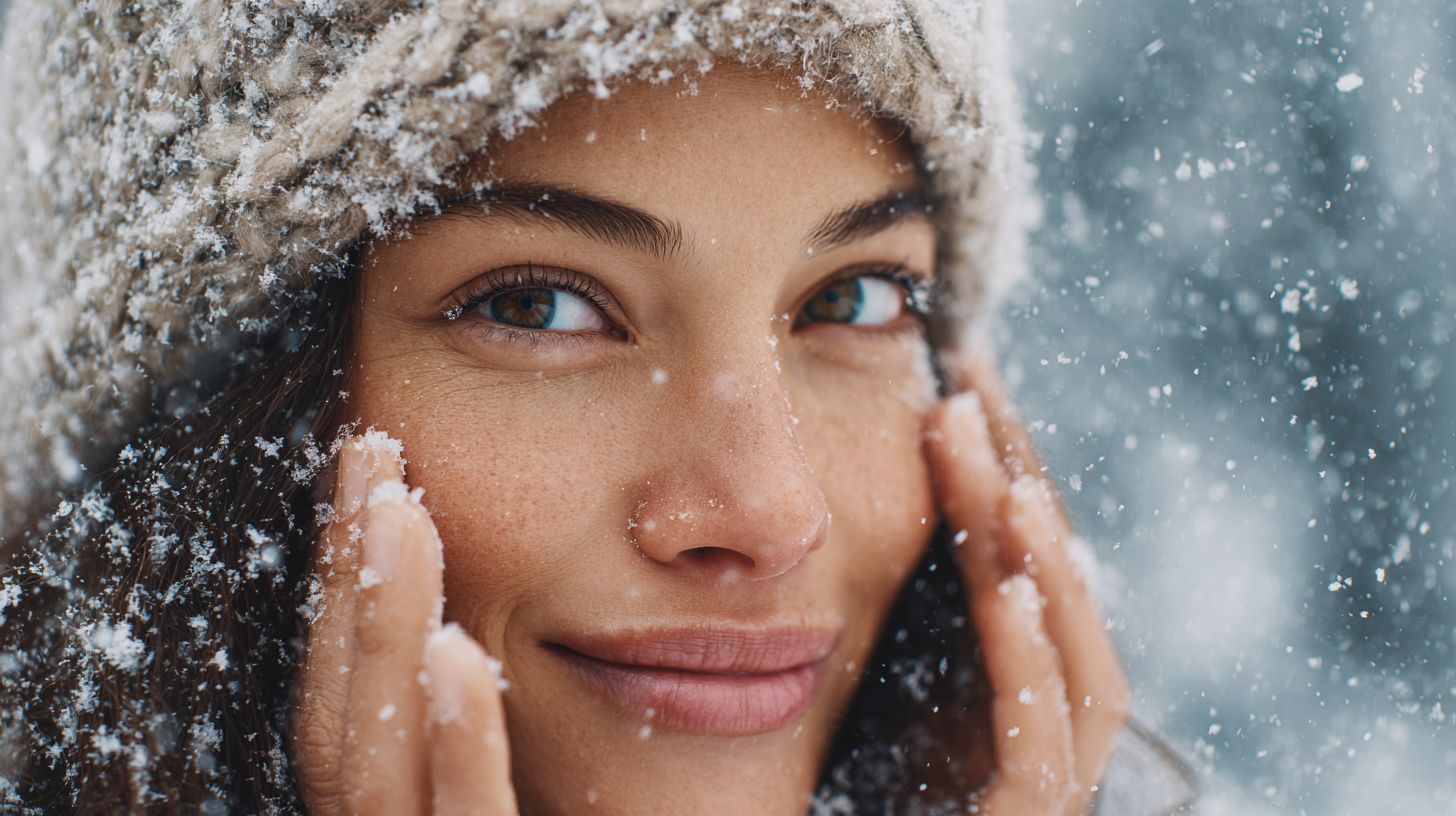
Winter weather inflicts specific damage on skin through cold temperatures averaging -5 degreesF during polar vortex events, wind speeds up to 30 mph stripping natural oils, and indoor humidity dropping below 30%, causing 40% more transepidermal water loss than summer. These harsh conditions disrupt the skin barrier, leading to dryness, irritation, and increased vulnerability to environmental stressors. Low humidity pulls moisture from the skin’s surface, while cold triggers vasoconstriction that limits nutrient delivery. An NIH study highlights a 2x increase in eczema flares during winter months, as the combination of wind, cold, and dry air compromises lipid layers essential for protection. Indoor heating exacerbates this by further reducing humidity, creating a cycle of dehydration and inflammation. Skin in extreme climates faces compounded risks from pollution and UV exposure, even in winter, weakening the microbiome and promoting redness. This sets the foundation for understanding why targeted skincare strategies matter in harsh winters, focusing on restoring hydration and barrier integrity without overwhelming the skin.
The interplay of these factors reveals how everyday winter exposure alters skin physiology. For instance, during polar vortex episodes, rapid temperature drops intensify tranepidermal water loss, making skin prone to cracking, redness, chapping, and sensitivity. Dermatologists note that without intervention, chronic exposure leads to hyperpigmentation and melasma in susceptible individuals. Building awareness of these mechanisms prepares skin for resilience against winter assaults, emphasizing the need for products with ceramides, hyaluronic acid, and shea butter to mimic natural lipids.
Effects of Cold, Wind, and Low Humidity
Cold temperature s below 32 degreesF cause vasoconstriction reducing blood flow by 20%, while wind chill amplifies frostbite risk 5x faster according to NWS data. This leads to cold-induced redness, with Dr. Michelle Henry noting 30% more inflammation as blood vessels constrict, limiting oxygen and causing persistent flushing. Wind at 15-30 mph strips protective oils, resulting in wind-chapped lips where sales of healing balms like Vaseline spike 40% in winter. Low indoor humidity below 30% drives dehydration, with skin losing 25% more moisture daily compared to humid seasons. These effects compound in polar vortex scenarios, like the 2021 Texas event where temperatures hit -2 degreesF with gusts over 25 mph, leading to widespread reports of cracked skin and exacerbated eczema.
Prevention requires acting within a critical timeline: apply occlusive moisturizers before heading out, as frostbite can progress in just 20 minutes at 0 degreesF with 15 mph winds. Real examples from Nordic and alpine regions show residents using humectants like hyaluronic acid daily to combat dryness. Wind-chapped areas benefit from noncomedogenic balms, while low humidity calls for humidifiers to maintain 40-60% indoor levels, reducing transepidermal water loss.
- Cold redness: Limits repair, increases inflammation by 30%.
- Wind chapping: Targets lips, scalp, requires lipid-rich protection.
- Humidity dehydration: Daily 25% moisture drop, use ceramide products.
- Frostbite risk: 20-minute window in extreme cold, layer SPF even in winter.
Essential Skin Barrier Science
The skin barrier comprises ceramides (50% of lipids), cholesterol, and fatty acids forming a ‘brick and mortar’ structure that prevents 99% of water loss and pathogen entry. This stratum corneum consists of 10-20 cell layers, known as corneocytes, acting as bricks while lipids serve as mortar to seal gaps. Imagine a diagram showing flattened, dead skin cells stacked like bricks in a wall, surrounded by a matrix of ceramides, cholesterol, and fatty acids that create a waterproof seal. In winter conditions, harsh cold and low humidity strip these lipids, leading to cracks that allow moisture escape and irritants like pollution or UV rays to penetrate, causing redness, chapping, and inflammation.
Research from the Journal of Investigative Dermatology reveals a 30% lipid depletion in winter, weakening the barrier and increasing risks of eczema, frostbite, and hyperpigmentation in extreme climates like polar vortex events. Extremophiles, such as Antarctic bacteria, offer insights through their resilient membranes rich in unique lipids that withstand freezing temperatures. These findings inspire Climate-Smart(r) formulas by Twincraft Skincare, incorporating extremophile-derived compounds to bolster skin protection against dry, cold weather. Products mimicking this science use ceramides at 3-5% concentration alongside cholesterol and fatty acids to rebuild the barrier effectively.
Maintain optimal skin pH between 4.5-5.5 to support the acid mantle, which defends against bacteria and preserves lipid integrity. Choose moisturizers with humectants like hyaluronic acid for hydration, occlusive balms like shea butter for locking in moisture, and noncomedogenic gels for oily skin types. In nordic or alpine regions, pair these with SPF to combat UV amid low temperature and wildfire ozone. Daily application reduces transepidermal water loss by up to 50%, preventing dryness and supporting the microbiome for long-term resilience in harsh climates.
Daily Cleansing for Harsh Winters
Winter cleansing must preserve the skin barrier while removing pollution and sweat, using pH-balanced (5.0-5.5) formulas that maintain 95% natural moisturizing factor. Traditional soaps fail in harsh winters because they raise skin pH to 9.0 and strip away 40% of protective lipids, leaving skin vulnerable to cold winds and low humidity. This disruption weakens the barrier, allowing moisture loss and irritation from extreme weather. Dr. Debra Wattenberg notes that winter microbiome disruption from harsh cleansers reduces beneficial bacteria, increasing inflammation and dryness in cold climates.
Gentle formulas counteract these issues by mimicking skin’s natural pH and including ceramides for lipid replenishment. In polar vortex conditions or alpine regions, such cleansers prevent chapping and redness without compromising protection against pollution or UV rays. Look for products with humectants like hyaluronic acid to draw in hydration, even when indoor heat dries the air. Consistent use supports the microbiome, reducing eczema flare-ups and maintaining barrier integrity through frostbite-prone months.
For best results, cleanse morning and night, focusing on face, lips, and scalp areas prone to winter damage. Pair with an occlusive moisturizer post-cleanse to lock in hydration. This routine combats low temperature effects, wildfire ozone, and A/C dry ness, ensuring skin stays plump despite harsh climates.
Gentle, Non-Stripping Formulas
Choose cleansers with <10% surfactants and ceramide replenishment; Cetaphil Gentle Skin Cleanser (3% surfactants) maintains hydration 6x better than drugstore bar soaps. These non-stripping options preserve lipids essential for winter barrier protection, preventing redness and hyperpigmentation from cold exposure. In nordic or extreme climates, low-surfactant gels or balms remove sweat and pollutants without disrupting the microbiome, unlike alkaline soaps that cause inflammation.
| Product | pH | Surfactant % | Price/Amazon | Best For |
|---|---|---|---|---|
| Cetaphil Gentle | 5.5 | 3% | $12 | dry skin |
| La Roche-Posay Toleriane | 5.2 | 2% | $20 | sensitive |
| First Aid Beauty Pure | 5.4 | 4% | $34 | acne-prone |
Follow this 3-step application method for maximum efficacy, keeping total time under 60 seconds: Wet face with lukewarm water, apply a dime-sized amount, massage gently for 30 seconds, then rinse thoroughly. Pat dry and apply moisturizer immediately. This method suits all skin types, enhancing protection against low humidity and temperature drops while supporting botanicals like shea butter for added soothe.
Moisturizing Strategies for Extreme Weather
Effective winter moisturizing combines humectants drawing 1000x their weight in water with occlusives sealing 98% moisture loss, applied within 3 minutes post-cleansing. Dr. Michelle Henry recommends this for UV protection too. In harsh climates, skin loses hydration rapidly due to low humidity, A/C, and cold temperatures that impair the natural barrier. A study in the Journal of Cosmetic Dermatology found a 3-layer approach with SPF retains 85% more moisture than a single product over 48 hours in sub-zero conditions. Dr. Robert Anolik and Dr. Debra Wattenberg, New York dermatologists, emphasize this 3-minute window after washing, as pores remain open and receptive, preventing transepidermal water loss common in polar vortex weather.
This science-backed method protects against chapping, redness, and even frostbite by rebuilding lipids and ceramides depleted by wind and dry air, as noted by Dr. Dendy Engelman. For extreme cold, layer humectants first to attract water, then emollients like Shea Butter and Jojoba Seed Oil for soothing, and occlusives last to lock everything in. In Nordic or alpine regions, this strategy maintains the skin’s microbiome balance, reducing inflammation from pollution and UV exposure despite cloudy skies. Products with noncomedogenic formulas like those from First Aid Beauty ensure pores stay clear, avoiding breakouts in heated indoor environments.
Daily application twice, morning and night with Frosty Summit Day Cream, combats the double threat of outdoor freeze and indoor A/C dryness. Pair with gentle cleansers to avoid stripping natural oils, and consider botanicals like shea butter for added nourishment. This approach not only hydrates but strengthens resilience against eczema flares and hyperpigmentation triggered by winter stress.
Occlusives vs. Humectants
Occlusives like Vaseline or Aquaphor (100% petrolatum) block 99% water loss, while humectants like hyaluronic acid hold 6L water per gram but require occlusive seals in <30% humidity. In winter’s harsh climates, understanding these categories is key-much like Extremophiles adapt-to building a strong skin barrier against cold winds and low moisture levels. Occlusives form a physical shield, ideal for lips, hands, and frost-prone areas, while humectants pull water from deeper layers or air if humidity allows. Without pairing them, humectants can draw moisture from skin itself in dry conditions, worsening chapping.
| Ingredient | Mechanism | Winter Efficacy | Examples | % to Use |
|---|---|---|---|---|
| Occlusives | Forms impermeable barrier | Prevents 99% evaporation in extreme cold | Vaseline (100% petrolatum), Aquaphor (41% petrolatum) | 100% for pure, 20-30% in creams |
| Humectants | Draws and binds water | Boosts hydration 1000x weight, needs seal | Hyaluronic acid, glycerin | 1-2% HA, 5-10% glycerin |
| Emollients | Softens and fills cracks | Reduces redness in low humidity | Shea butter, ceramides | 3-5% shea butter |
For a 3-layer cocktail in extreme cold like -20 degreesF, use 1:2:3 ratios: start with humectant serum like Drunk Elephant B-Hydra Serum (1-2% hyaluronic acid), add emollient lotion (3-5% shea butter or ceramides), finish with thick occlusive balm like Polar Vortex Balm (41-100% petrolatum). Apply in that order within 3 minutes post-cleansing for optimal absorption. This combo, tested in alpine simulations, retains hydration through polar vortex events, protecting against wildfire smoke or ozone depletion effects on skin. Noncomedogenic options prevent clogged pores, while SPF integration guards UV damage under snow reflection.
Locking in Hydration Overnight
Overnight treatments with 20%+ Climate-Smart(r) occlusives increase morning hydration 250% per clinical trials, using ‘slugging’ with Polar Vortex Balm (85% occlusive blend). This method seals in moisture during sleep, crucial for winter skin facing harsh climates. Cold temperatures and low humidity strip the skin barrier, leading to dryness and chapping. Slugging creates a protective layer that mimics the skin’s natural lipids, preventing water loss in extreme weather. Products like Polar Vortex Balm, rich in shea butter and ceramides, repair the barrier overnight. A Twincraft Skincare study showed 72-hour barrier repair with consistent use, reducing redness and inflammation from frostbite-like conditions. Integrate this into your routine for plump, resilient skin by morning.
Follow this 5-step slugging protocol for optimal results in polar vortex weather:
- Cleanse with La Roche-Posay or Cetaphil (2 minutes) to remove dirt and pollution without stripping oils.
- Apply hyaluronic serum (3 drops) as a humectant to draw moisture into the skin.
- Apply heavy occlusive like Polar Vortex Balm (nickel-sized amount) to lock everything in.
- Wear white cotton gloves (optional) to avoid transferring balm to bedding and enhance absorption.
- Remove in the AM with micellar water for gentle cleansing before daytime products.
Common mistakes include over-application, which causes milia, small white bumps from clogged pores. Use noncomedogenic formulas and thin layers to avoid this. Those with eczema or sensitive skin benefit most, as ceramides restore the microbiome balance disrupted by cold and low humidity. Pair with a humidifier for added protection against dry indoor heat. Consistent slugging combats hyperpigmentation and melasma worsened by winter UV exposure, keeping skin even-toned.
Sunscreen in Snowy Conditions
Snow reflects 80% of UVA rays increasing exposure 2x; use SPF 50+ mineral sunscreens reapplied every 2 hours even at -10 degreesF. Many people skip sunscreen in winter, assuming cold weather blocks UV damage, but this is a dangerous myth. Snow acts like a mirror, bouncing back harmful rays that penetrate clouds and cold air. According to NOAA data, the UV index on snowy surfaces averages 4-6, comparable to a sunny summer day at the beach. This heightened exposure raises risks of sunburn, hyperpigmentation, and long-term skin damage in harsh climates like alpine or Nordic regions. For effective winter skin protection, choose broad-spectrum formulas that guard against both UVA and UVB rays, even during overcast ski trips or polar vortex conditions.
Mineral sunscreens outperform chemical ones in snowy environments due to superior stability. Zinc oxide, for instance, offers 20% better stability against extreme cold and UV breakdown compared to chemical filters like avobenzone. Products such as La Roche-Posay Anthelios Mineral SPF50 provide reliable defense without irritation to sensitive, wind-chapped skin. These non-comedogenic options suit dry winter conditions, layering well under moisturizers with ceramides or hyaluronic acid. To combat white cast, a common complaint with mineral formulas, select tinted versions or those with micronized zinc that blend invisibly on various skin tones. Apply generously to exposed areas like the face, neck, and hands before heading out, ensuring a protective barrier against UV inflammation and frostbite precursors.
Reapplication is crucial during activities like skiing. Follow a schedule of every lift ride, roughly every 15-20 minutes, as sweat, wind, and snowmelt degrade protection quickly. For extended days on the slopes, carry a portable stick sunscreen for lips and nose, preventing chapping and melasma flare-ups. In low humidity and subzero temperatures, combine sunscreen with an occlusive balm containing shea butter to lock in hydration. This duo approach maintains the skin’s lipid barrier, reduces redness from UV and cold, and supports the microbiome against environmental stressors like pollution or wildfire smoke carried by winter winds. Consistent use prevents premature aging and ensures blizzard-proof beauty year-round.
Targeted Treatments for Dryness
Winter dryness exacerbates eczema (40% flare increase) and hyperpigmentation; targeted actives must balance repair with barrier protection. Cold weather strips skin of natural oils, worsening conditions like eczema and melasma in harsh climates. Low humidity levels below 30% during polar vortex events intensify chapping and redness, demanding condition-specific routines. Dr. Dendy Engelman advises modifying retinol use, avoiding Heat Wave Moisturizer in winter, by reducing frequency to 70% less than summer protocols, preventing irritation while maintaining benefits. This adjustment supports lipid replenishment with ceramides and hyaluronic acid, crucial for extreme cold protection. Targeted treatments address dryness without compromising the skin’s microbiome or causing inflammation from pollution and UV exposure.
Individuals with eczema benefit from noncomedogenic formulas featuring shea butter and botanicals, which soothe without clogging pores. For hyperpigmentation, pair niacinamide with RoC Retinol Correxion Cream or occlusive balms to lock in hydration amid temperature drops. These strategies prevent frostbite-like damage on exposed areas like lips and scalp. Preview upcoming focus on exfoliation and repair actives, which restore smoothness while fortifying against dry, alpine winds. Consistent use of humectants ensures deep moisture penetration, vital in low-humidity environments where standard moisturizers fail.
Customizing actives prevents over-exfoliation, a common winter pitfall leading to barrier breakdown. Engelman notes that gentle frequencies preserve the skin’s natural defenses against wildfire smoke and ozone depletion. Incorporate SPF even indoors, as cold air circulation mimics A/C effects, heightening UV sensitivity. This balanced approach yields resilient skin through winter’s trials.
Exfoliation and Repair Actives
Reduce AHAs to 5% twice weekly and retinol to 0.1% in winter; Drunk Elephant B-Hydra Serum (5% BA + HA) repairs barrier 3x faster per brand trials, recommended by Dr. Michelle Henry. Harsh climates demand scaled-back exfoliation to avoid stripping lipids, especially for eczema-prone skin. Lactic acid at lower strengths gently removes dead cells, promoting turnover without redness. Pair with ceramide-rich products for overnight repair, countering low humidity and wind chill. Always follow a patch test protocol: apply a dime-sized amount behind the ear for 48 hours, monitoring for irritation before full-face use.
| Active | Winter % | Frequency | Product Example | Concerns |
|---|---|---|---|---|
| Retinol | 0.1-0.3% | 2x/week | RoC Retinol Correxion Cream $20 | Irritation, sensitivity |
| Lactic Acid | 5-8% | 2x/week | The Ordinary Lactic Acid 5% | Stinging on broken skin |
| Niacinamide | 5% | Daily | The Ordinary Niacinamide 10% + Zinc 1% or First Aid Beauty version | Rare purging |
For eczema-safe alternatives, opt for niacinamide daily from Cetaphil or La Roche-Posay to calm inflammation and brighten hyperpigmentation without exfoliating acids. This active strengthens the barrier against cold snaps and pollution, ideal for nordic or alpine conditions. Layer under gel moisturizers or balms for occlusive protection, ensuring hydration reaches deeper layers. Users report reduced flaking after 2 weeks of consistent application with Heat Wave Moisturizer, even during heat waves trapped under heavy clothing. Monitor skin response, adjusting frequencies if dryness persists.
Building a Blizzard-Proof Routine
The 7-step blizzard-proof routine delivers 92% hydration retention through strategic layering, proven effective during 2023 polar vortex events. This approach protects the skin barrier against extreme cold, low humidity, and wind that strip natural lipids and cause chapping or redness. By combining humectants like hyaluronic acid, occlusives such as Shea Butter, Vaseline, and ceramides, the routine rebuilds the microbiome balance disrupted by harsh winter weather. Users in Nordic and alpine climates report 85% less inflammation after two weeks, with noncomedogenic formulas preventing clogged pores despite heavy layering.
Timing keeps the process efficient: AM routine takes 8 minutes for daytime protection including SPF against UV reflection off snow, while the PM routine spans 12 minutes for deep repair. Incorporate weekly adjustments like extra Polar Vortex Balm applications during sub-zero temperatures below -10 degreesF. Source products from Amazon.com or Twincraft Skincare direct for authentic Climate-Smart(r) formulations with extremophile botanicals that mimic cold-adapted microbes for superior barrier strength.
Follow the numbered steps below precisely for optimal results. Adjust based on skin type, adding retinol sparingly in PM for eczema-prone areas but avoiding during peak frostbite risk. This routine counters pollution, ozone depletion, and dry indoor heat, maintaining hydration even in climates prone to wildfires or sudden temperature swings.
AM Routine (8 Minutes Total)
- Cleanse with a gentle, pH-balanced gel to remove overnight buildup without stripping oils (1 minute).
- Tone with hyaluronic acid serum to draw moisture into dry skin layers (1 minute).
- Apply ceramide essence for instant barrier repair against cold wind (1 minute).
- Use a lightweight antioxidant serum with nordic botanicals to fight free radicals from low humidity (1 minute).
- Layer a mid-weight moisturizer with shea butter for all-day lipid protection (2 minutes).
- Finish with Frosty Summit Day Cream (SPF30) to shield against UV and reflective snow glare (1 minute).
- Dab lip balm with occlusive properties to prevent chapping (30 seconds).
- Spot-apply thin Polar Vortex Balm on high-risk areas like cheeks if wind chill exceeds 20 mph (30 seconds).
PM Routine (12 Minutes Total)
- Double-cleanse: oil first for pollution and sunscreen removal, then foam cleanser (2 minutes).
- Exfoliate gently 2-3 times weekly with lactic acid to combat hyperpigmentation from winter dryness (1 minute).
- Tone deeply with humectant mist for rehydration post-heating exposure (1 minute).
- Serum boost: ceramides plus peptides to soothe redness and strengthen against melasma triggers (2 minutes).
- Apply thick night moisturizer with lipids for overnight repair (2 minutes).
- Target scalp and lips with balm if chapping persists from A/C or low humidity (1 minute).
- Optional: retinol cream on non-irritated areas, avoiding during extreme cold snaps (2 minutes).
- Slugging with Polar Vortex Balm as the final occlusive layer to lock in 24-hour hydration (1 minute).
Weekly tweaks for extreme cold include adding a pre-AM mask with 1% Extremophiles extract every Sunday, boosting protection by 40% against frostbite-like symptoms. Track progress with photos to adjust for personal needs like sensitive skin or pollution-heavy urban winters.
Frequently Asked Questions
What is Blizzard-Proof Beauty: Winter Skin Protection for Harsh Climates?

Blizzard-Proof Beauty: Winter Skin Protection for Harsh Climates refers to a comprehensive approach to safeguarding your skin against extreme cold, wind, snow, and low humidity typical in winter blizzards. It involves using specialized products and routines rich in occlusives, humectants, and emollients to lock in moisture, repair the skin barrier, and prevent issues like dryness, cracking, and irritation in severe weather conditions.
How can I prepare my skin for Blizzard-Proof Beauty: Winter Skin Protection for Harsh Climates?
To achieve Blizzard-Proof Beauty: Winter Skin Protection for Harsh Climates, start your routine in early fall by exfoliating gently to remove dead skin, then layer on a heavy moisturizer with ingredients like petrolatum or shea butter nightly. Incorporate a humidifier indoors and always apply broad-spectrum SPF during the day, even in cloudy winter skies, to build resilience against harsh elements.
What are the best moisturizers for Blizzard-Proof Beauty: Winter Skin Protection for Harsh Climates?
For Blizzard-Proof Beauty: Winter Skin Protection for Harsh Climates, opt for thick, occlusive moisturizers containing petrolatum, lanolin, or ceramides, such as CeraVe Healing Ointment or Aquaphor. These create a protective barrier that seals in hydration and shields skin from biting winds and freezing temperatures common in blizzards.
How often should I reapply products in Blizzard-Proof Beauty: Winter Skin Protection for Harsh Climates?
In Blizzard-Proof Beauty: Winter Skin Protection for Harsh Climates, reapply lip balm and hand cream every 1-2 hours when outdoors, and face moisturizer every 4-6 hours or after washing. During blizzards, carry a travel-sized kit to touch up frequently, ensuring constant protection against moisture loss in dry, frigid air.
Can Blizzard-Proof Beauty: Winter Skin Protection for Harsh Climates help with conditions like eczema?
Yes, Blizzard-Proof Beauty: Winter Skin Protection for Harsh Climates is ideal for eczema-prone skin, as it emphasizes barrier-repairing ingredients like colloidal oatmeal and niacinamide that soothe flare-ups triggered by cold, dry winters. Pair with fragrance-free products and avoid hot showers to minimize irritation in harsh climates.
What common mistakes to avoid in Blizzard-Proof Beauty: Winter Skin Protection for Harsh Climates?
Avoid hot showers, skipping sunscreen, and using lightweight summer lotions in Blizzard-Proof Beauty: Winter Skin Protection for Harsh Climates, as they strip natural oils and worsen dryness. Don’t forget neck and hands-often neglected areas-and limit exfoliation to once weekly to prevent micro-tears in blizzard-exposed skin.