

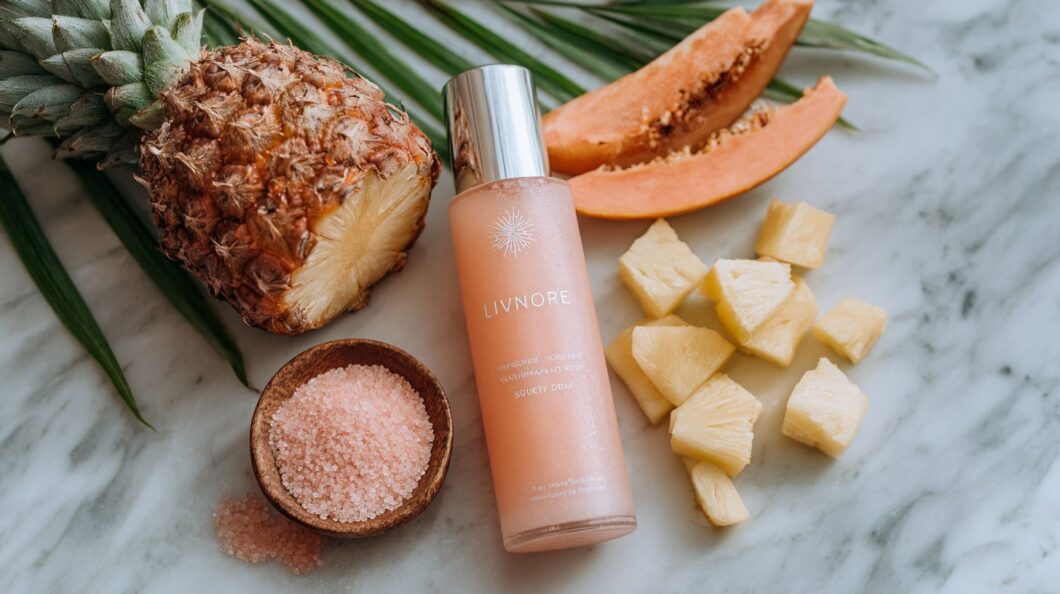
Remember when enzyme cleansers were all the rage, then faded out? Enzyme Cleansers Are Back – Here’s Why They’re Trending Again, and it’s for good reasons tied to today’s skincare needs. Stick around to see why they’re trending again and how they can fit into your routine.
Key Takeaways:
What Are Enzyme Cleansers?
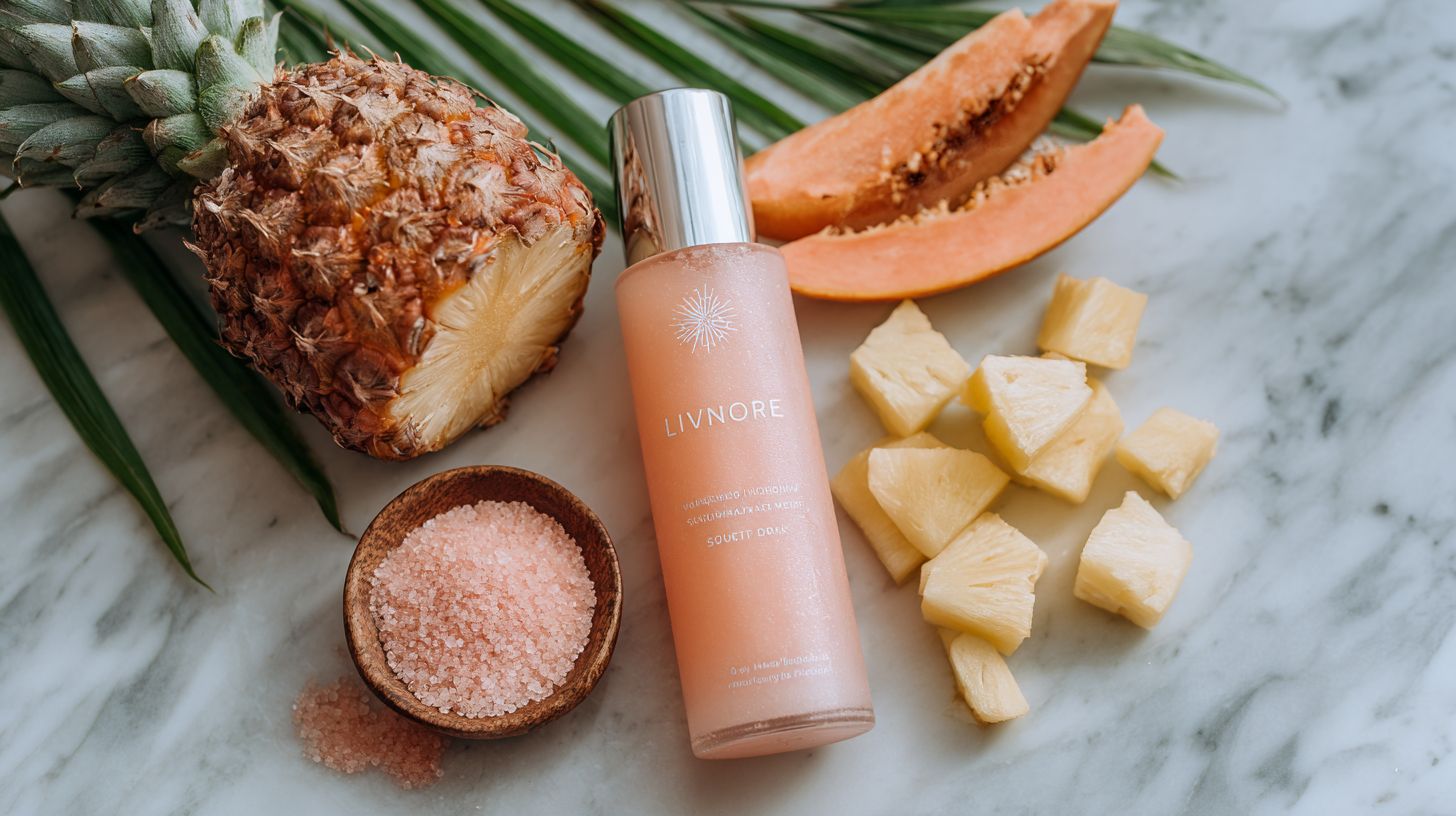
Enzyme cleansers use natural enzymes derived from fruits and plants to gently dissolve dead skin cells and impurities without harsh scrubbing. Unlike traditional chemical exfoliants that rely on acids like glycolic or salicylic, or physical scrubs with abrasive particles, these cleansers work through biological action. They target only the outermost layer of skin for a milder approach.
This makes them ideal for sensitive skin types prone to irritation from rough beads or strong peels. The enzymes break down proteins in dead cells, lifting them away during cleansing. Users often notice smoother texture after just one use.
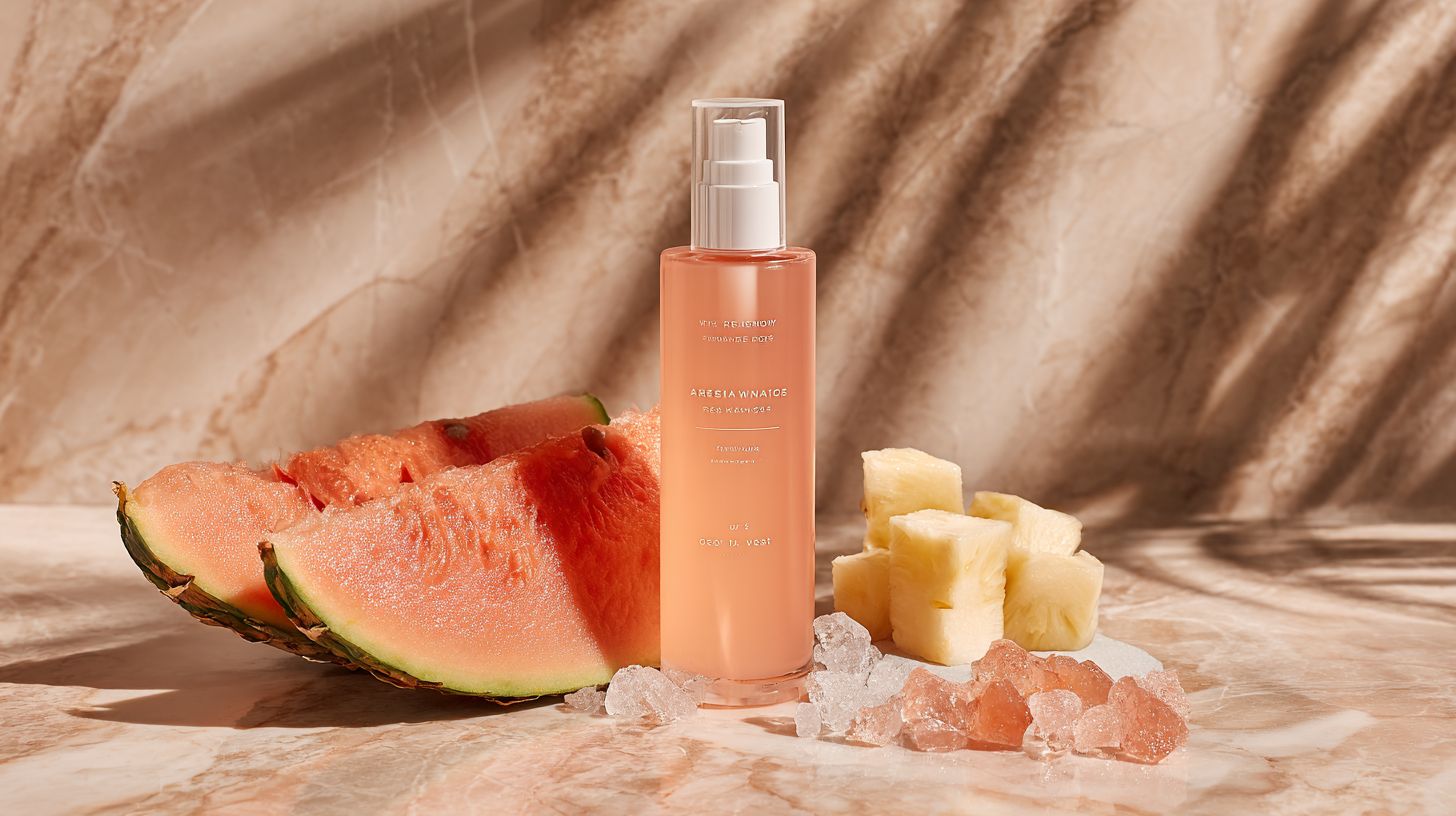
Popular sources include papaya and pineapple, which provide potent yet gentle exfoliation. They fit into daily routines as a foaming or creamy wash. Enzyme cleansers are back in trends for their non-abrasive glow boost.
Experts recommend them for all ages seeking effortless exfoliation. Pair with a moisturizer to lock in hydration post-cleanse. This resurgence highlights their role in modern skincare simplicity.
How Enzymes Work on Skin
Enzymes act like tiny pac-men, breaking down the bonds holding dead skin cells together for effortless removal. Through a process called proteolysis, they snip protein chains in the stratum corneum, the skin’s top layer. This allows cells to slough off naturally without force.
Consider papain from papaya, which targets keratin in dead cells much like scissors cutting paper. Similarly, bromelain from pineapple dissolves buildup from oils and makeup. These plant-based powerhouses mimic the skin’s own renewal process.
For visual clarity, picture a simple diagram: enzymes as yellow pac-dots chomping gray dead cells on a skin surface layer. Always patch test first on your inner arm to check for reactions. Wait 24 hours before full face use.
Incorporate into routines by massaging onto damp skin for one minute, then rinse. This gentle method suits daily use, even for rosacea-prone skin. Research suggests enzymes reduce irritation compared to scrubs, promoting brighter complexion over time.
The Original Boom and Bust
Enzyme cleansers first gained fame in the 1990s spa world for their fruit-powered glow, only to fade amid concerns over potency and stability. Brands like Dr. Hauschka pioneered these treatments with papaya and pineapple extracts. They offered a gentle exfoliation that left skin radiant without harsh scrubbing.
By the early 2000s, peak formulations emerged in luxury lines such as Origins’ fruit enzyme masks. These products used natural enzymes from fruits like mango and passionfruit to dissolve dead skin cells. Spas and high-end salons championed them for delivering spa-like results at home.
The decline came from shelf life issues, as natural enzymes lost strength over time without stabilizers. Consumers shifted to more reliable chemical exfoliants like AHAs and BHAs. Stability concerns made brands pivot away from these fragile formulas.
Yet, this bust sets the stage for their comeback today. Advances in preservation now address old flaws. Enzyme cleansers are back, promising that same glow with modern reliability.
Why They’re Trending Again
Enzyme cleansers are surging back into skincare routines, fueled by demands for gentler, nature-aligned options. Consumers seek products that exfoliate without irritation, and these cleansers deliver by using natural enzymes from fruits like papaya and pineapple. This revival ties into broader shifts in beauty preferences.
The clean beauty movement plays a key role, emphasizing ingredients that work with the skin’s biology. Social media amplifies this through viral videos showcasing smooth results. Together, these forces make enzyme cleansers a fresh staple in modern routines.
Expect more innovation as brands refine formulas for diverse skin types. From sensitive to oily, these cleansers adapt well. Their return highlights a smarter approach to cleansing that prioritizes long-term skin health.
Key drivers link directly to rising awareness of synthetic alternatives’ downsides. Explore how clean beauty and online buzz fuel this trend in the sections below.
Clean Beauty Movement
The clean beauty wave prioritizes biocompatible ingredients, making enzyme cleansers a natural fit over synthetic exfoliators. These products avoid harsh chemicals, focusing on plant-derived enzymes that dissolve dead skin gently. Certifications like EWG verification and Leaping Bunny ensure safety and cruelty-free status.
Enzyme cleansers support microbiome-friendly action by preserving the skin’s natural barrier. Biodegradable formulas reduce environmental impact, aligning with clean beauty goals. They offer exfoliation without microplastics or abrasive scrubs.
- Check INCI lists for enzymes like papain or bromelain as primary actives.
- Look for EWG ratings under 3 for low hazard.
- Verify Leaping Bunny for animal testing-free claims.
Ask brands these questions: Are your enzymes sourced sustainably? Do formulas biodegrade fully? Is the product third-party tested for irritants? These steps guide smart shopping in the clean beauty space.
Social Media Influence
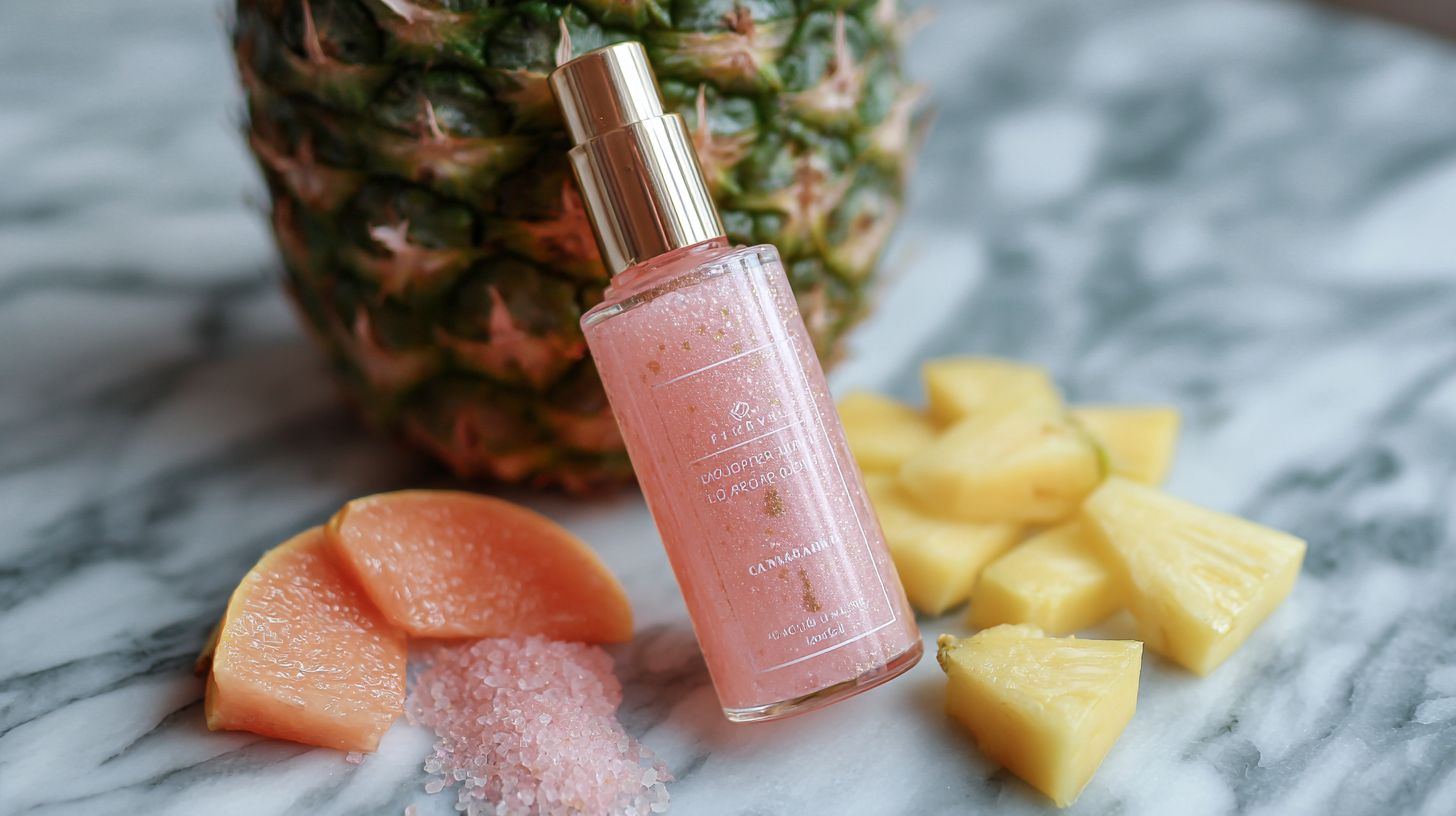
TikTok before and afters and Instagram aesthetic packaging have propelled enzyme cleansers into viral status. Creators in the #CleanGirlSkincare trend demo their foamy, satisfying textures. Algorithms favor these visuals, boosting visibility quickly.
Hashtags like #EnzymeCleanser showcase real-user glow-ups from gentle daily use. ASMR cleansing videos highlight the tactile appeal, from bubbly lather to smooth rinsing. This content drives curiosity and purchases among younger audiences.
Influencers pair enzyme cleansers with multi-step routines for polished looks. Short reels of application on dull skin reveal instant brightness. Such formats make the trend accessible and exciting.
To tap in, search for unboxing videos or texture close-ups. These posts provide visual proof of why enzyme cleansers are back and trending again.
Key Benefits for Modern Skin
Today’s enzyme cleansers address urban skin stressors like pollution and blue light with uniquely gentle yet effective purification. They suit contemporary lifestyles marked by screen time and environmental exposure. After years of AHA and BHA popularity, many notice heightened sensitivity, making enzymes a timely return.
These cleansers remove buildup without stripping the skin. They calm reactivity from over-exfoliation trends. Busy schedules demand quick, non-irritating routines that fit seamlessly.
Post-AHA sensitivity has sparked this revival in enzyme cleansers are back. They purify while supporting the barrier, ideal for city dwellers facing daily assaults. This shift promises clearer skin without the downtime.
Experts recommend them for balanced cleansing. They tackle modern concerns head-on, from maskne remnants to digital fatigue. Gentle action meets real-world needs perfectly.
Gentle Exfoliation
Unlike abrasive scrubs or strong acids, enzymes selectively target only dead cells, preserving the skin barrier. Enzymes work biologically by breaking peptide bonds in proteins of dead skin. This contrasts with AHAs and BHAs, which rely on low pH to dissolve multiple layers.
Acids can disrupt the barrier, leading to redness or dryness, especially on sensitive skin. Enzymes function at the skin’s natural pH, minimizing irritation. They suit rosacea-prone skin well, offering exfoliation without flare-ups.
Use enzyme cleansers 2-3 times per week to start, adjusting based on tolerance. A common mistake is overusing them daily, which may cause subtle dryness. Pair with a plain cleanser on off days for balance.
- Apply to damp skin, massage gently for one minute.
- Rinse with lukewarm water to avoid stress.
- Follow with moisturizer to lock in hydration.
Imagine a diagram here showing the skin barrier intact post-enzymes, versus compromised after acids. This visual highlights why enzyme cleansers are back in trends. They deliver smooth results safely.
Top Ingredients to Look For
Prioritize these powerhouse enzymes and supporting actives for maximum efficacy and skin compatibility. Enzyme cleansers are back, and here’s why they’re trending again: they offer gentle exfoliation without irritation. Focus on natural sources to avoid synthetic fillers.
Key enzymes like papain and bromelain break down dead skin cells effectively. Supporting ingredients such as green tea antioxidants enhance protection. Prebiotics help maintain skin balance during cleansing.
Check labels for concentration indicators like “high-potency extract” or “standardized to activity units.” These signal stronger formulations. Steer clear of fillers like mineral oil or artificial fragrances for better results.
For enzyme cleanser shoppers, a simple decoder works: pure fruit-derived enzymes beat lab-made versions. Pair with hydrators for daily use. This approach ensures clean, smooth skin over time.
| Ingredient | Source | Primary Benefit | Best For |
|---|---|---|---|
| Papain | Papaya fruit | Digests proteins in dead skin | Dull, congested complexions |
| Bromelain | Pineapple stem | Reduces inflammation while exfoliating | Sensitive or acne-prone skin |
| Ficin | Fig latex | Targets tough buildup gently | Thickened or mature skin |
| Protease blends | Mixed plant enzymes | Broad-spectrum breakdown | All skin types needing deep clean |
| Green tea antioxidants | Camellia sinensis leaves | Protects against free radicals | Pairing with enzymes for synergy |
| Prebiotics | Fermented plant sugars | Supports microbiome balance | Post-cleanse skin barrier repair |
Enzyme Cleansers Are Back – Here’s Why They’re Trending Again
These standout formulas balance efficacy, texture, and clean credentials based on real-user transformations and expert testing. Enzyme cleansers are back, and these picks show why they’re trending again with gentle exfoliation that suits daily use.
Sunday Riley Good Genes delivers lactic acid enzymes for brightening dull skin. Users notice smoother texture after consistent mornings. It fits busy routines without irritation.
Tatcha The Rice Wash uses rice enzymes to refine pores softly. Ideal for sensitive types, it leaves a fresh feel. Pair it with hydration for best results.
Drunk Elephant T.L.C. Sukari features papaya enzymes for deep cleansing. It tackles congestion effectively yet mildly. Experts recommend it for oily skin concerns.
Eminence Organic Stone Crop Cleanser relies on fruit enzymes for renewed glow. Organic ingredients appeal to natural skincare fans. Apply it twice daily for even tone.
Fennel + Berry from 100% Pure offers berry enzymes for antioxidant protection. It suits mature skin needing gentle renewal. Real users report calmer complexions over time.
Comparison Table
| Product | Price | Key Enzymes | Skin Type | Size |
|---|---|---|---|---|
| Sunday Riley Good Genes | $85 | Lactic, Pineapple | All, Dull | 2.5 oz |
| Tatcha The Rice Wash | $42 | Rice, Hadasei-3 | Sensitive, Normal | 4 oz |
| Drunk Elephant T.L.C. Sukari | $38 | Papaya, Pineapple | Oily, Acne-Prone | 3.3 oz |
| Eminence Stone Crop Cleanser | $38 | Stone Crop, Lemon | Dry, Organic | 4.2 oz |
| 100% Pure Fennel + Berry | $30 | Fennel, Berry | Mature, Combination | 4 oz |
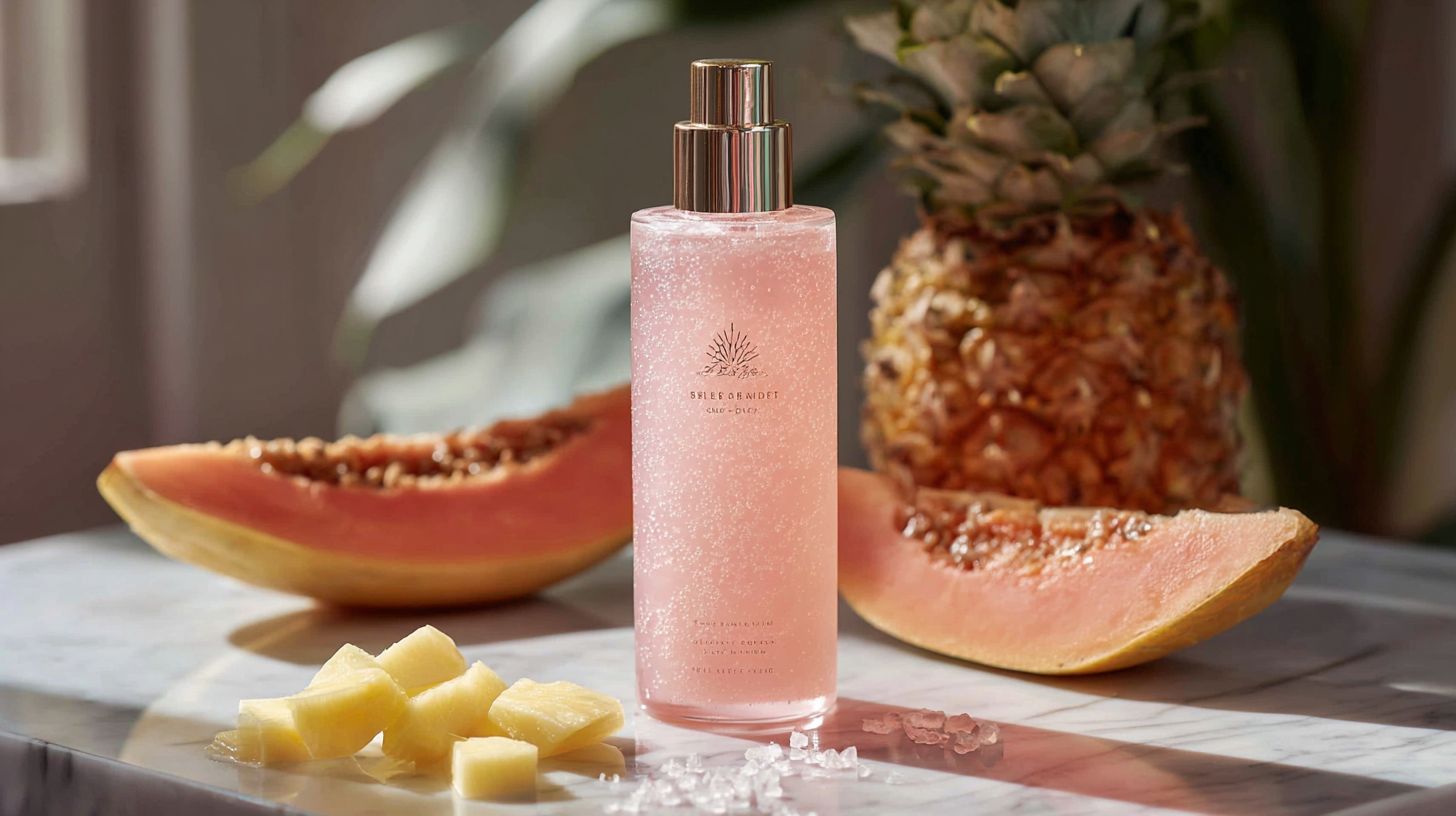
This table helps compare enzyme cleansers for your needs. Prices reflect standard retail, and sizes suit travel or full routines. Choose based on skin type for optimal results.
Enzyme cleansers are trending again because they offer targeted exfoliation without harsh scrubs. Test a small amount first to ensure compatibility. Track changes over two weeks.
How to Use Them Effectively
Maximize results with this targeted application protocol that enhances absorption and prevents common pitfalls. Enzyme cleansers work best when applied correctly to activate their gentle exfoliating power. Follow these steps for optimal results in your routine.
The entire process takes about 2 minutes daily, making it easy to incorporate. Use them 3-5 times per week to avoid over-exfoliation. Consistency helps reveal smoother skin over time.
- Dampen your face with lukewarm water for about 30 seconds. This preps the skin without shocking it.
- Apply a pea-sized amount to your fingertips. Note the texture: some form a light foam, while others stay as a smooth gel for even spread.
- Massage gently in circular motions for 30-60 seconds. Focus on the T-zone where buildup often occurs, like around the nose.
- Rinse with cool water. Pat dry with a soft towel to lock in hydration.
Avoid these common mistakes for best outcomes. Skip hot water, as it can deactivate the enzymes. Also, do not pair with a double cleanse routine, which might strip the skin too much.
Who Should Try Enzyme Cleansers
Enzyme cleansers suit sensitive, mature, and compromised skin types seeking gentle renewal without downtime. These formulas use natural enzymes like papaya or pineapple to dissolve dead skin softly. They avoid harsh scrubbing that can cause irritation.
People with acne-prone skin benefit most from non-inflamed types. Enzyme action clears pores without aggravating breakouts. Mature skin users notice smoother texture over time as buildup fades gently.
Those in post-treatment recovery, such as after peels or lasers, find relief here. Enzymes promote healing without stress on the barrier. Avoid if you have active eczema or very dry skin, as they may increase sensitivity.
Pair enzyme cleansers with a hydrating toner right after. This step locks in moisture and calms the skin. Users often report confidence in their glow without redness.
Quick Suitability Quiz
Answer these three questions to see if enzyme cleansers fit your routine.
- Does your skin feel tight or irritated after using scrubs? If yes, enzymes offer a gentler alternative.
- Do you have non-inflamed acne or mature skin with dullness? Enzymes target buildup without inflammation.
- Are you recovering from a treatment like a chemical peel? This method supports healing without downtime.
Mostly yes answers mean enzyme cleansers are worth trying. They build emotional confidence through consistent, redness-free results. Start with twice-weekly use to test tolerance.
Pairing for Best Results
Follow your enzyme cleanser with a hydrating toner to restore balance. Toners with hyaluronic acid or aloe soothe and plump the skin immediately. This combo prevents dryness common after cleansing.
For sensitive skin, choose alcohol-free toners. They enhance the enzyme’s glow while protecting the barrier. Mature users pair with ceramide-rich options for added firmness.
Frequently Asked Questions
What are enzyme cleansers, and why are they trending again?
Enzyme cleansers-are back in a big way, thanks to their gentle exfoliation using natural enzymes from fruits like papaya and pineapple. They’re trending again,-because they offer a non-abrasive alternative to harsh scrubs, suiting sensitive skin in our clean beauty era.
How do enzyme cleansers differ from chemical or physical exfoliants?
Unlike chemical exfoliants that use acids or physical ones with beads, enzyme cleansers-break down dead skin cells enzymatically. They’re gentler,-making them ideal for daily use without irritation.
Are enzyme cleansers suitable for all skin types?
Yes, enzyme cleansers-are versatile for oily, dry, or acne-prone skin. They’re especially popular again,-for rosacea or eczema sufferers seeking mild, effective cleansing.
How often should you use an enzyme cleanser?
Most experts recommend enzyme cleansers-2-3 times a week, but daily for oily skin. Their resurgence,-ties to K-beauty routines emphasizing gentle, consistent care.
Can enzyme cleansers help with blackheads and pores?
Absolutely, enzyme cleansers-digest sebum and debris clogging pores. They’re trending again,-as social media highlights before-and-afters showing clearer complexions.
What ingredients make enzyme cleansers effective?
Key players are papain from papaya and bromelain from pineapple in enzyme cleansers-. Clean formulations without sulfates fuel their comeback,-appealing to eco-conscious consumers.