

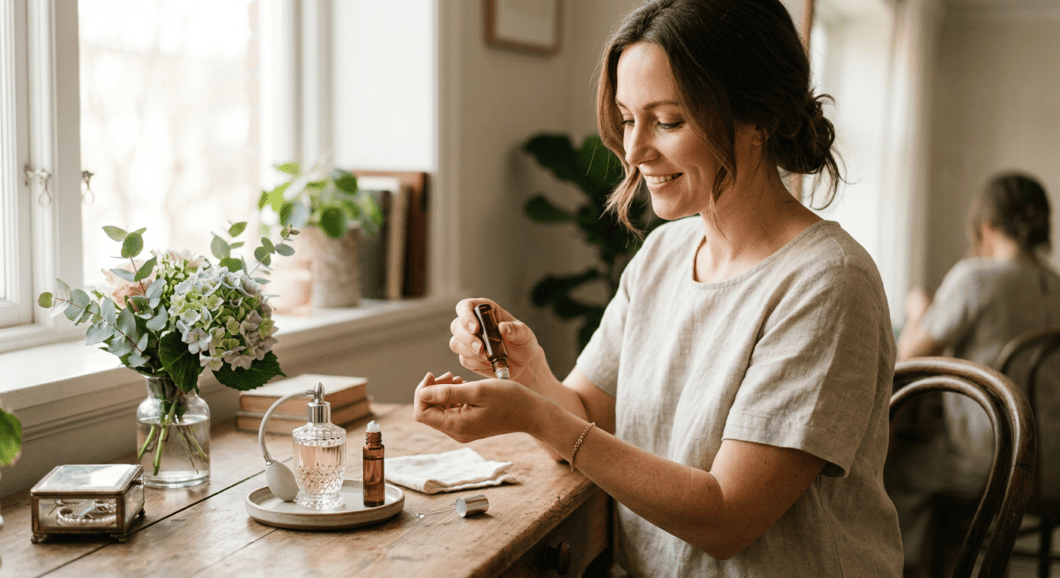
Two people can wear the same fragrance and smell completely different by the end of the day. A lot of that comes down to format, not the scent itself. The perfume oils vs. eau de parfum debate has moved out of niche fragrance forums and into everyday beauty routines, and the reasoning holds up: the format you choose changes how a scent wears, projects, and lasts. Fewer people are picking a side. They’re learning to use both.
If your signature scent fades by lunch or takes over a small elevator, the fix usually comes down to concentration and base. This guide breaks down the differences so you can build a smarter fragrance wardrobe.
What Are Perfume Oils?
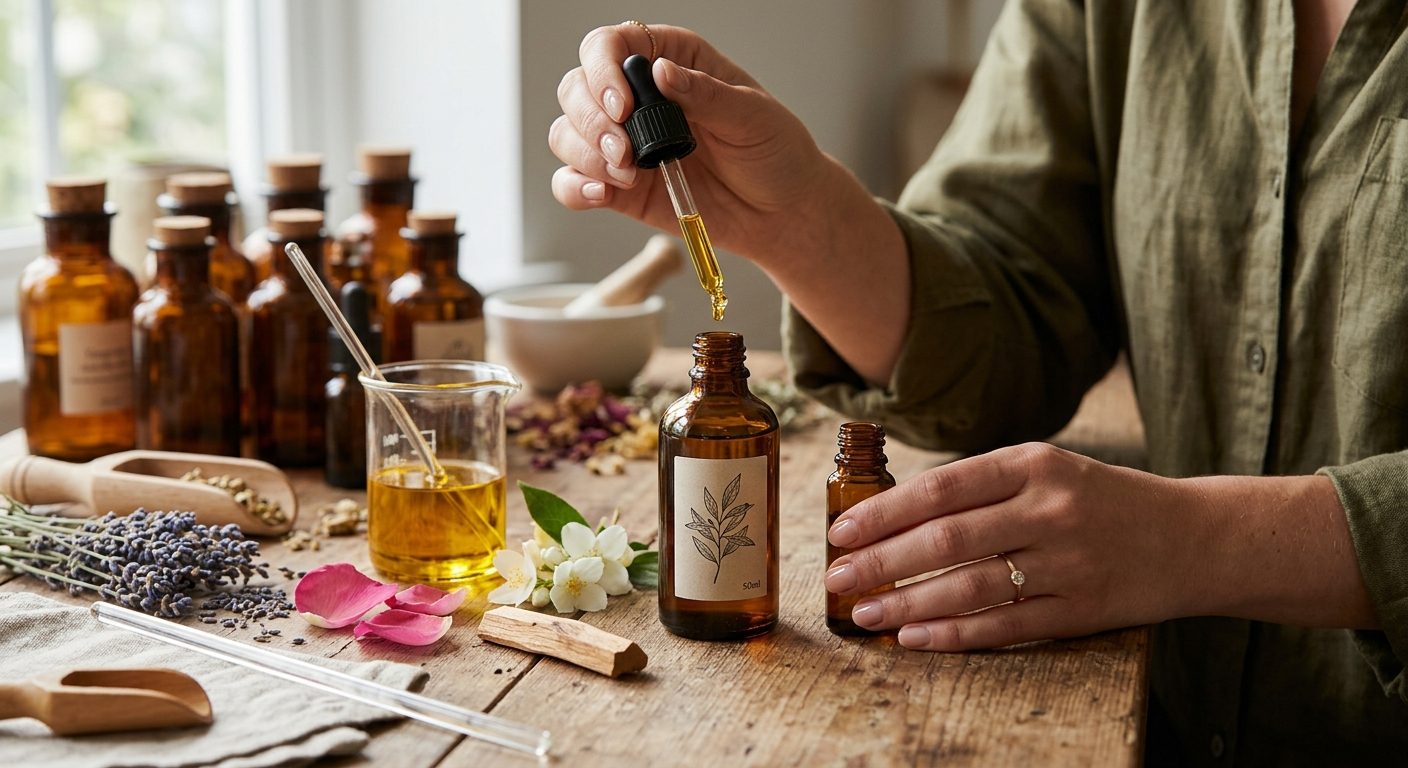
Perfume oil is a concentrated fragrance suspended in a carrier oil rather than alcohol. It usually blends essential and fragrance oils that capture a scent’s essence, then delivers it directly to the skin without the sharp evaporation alcohol creates, according to Homecourt.
With no alcohol to flash off, oils sit close to the skin and release gradually. Fragrance enthusiasts call the result a “scent bubble” — an intimate cloud that others tend to notice only when they lean in.
Key Traits of Perfume Oils
- High concentration: Oils carry a dense aromatic load, which is why a little goes a long way.
- Alcohol-free: A better fit for sensitive or dry skin that alcohol can irritate.
- Slow diffusion: They warm gradually on the skin for a more personal experience.
- Lower projection: The trail stays subtle, which suits close settings and daytime wear.
Oil-based systems fit a broader 2026 shift toward “skin-affinity” and personal rituals over performative projection, as noted by fragrance house O&3.
What Is Eau de Parfum?
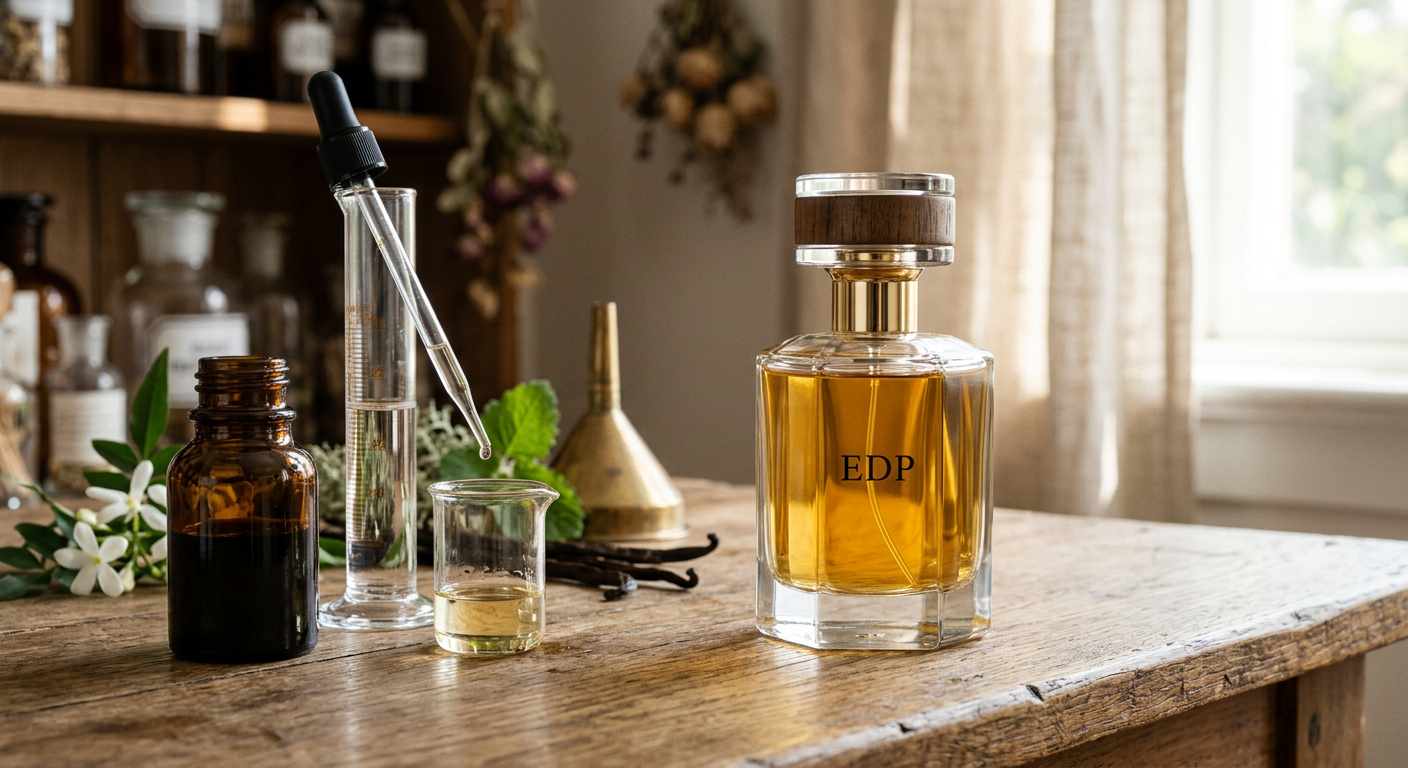
Eau de parfum (EDP) mixes fragrance oils with alcohol and a small amount of water. The alcohol base is what defines it. It carries the scent up and out from the skin, creating noticeable projection and a trail that follows you through a room.
EDP sits in the middle of the concentration scale, stronger than eau de toilette (EDT) but lighter than pure parfum. It holds roughly a 15–20% aromatic load, compared with EDT’s 5–15% and parfum’s 20–40%, per Scento’s 2026 consumer data.
How Eau de Parfum Wears
An EDP peaks right after you spray it, then evolves as the alcohol evaporates and the heart and base notes emerge. The scent you smell at hour one differs from what lingers at hour six. If you like watching a fragrance develop across a full day, that shift is half the appeal.
EDP suits evenings, events, and any setting where you want the scent to announce itself. It’s also the industry’s dominant format, having “rewired the EDP-versus-EDT category split decisively” as buyers prioritize longevity.
Perfume Oils vs. Eau de Parfum: Side-by-Side Comparison
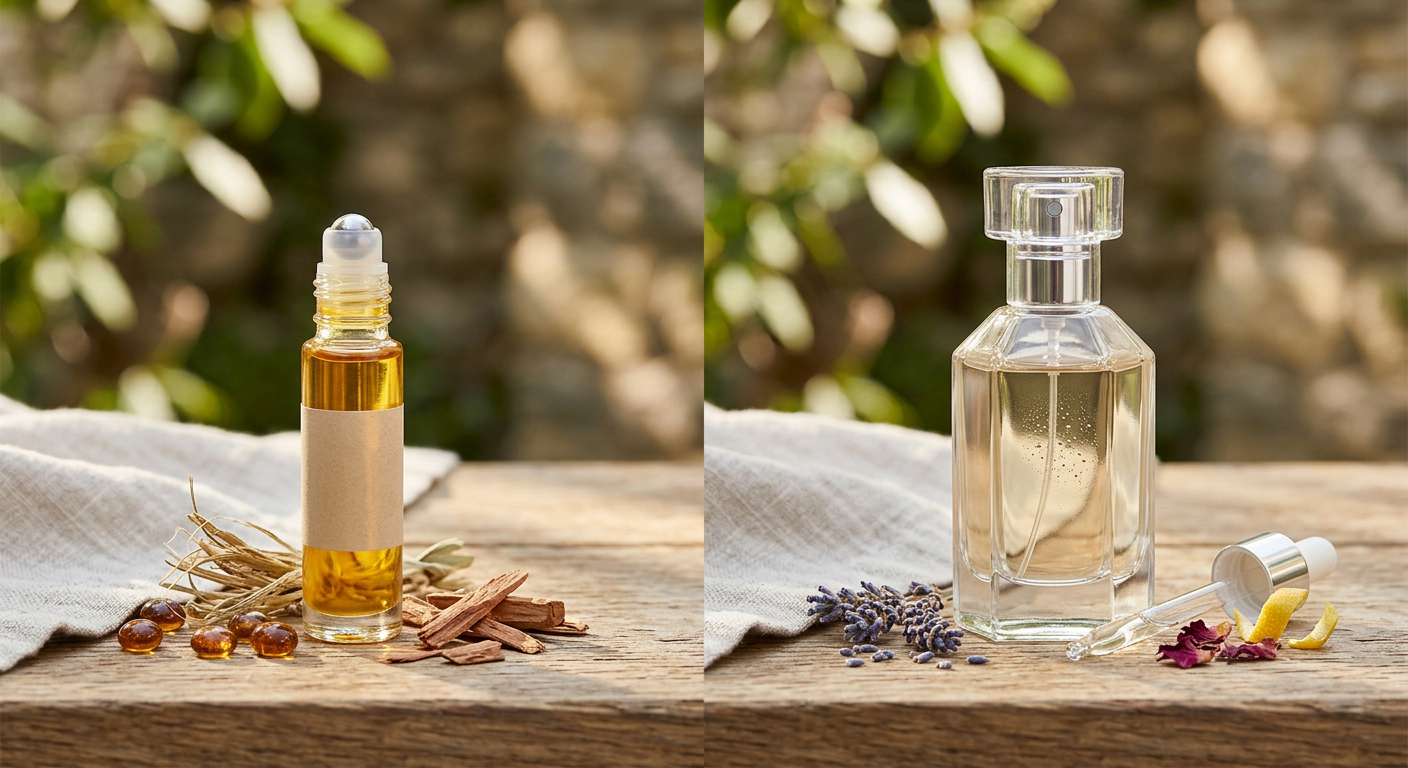
Here is how the two formats stack up across the factors that matter most.
| Factor | Perfume Oil | Eau de Parfum |
|---|---|---|
| Base | Carrier oil (alcohol-free) | Alcohol and water |
| Aromatic concentration | Very high | Moderate-high (15–20%) |
| Projection | Low, close to skin | High, fills a room |
| Sillage (trail) | Subtle | Noticeable |
| Longevity | Long, steady | Strong start, gradual fade |
| Best for | Daytime, intimate settings, reapplication | Evenings, events, statement wear |
| Skin sensitivity | Gentle, good for dry/sensitive skin | Can dry or irritate sensitive skin |
| Cost per use | Often lower | Often higher |
| Scent evolution | Slower, more linear | Dynamic top-to-base progression |
The Longevity Question
Both formats can last. They just behave differently. Oil clings to the skin and releases slowly, giving a steady, even wear. EDP starts loud and softens as the alcohol burns off, which can feel like it fades faster even when residual notes are still there.
Cost and Value: What You Actually Pay Per Wear
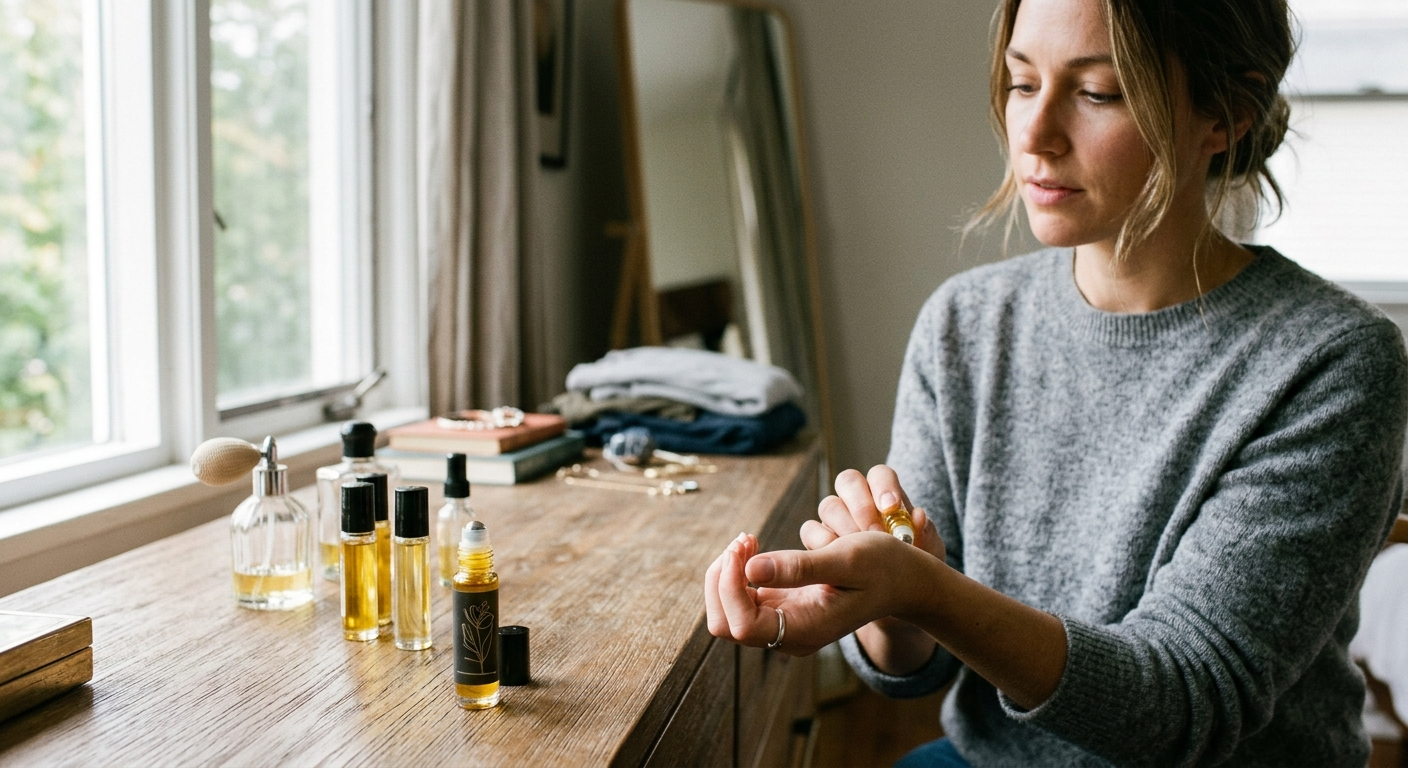
Perfume oils are generally cheaper and more concentrated, according to community consensus on Reddit’s Indiemakeupandmore. A dense aromatic load means you use less product per application, so a bottle stretches further.
EDP often carries a higher sticker price, but concentration changes the math. Scento’s research shows per-wear cost actually falls as concentration rises, even when the upfront price climbs, because you get more wear hours per spray.
A Practical Way to Test Value
Sample before you commit to a full bottle in either format. Decant retailers now sell 2ml, 5ml, and 8ml vials from hundreds of designer and niche houses, so you can wear-test longevity and projection before paying full price. Sample first, then commit — it’s the dominant 2026 buying pattern.
Why Beauty Lovers Are Wearing Both
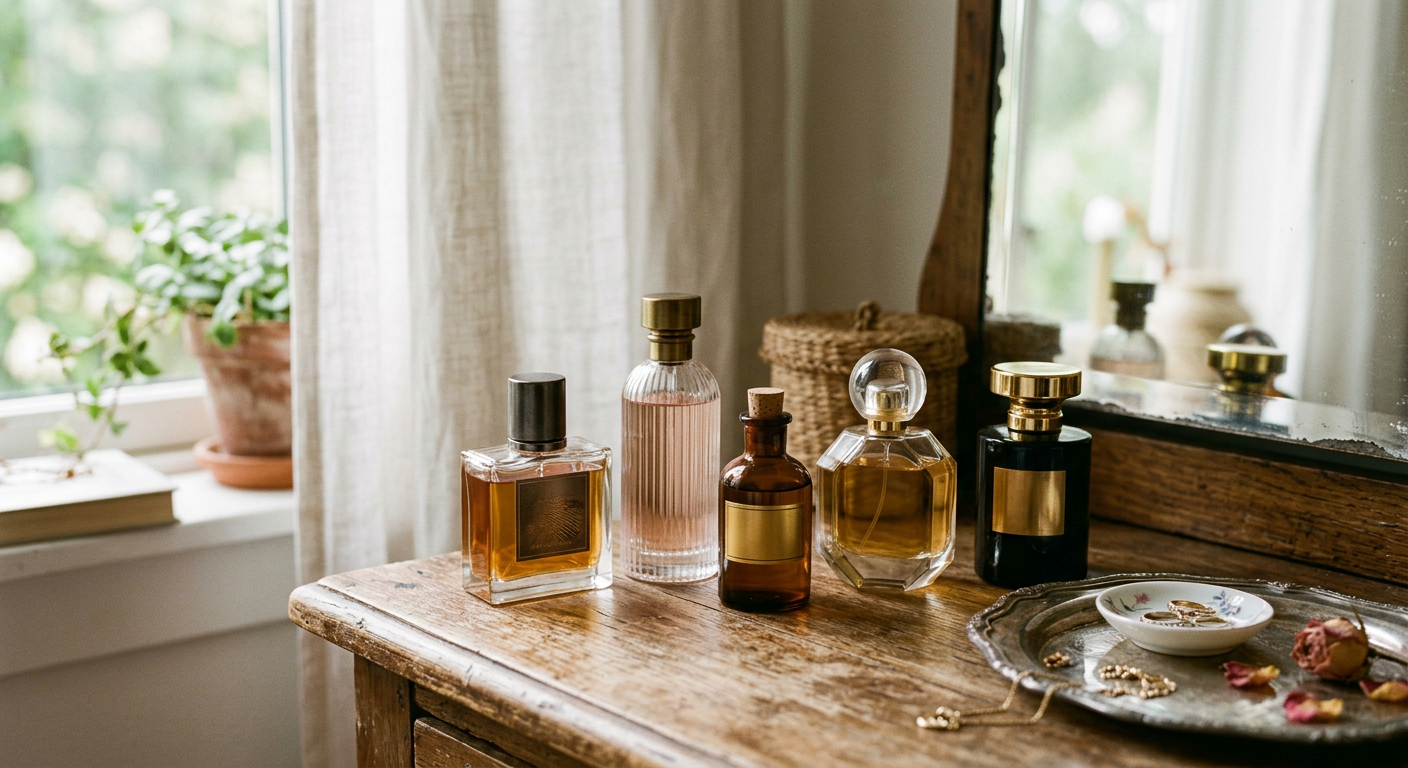
The one-signature-scent model is fading. A growing number of buyers now build a wardrobe of five to ten fragrances and rotate them by mood, season, and occasion, per Scento’s behavioral data.
Format slots neatly into that mindset. You might reach for a perfume oil during a workday or a close-contact dinner, then switch to an EDP for a night out where projection works in your favor. LuLu & Oliver puts it well: oils suit daytime intimacy and easy reapplication, while EDP creates a more expansive evening experience.
Layering Is the Bridge
Vogue’s 2026 fragrance trends describe “a real spirit of play,” with consumers treating fragrance like an accessory they shift with mood and moment. Layering an oil under an EDP is one of the clearest examples. The oil anchors the scent to your skin and extends wear; the EDP adds projection and a top-note lift.
When you layer, keep the scent families compatible and apply with a light hand. A heavy combination can overwhelm the people around you in an enclosed space.
How to Choose the Right Format for You

Start with your setting and your skin. If you spend your days in offices, meetings, or close quarters, an oil’s intimate wear is an asset. If you want a fragrance that fills a space and evolves across the evening, EDP delivers.
Skin type matters too. Alcohol can dry out or irritate sensitive skin, so oils are often the gentler choice. Dry skin also loses fragrance faster, which makes oil’s steady release a practical advantage.
A Quick Decision Guide
- Choose perfume oil if you want: subtlety, gentle wear, alcohol-free formulas, and easy reapplication.
- Choose eau de parfum if you want: projection, a noticeable trail, dynamic note evolution, and statement wear.
- Choose both if you want: flexibility to match your fragrance to any moment, plus the option to layer.
Conclusion
The perfume oils vs. eau de parfum question has no single winner. Oils offer intimate, alcohol-free, long-steady wear at a lower cost per use; EDP delivers projection, evolution, and presence. The trick is using each where it performs best.
Your next step: sample both formats of a scent you love, ideally through affordable decants, and pay attention to how each wears on your skin across a full day. Build a small wardrobe, experiment with layering, and let the occasion guide your choice.
FAQ
Q: Which lasts longer, perfume oil or eau de parfum?
Perfume oil typically offers steadier, longer wear because it clings to the skin and releases slowly without alcohol. EDP starts strong but softens as the alcohol evaporates, so it can feel like it fades faster even when base notes remain.
Q: Are perfume oils better for sensitive skin?
Generally, yes. Perfume oils are alcohol-free, which makes them gentler on sensitive or dry skin that alcohol can irritate or dry out. Always patch-test any new fragrance product first.
Q: Can you layer perfume oil and eau de parfum together?
Yes, and it’s a popular technique. Apply the oil first to anchor the scent and extend longevity, then add EDP for projection. Keep the scent families compatible and avoid over-applying in enclosed spaces.
Q: Why do perfume oils project less than eau de parfum?
Oils lack the alcohol base that lifts and diffuses fragrance into the air. Instead, they warm gradually on the skin, creating a close, intimate “scent bubble” rather than a room-filling trail.
Q: Is perfume oil more cost-effective than eau de parfum?
Often, yes. Perfume oils are usually cheaper and more concentrated, so you use less per application. Even with EDP, higher concentration lowers the per-wear cost over time.
Q: How should I test both formats before buying a full bottle?
Buy small decants in 2ml, 5ml, or 8ml sizes to wear-test each format on your own skin. This lets you compare longevity and projection across a full day before committing to a full-size purchase.