

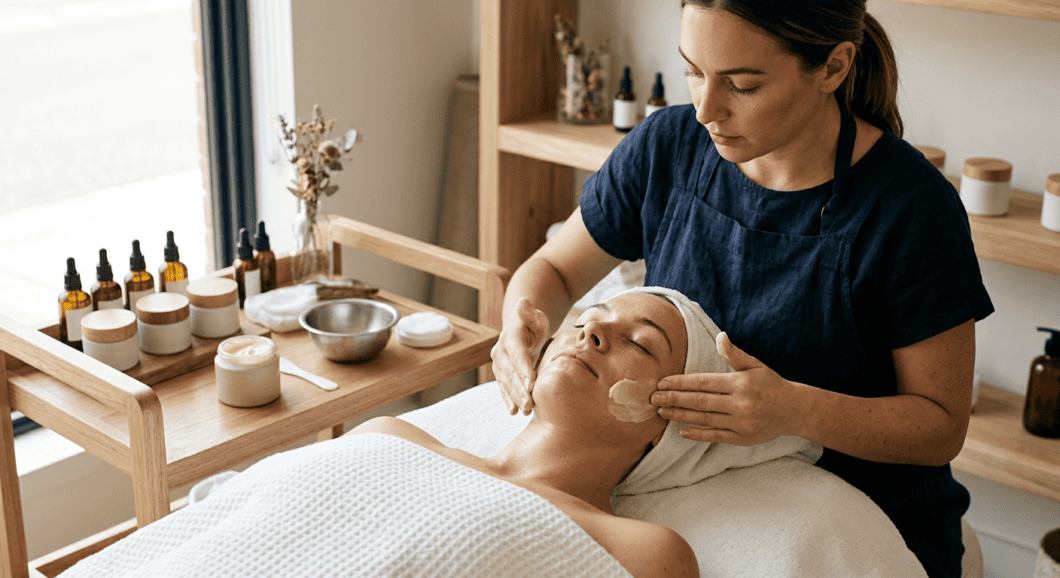
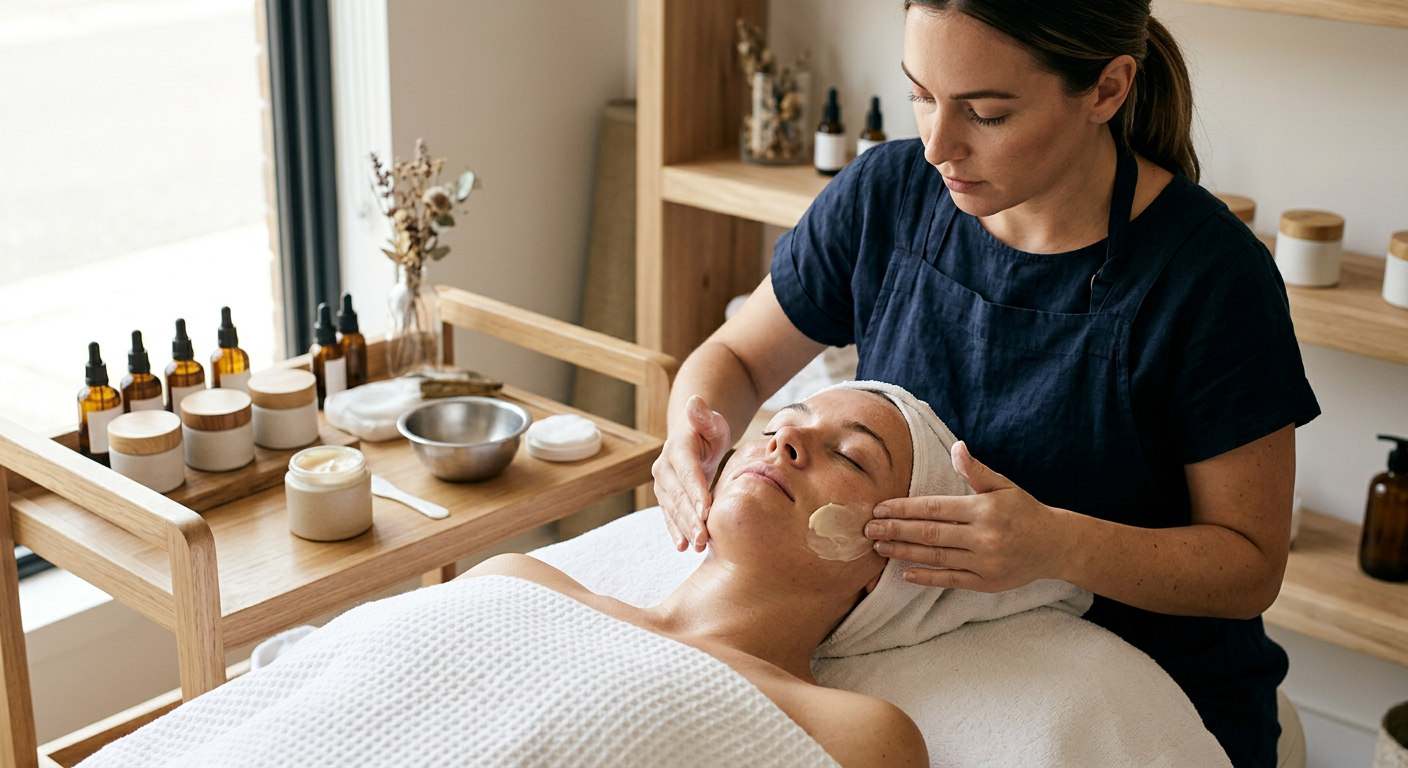
Your skin barrier does more work than any serum in your cabinet, and the beauty industry has finally caught up. After years of chasing stronger acids, aggressive peels, and daily exfoliation, people are pivoting toward products that protect and heal instead. Barrier repair has moved from niche dermatology advice to the dominant force in skincare, and it shows no sign of slowing in 2026. This isn’t a passing fad. It reflects a change in how people define healthy skin in the first place.
What the Skin Barrier Actually Does
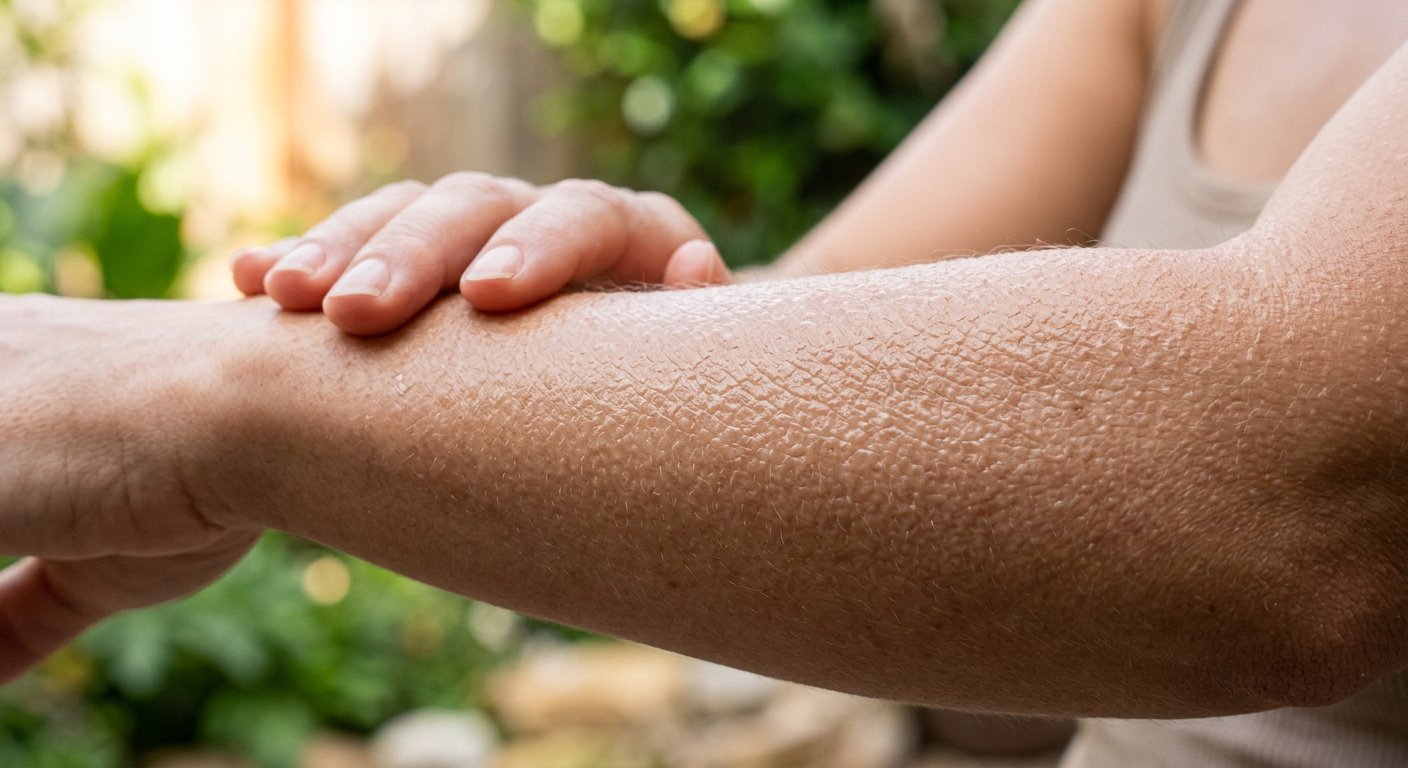
The skin barrier is the outermost layer of your skin, technically the stratum corneum. Picture a brick wall: skin cells are the bricks, and lipids like ceramides, cholesterol, and fatty acids are the mortar holding everything together.
That structure does two jobs at once. It locks moisture in and keeps irritants, bacteria, and pollution out. When the barrier works, skin looks calm, hydrated, and resilient.
When it breaks down, you get redness, flaking, stinging, tightness, and breakouts that seem to appear from nowhere. According to Box of FE, a healthy barrier means skin holds moisture better, makeup sits smoother, and inflammation calms down. Barrier health now anchors most modern routines.
Why Barrier Repair Became the Biggest Trend
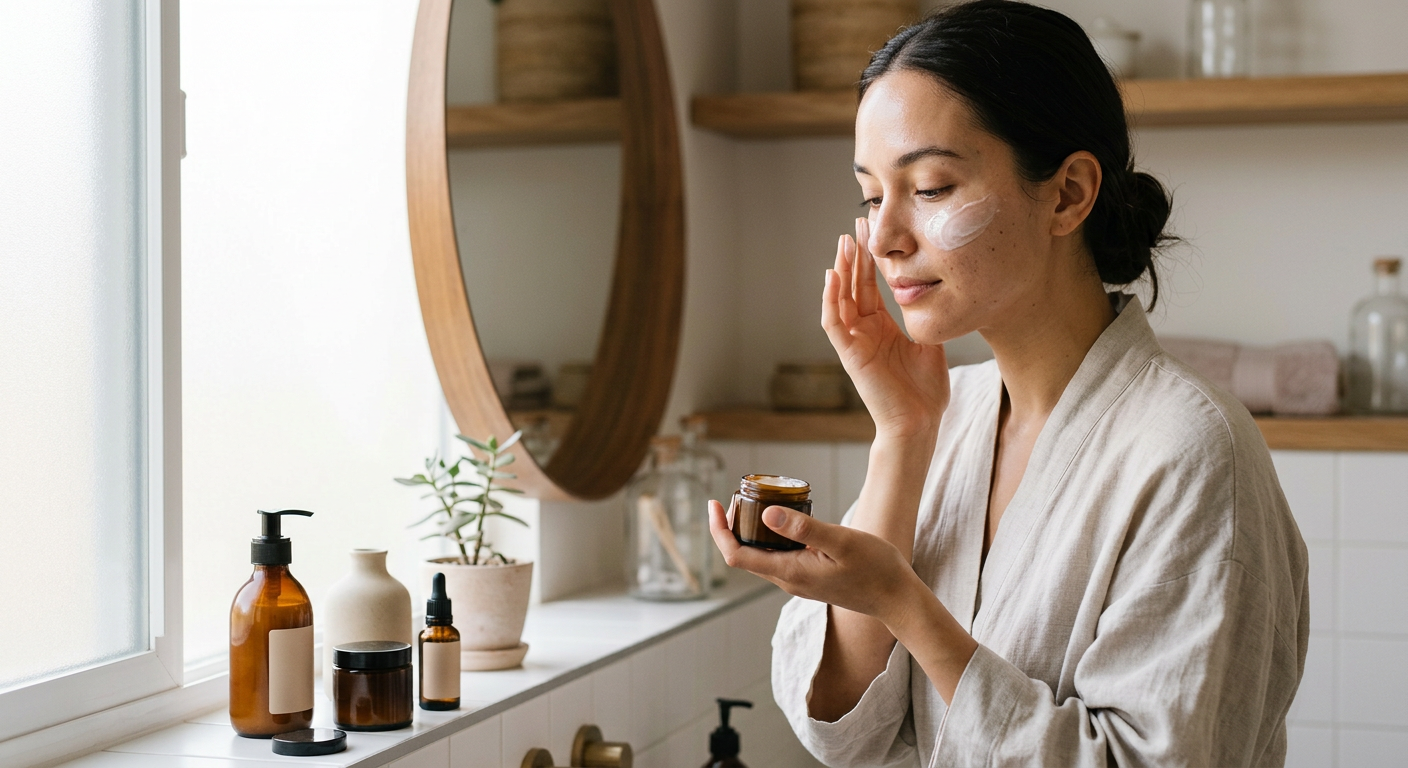
The trend grew out of a problem the industry created. For a decade, skincare culture pushed more actives, more exfoliation, more intense treatments. A lot of people ended up with cracked, angry, over-processed skin.
Allure reported that as stratum corneums grew compromised, the industry swung toward ceramide-rich balms and peptide-packed serums to cushion the damage. Search interest tells the same story. “Slugging” searches peaked in July 2023, while “barrier repair” has held strong, hitting a high in January.
People are now aware of how stress, over-exfoliation, environmental damage, and daily habits affect their skin. As Pravada Private Label notes, shoppers want products that support long-term skin health instead of quick fixes.
A Shift Toward Fewer, Better Products
The trend also tracks a broader move toward minimalism. Women 35 and older especially are trading cabinets full of aggressive actives for a handful of hero products, according to Intimia. The message is simple: healthy skin doesn’t need to be stripped. It needs to be supported.
The Ingredients Driving Barrier Repair
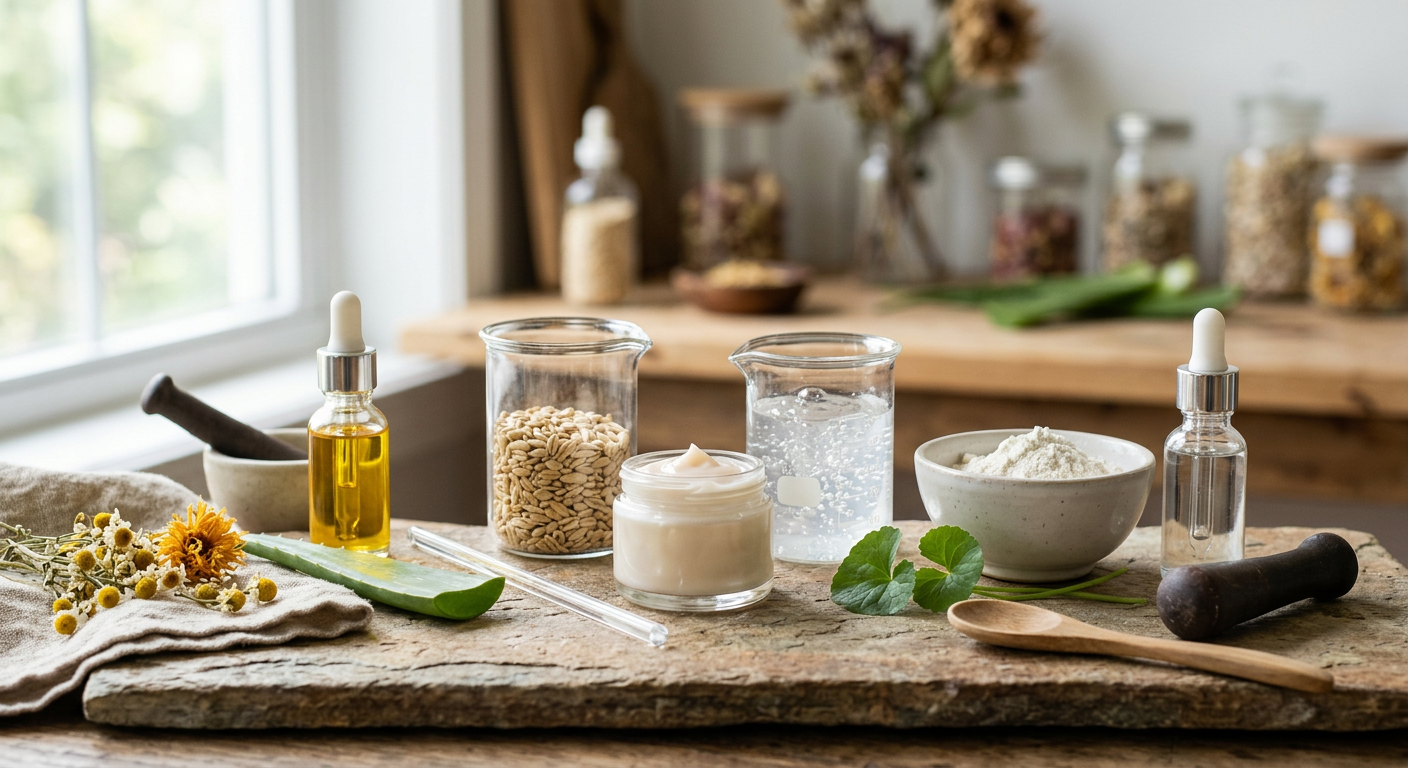
Not every barrier product delivers. The formulas that work rely on ingredients that mimic or replenish the skin’s own components. Here is how the key players compare.
| Ingredient | Primary Function | Best For |
|---|---|---|
| Ceramides | Rebuild lipid “mortar” between skin cells | Dryness, sensitivity, compromised barriers |
| Niacinamide | Boost ceramide production, calm inflammation | Redness, uneven tone, oiliness |
| Hyaluronic acid | Draw and hold water in the skin | Dehydration, plumping |
| Cholesterol + fatty acids | Complete the lipid ratio for repair | Mature or severely dry skin |
| Panthenol (B5) | Soothe and support healing | Irritation, post-treatment recovery |
| Centella asiatica | Calm inflammation, aid recovery | Sensitive, reactive skin |
The gold standard combines ceramides, cholesterol, and fatty acids in roughly a 3:1:1 ratio, which mirrors the skin’s natural lipid profile. Formulas that pair these with soothing agents like panthenol or centella tend to outperform single-ingredient products.
Newer biotech ingredients are pushing the category further. Kskinmall points to exosomes, PDRN, and microbiome-friendly formulations as the next wave of barrier-focused innovation.
Habits That Wreck Your Barrier
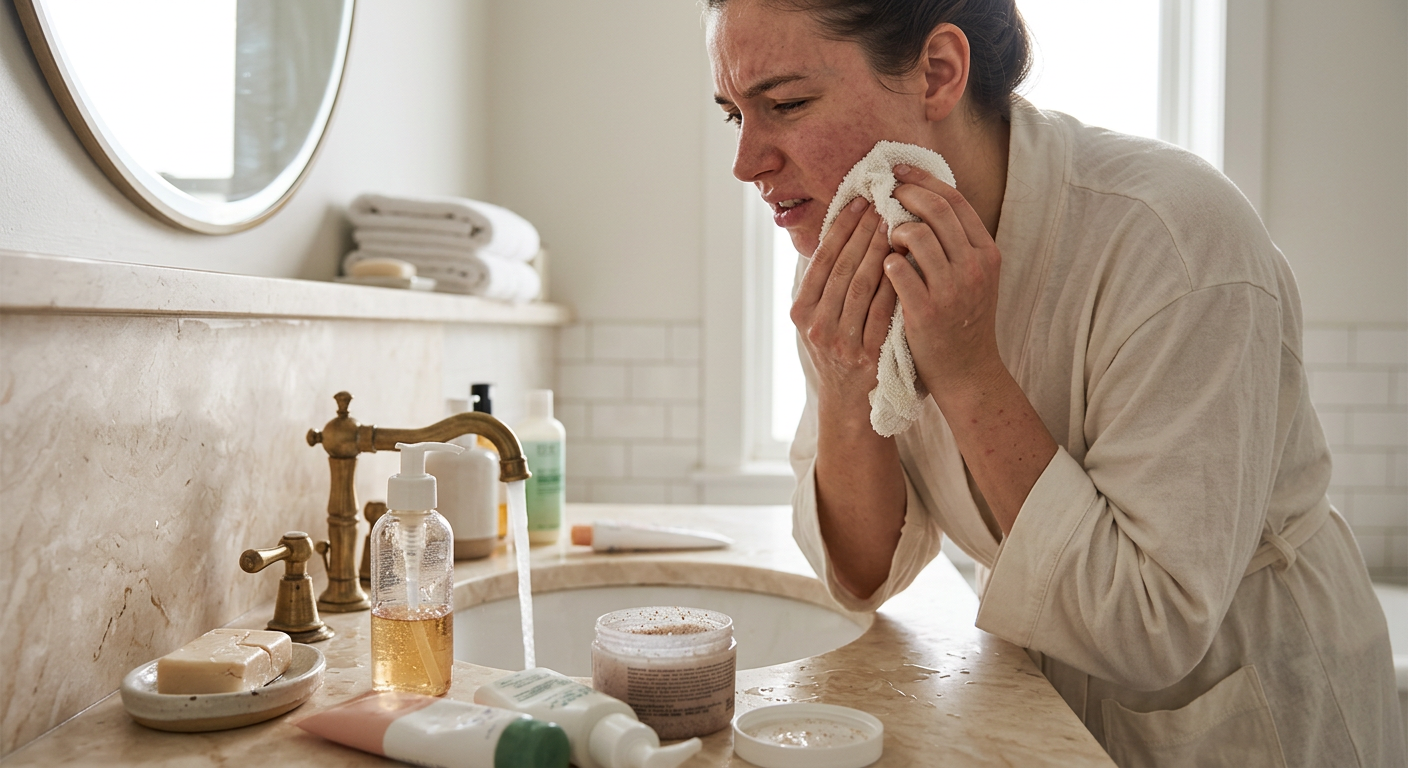
The best product can’t fix a routine that keeps damaging your skin. Barrier repair starts with removing the things that break it down in the first place.
The most common culprit is harsh cleansing. Spectrum Dermatology warns that sulfate-based foaming cleansers, cleansing devices used too aggressively, and hot water all disrupt the barrier’s lipid structure. People with acne or oily skin often over-cleanse, which makes the problem worse.
Signs Your Barrier Is Compromised
Watch for these warning signs before you add more actives:
- Persistent redness or blotchiness
- Tightness or dryness even after moisturizing
- Stinging when you apply products that used to feel fine
- Increased sensitivity or reactivity
- Flaking, rough texture, or dull skin
- Breakouts that show up alongside dryness
If several of these sound familiar, the answer isn’t another treatment. Pull back, simplify, and focus on repair.
How to Build a Barrier-Repair Routine
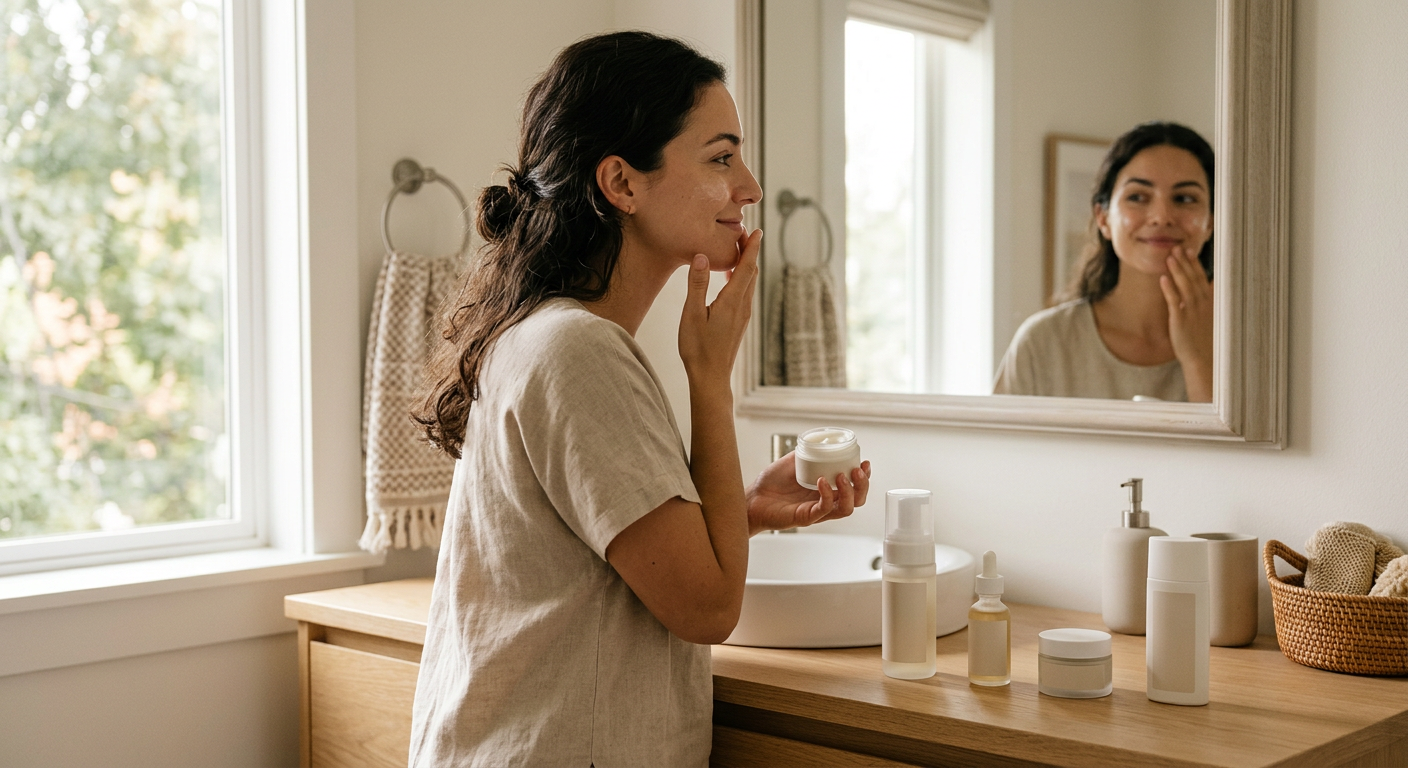
A repair-focused routine is simple. You don’t need ten steps. You need the right ones in the right order.
Start with a gentle, non-foaming or low-sulfate cleanser and lukewarm water. Follow with a hydrating step using humectants like hyaluronic acid or glycerin on damp skin. Then seal everything with a barrier moisturizer rich in ceramides, cholesterol, and fatty acids.
During active repair, pause retinoids, strong acids, and physical scrubs for two to four weeks. Reintroduce them slowly, one at a time, once your skin feels calm again. Daily sunscreen is non-negotiable, since UV exposure directly degrades barrier function.
A Simple Barrier-Repair Framework
- Cleanse gently – lukewarm water, no harsh surfactants
- Hydrate – apply humectants to damp skin
- Seal – lock in moisture with a lipid-rich moisturizer
- Protect – broad-spectrum SPF every morning
- Pause actives – rest exfoliants until skin recovers
Consistency matters more than intensity. Most people see visible improvement in barrier function within two to four weeks of a gentle routine.
Why This Trend Has Staying Power

Barrier repair isn’t following the usual trend cycle. Unlike viral ingredients that spike and fade, it addresses a structural problem in how people care for their skin.
Rojé Natural Skincare frames it as a shift away from aggressive exfoliation toward healing, lipid-rich formulations. The rise of minimal routines and protective oils comes back to the same idea: healthy skin needs support, not stripping.
The category is also expanding beyond the face. Guides now cover barrier repair for the chest, neck, and body, and the “skinification” of haircare applies the same logic to scalp health. As biotech and microbiome science mature, barrier repair looks set to become the default framework rather than a specialty niche.
Conclusion
Barrier repair remains the biggest skincare trend because it fixes the root cause of most skin complaints rather than masking symptoms. A strong barrier keeps moisture in, irritants out, and inflammation low, which is why ceramides, niacinamide, and lipid-rich moisturizers now anchor the smartest routines.
The takeaway is simple: stop over-cleansing, pause the aggressive actives, and prioritize gentle, supportive formulas. Audit your current routine this week, cut anything that leaves your skin tight or stinging, and add a ceramide-based moisturizer. Over a few weeks, your skin will hold hydration better, look calmer, and grow more resilient.
Frequently Asked Questions
Q: How long does it take to repair a damaged skin barrier?
Most people see noticeable improvement within two to four weeks of a gentle, supportive routine. Severely compromised barriers may take six weeks or longer, especially if you keep removing irritating products during recovery.
Q: Can I still use retinol during barrier repair?
Pause retinol and other strong actives while your barrier heals, usually for two to four weeks. Reintroduce them slowly, one at a time, once your skin feels calm and stops stinging.
Q: What is the most important ingredient for barrier repair?
Ceramides are the standout, since they rebuild the lipids that hold your skin cells together. They work best combined with cholesterol and fatty acids in a ratio that mirrors your skin’s natural profile.
Q: How do I know if my skin barrier is damaged?
Look for redness, tightness, stinging when you apply products, increased sensitivity, and flaking. If products that once felt fine now cause discomfort, your barrier is likely compromised.
Q: Is barrier repair only for people with dry or sensitive skin?
No. Oily and acne-prone skin benefits too, since over-cleansing and harsh actives damage the barrier and can worsen breakouts. A healthy barrier supports balance across all skin types.
Q: Will barrier repair still be relevant after 2026?
Yes. Barrier repair reflects a lasting shift toward supporting skin health rather than a passing ingredient fad, and emerging biotech and microbiome research keep building on the same foundation.