

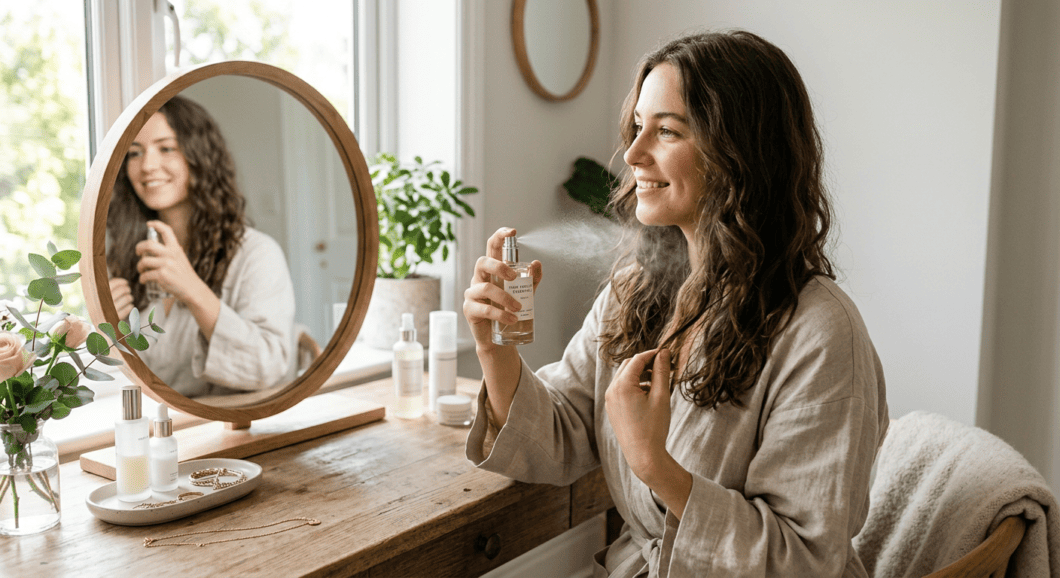
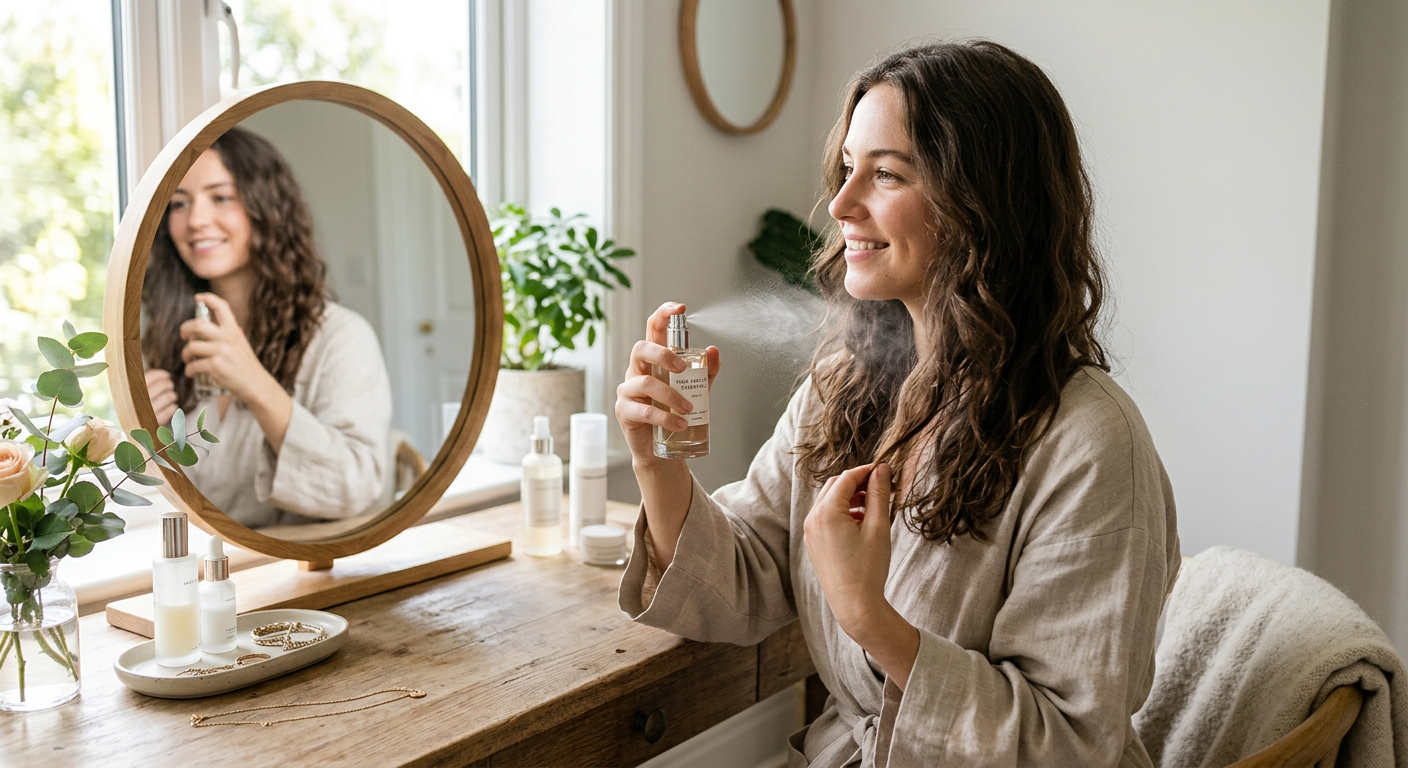
Spray your favorite perfume on your wrist, and by lunchtime it’s gone. Spray it in your hair, and it’s still there when you leave work. That gap explains why hair perfumes have moved from niche curiosity to a bottle people keep next to their regular fragrance. Hair holds scent longer than skin, and shoppers have caught on. The global hair perfume and hair mist market is projected to grow from USD 0.36 billion in 2026 to USD 0.88 billion by 2035, a compound annual growth rate of 14% according to Business Research Insights.
What Hair Perfume Actually Is
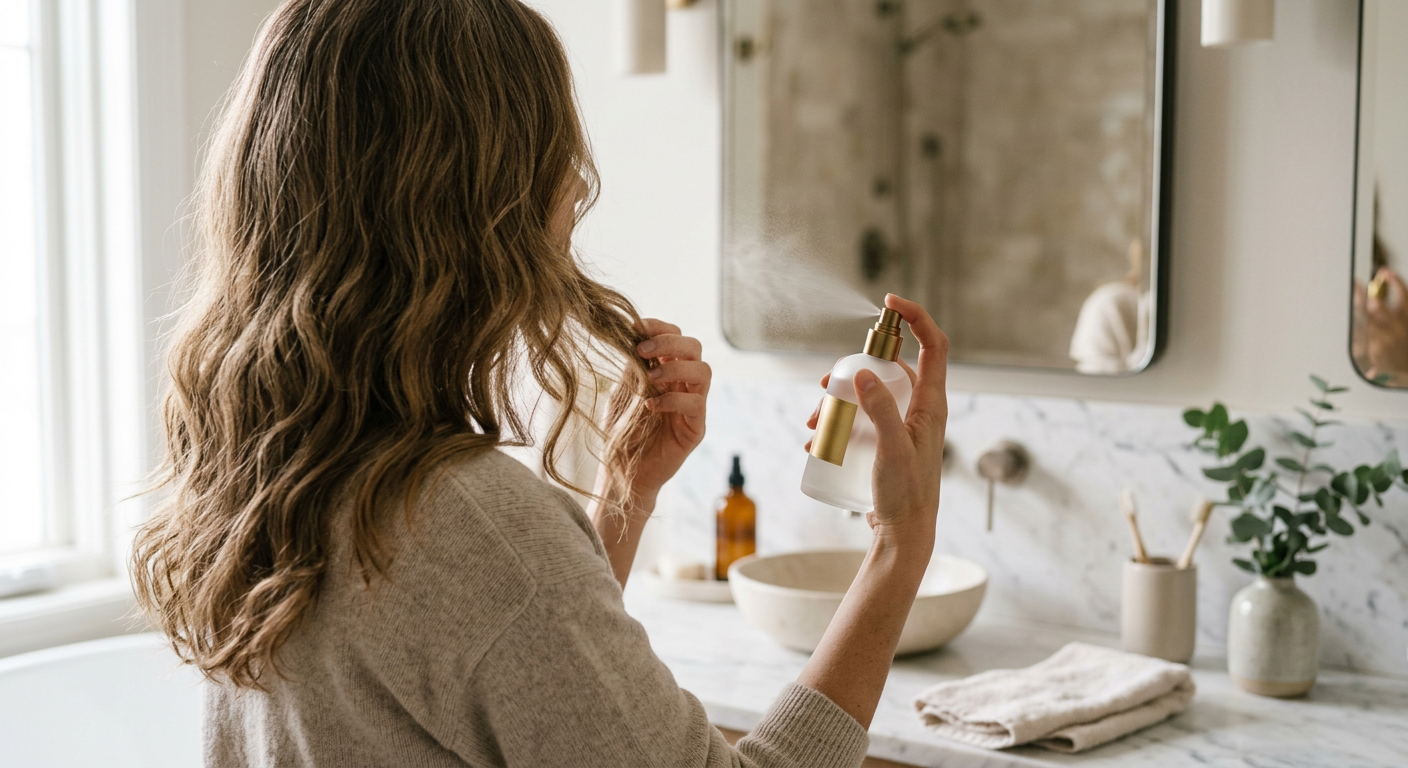
Hair perfume is a lightly scented spray made for hair rather than skin. It usually contains less alcohol than a traditional eau de parfum, plus conditioning agents and sometimes UV or heat protectants to keep it from drying out your strands.
The category covers two overlapping products: hair perfume and hair mist. Mists tend to be lighter and more hydrating. Perfumes lean toward stronger, longer-lasting scent. Plenty of brands use the two terms interchangeably, but the functional difference is worth knowing before you spend money on one.
Part of the appeal is simple chemistry. As fragrance experts told Vogue, “scent lives differently and for longer in hair than it does on the skin.” Hair fibers are porous and they move around all day, so they release fragrance gradually with every turn of your head.
Why Hair Perfumes Are Gaining Ground
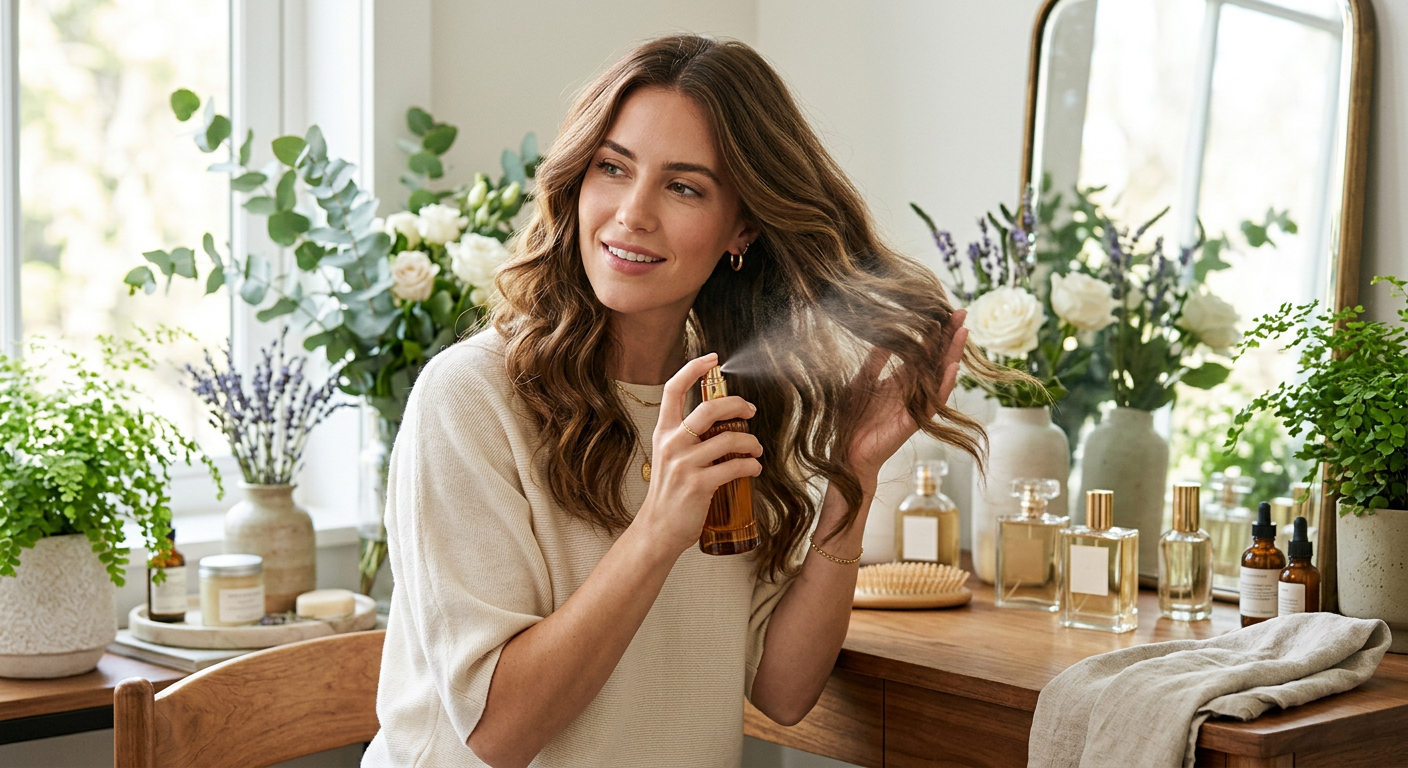
Several trends are pushing hair fragrance into everyday routines at once. Fragrance layering is one. Around 65% of U.S. consumers now go beyond a single scent, applying fragrance across body, hair, and personal care products, according to Scento’s 2026 perfume statistics.
Gen Z spending is another. Fragrance spending among younger consumers rose 26% in 2024, and platforms like TikTok have amplified interest in scenting hair specifically. Someone discovers their perfume lasts longer sprayed in their hair, posts about it, and the idea spreads.
The practical side matters too. Hair perfumes mask cooking odors, smoke, and gym smells that cling to hair and don’t wash out with a quick rinse. They also refresh second-day hair without a full wash, which fits the wider move toward washing less often.
The Salon and Retail Push
Hair fragrance has become a standard product in professional salons, not just a consumer add-on. Industry analysis from Sevich notes that professional buyers now treat hair perfume as a reliable growth category rather than a novelty. Private-label hair fragrance has become a key B2B trend, letting salons and brands sell signature scents under their own name.
Hair Perfume vs. Traditional Perfume vs. Hair Mist
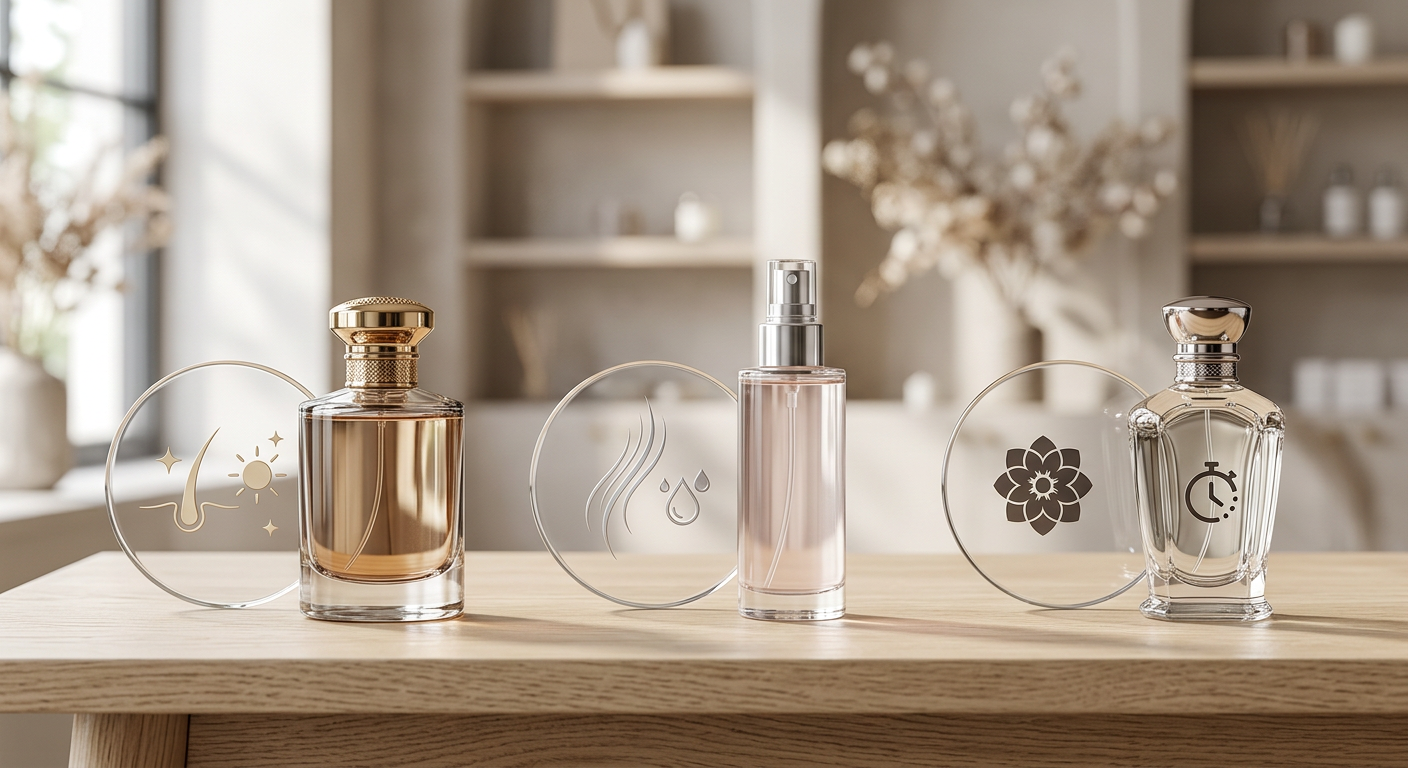
The differences are easier to see side by side.
| Feature | Hair Perfume | Hair Mist | Traditional Perfume |
|---|---|---|---|
| Primary surface | Hair | Hair | Skin |
| Alcohol content | Low to moderate | Low or alcohol-free | Moderate to high |
| Conditioning agents | Often included | Usually included | Rarely included |
| Scent longevity | Long | Moderate | Moderate on skin |
| Hydration | Some | High | None |
| Best for | All-day hair scent | Light refresh + moisture | Pulse-point application |
If you want scent that lasts and hair that stays healthy, a dedicated hair product beats spraying regular perfume on your strands. High-alcohol formulas dry out hair over time, which is why alcohol-free and gentler formulas keep gaining ground.
How to Use Hair Perfume Effectively
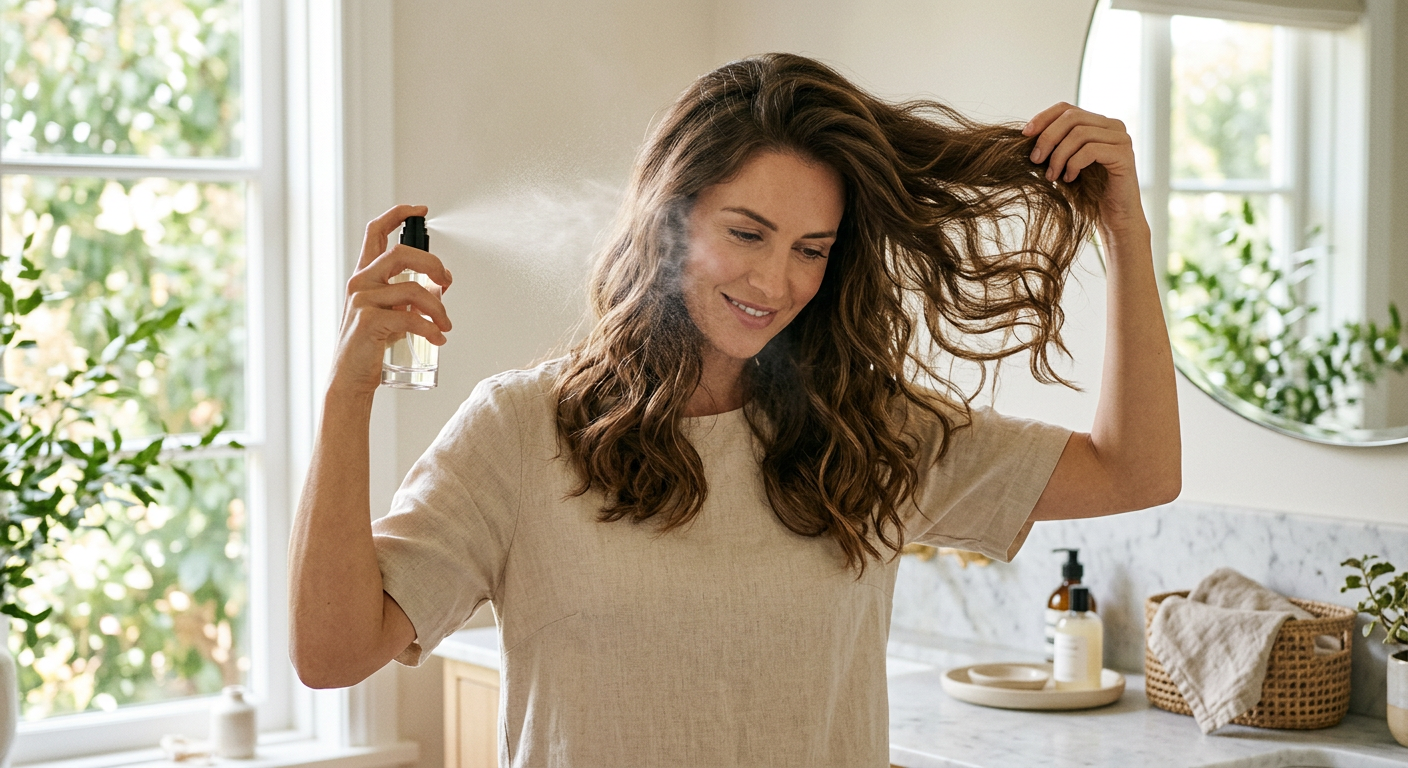
Technique makes the difference between a product that works and one that sits in a drawer. A few habits help.
- Spray from a distance. Hold the bottle 8 to 10 inches from your hair for even, fine coverage.
- Target mid-lengths and ends. Skip the scalp, which can feel greasy and irritate skin.
- Apply to clean, dry hair. Fragrance binds to dry strands better than damp ones.
- Layer with your body fragrance. Match or complement your skin scent so the two don’t fight.
- Use fine-mist packaging. A fine mist covers more surface with less product, so the bottle lasts longer.
Reapplying carries little risk, since hair perfumes are made to be gentler than skin fragrance. A midday refresh at your desk or a quick spray before dinner does no harm.
Choosing the Right Scent Profile
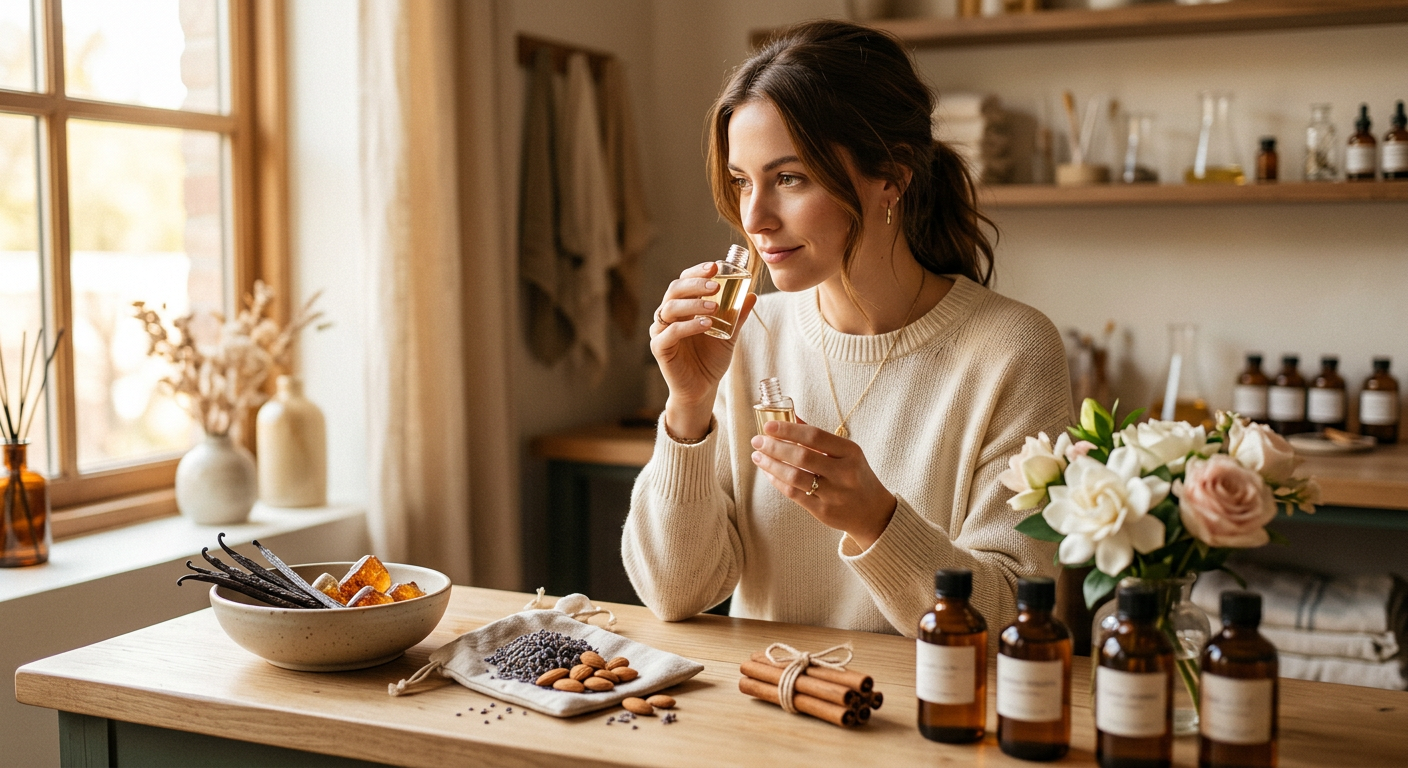
Scent preference is personal, but the 2026 trends give you a starting point. Sweet, comforting notes like caramel and vanilla are driving a lot of demand right now. Searches for floral fragrances jumped 225%, per Scento.
Within hair fragrance specifically, the market splits mostly into fruit and flower profiles, according to Business Research Insights. Fruity scents read fresh and youthful. Florals feel elegant and versatile. Vanilla-forward hair perfumes stay popular because they layer well with almost anything you already wear.
Matching Scent to Occasion
Lighter, fresher scents suit daytime and work, where subtlety matters. Save the richer, sweeter, or muskier profiles for evenings and colder months, when heavier notes make sense. Already wear a signature perfume? Pick a hair scent in the same family so the two don’t clash.
The Market Outlook for Hair Fragrance
The numbers point to steady expansion. The hair perfume and hair mist market’s 14% CAGR through 2035 outpaces the broader perfume industry’s roughly 8% annual growth, according to industry data. That gap tells you hair fragrance is a faster-growing niche inside an already healthy category.
Regional patterns back this up. Europe leads overall fragrance market share at 35.3%, while Asia-Pacific grows fastest at a 9.54% CAGR. Sustainability shapes demand too: 65% of luxury buyers prioritize eco-friendly options, which pushes brands toward cleaner, alcohol-free formulations.
For shoppers, that means more choice, better formulas, and more competitive prices. For salons, distributors, and brands, hair perfume is a dependable growth product with strong private-label potential.
Conclusion
Hair perfumes have earned a spot in daily routines because they solve real problems: fragrance that fades by noon, hair that traps unwanted odors, and the growing interest in a personalized, layered scent. The market data supports the shift, with a projected climb to USD 0.88 billion by 2035 and a 14% annual growth rate.
To start, pick a dedicated hair perfume or mist with conditioning agents, apply it to clean, dry mid-lengths from a distance, and match the scent to what you already wear and where you’re going. If you haven’t tried a hair-specific fragrance, add one to your routine and see how much longer your favorite scent holds.
FAQ
Q: Is hair perfume different from regular perfume?
Yes. Hair perfume uses lower alcohol content and often adds conditioning agents to protect strands, while regular perfume is formulated for skin and can dry out hair with repeated use.
Q: How long does hair perfume last?
Hair perfume usually lasts longer than fragrance on skin because hair fibers are porous and release scent gradually throughout the day. Most formulas hold for several hours, and many last into the evening.
Q: Can hair perfume damage your hair?
Quality hair perfumes are made to be gentle, and alcohol-free options minimize any drying effect. Spraying traditional high-alcohol perfume directly on hair, though, can dry out strands over time.
Q: How should you apply hair perfume?
Hold the bottle 8 to 10 inches from clean, dry hair and mist the mid-lengths and ends rather than the scalp. This gives even coverage without a greasy feel.
Q: What scents are trending in hair perfume for 2026?
Sweet nostalgic notes like vanilla and caramel are popular, along with a 225% surge in floral fragrance interest. In the hair category, fruit and flower profiles dominate.
Q: Can you layer hair perfume with your regular fragrance?
Yes. Layering is a major trend, with 65% of U.S. consumers combining scents across hair and body. For the best result, choose a hair perfume in the same fragrance family as your skin scent.