

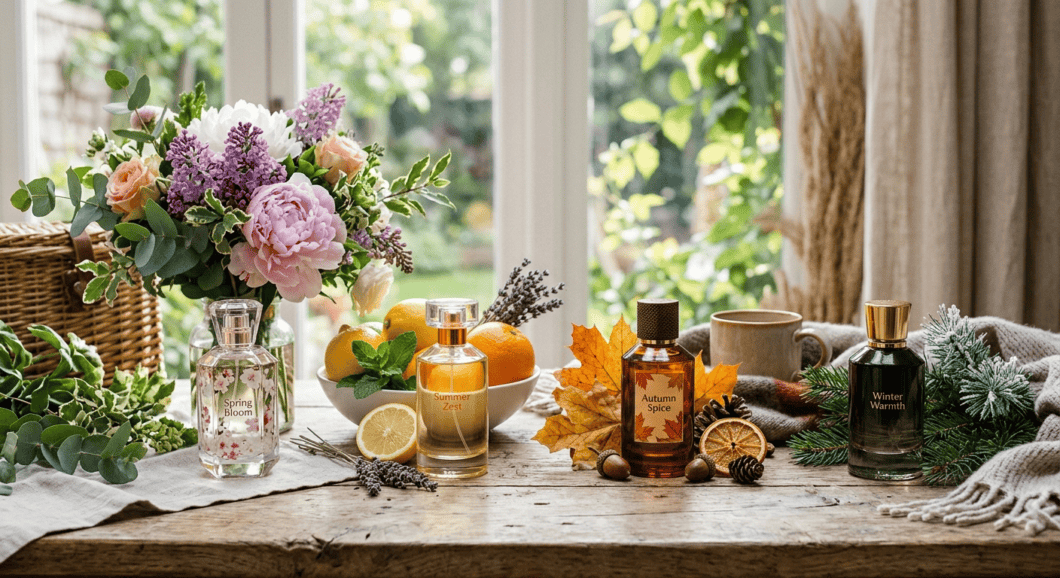
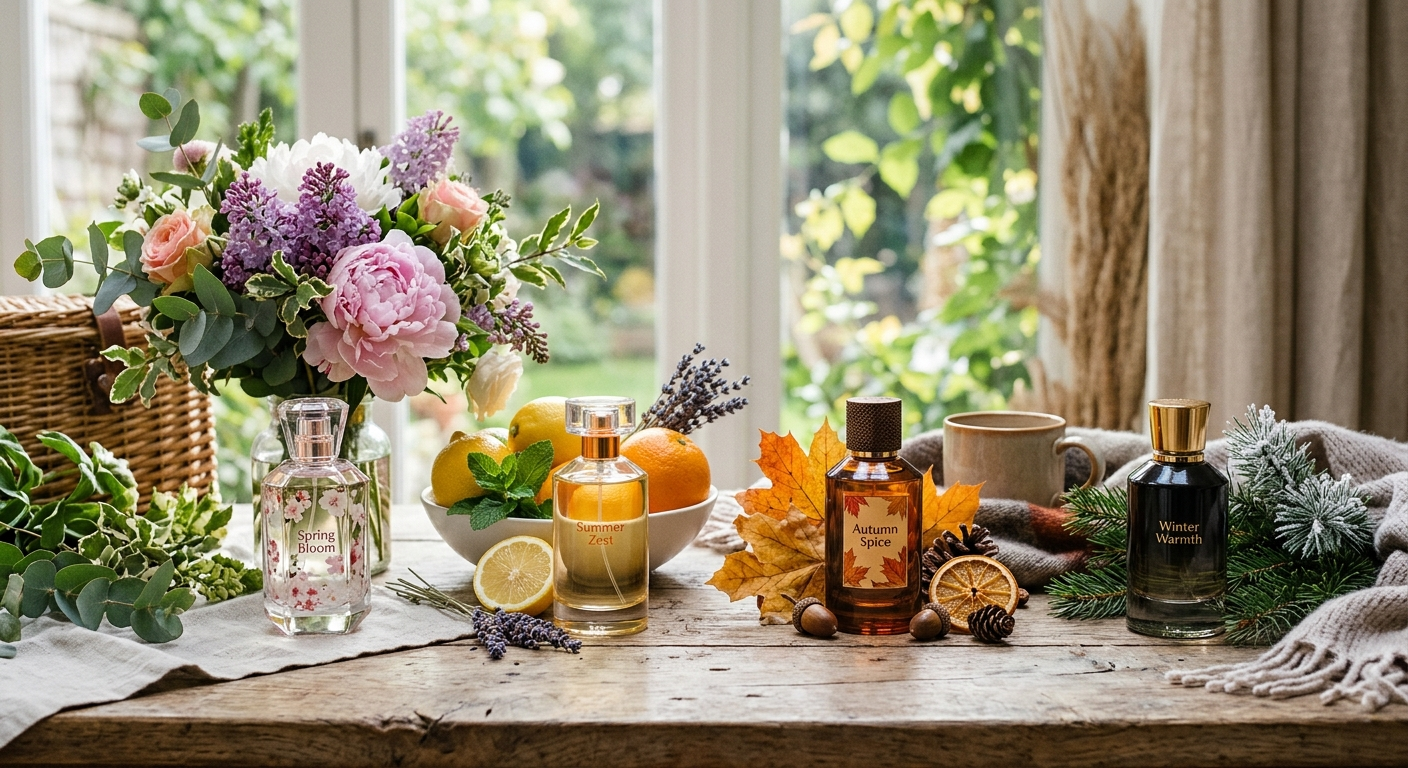
Nobody reaches for a heavy woody amber during a July heatwave, and your nose knows why before your brain catches up. A well-chosen seasonal fragrance works with the temperature, light, and mood of the moment instead of fighting the air around you. The practice of keeping several scents for exactly this reason has a name, fragrance wardrobing, and it drives a surprising share of global perfume sales. Roughly 1.2 billion perfume bottles sell each year, and the market is projected to reach €88.7 billion in 2026.
Below is a season-by-season guide to what works and when, so you can build a rotation that holds up.
Why Seasonal Fragrance Matters
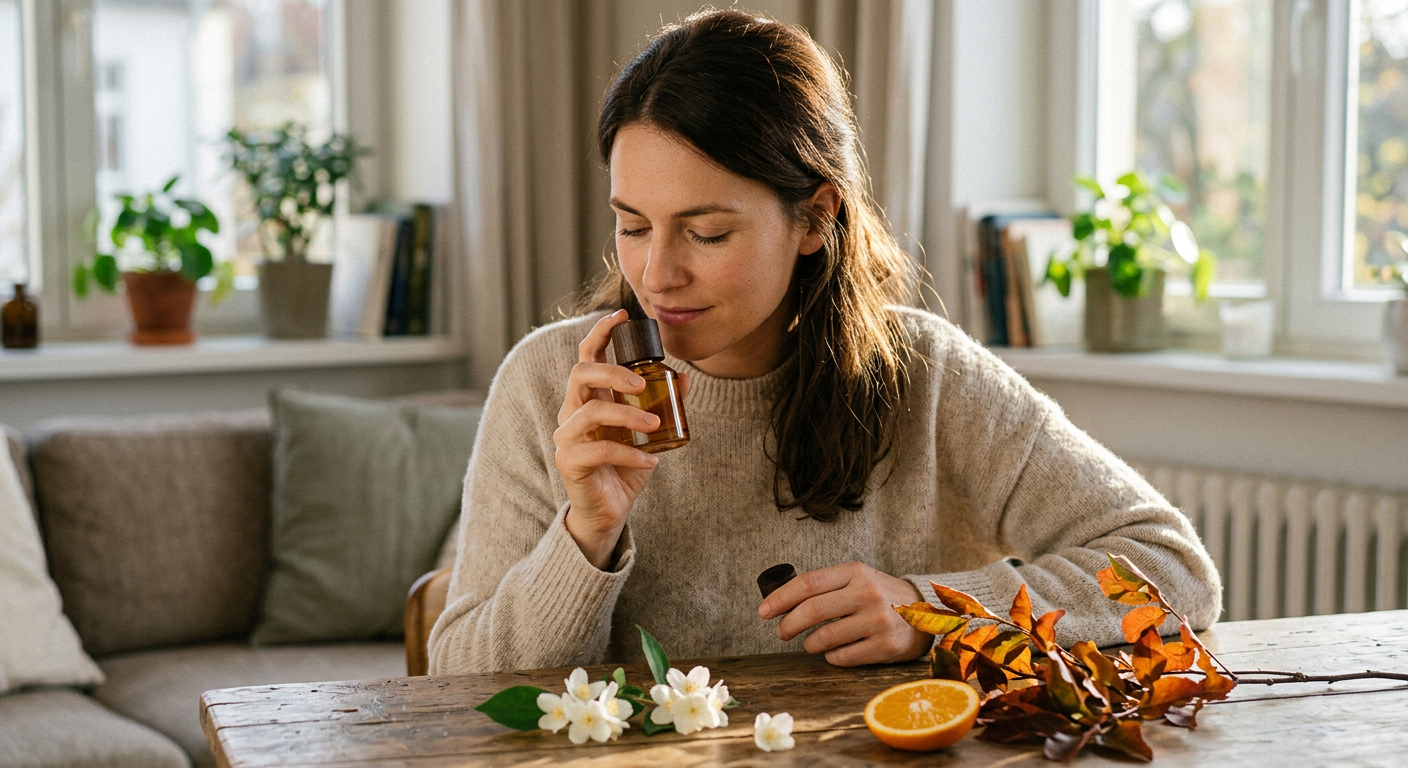
Scent ties directly to memory and emotion. Fragrance notes register in the limbic system, the part of the brain that handles feeling and recall, which explains how a single spritz can drop you back into a specific place or moment, as AirScent Diffusers notes.
Temperature also changes how a fragrance behaves on skin. Heat speeds up and amplifies projection, so light citrus and aquatic notes bloom fast in summer. Cold air does the opposite. It suppresses volatility, which is why rich, resinous scents need warmth from your body to open up in winter.
There’s a commercial side to this too. More people now keep several scents for different occasions and seasons, and that habit accounts for much of the market’s growth. Building a seasonal rotation isn’t indulgence so much as picking the right tool for the conditions.
Spring Fragrances: Fresh and Floral
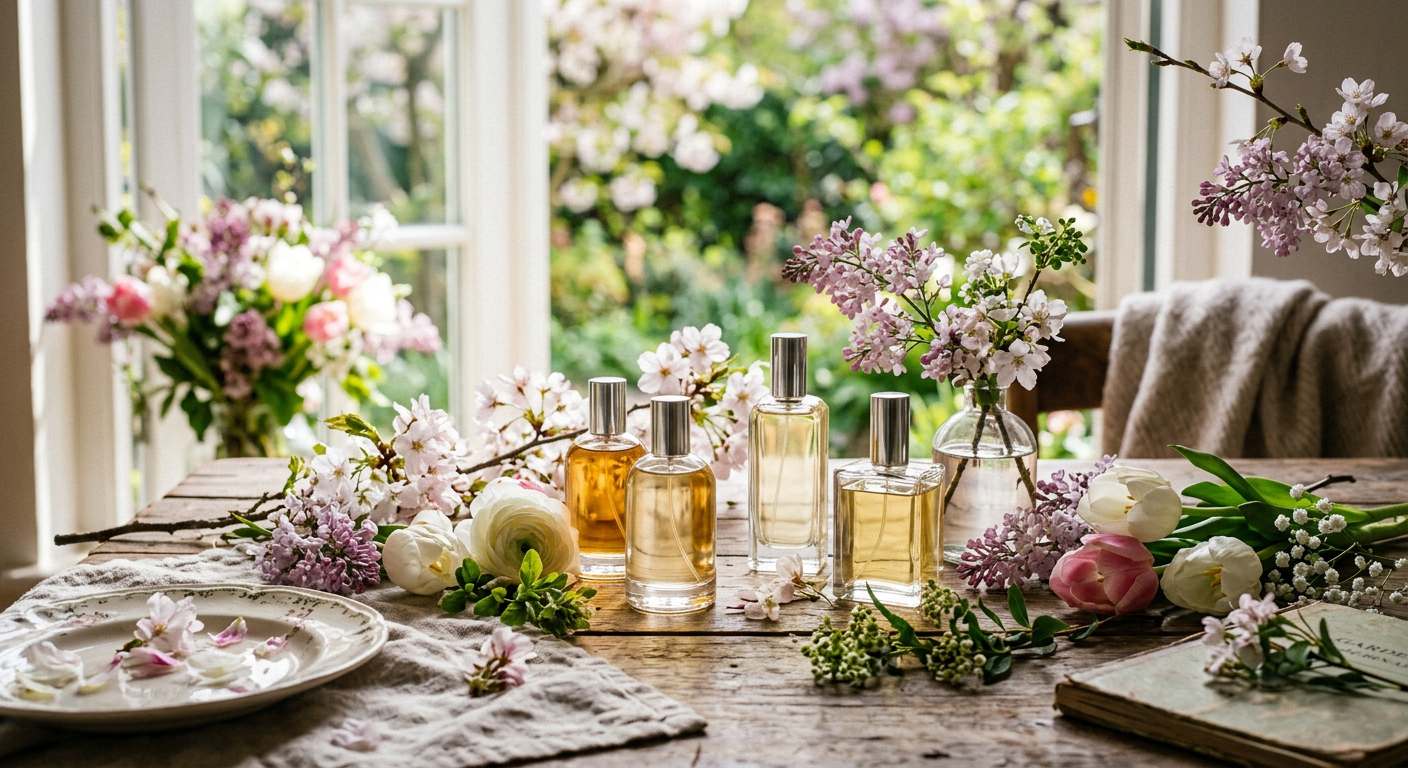
Spring reads as renewal, so the scents that suit it capture blooming flowers and clean air. This is the season for light, uplifting fragrances that smell like a garden the morning after rain.
Florals lead. Lavender, jasmine, and peony give a soft, airy lift, while citrus notes like lemon and bergamot add brightness, according to Seal Scents. Green and herbal notes such as rosemary and mint fill out the profile with a just-mowed freshness.
What to Look For in Spring
- Fragrance families: Floral, green, light citrus
- Standout notes: Peony, lilac, bergamot, jasmine, mint
- Best for: Daytime wear, office settings, transitional weather
Keep concentrations lighter this time of year. An eau de toilette usually suits spring better than a dense eau de parfum, because you want lift rather than lingering weight.
Summer Fragrances: Crisp, Aquatic, and Bright
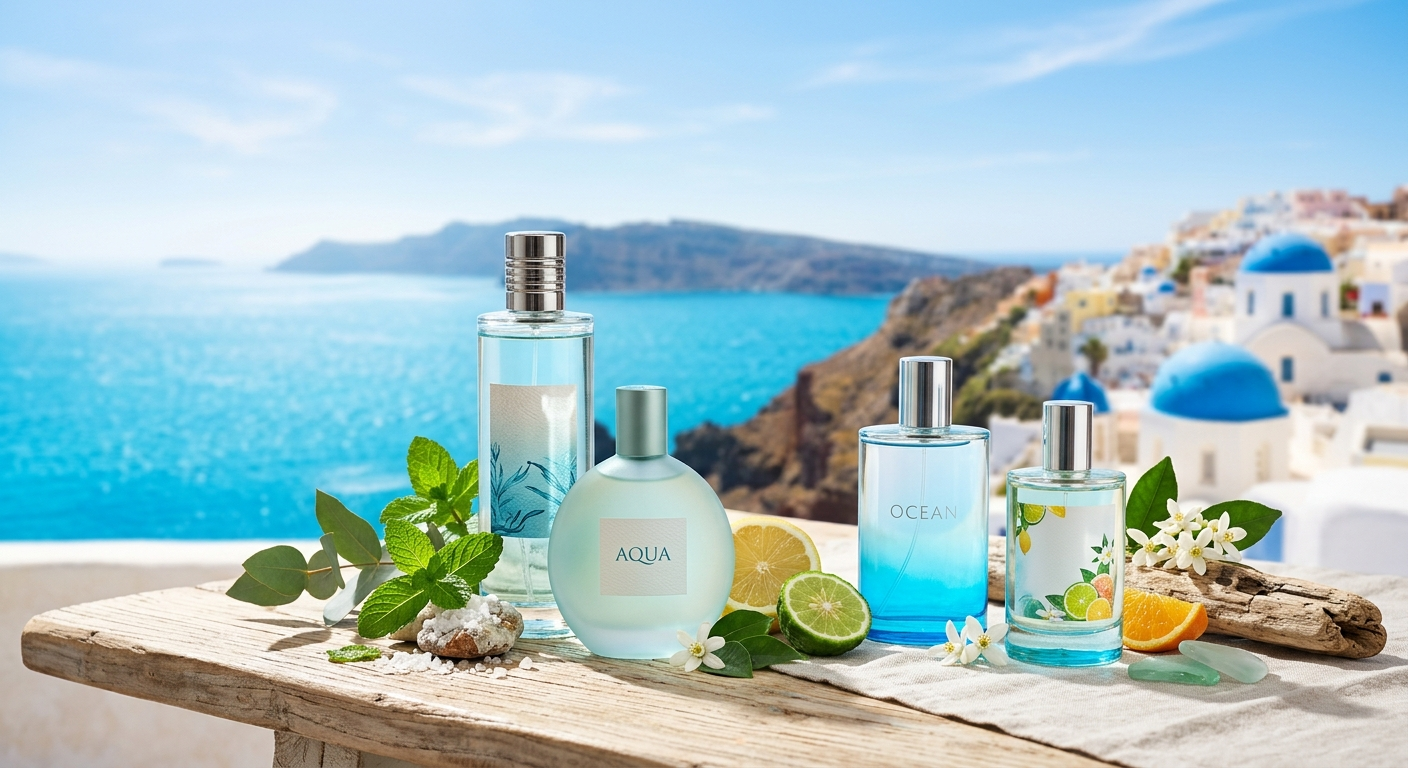
Hot, humid weather calls for light and airy fragrances. Aquatic scents fit that need almost perfectly, reading as clean and cooling even at peak heat, as perfumer Bryson Ammons told Business Insider.
Citrus stays essential all summer. Yuzu, lemon, and grapefruit cut through humidity and keep a fragrance feeling fresh. For 2026, perfumers point to two trends worth watching: tropical gourmands and rosy scents, with fresh roses like the Chloé Eau de Parfum making a comeback.
Summer Do’s and Don’ts
- Do favor eau de toilette or lighter mists that refresh easily.
- Do reapply midday, since heat burns through top notes fast.
- Don’t overload on dense ambers or gourmands that turn cloying in the heat.
- Do experiment with a light rose or aquatic if you want something distinctive.
If you love a summery scent in the dead of winter, wear it anyway. Seasonal guidance is a starting point, not a rulebook, as Sol de Janeiro points out.
Fall Fragrances: Warm, Earthy, and Spiced
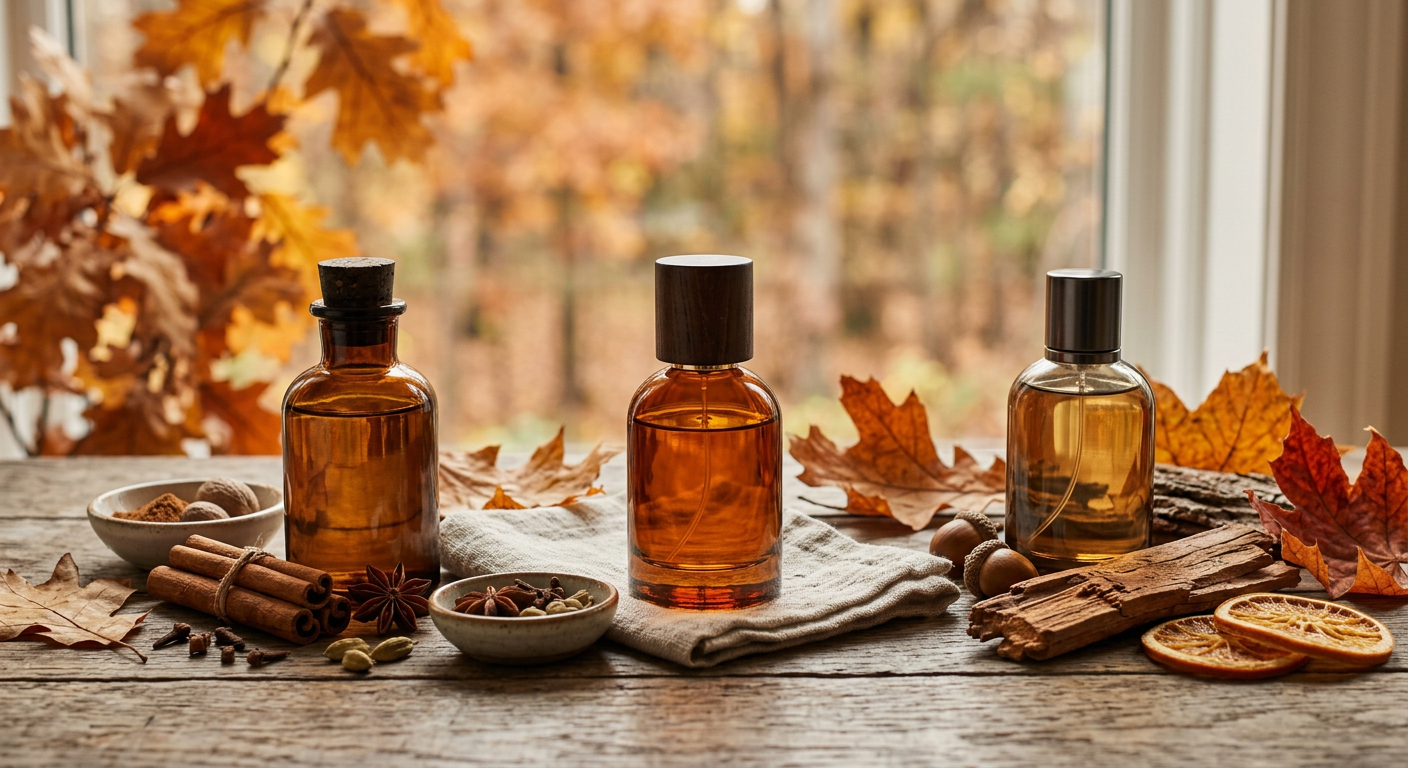
As the air cools, warm and earthy fragrances come into their own. Fall is the season of spice, wood, and dried fruit, the kind of scents that echo falling leaves and shorter days.
Spiced fruity profiles built on fig, plum, or apple work beautifully in daylight, according to Methra Shop. They carry sweetness without summer’s lightness, which makes them a natural bridge between warm and cold weather.
Best Fall Notes
- Fragrance families: Woody, spicy, warm gourmand
- Standout notes: Fig, plum, apple, cinnamon, cedar, patchouli
- Best for: Layered outfits, evening events, cooler daytime wear
Fall is also the moment to step up concentration. Cooler air holds scent longer, so an eau de parfum projects more gracefully than it would in July.
Winter Fragrances: Rich, Festive, and Long-Lasting
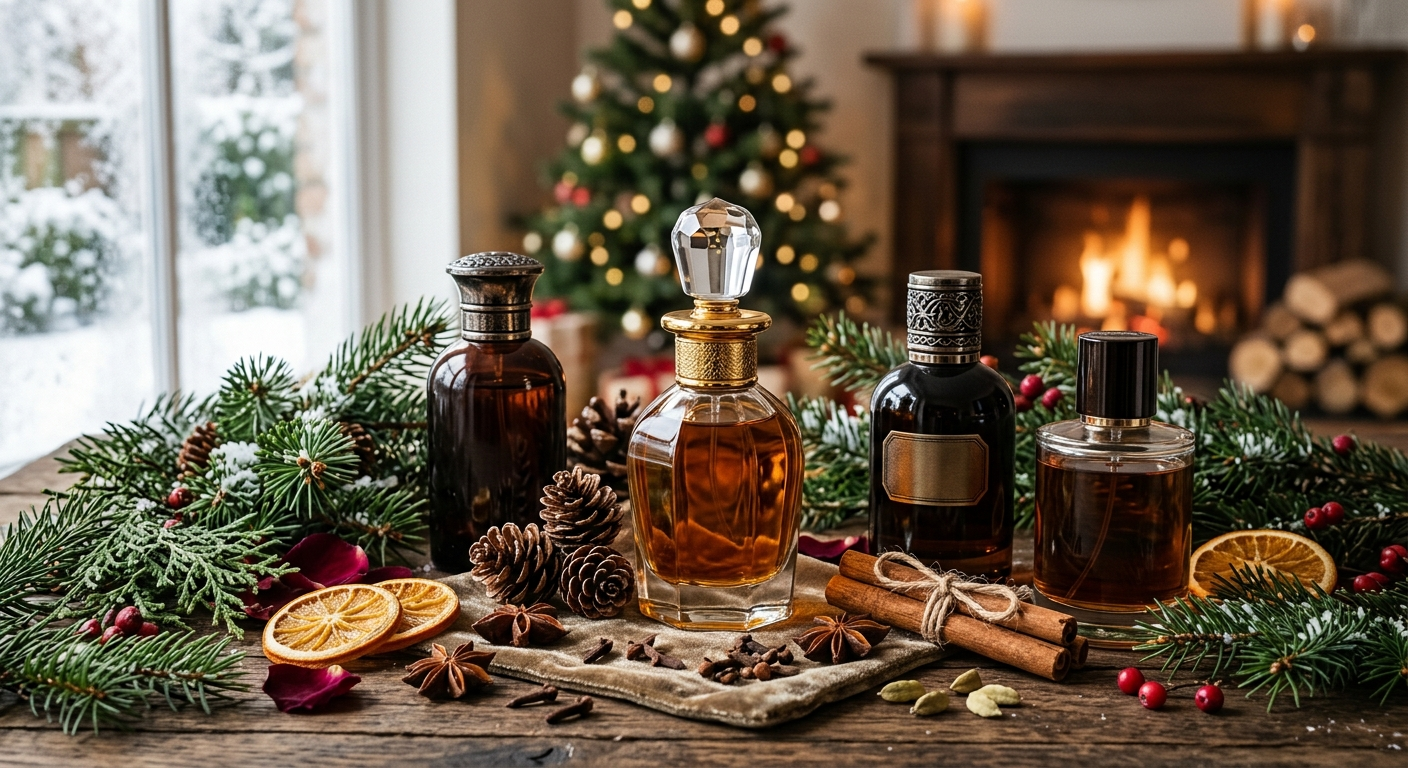
Winter rewards depth. Cold weather suits rich perfumes that lean on deep base notes, and those bases anchor a scent against the cold air that would otherwise mute it.
Think vanilla, incense, amber, and smoky woods. At night especially, rich vanilla, incense, or smoky woods create warmth and presence, per Methra Shop’s expert picks. These are the cozy, festive scents that pair naturally with the holidays.
Building a Winter Signature
- Fragrance families: Oriental, woody, gourmand, resinous
- Standout notes: Vanilla, amber, incense, oud, tonka bean
- Best for: Evenings, holiday gatherings, formal occasions
Base notes matter most in winter because they persist longest. A well-built winter fragrance can carry from morning coffee to a late dinner on a single application.
Seasonal Fragrance Comparison at a Glance
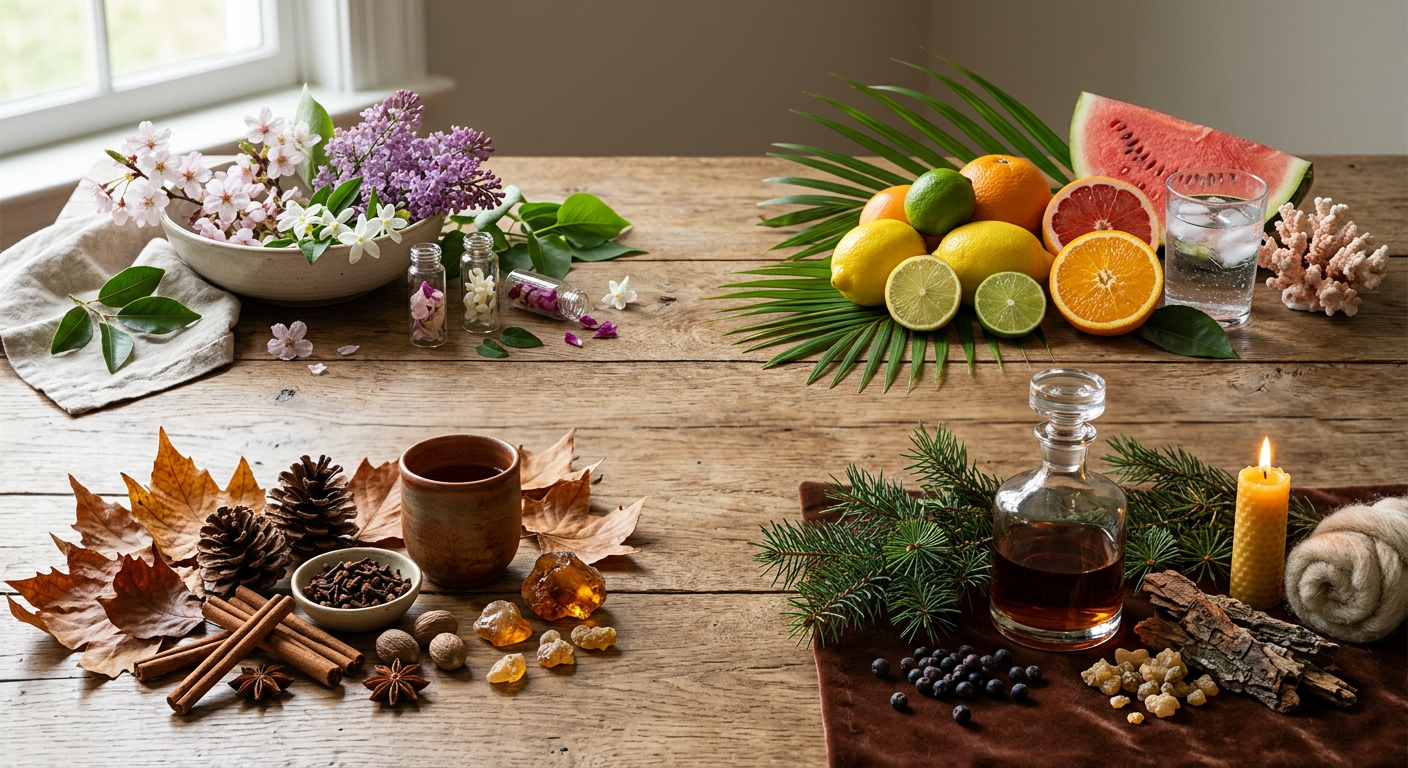
Use this table to match the season to the right fragrance profile.
| Season | Fragrance Family | Key Notes | Concentration | Best Occasion |
|---|---|---|---|---|
| Spring | Floral, green | Peony, jasmine, bergamot, mint | Eau de toilette | Daytime, office |
| Summer | Aquatic, citrus | Yuzu, lemon, rose, sea salt | Eau de toilette / mist | Outdoors, daytime |
| Fall | Woody, spicy | Fig, plum, cinnamon, cedar | Eau de parfum | Cooler daytime, evening |
| Winter | Oriental, gourmand | Vanilla, amber, incense, oud | Eau de parfum / extrait | Evenings, holidays |
How to Build Your Own Fragrance Wardrobe
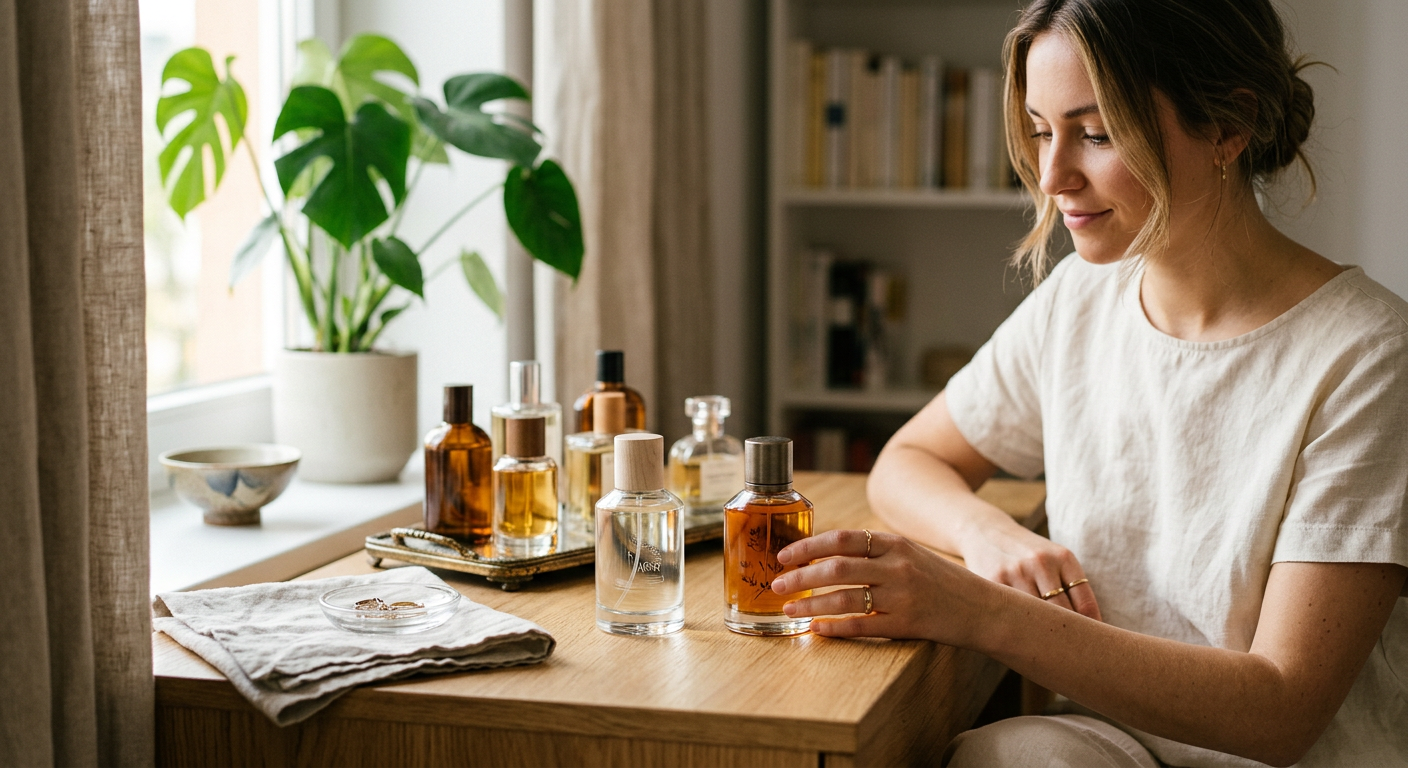
A dozen bottles isn’t the goal. Start with two anchors: a light, fresh scent for spring and summer, and a warmer, deeper one for fall and winter. That covers most of the year.
From there, expand toward the seasons you enjoy most. If autumn is your favorite, invest in a spiced woody eau de parfum you’ll reach for again and again. That’s the whole idea behind fragrance wardrobing, owning different scents for different conditions, and it helps explain why the mass-market segment now accounts for 63.8% of global fragrance sales.
Match concentration to climate. Lighter formulas suit heat, while higher concentrations shine in the cold. And sample before you commit, since the same scent can smell completely different on your skin than it does on a paper strip.
Conclusion
Good seasonal fragrances work with the weather, not against it. Fresh florals and citrus lift the spring air, aquatics and bright rose cool the summer, spiced woods warm the fall, and rich vanilla and amber carry you through winter. Match your fragrance family and concentration to the season, then let your own body chemistry and taste make the final call.
Start with two anchor scents and build a rotation from there. Try a fresh spring floral and a warm winter gourmand this month, and see how much the right scent changes at the right time.
Frequently Asked Questions
Q: What fragrances are best for summer?
Light, crisp aquatic and citrus scents perform best in heat, since high temperatures amplify projection. Notes like yuzu, lemon, sea salt, and fresh rose stay refreshing without turning cloying.
Q: Why do fragrances smell different in winter versus summer?
Temperature changes how quickly scent molecules evaporate. Heat speeds up projection, making light notes bloom fast, while cold air suppresses volatility, so rich base notes like amber and vanilla need body warmth to fully develop.
Q: What is fragrance wardrobing?
Fragrance wardrobing is the practice of owning multiple scents for different seasons, occasions, and moods. It’s a major driver of the growing global perfume market, which is projected to reach €88.7 billion in 2026.
Q: Can I wear a summer fragrance in winter?
Yes. Seasonal recommendations are guidelines, not rules, so if you love a fresh summery scent in cold weather, wear it. Just expect it to project less, since cold air mutes lighter notes.
Q: What concentration should I choose for each season?
Lighter concentrations like eau de toilette suit spring and summer heat, while eau de parfum and extrait work better in fall and winter. Higher concentrations project and last longer in cold weather.
Q: How many fragrances do I need for a seasonal rotation?
You can start with just two: one fresh, light scent for warm months and one warm, deep scent for cold months. Expand from there based on the seasons and occasions you enjoy most.