

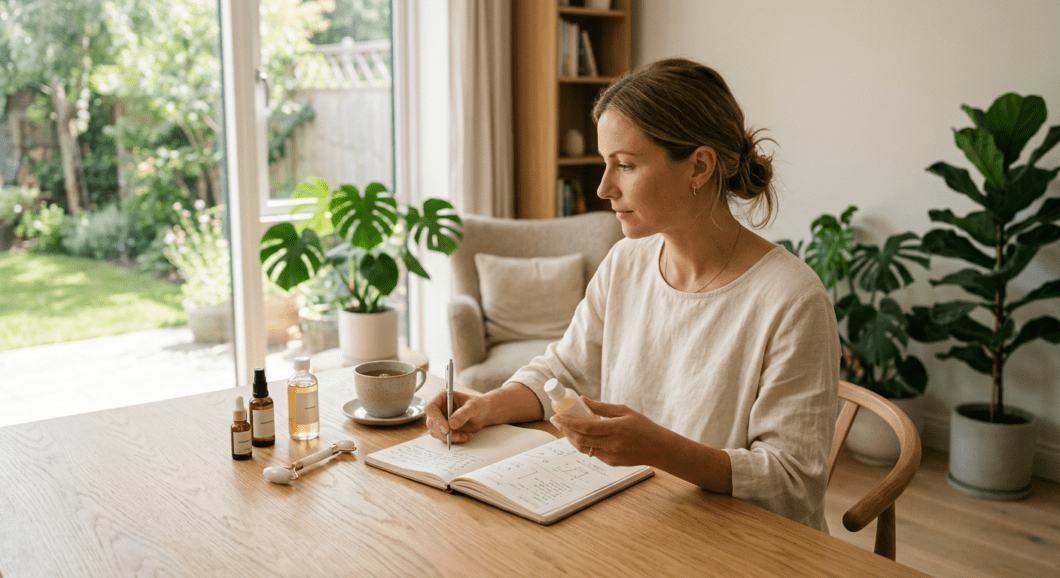
What if your skincare routine counted as a strategy session? For a growing number of people, it already does. Soft productivity — accomplishing meaningful self-care goals through gentle, intentional rituals rather than rigid, optimized schedules — is quietly reshaping how consumers approach beauty and wellness. It’s not about doing less. It’s about doing things with more purpose and less pressure.
What “Soft Productivity” Actually Means
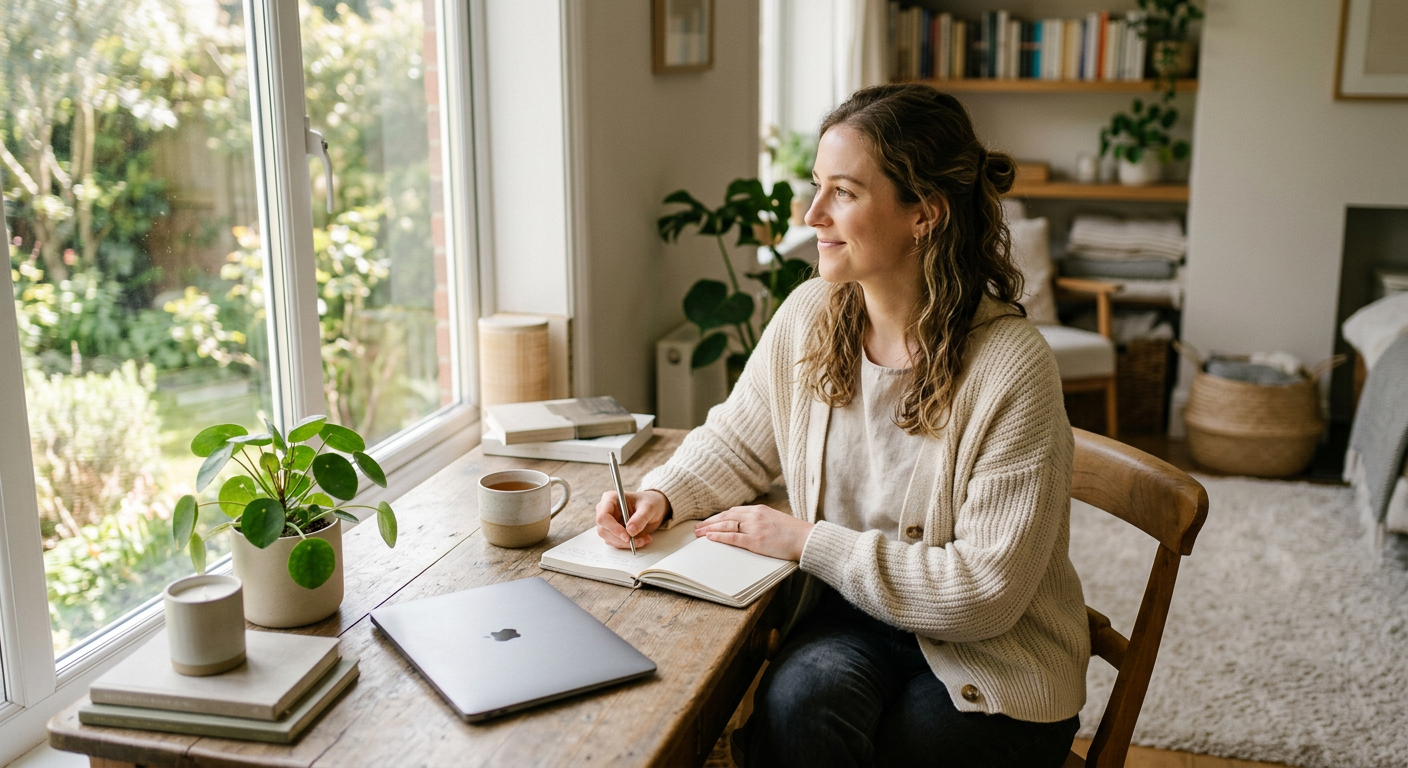
Soft productivity borrows its language from two overlapping cultural movements: the “soft life” aesthetic and the broader wellness-as-priority shift. Where traditional productivity demands measurable outputs and efficiency, soft productivity values consistency, calm, and the compounding benefits of small, sustainable habits.
Savor Beauty describes the soft life era as “integrating ease and productivity” — a framework where scheduled downtime and nourishing rituals are treated as legitimate, high-value activities rather than indulgences. Cleansing milks replacing harsh scrubs. A ten-minute face massage replacing the 45-minute gym session you were never going to do anyway.
This isn’t a rejection of ambition. It’s a recalibration of what counts as progress. When 82% of Americans consider wellness a top priority in their daily routines, the definition of “getting things done” has to expand to include the habits that make everything else sustainable.
Why the Wellness Industry Is Responding Fast
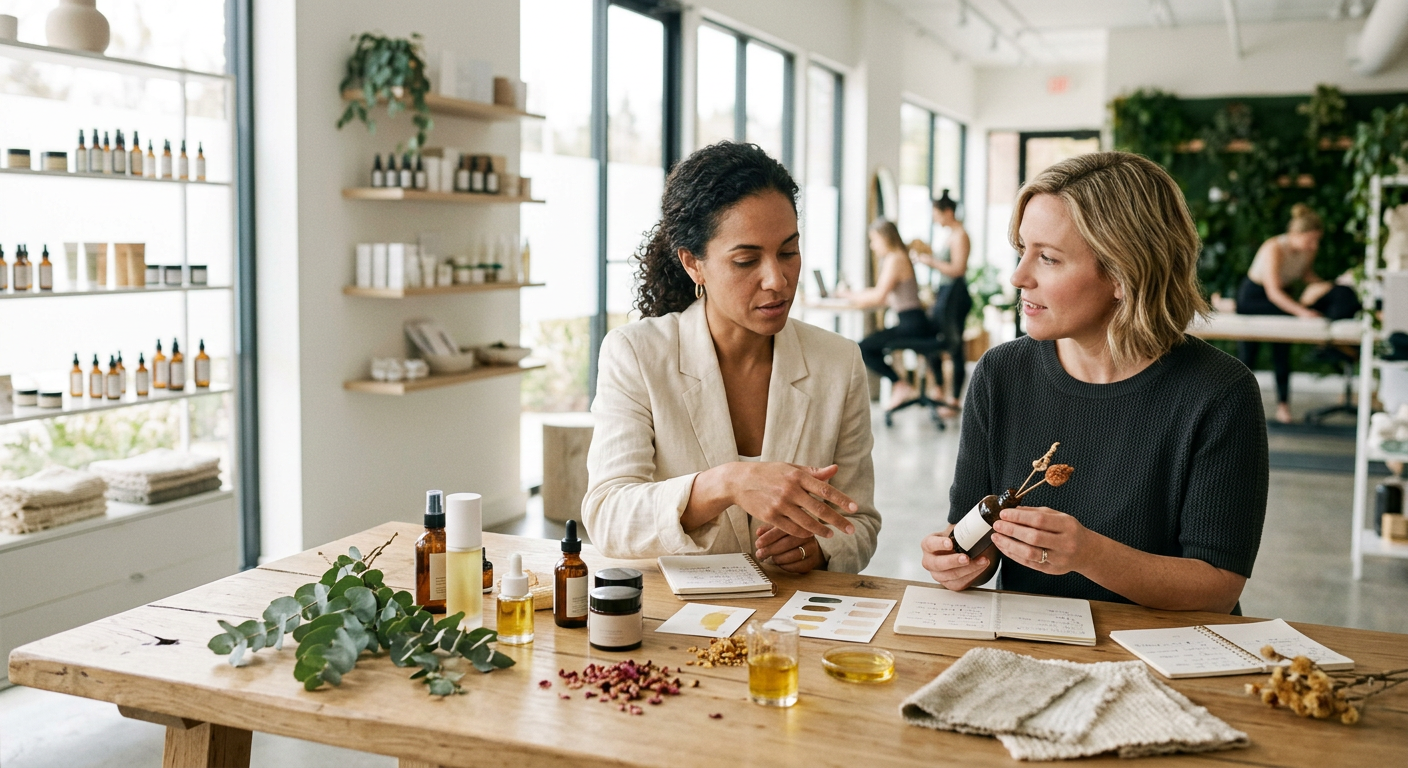
The numbers behind this shift are hard to ignore. The global beauty industry sits at approximately $450 billion and continues to grow even during periods of economic uncertainty, according to Zenoti’s 2026 Beauty Budget Breakdown. More striking: more than one in five Americans are sacrificing essentials — including groceries and medical care — to maintain their beauty and wellness routines.
That level of commitment signals that self-care is no longer a luxury category in the consumer mind. Retailers are reading this clearly: Target added 1,000 wellness products in 2024, and Ulta has been expanding its wellness portfolio with brands like Apothékary, a powdered herbal blend line positioned as an alcohol alternative.
The Global Wellness Institute’s 2026 trends report points toward a future where wellness is embedded in daily life rather than reserved for spa days or gym memberships. Soft productivity fits squarely in that embedded, everyday category.
The Psychology Behind Gentle Routines That Actually Stick
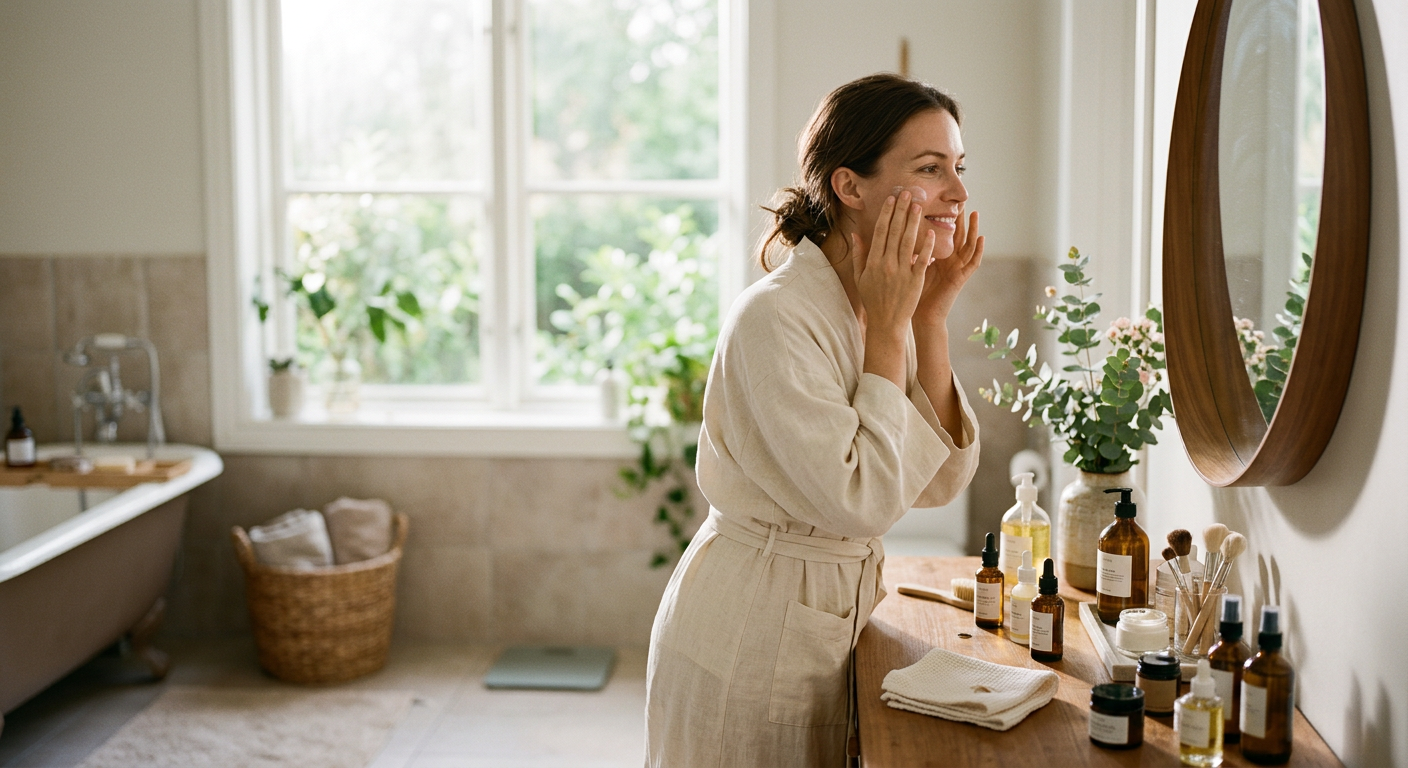
Hard productivity fails in wellness for a predictable reason: it creates stress. A 12-step skincare routine performed out of obligation, or a workout logged to hit a streak, can trigger the same cortisol response you were trying to counter. Soft wellness flips this by making the routine itself the reward.
Unfinished Coffee’s analysis of the soft wellness movement puts it plainly: “Soft wellness is about listening to your body and mind, making small, intentional choices that enhance your well-being without causing stress.” The emphasis on listening — rather than performing — is what makes these habits durable.
Zenoti’s research adds a useful dimension: stress is what drives clients to book beauty and wellness services in the first place. Their 2026 report identifies emotional anchors as a core reason people maintain spending even when budgets tighten. When your routine relieves stress rather than creates it, adherence follows naturally.
The Habit Loop That Soft Routines Exploit
Behavioral science supports this. Small, low-friction habits build stronger neural pathways over time than intensive, high-effort behaviors that require motivation to sustain. A two-minute facial massage performed every morning creates a more reliable habit loop than a 30-minute routine you skip three days a week.
Soft Productivity in Practice: What It Looks Like Day to Day

Soft productivity doesn’t require a complete lifestyle overhaul. It shows up in specific, concrete choices that replace effortful routines with intentional ones.
Morning Rituals
Evening Wind-Down
The pattern is consistent: reduce friction, increase sensory pleasure, and let the routine become its own motivation. Hyde Med Spa’s framework for a balanced wellness and beauty routine echoes this, recommending a blend of consistent self-care practices and holistic wellness strategies rather than aggressive treatment protocols.
The 9-to-5 Beauty Routine and Its Limits
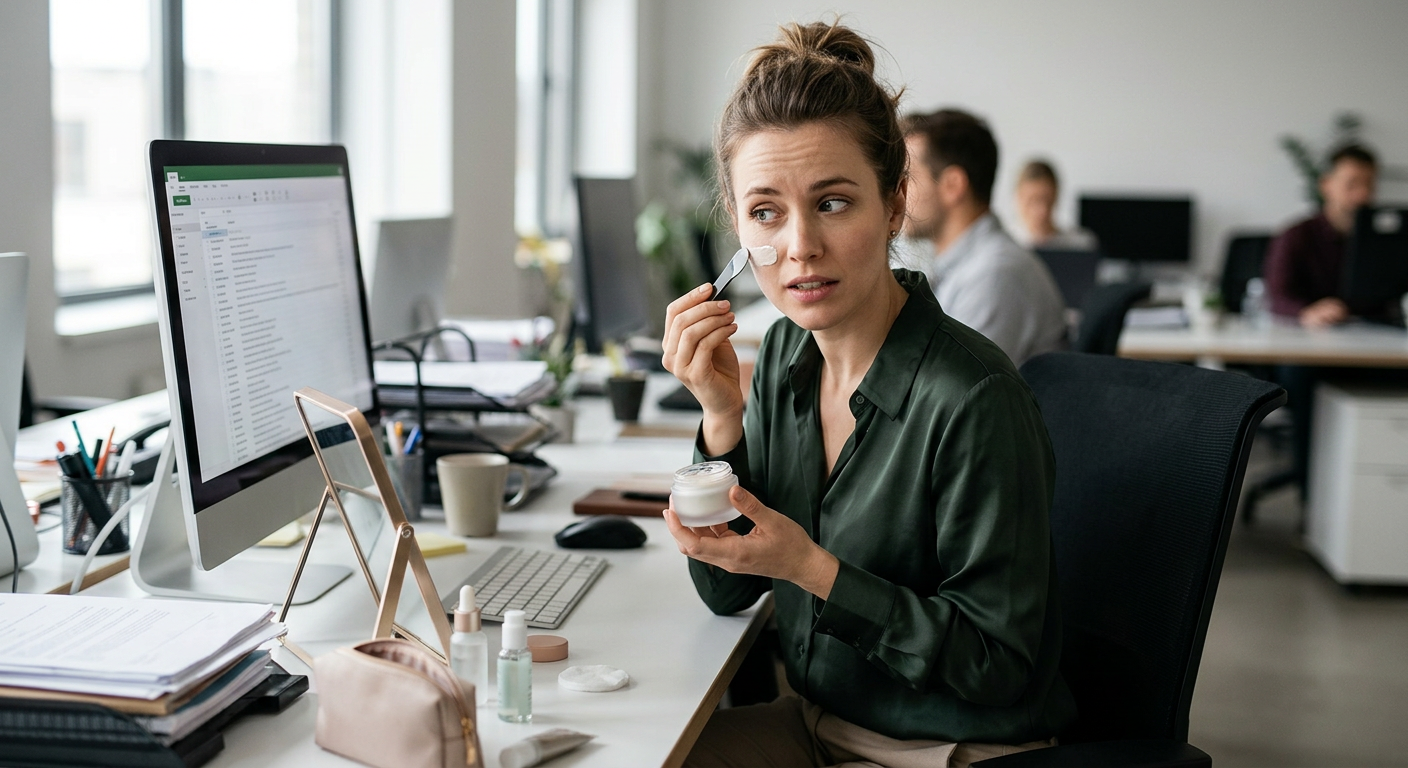
One adjacent trend worth examining is the rise of the workday beauty ritual — squeezing facial treatments, scalp massages, or wellness appointments into the lunch hour or between meetings. Dazed’s reporting on the nine-to-five beauty routine raises a fair concern: optimizing wellness into the workday can replicate the same overwork culture it claims to counter.
Soft productivity isn’t about fitting more self-care into a packed schedule. It’s about protecting unscheduled, unoptimized time for rituals that have no KPI attached to them. The distinction matters. A lunch-break facial booked to maximize skin results before a 2 p.m. presentation is still hard productivity wearing a sheet mask.
The soft version looks different: a weekend morning with a slow skincare ritual, no timer, no outcome goal — just the practice itself. This is what Savor Beauty calls “scheduled downtime”: time blocked not for output, but for restoration.
What the Beauty Industry Is Building for 2026
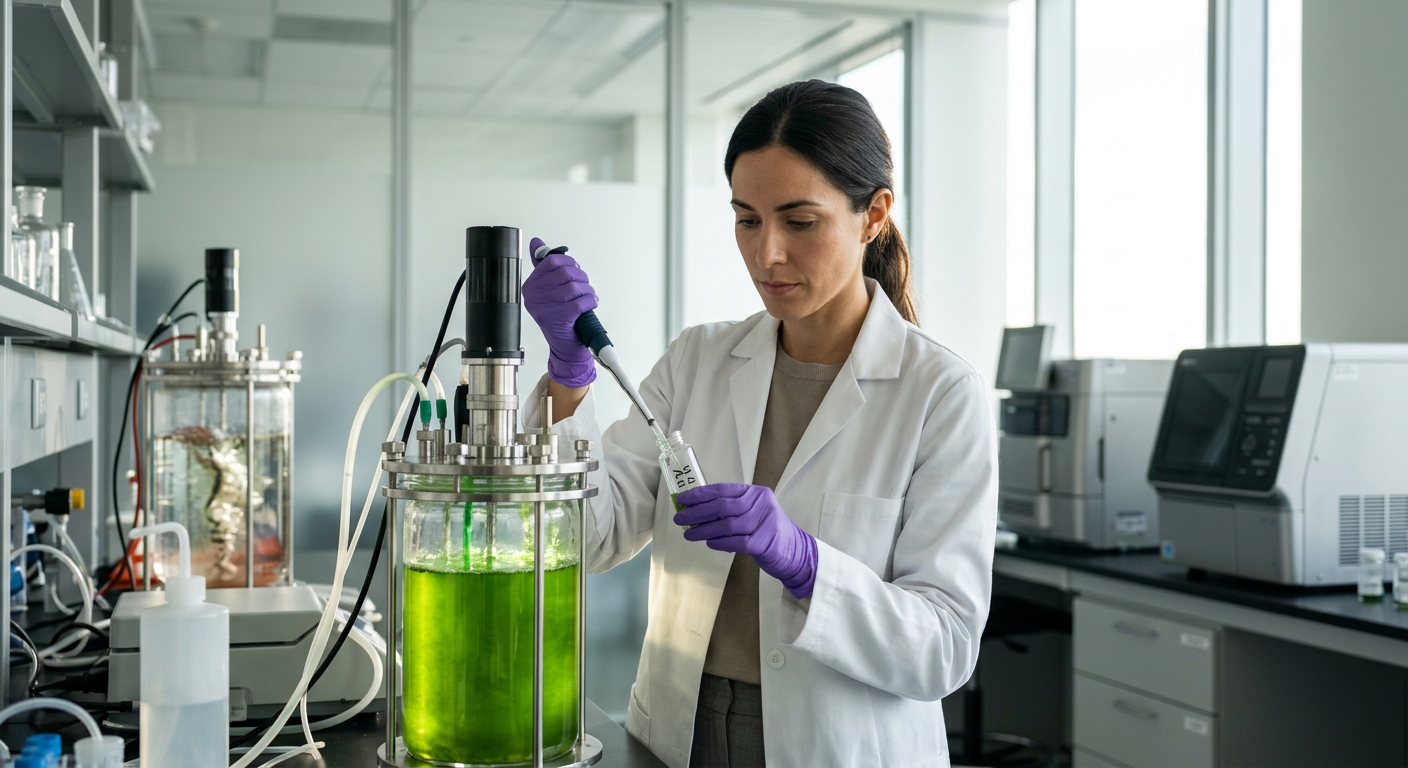
The product and service landscape is shifting to meet soft productivity demand. Biotech beauty, science-backed formulations, and women’s health-focused wellness products are among the top categories identified in Front Row’s 2026 Beauty and Wellness Trends report. The common thread: efficacy without effort.
Consumers want products that work quietly in the background — overnight repair serums, adaptogen supplements, microbiome-friendly cleansers — rather than demanding active, effortful application protocols. At the product level, that’s soft productivity in practice: the routine does the work while you rest.
The Global Wellness Institute’s 2026 trends point toward wellness becoming more embedded in everyday environments and behaviors — a trajectory that aligns with soft productivity’s core premise. Wellness shouldn’t be a separate activity you schedule. It should be woven into how you already live.
How to Build Your Own Soft Productivity Wellness Routine

Building a soft productivity practice starts with auditing what you already do, then removing the friction and the guilt from it.
A practical starting framework:
- Anchor to existing habits. Attach your wellness ritual to something you already do: skincare after brushing teeth, a five-minute stretch while coffee brews.
- Choose depth over breadth. One product used with full attention beats six products applied on autopilot.
- Remove performance pressure. Your routine isn’t a regimen to optimize. It’s a practice to enjoy.
- Schedule restoration, not just activity. Block time that has no deliverable attached to it. That’s where soft productivity lives.
- Let consistency beat intensity. A three-minute facial massage every day outperforms a 30-minute session twice a month.
Conclusion
Soft productivity reflects a durable shift in how people relate to self-care: less as a performance, more as a practice. With 82% of Americans prioritizing wellness daily and consumers willing to sacrifice other spending to protect their routines, demand for gentler, more sustainable approaches is growing.
The practical takeaways are straightforward. Reduce friction in your routines. Choose intentional over intensive. Protect unoptimized time for restoration. Build habits that feel good enough to repeat without motivation.
Pick one ritual this week — not because it will make you more productive, but because it will make you feel better.
Frequently Asked Questions
Q: What is soft productivity in wellness?
Soft productivity is the practice of achieving meaningful self-care and wellness goals through gentle, low-friction rituals rather than rigid, performance-driven routines. It prioritizes consistency, intentionality, and enjoyment over optimization and measurable output.
Q: How is soft productivity different from the soft life trend?
The soft life trend is a broader lifestyle aesthetic centered on ease and comfort. Soft productivity is a more specific application of that philosophy to daily routines — it focuses on how you structure your beauty and wellness habits, not just your overall lifestyle orientation.
Q: Can soft productivity routines actually deliver real skincare or wellness results?
Yes. Research in behavioral science consistently shows that low-friction habits performed consistently outperform intensive routines that require high motivation to sustain. A simple, gentle routine done daily produces better long-term results than an elaborate one done sporadically.
Q: Why are people spending more on wellness even during economic uncertainty?
According to Zenoti’s 2026 Beauty Budget Breakdown, beauty and wellness spending is emotionally anchored — people use these services to manage stress and maintain a sense of control. That emotional function makes the spending feel non-negotiable even when budgets tighten.
Q: What products align best with a soft productivity beauty routine?
Products that work passively or require minimal effort tend to align best: overnight repair serums, cleansing milks, facial oils, adaptogen supplements, and microbiome-friendly formulations. The goal is efficacy without a demanding application protocol.
Q: How do I know if my current routine is too hard-productivity focused?
If your routine feels like a chore, triggers guilt when skipped, or requires significant motivation to start, it’s likely operating on hard productivity principles. A soft productivity routine should feel restorative and easy to return to, not obligatory.