



Men spent decades reaching for the heaviest, stiffest hold they could find — gels that crunched, pomades that weighed hair down, sprays that left a helmet finish. That era is ending. A growing segment of male consumers now wants products that work with their natural texture, not against it, and the market is responding at scale.
The men’s hair care and styling products market was valued at USD 16.1 billion in 2024 and is projected to reach USD 25.4 billion by 2033, growing at a CAGR of 6.4% (Verified Market Reports). A significant portion of that growth traces directly to lightweight, natural-finish formulas — products designed to enhance what hair already does rather than override it.
Why Natural Texture Is Now the Goal

The cultural shift toward embracing natural hair texture accelerated alongside broader conversations about authenticity in grooming, wellness-oriented purchasing, and the influence of social media, where effortless style became the aspirational finish.
Men with curly, wavy, coily, and fine hair were historically underserved by the styling market. Most classic products were formulated for straight hair and a slicked-back aesthetic. As men began seeking styles that honored their actual hair pattern, demand for products that define curls, add body to waves, or support fine strands without flattening them grew sharply.
What emerged is a product category built around flexibility, finish, and feel rather than raw hold strength. This is not a niche trend — it is a fundamental repositioning of what men expect from a styling product.
The Problem With Heavy Hold Products
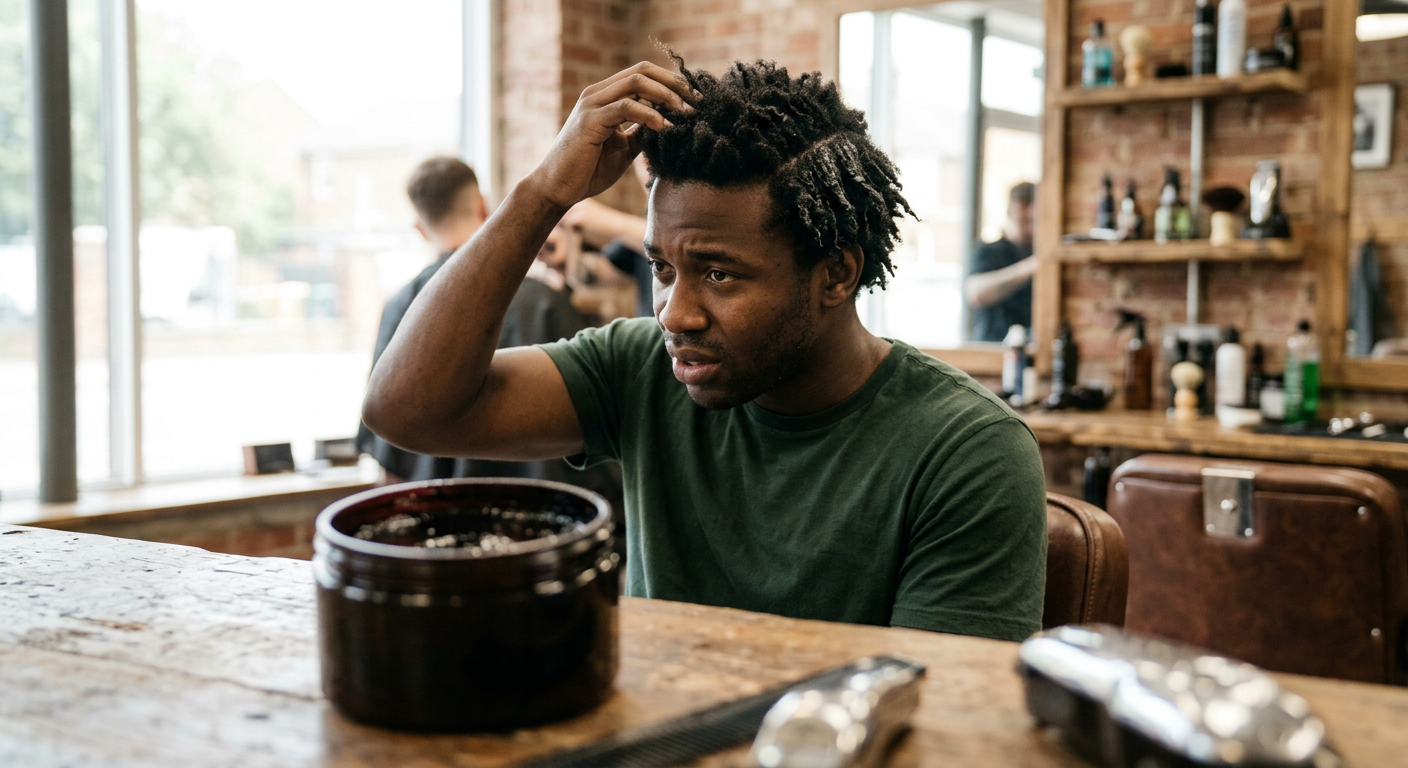
Heavy gels and traditional pomades create a specific set of problems for men with natural texture. They coat the hair shaft with wax or polymer layers that prevent moisture from reaching the strand, which leads to dryness, breakage, and scalp buildup over time.
For men with curly or coily hair, heavy products disrupt the curl pattern itself. The weight pulls curls down and apart, producing frizz rather than definition. For men with fine hair, the same weight makes strands look thinner and greasier — the opposite of the volume they are trying to achieve.
Beyond the hair health concerns, heavy products require more effort. They are harder to wash out, often require clarifying shampoos, and leave residue that compounds over multiple days of use.
What Makes a Product Truly Lightweight
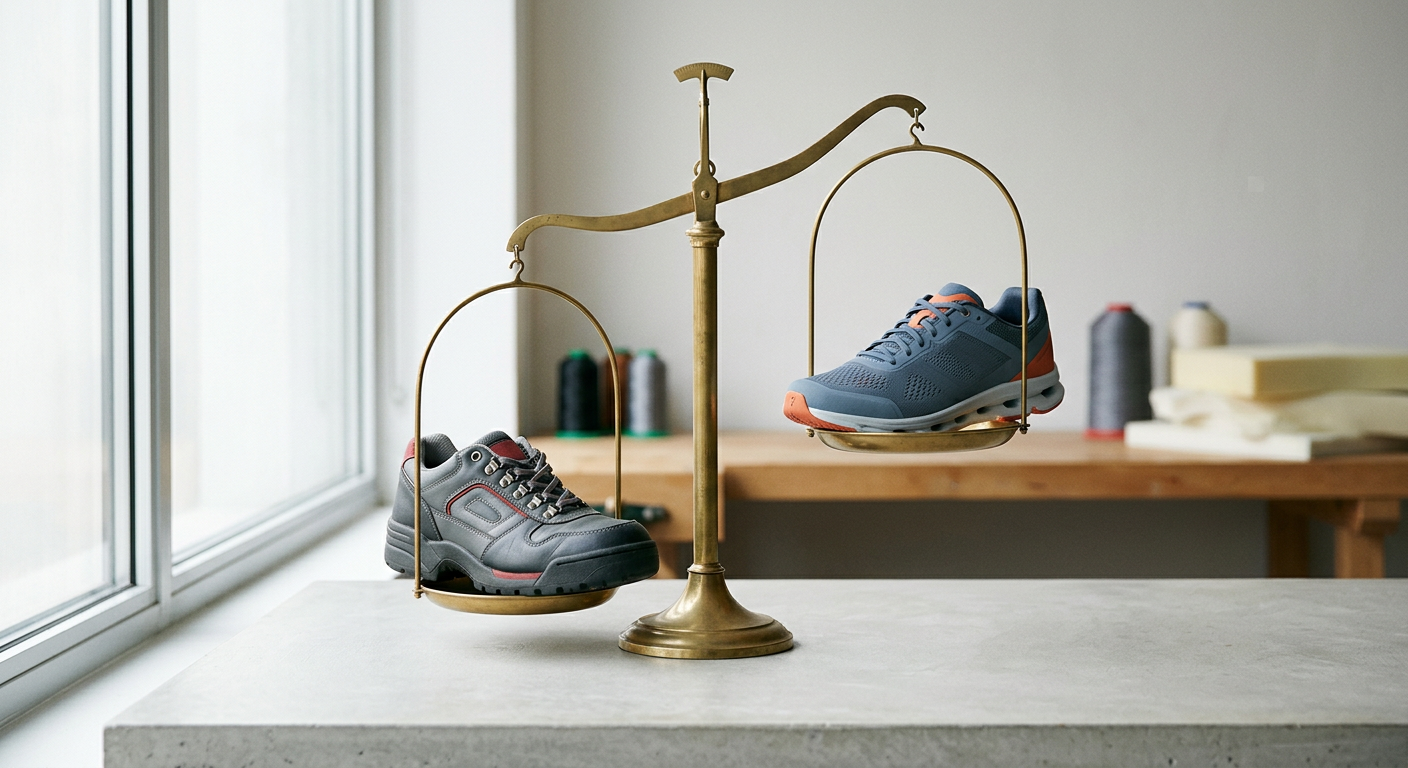
“Lightweight” is a marketing word that gets applied loosely. Understanding what it actually means helps you choose more effectively.
Key Formulation Differences
A genuinely lightweight styling product differs from a heavy one in three core ways:
- Water-based formula: Water-based products absorb into the hair shaft rather than sitting on top of it. They rinse out cleanly and do not leave waxy residue.
- Flexible polymers over hard resins: Heavy gels use rigid film-forming resins that harden on the hair. Lightweight products use flexible polymers that move with the hair and resist flaking.
- Moisturizing actives: Ingredients like glycerin, aloe vera, and panthenol attract and retain moisture rather than sealing it out.
Hold Levels Explained
The “strong lightweight hold” category deserves specific attention. Volumizing creams and light-hold clays can provide meaningful structure for fine or thinning hair without the weight penalty. As GQ notes in their hair cream guide, hair creams are “super lightweight, you-can-barely-tell-it’s-there stylers that are actually a better choice for most guys.”
Product Types Leading the Lightweight Category
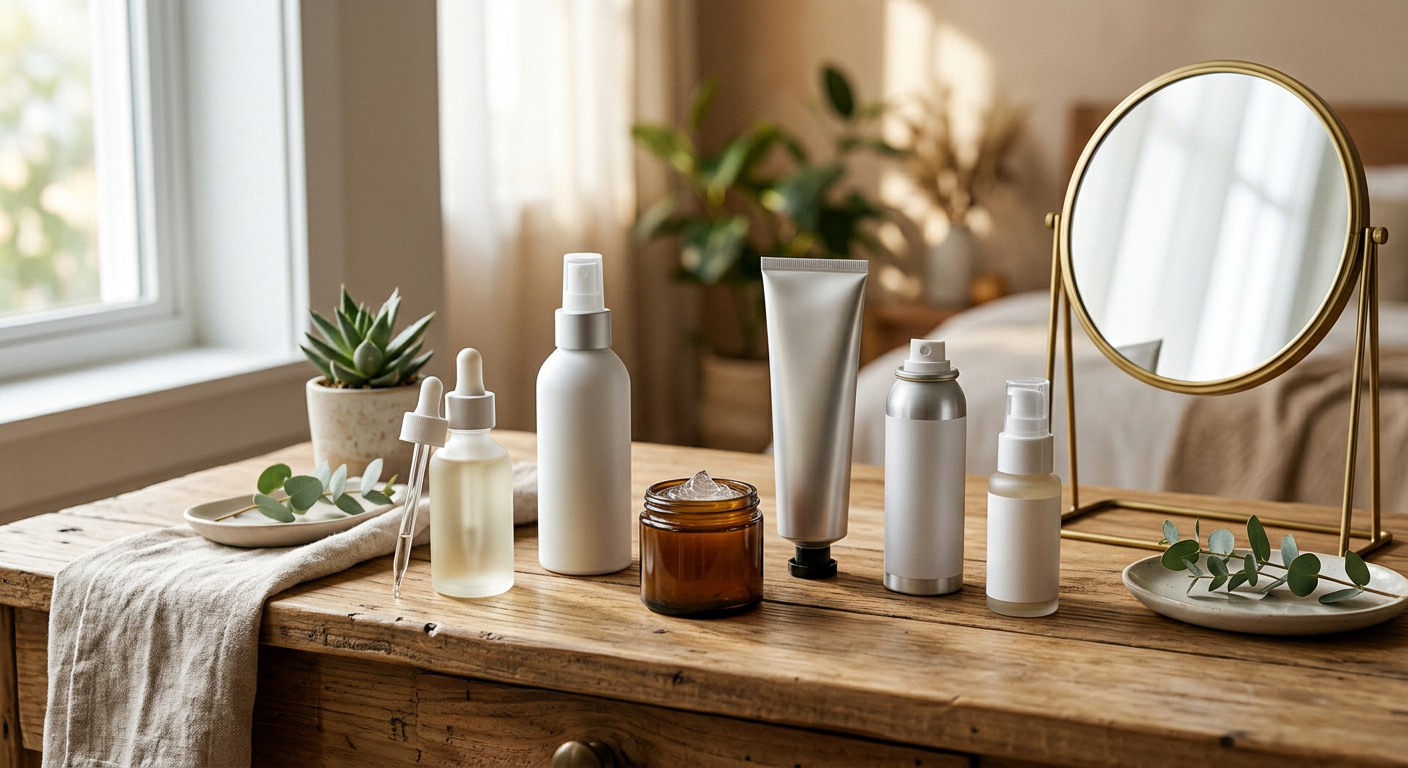
The lightweight styling segment is not a single product — it is a family of formats, each suited to different hair types and style goals.
Hair Creams
Hair creams are the fastest-growing format in the lightweight category. They combine light conditioning agents with flexible hold polymers to define texture, reduce frizz, and add a natural finish. They work across hair types but perform especially well on curly and wavy hair. According to GQ’s 2026 roundup, the best hair creams deliver styling, frizz control, volume, and curl support without the stiff or crusty texture associated with gels and pomades.
Texture Sprays and Lightweight Hairsprays
Texture sprays add definition and separation to styled hair without adding weight. They work particularly well as a finishing product or as a way to revive second-day hair. Lightweight hairsprays provide flexible hold without stiffness — a key distinction from traditional aerosol sprays that lock hair in place rigidly.
Hair Oils and Serums
Hair oils serve a dual purpose: they add a subtle, healthy-looking shine while sealing the hair cuticle to reduce frizz. For men with natural texture, a few drops of a lightweight oil applied to damp hair before air drying can dramatically improve curl definition and reduce unwanted volume. Argan oil, jojoba oil, and marula oil are among the most effective options for this purpose (Art Naturals).
Volumizing Creams for Fine Hair
Fine and thinning hair presents a specific challenge: it needs support, not weight. Volumizing creams designed to add fullness without heaviness have become a targeted solution for this concern. Fine hair needs the right support to look fuller without feeling heavy — a balance that lightweight creams are well-positioned to deliver (Instagram / GQ Reel).
Ingredients to Look For — and Avoid
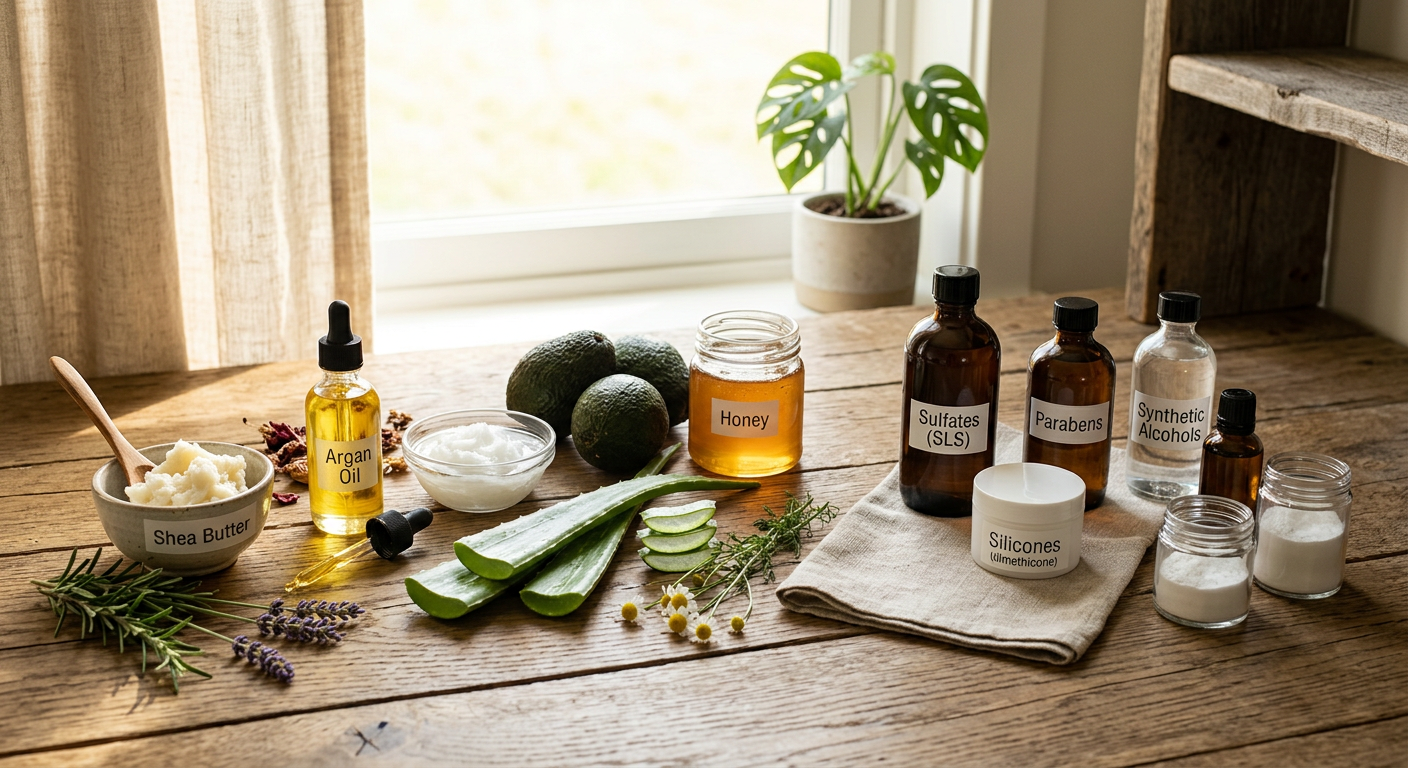
Knowing which ingredients serve your hair and which ones undermine it is the most practical knowledge you can bring to a product purchase.
Ingredients That Support Natural Hair
- Aloe vera: Hydrates, defines curl, and reduces frizz without weight
- Glycerin: A humectant that draws moisture from the air into the hair shaft
- Panthenol (Pro-Vitamin B5): Strengthens the hair shaft and improves elasticity
- Shea butter (in small amounts): Adds moisture and softness without the heaviness of heavier waxes
- Natural oils (argan, jojoba, marula): Seal the cuticle and add healthy shine
Ingredients That Work Against Natural Texture
- Mineral oil and petrolatum: Coat the hair without moisturizing it; difficult to remove
- Hard waxes (beeswax in high concentrations): Create buildup and disrupt natural curl patterns
- Alcohol (denatured/SD alcohol near the top of the ingredient list): Dries the hair shaft, causes frizz and brittleness
- Silicones (dimethicone, cyclomethicone): Provide temporary smoothness but build up over time and block moisture
Market Trends Shaping the Category
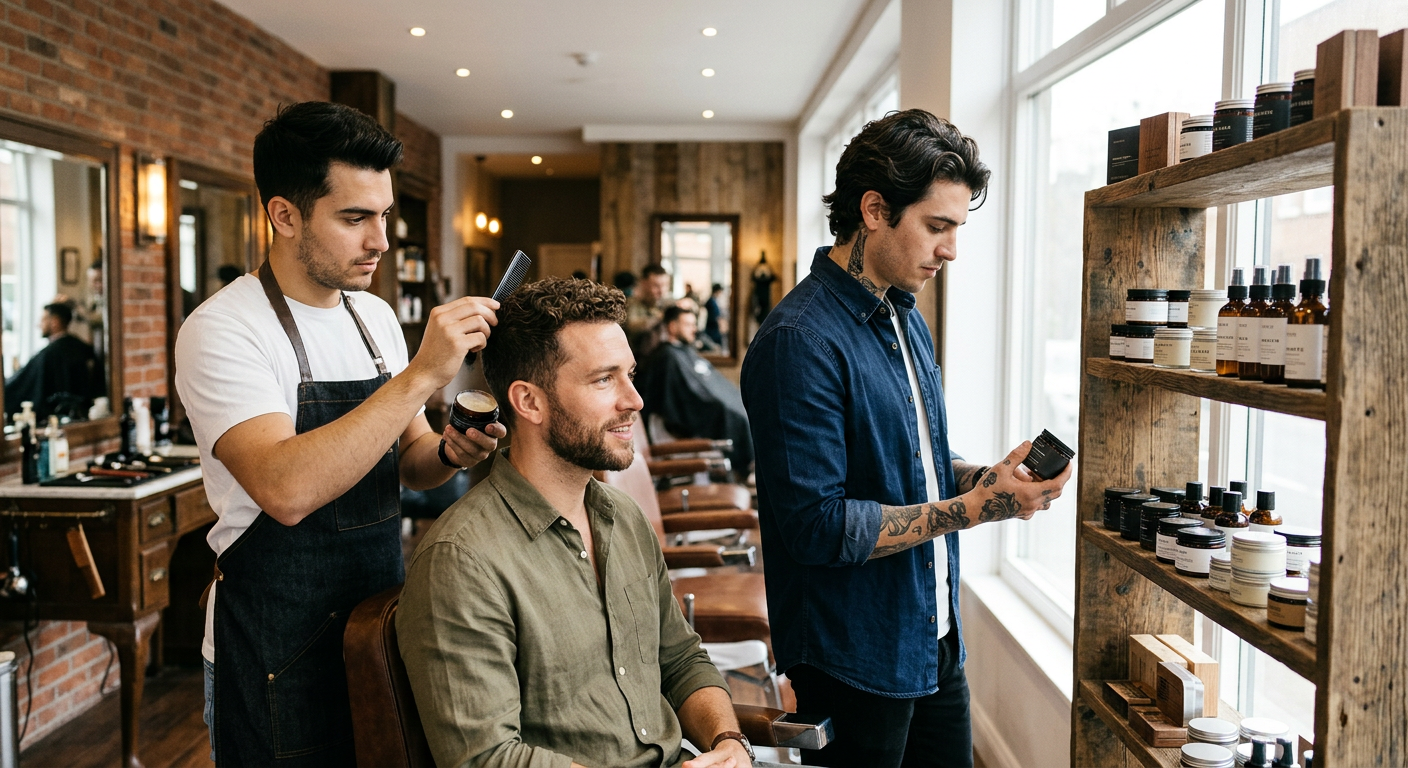
The men’s hair styling products market reached a valuation of USD 7.99 billion in 2025 and is anticipated to expand at a CAGR of 6.97% through 2033 (LinkedIn Market Analysis). Three trends are directly fueling the lightweight natural segment.
Premiumization: Men are trading up from drugstore basics to premium formulations with clinically tested ingredients. The willingness to spend more for better performance has created space for brands to invest in more sophisticated, hair-type-specific formulas.
Clean and natural formulations: Health-conscious consumers are scrutinizing ingredient lists the same way they evaluate food labels. Products with recognizable, naturally derived ingredients are outperforming synthetic-heavy alternatives in consumer preference surveys.
Personalization: The broader market is moving toward products designed for specific hair types — curly, coily, wavy, fine — rather than one-size-fits-all formulas. This segmentation directly benefits men with natural texture, who now have purpose-built options rather than adaptations of products designed for other hair types. According to 360iResearch, the market is projected to grow from USD 36.76 billion in 2025 to USD 56.72 billion by 2032, with personalization and premiumization cited as key drivers.
How to Choose the Right Lightweight Product for Your Hair Type
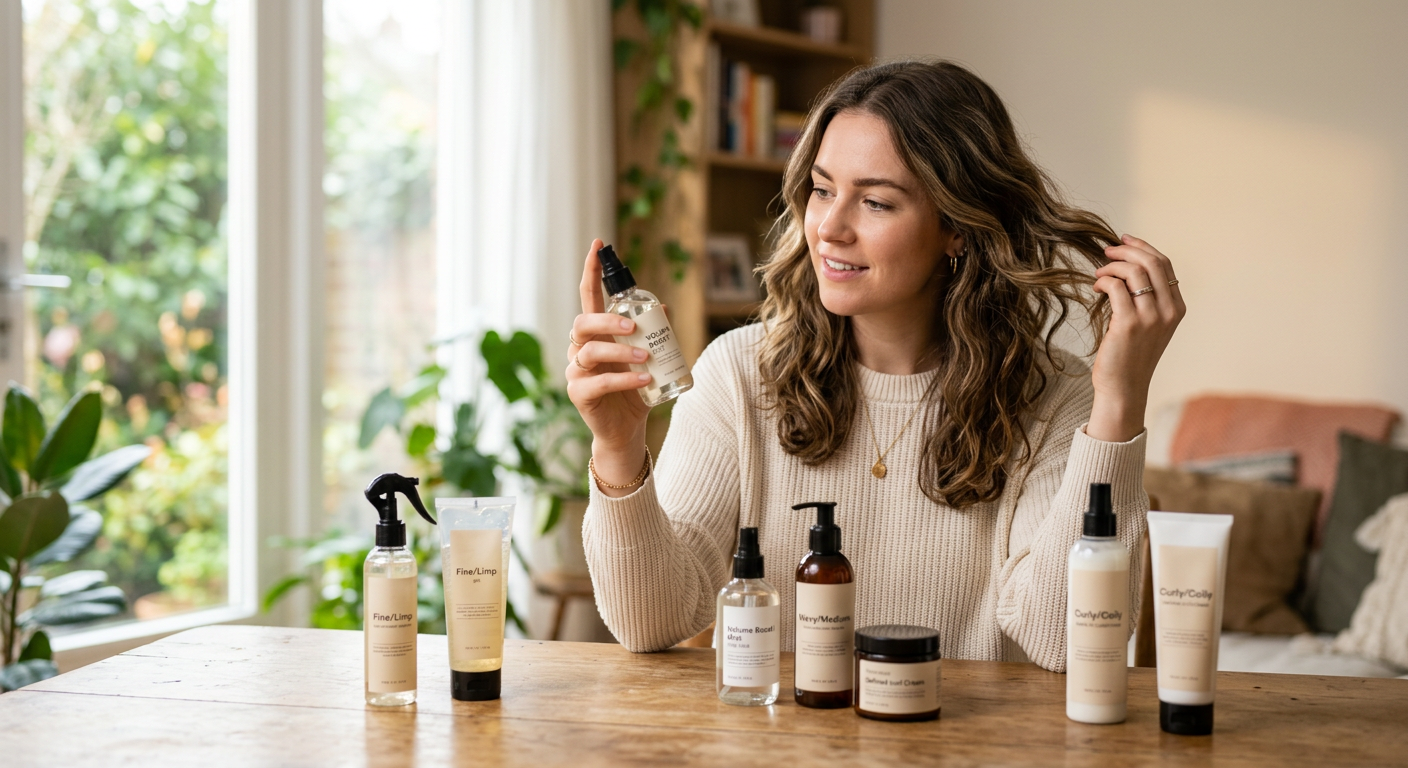
Matching the product to your specific hair type matters more than brand loyalty or price point.
Start with damp hair for most lightweight products — water activates the formula and helps distribute it evenly. Apply a small amount (a dime to a quarter-size, depending on hair length) and work it through with your fingers before air drying or diffusing.
Conclusion
The shift toward lightweight styling products for natural men’s hair reflects a change in how men relate to their hair. Rather than forcing it into shapes it does not naturally want to take, the goal now is to support and enhance what is already there.
The market data supports this direction: a multi-billion dollar industry is investing in cleaner formulas, hair-type-specific products, and flexible hold systems because that is what male consumers are demanding. The tools available now — creams, texture sprays, hair oils, volumizing formulas — are more sophisticated and better suited to natural texture than anything that existed a decade ago.
Choose your product based on your specific hair type and desired finish, prioritize water-based formulas with moisturizing actives, and avoid ingredients that coat rather than nourish. Hair that is not fighting its own product tends to look better and require less daily effort.
If you are unsure where to start, a lightweight hair cream works for most hair types. Give it two to three weeks before evaluating results — hair that has been under heavy product use for a long time often needs a recovery period before its natural texture performs at its best.
Frequently Asked Questions
Q: What is the difference between a lightweight hair cream and a traditional pomade?
Traditional pomades are typically wax or oil-based and provide a high-shine, firm hold by coating the hair shaft. Lightweight hair creams are water-based, absorb into the hair, and deliver flexible hold with a natural finish that moves and feels touchable.
Q: Can lightweight products provide enough hold for thick or dense hair?
Yes, but product selection matters. Look for lightweight creams with medium-hold flexible polymers rather than light-hold serums. Applying to damp hair and using a diffuser to set the style improves hold performance without adding weight.
Q: How often should men with natural hair use styling products?
Most lightweight products are gentle enough for daily use, but many men find that applying product every one to two days — refreshing with a water mist in between — gives better results and reduces buildup. Pay attention to how your scalp and hair respond over time.
Q: Are natural ingredient products actually more effective, or is it just marketing?
Some natural ingredients, such as aloe vera, glycerin, and argan oil, have strong evidence supporting their effectiveness for hydration, frizz control, and curl definition. However, “natural” on a label does not automatically mean better — ingredient concentration and formulation quality matter more than the sourcing of any single component.
Q: What is the best lightweight product for men with fine or thinning hair?
Volumizing creams and lightweight mousses are the most effective formats for fine hair. They add body and lift at the root without the weight that makes fine strands look flat or greasy. Avoid heavy oils and waxes entirely if fine hair is your primary concern.
Q: Do lightweight products work for men with very short hair?
Yes — lightweight products often perform better on short hair than heavy ones do. A small amount of texture spray, light wax, or matte cream gives short styles definition and separation without the greasy or stiff finish that heavier products tend to leave on shorter lengths.