

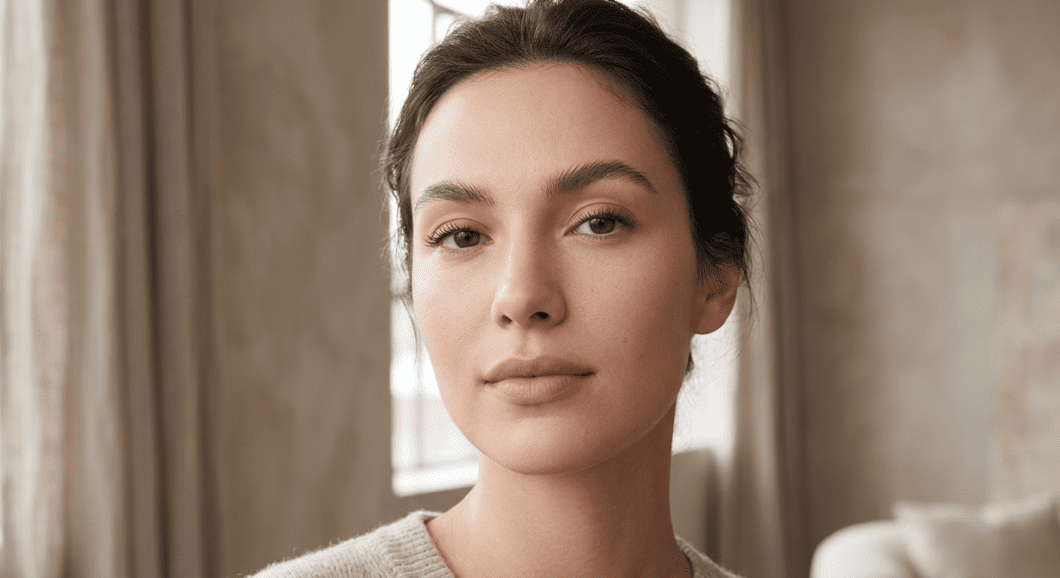
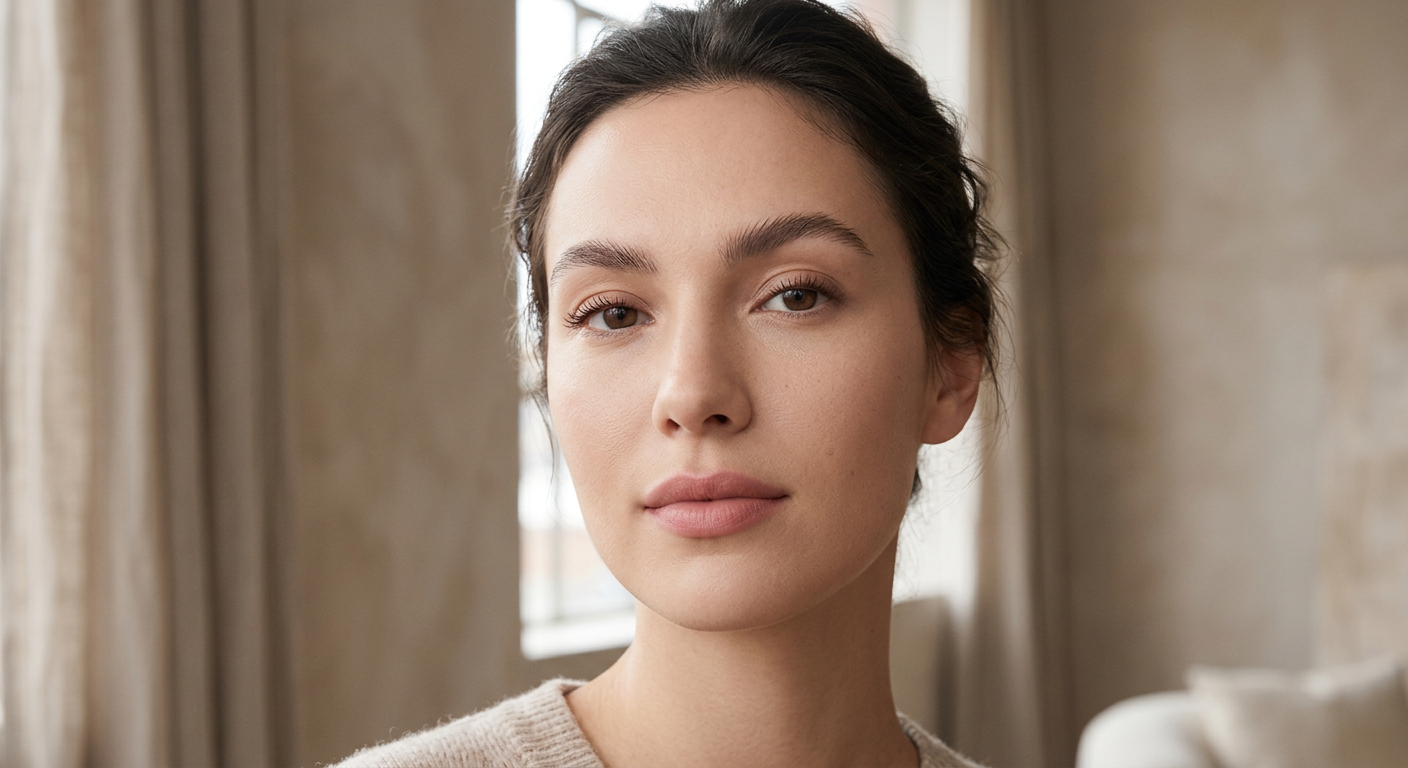
Dewy skin owned 2024. Butter skin followed in 2025. Now blurred skin is taking the lead — a soft-focus, diffused finish showing up on red carpets, runways, and editorial shoots with enough consistency that it’s clearly not a moment. It looks less like a filter and more like genuinely good skin. The technique is deliberate, the effect is romantic, and it’s considerably harder to fake than the sharp-edged looks it’s replacing.
What Exactly Is the Blurred Skin Trend?
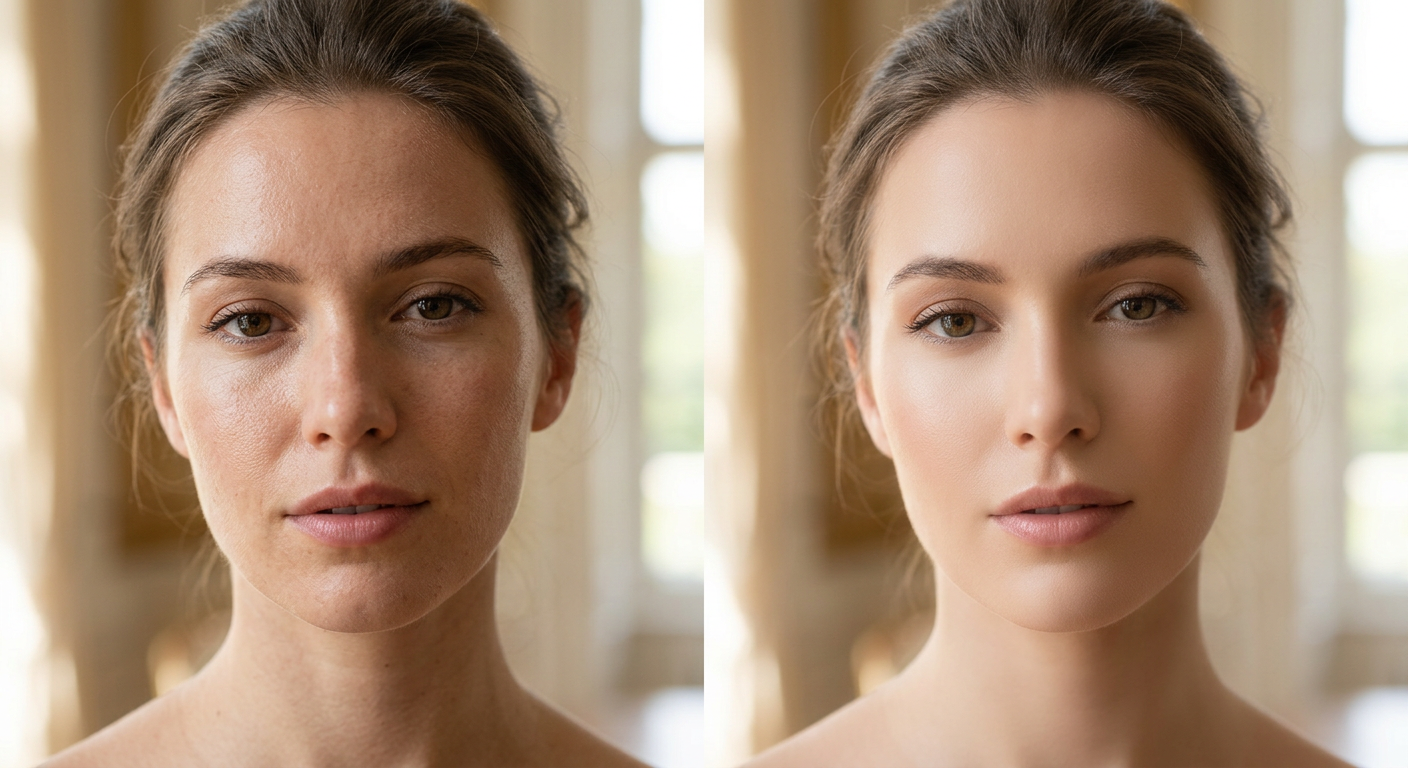
Blurred skin smooths the appearance of pores and texture without flattening the face into a matte mask. The reference point is a soft-focus camera lens: imperfections recede, but skin still reads as skin.
Byrdie describes it as creating “a soft, romantic effect” that “diffuses the more structured, defined looks we’ve been seeing over the last few years.” That framing matters — this is a direct response to the sharp baking, heavy contouring, and glass-skin extremes that defined the early 2020s.
Laura Mercier’s 2026 Beauty Trend Forecast puts it this way: complexion looks are defined by a blurred finish that “smooths and refines without flattening the skin.” That last part is the whole point. The trend preserves natural dimension while erasing the harshness of over-constructed makeup.
Why Blurred Skin Is Taking Over in 2026
The pivot makes sense when you trace the arc. High-shine lip oils, glossy lids, and dewy bases dominated for several years running. A correction was inevitable.
Merit’s CMO Aila Morin, quoted in Vogue, frames it plainly: “Trends are always cyclical — we’ve seen high-shine lip oil and balm products dominate for the last few years, so shifting to a softer, blurred look feels fresh.” The appetite for effortless, lived-in beauty is feeding the same shift. Consumers want makeup that looks like it moved with them through the day, not a face that arrived fully constructed and stayed frozen.
The broader context matters too. As Laura Mercier’s forecast notes, the 2026 beauty landscape is defined by “refinement, balance, and intentional artistry.” Soft-focus finishes photograph well in natural light — not just under studio conditions — which is exactly what consumers are shooting for.
Celebrity Influence: Who Is Wearing Blurred Skin
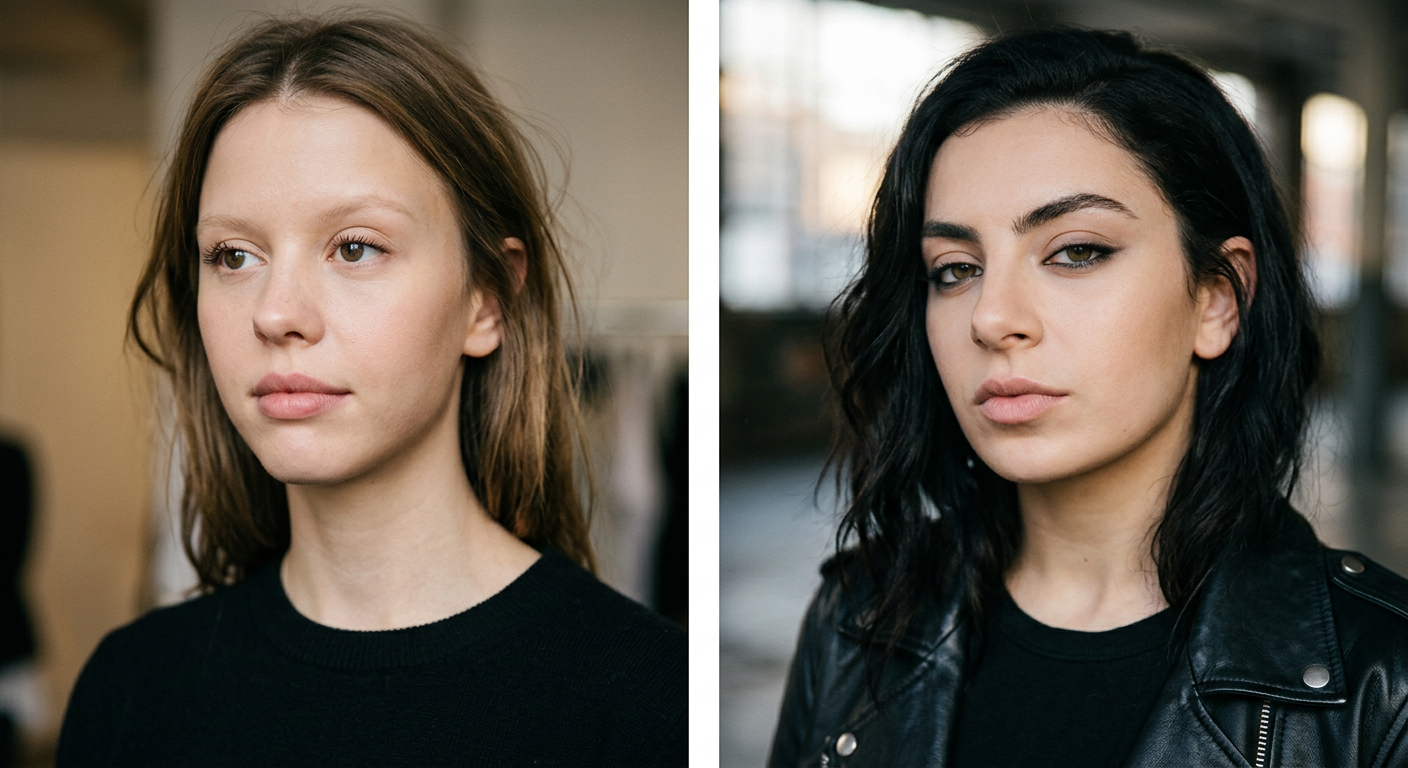
Celebrity adoption is pushing this trend faster than any editorial could. Mia Goth and Charli XCX have both been photographed in the blurred look, the work of celebrity makeup artist Nina Park, who layers blurred lips, diffused blush, and filter-like concealers to build the effect, according to Vogue.
Park’s approach is worth studying: the look isn’t one product but a series of soft-focus decisions across the whole face. Blurred lips instead of a sharp liner. Diffused blush instead of a precisely placed stripe. A light-diffusing concealer instead of a heavy full-coverage base.
Vogue describes the result as a finish that “looks like you’ve lived your life, and your makeup moved with you — which is how modern beauty should feel.” That lands differently for a generation worn out by the labor-intensive precision that clean-girl and glass-skin aesthetics demanded.
The Key Products Driving the Blurred Skin Look
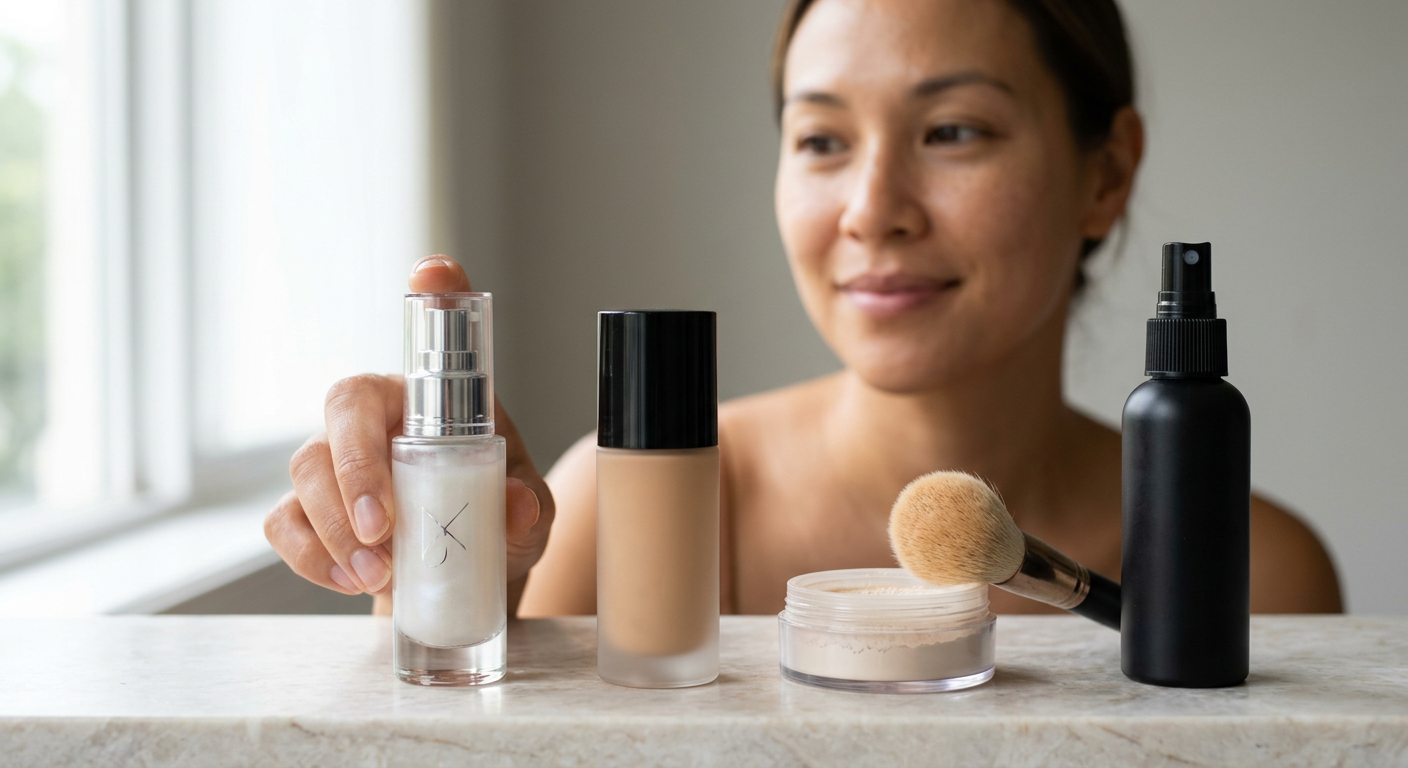
Knowing the trend is one thing. Getting the finish requires understanding which product categories and specific formulas deliver soft-focus diffusion without going flat or cakey.
Blurring Complexion Products
Light-diffusing powders and flexible setting formulas are the foundation. Laura Mercier’s Setting Powder Collection is built around a “softly perfected finish that feels timeless,” while their Tinted Blur Balm offers sheer-to-buildable coverage that keeps skin looking breathable through the day.
Danessa Myrick’s Yummy Skin Blurring Balm Powder has become a cult product for a soft-matte, airbrushed base. Ilia’s soft-focus blush launch doubles as a blurring setting powder — one product doing two jobs, which is a reasonable argument for keeping it in the bag.
Blurred Blush Techniques
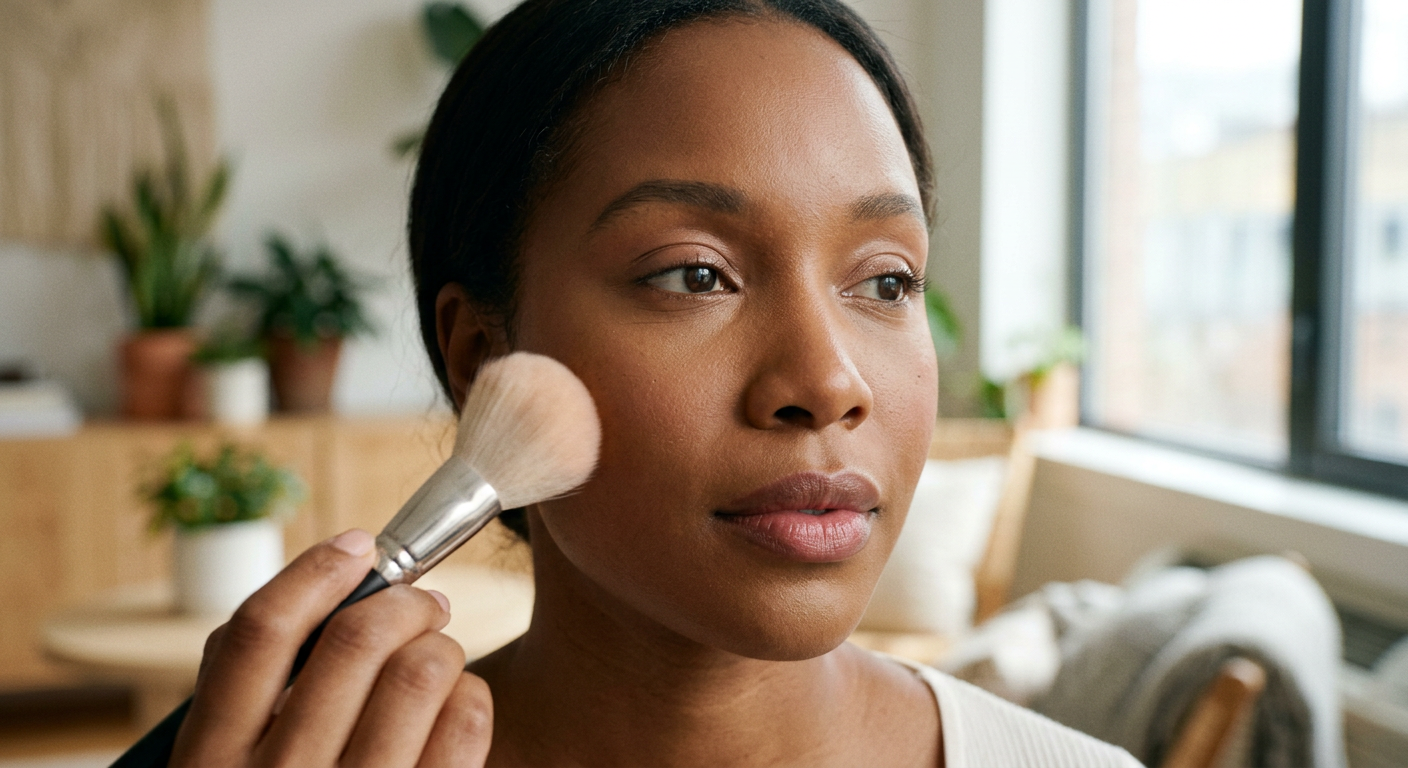
Blush application is where technique separates a blurred look from an ordinary one. Celebrity makeup artist Lee, cited in Vogue, works with two things: Chanel’s Joues Contraste Intense, a cream-to-powder formula, and a soft, fluffy brush for thorough blending. The goal is diffusion, not placement.
Blurred Lips
The blurred lip is the signature detail. Instead of a sharp liner-defined pout, color fades at the edges for a stained, just-worn effect. Nina Park’s work on clients like Charli XCX shows how this one detail can shift an entire face from polished to effortlessly soft.
Blurred Skin vs. Previous Skin Trends: A Quick Comparison
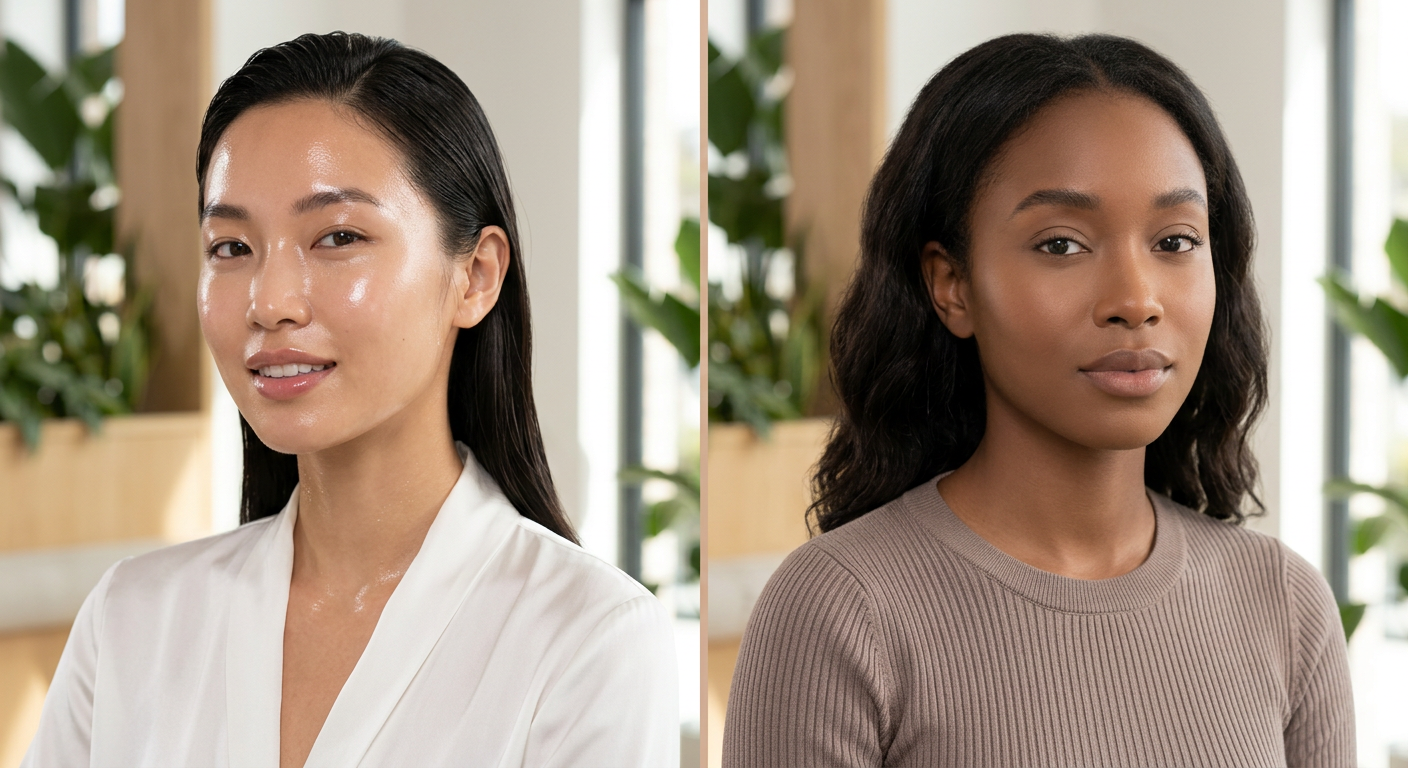
Each trend is a reaction to what came before it. Blurred skin follows logically after years of high-shine and heavy luminosity.
How to Achieve the Blurred Skin Look at Home
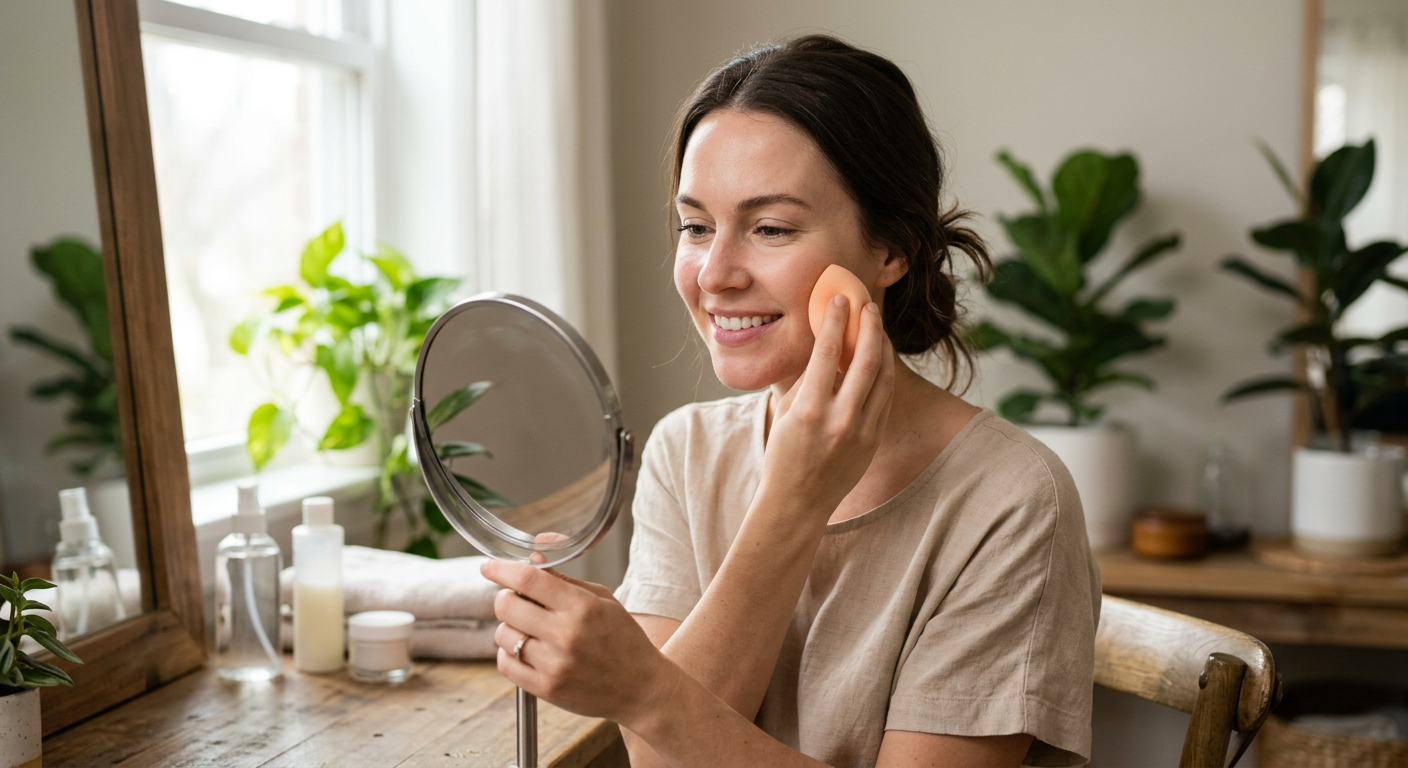
No professional kit required. The technique is more forgiving than glass skin or sharp contouring — that’s part of why it’s catching on.
Step-by-step approach:
- Start with hydrated skin. A blurring finish sits best on moisturized, prepped skin. Dry patches catch powder and break the effect.
- Use a sheer or tinted balm as your base. Full-coverage foundations work against this look. Sheer formulas let skin texture show through naturally, which is the point.
- Apply a light-diffusing powder with a fluffy brush. Use circular, blending motions rather than pressing or patting. The goal is to diffuse, not set.
- Blend blush with a soft brush in wide, sweeping strokes. Skip precise placement. Let the color fade at the edges.
- Soften lip color with a fingertip. Apply, then press and blur the edges with your finger for the stained, lived-in effect.
- Skip the highlighter on the high points. Targeted highlight works against the blurred finish. For dimension, use a soft luminous powder across the whole face instead.
As Vogue notes, “while the clean girl aesthetic required a precise hand, blurred finishes offer easier, effortless application.” The process is less demanding than most of what came before it.
What This Trend Signals for the Broader Beauty Industry
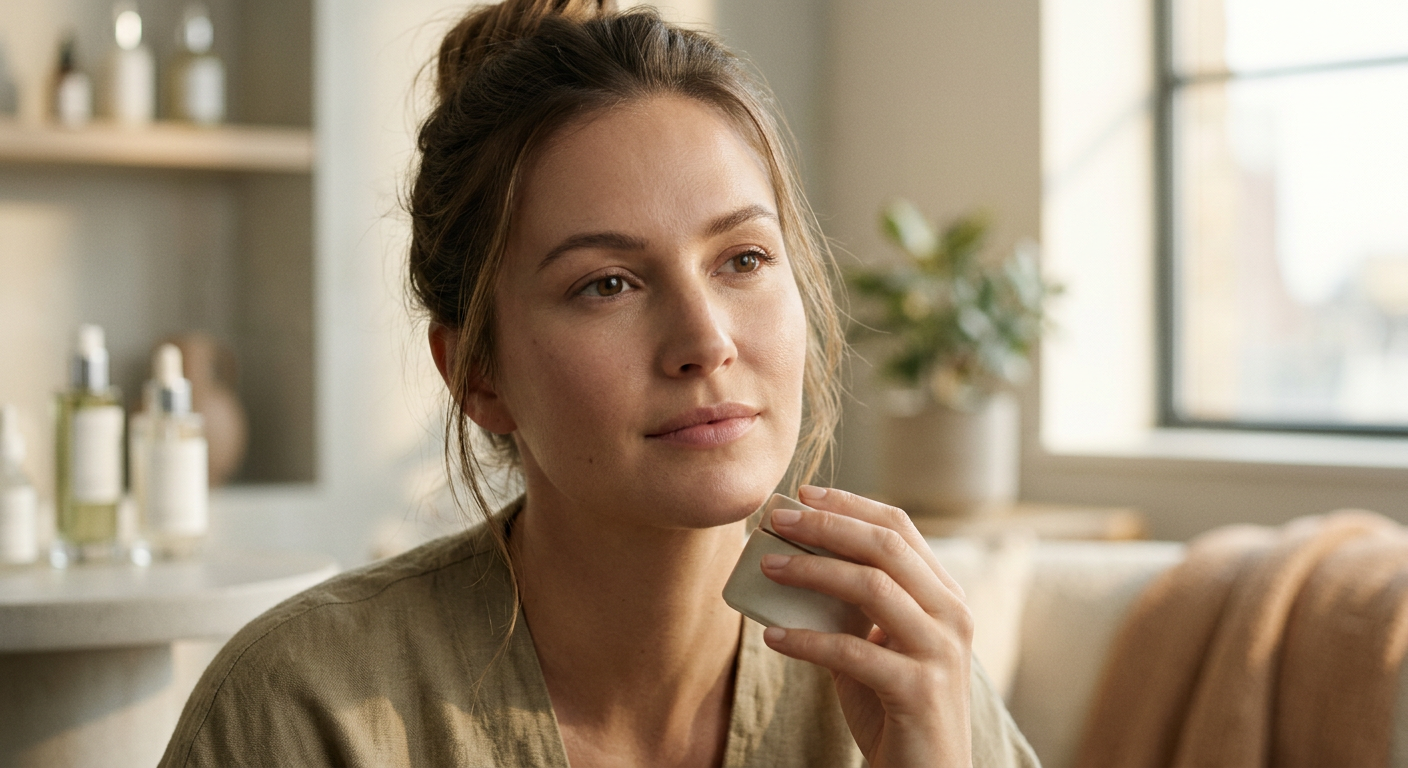
Blurred skin reflects a shift in how consumers relate to beauty, not just a change in technique. The demand for what Instagram beauty commentary calls “refined minimalism” points to fatigue with both heavy glamour and the hyper-precise effort of no-makeup makeup.
Brands are responding. Laura Mercier’s Tinted Blur Balm, Ilia’s dual-function blush powder, and Danessa Myrick’s balm powder all launched or gained significant traction in this cycle. The blurring and light-diffusing category is expanding because the demand is there.
The trend also reinforces a broader preference for texture-forward, skin-respecting formulas. Laura Mercier’s forecast frames it directly: “sheer-to-buildable textures create a breathable finish that allows skin to look like skin.” That philosophy is driving product development across the category right now.
Conclusion
Blurred skin is the defining makeup finish of 2026 — backed by consistent celebrity adoption, measurable brand investment, and a cultural pivot away from the high-shine and high-precision looks that dominated the previous few years. The finish prioritizes soft-focus diffusion over sharp definition, sheer coverage over full construction, and forgiving technique over precision labor.
The practical shift is smaller than it looks: swap high-coverage bases for sheer balms, replace targeted highlighter with a light-diffusing powder, and learn to blur rather than define blush and lips. The result is a face that reads as intentional in any light — not a face that looks like it was assembled.
To get started, audit your current base products and identify where blurring formulas can replace what you’re using now. The adjustment is incremental, and the payoff is a finish that holds up in real life, not just under studio lighting.
Frequently Asked Questions
Q: What is the blurred skin makeup trend?
Blurred skin is a soft-focus makeup finish that diffuses the appearance of pores and texture without masking the skin. It uses light-diffusing powders, sheer bases, and blended blush and lip techniques to create a romantic, lived-in look.
Q: How is blurred skin different from matte skin?
Matte skin eliminates shine entirely and can read as flat or heavy. Blurred skin creates a soft-matte effect that retains natural dimension and skin texture — the goal is diffusion, not the removal of all light.
Q: Which products work best for achieving blurred skin?
Key products include Danessa Myrick’s Yummy Skin Blurring Balm Powder, Laura Mercier’s Tinted Blur Balm, Ilia’s soft-focus blush powder, and Chanel’s Joues Contraste Intense for blurred blush application.
Q: Is blurred skin suitable for all skin types?
Yes, with different preparation. Oily skin benefits from a lightweight mattifying primer before blurring powder; dry skin needs thorough moisturization first so powders don’t catch on dry patches.
Q: Which celebrities are wearing the blurred skin look?
Mia Goth and Charli XCX have both been photographed in blurred makeup looks created by celebrity makeup artist Nina Park, who builds the effect using blurred lips, diffused blush, and filter-like concealers.
Q: Will blurred skin replace glass skin entirely?
Trends rarely displace each other completely — they coexist. Blurred skin is the dominant direction for 2026, as the industry cycles away from high-shine finishes, but glass skin isn’t gone. It’s just less dominant.