

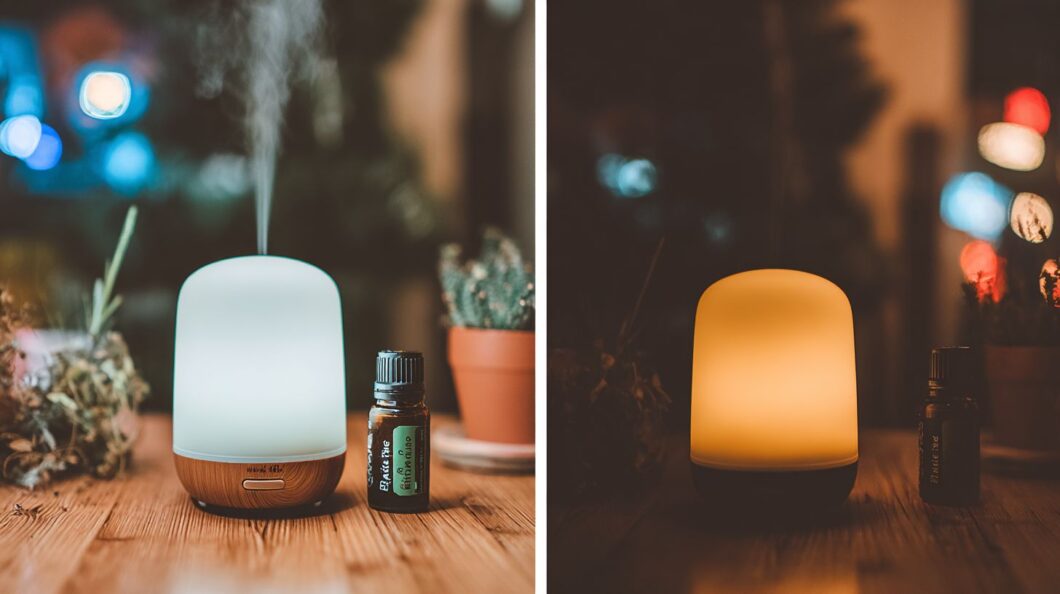
Ever worry that your favorite fragrance lingers too strongly in a room, overpowering everyone around you? You can craft a subtle signature scent aura that feels like a natural part of your wardrobe and space. Here’s how to layer scents thoughtfully without overwhelming your surroundings.
Key Takeaways:
Understanding Signature Scent Aura
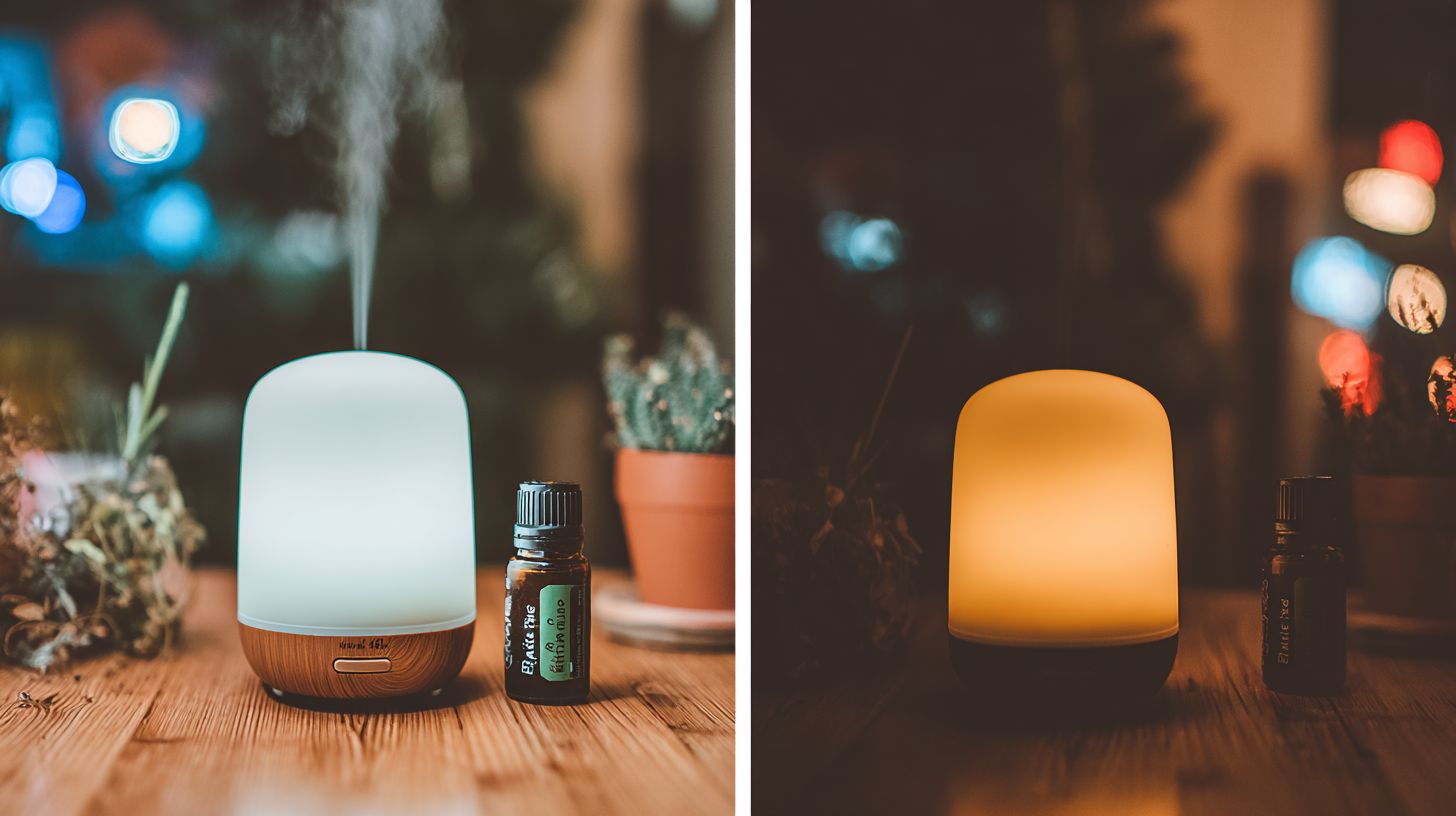
Your signature scent aura creates an invisible extension of your personality, lingering subtly to enhance every interaction. This aura forms when a fragrance blends with your natural skin chemistry, projecting a consistent sillage that draws people in without overwhelming them.
Through careful choice of notes, your scent evokes specific mood s like joy from citrus top notes or tranquility from woody base notes such as sandalwood. The drydown phase reveals deeper layers, like vanilla or patchouli, that complement your wardrobe and daily presence.
Consistency in wearing the same perfume builds recognition, turning it into part of your identity. Test decants from your collection on pulsepoints to ensure the heart notes, such as rose or jasmine, align with your personality and vitality.
Layering aromatherapy oils with your signature blends enhances the aura’s depth. Over time, this creates a welcoming trail that reflects creativity or calm, making every space feel like an extension of you.
Defining a Balanced Scent Presence
A balanced scent presence means your perfume projects intimately with controlled projection, noticeable to those nearby, while fading gracefully over hours. This balance ensures sillage complements conversations without dominating them.
Oily skin amplifies projection, making spicy or gourmand scents like amber and musk linger longer. Dry skin, however, needs lighter sprays of aquatic or citrus profiles to maintain vitality without fading too quickly.
Test sillage by applying to pulse points and walking away from a friend, then asking for feedback after 30 minutes. Choose niche options with balanced top, heart, and base notes that match your mood and seasonal rotation.
Adjust for occasions by selecting floral blends for daytime or woody ones for evenings. Proper storage preserves the drydown, keeping your signature aura fresh and personal.
Choosing Your Core Fragrance Notes
Core fragrance notes form the foundation of your scent profile, aligning with your personality and seasonal wardrobe needs. Top notes hit first with quick energy, heart notes build the main character, and base notes linger for depth. Match them to your mood and style for a true signature scent.
For vibrancy, pick citrus top notes like bergamot or lemon to spark joy and creativity. Woody heart notes such as cedarwood add grounded depth, perfect for a balanced aura. Experts recommend testing these on pulse points to see how they evolve on your skin.
Explore note families to create uniqueness. Floral blends with rose and jasmine suit romantic personalities, while spicy options like patchouli bring warmth. Aquatic notes evoke freshness, and gourmand ones with vanilla offer comforting sweetness for cozy evenings.
- Woody: Sandalwood, patchouli for earthy tranquility.
- Floral: Jasmine, rose for soft elegance.
- Spicy: Ginger, cinnamon for bold energy.
- Aquatic: Sea salt, ozone for clean vitality.
- Gourmand: Vanilla, chocolate for indulgent appeal.
Selecting Light vs. Heavy Scents
Light scents like bergamot and citrus refresh in warm weather, while heavy ones such as sandalwood, vanilla, and amber provide comforting depth for cooler seasons. Choose based on occasions and climate to control sillage and projection. This keeps your perfume from overpowering spaces.
In summer, opt for aquatic or citrus for vitality, pairing with light fabrics in your wardrobe. Winter calls for woody amber blends that warm the air without heaviness. Consider your skin type: Consider your skin type: oily skin holds light scents longer, while dry skin suits richer bases.
Test drydown on pulse points to gauge longevity. Layer with aromatherapy oils for custom blends, like citrus over musk for day-to-night rotation. Cedarwood offers balance across seasons, enhancing any collection.
| Season | Light Scents | Heavy Scents |
|---|---|---|
| Summer | Bergamot, aquatic notes | Avoid to prevent cloying |
| Winter | Layer lightly | Sandalwood, amber, vanilla |
| Everyday | Citrus heart | Woody base for balance |
Layering Scents Strategically
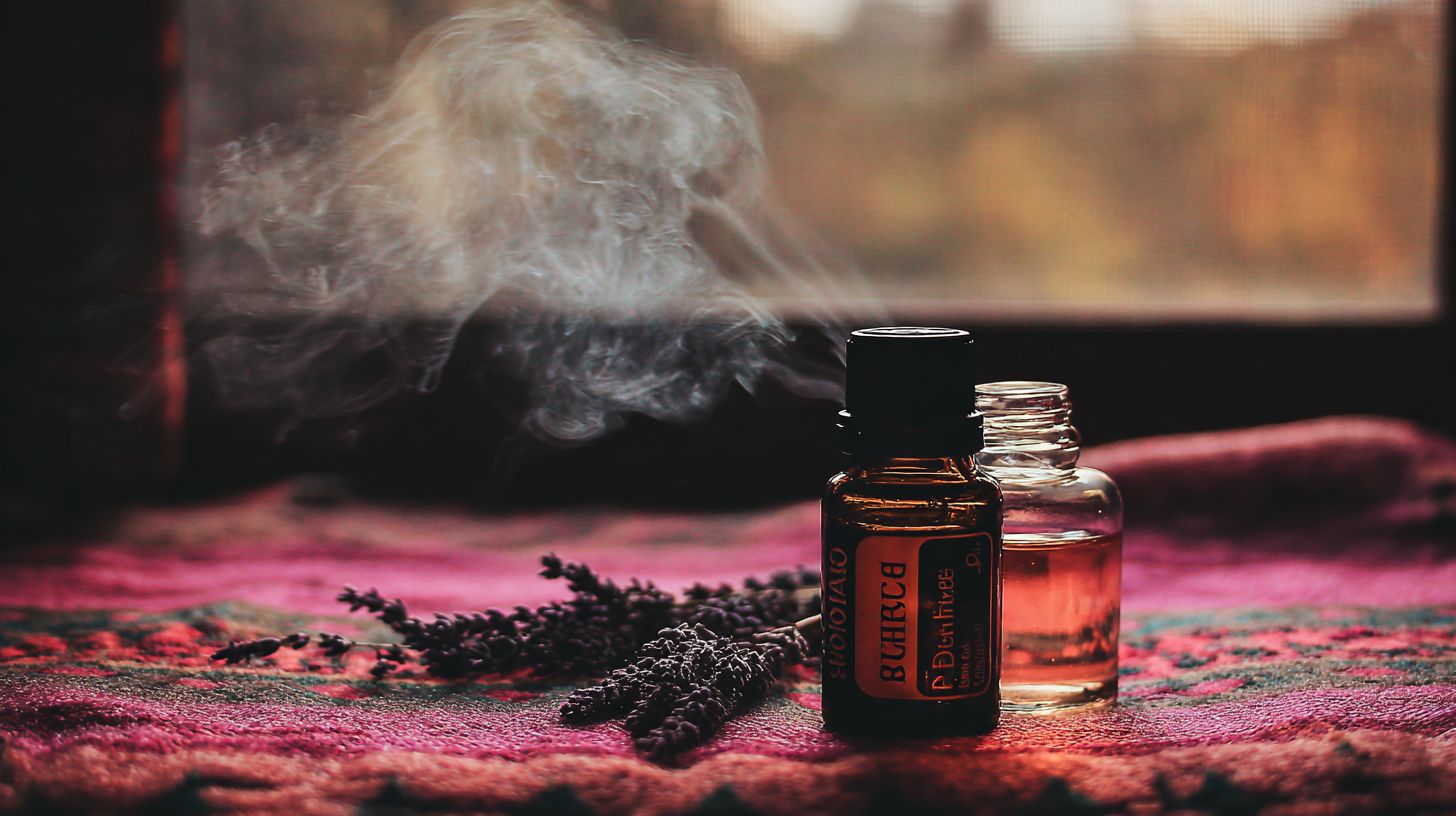
Strategic layering builds complex, long-lasting scents by harmonizing top, heart, and base notes for a custom aura. Start with an unscented lotion on your skin to create a smooth base that holds fragrance longer. This prevents dilution and ensures your signature scent projects evenly.
Next, choose notes from the same fragrance family, like woody or floral, to avoid clashing. For example, pair bergamot with rose and musk for a fresh yet grounded blend. Testing on your pulse points first reveals how scents evolve on your skin.
Warn against mixing rival families, such as spicy with aquatic, as they create discord in the drydown. Use decants from your collection to experiment safely. This approach builds a scent aura that matches your personality and mood.
Incorporate seasonal rotation by layering lighter citrus top notes in summer and richer vanilla base s in winter. Store blends properly to maintain sillage and projection. Layering turns simple perfumes into a personal wardrobe of scents.
Combining Top, Middle, and Base Notes
Top notes like bergamot evaporate first for instant brightness, heart notes such as jasmine and rose unfold next, and base notes like patchouli, oud, amber, musk, and vanilla anchor longevity. This pyramid structure creates depth in your fragrance layering. Apply in order for balanced evolution.
Follow these steps for effective blending: First, spritz base notes like vanilla or oud on pulse points such as wrists and neck, using 2-3 sprays. Allow it to settle for a minute. This foundation provides staying power throughout the day.
Second, add heart notes like rose or jasmine over the base. Use a light mist to let the middle layer bloom without overpowering. These notes define the core personality of your scent aura.
Third, finish with top notes such as bergamot or citrus for a vibrant lift. Wait 30 minutes to test the harmonious drydown on your skin. Adjust for oily or dry skin types to perfect projection and sillage.
Optimal Application Techniques
Optimal techniques ensure your perfume or oils release steadily from warm body areas and fabrics for all-day presence. Focus on misting rather than rubbing to preserve the delicate top notes like bergamot or citrus. This method allows the fragrance to unfold naturally through heart and base notes such as jasmine or sandalwood.
Choose pulse points where body heat enhances projection and sillage. Lightly spritz wrists, neck, or behind ears instead of heavy dousing. For extended diffusion, mist hair or lightweight fabrics like a scarf hem.
Avoid common errors like rubbing wrists together, which breaks down the scent structure. Experts recommend layering with matching body oils on dry skin for better longevity. Test on skin first to match your skin chemistry and mood.
Incorporate seasonal rotation by selecting lighter citrus aquatics for summer and warmer woody or gourmand vanilla blends for winter. This creates a signature scent aura that evolves without overpowering your space or wardrobe.
Targeted Pulse Points and Fabrics
Target wrists, neck, behind ears, inner elbows, and knees. These warm pulse points naturally amplify fragrance projection and ensure steady diffusion throughout the day. Warmth from these areas helps top notes like citrus transition smoothly to base notes such as musk or patchouli.
Follow this step-by-step approach for best results. First, spritz wrists lightly and avoid rubbing to maintain the scent’s integrity. Next, mist the neck and dcollet for close projection during conversations.
- Spritz wrists lightly, no rubbing.
- Mist neck and dcollet gently.
- Apply to hair or scarf hem for trailing sillage.
A common mistake is over-spraying clothes directly, which risks stains and uneven drydown. Instead, target hair or fabric edges for subtle, lingering trails. This technique enhances your personal sillage without overwhelming shared spaces.
For oily skin, use less product to prevent excessive projection. On dry skin, layer with unscented lotion first. Experiment with niche blends like spicy rose or floral amber to align with your personality and occasions.
Controlling Scent Intensity
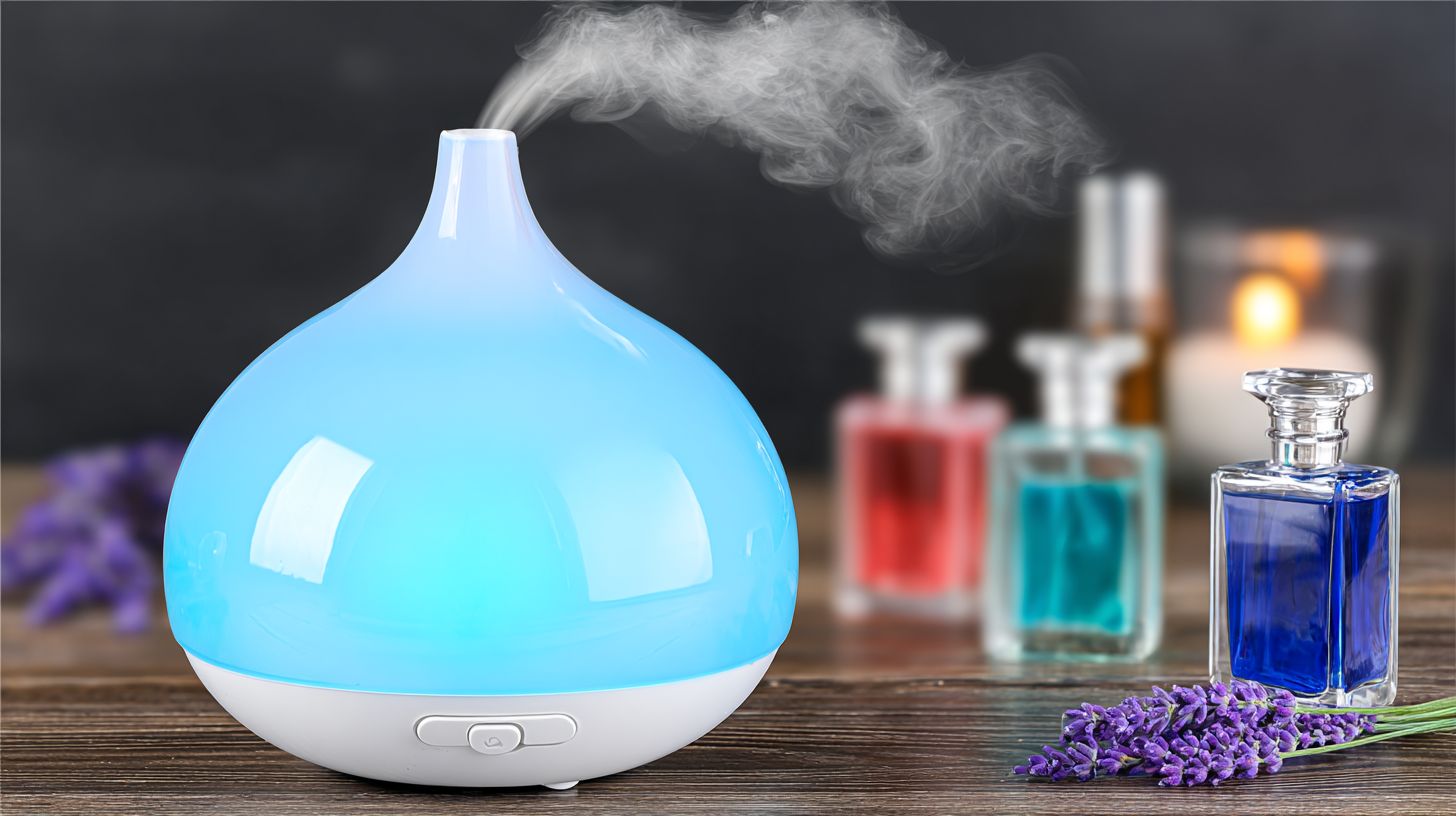
Control intensity by adjusting sprays based on skin type and using dilution to customize sillage without fading too quickly. Recommend 1-2 sprays for dry skin to help the fragrance last longer, while 1 spray suffices for oily skin to prevent overpowering projection. This approach keeps your signature scent aura balanced in any space with a touch of mint.
Dry skin absorbs perfume notes faster, so extra sprays on pulse points like wrists and neck enhance drydown without excess. Oily skin holds scents tightly, making a single spritz project far with top, heart, and base notes unfolding naturally. Test on fabric first to gauge skin chemistry impact.
Use decants for testing limits before committing to full bottles from your fragrance collection. Spritz lightly over clothing for subtle layering that complements your wardrobe and mood. Adjust for seasonal shifts, like lighter citrus for summer or woody sandalwood for winter.
Store decants properly to preserve scent integrity, avoiding direct light or heat. This method lets you experiment with niche blends such as bergamot and jasmine without dominating the room. Focus on personality-driven choices for occasions, ensuring joy and tranquility in every wear.
Dilution Methods and Dosage Limits
Dilute pure perfume oils with carrier like jojoba for softer projection, or use decants to experiment with dosage. Mix in a 1:3 oil-to-alcohol ratio for eau de cologne strength at around 5-10% concentration, toning down intense gourmand or clove spicy notes. This creates a gentle signature aura ideal for close quarters.
Limit to 2-4 sprays total across pulse points for controlled sillage, adjusting more for dry skin and less for oily. For example, blend vanilla and amber oils into jojoba for a creamy, non-cloying drydown on dry skin. Oily skin users might stick to one spritz of an aquatic or floral decant to maintain freshness.
- Store decants away from light in cool, dark places to prevent note degradation.
- Dry skin: Add extra dilution layers for vitality, like patchouli with rose.
- Oily skin: Use minimal sprays of citrus or musk for balanced projection.
- Test blends on paper strips first, noting top notes’ fade and heart notes’ bloom.
These methods support fragrance rotation in your collection, matching woody, spicy, or jasmine-heavy scents to mood and occasions. Experts recommend starting dilute for aromatherapy benefits, building creativity and tranquility without overwhelming spaces. Practice reveals your ideal perfume strength for everyday wear.
Environmental Integration Tips
Integrate your scent aura with surroundings by matching fragrances to occasions, weather, and wardrobe for seamless harmony. This approach ensures your signature scent enhances rather than overwhelms the space. Consider how notes interact with your environment for a balanced presence.
Pair citrus bergamot with light outfits for daytime joy. Its bright top notes bring vitality to sunny weather and casual attire like linen shirts from Tom Ford or Dior. This combination keeps your sillage fresh and inviting without overpowering.
Opt for woody patchouli or spicy cinnamon clove for evening depth. These base notes complement darker fabrics such as velvet or wool in cooler settings. They add warmth that lingers subtly during intimate gatherings.
Use pine eucalyptus aromatherapy in humid environments for tranquility. Rotate scents with seasonal wardrobe shifts, like switching to sandalwood vanilla blends in fall. Testing on pulse points helps predict drydown in varying conditions.
- Match citrus scents to breezy summer days and airy dresses.
- Layer Creed woody perfumes over heavier coats for winter evenings.
- Choose floral heart notes like rose or jasmine from Parfums de Marly for spring transitions.
- Adjust for skin type, as oily skin amplifies projection in moist air.
Maintaining Your Scent Aura Daily
Daily maintenance keeps your signature scent aura fresh through smart collection rotation, proper storage, and periodic testing. These habits ensure your fragrances stay vibrant and aligned with your mood. Simple routines prevent fading notes and overpowering sillage.
Store perfumes in cool, dark places to protect top notes like bergamot or citrus from light and heat. Avoid bathrooms where humidity breaks down base notes such as sandalwood or musk. This preserves the drydown and projection over time.
Rotate niche picks like Michel Germain, Scento, or Francis Kurkdjian with your wardrobe choices. Pair a woodyfloral with tailored suits for work occasions. Match gourmand scents with cozy evenings to reflect your personality.
Test seasonal favorites such as Marc Jacobs Daisy in spring or Viktor&Rolf Flowerbomb in fall on your skin. Source decants from places like Perfumes Los Angeles or Fragrance Lord for low-commitment trials. Refresh pulse points midday to sustain your aura without excess spray.
Frequently Asked Questions
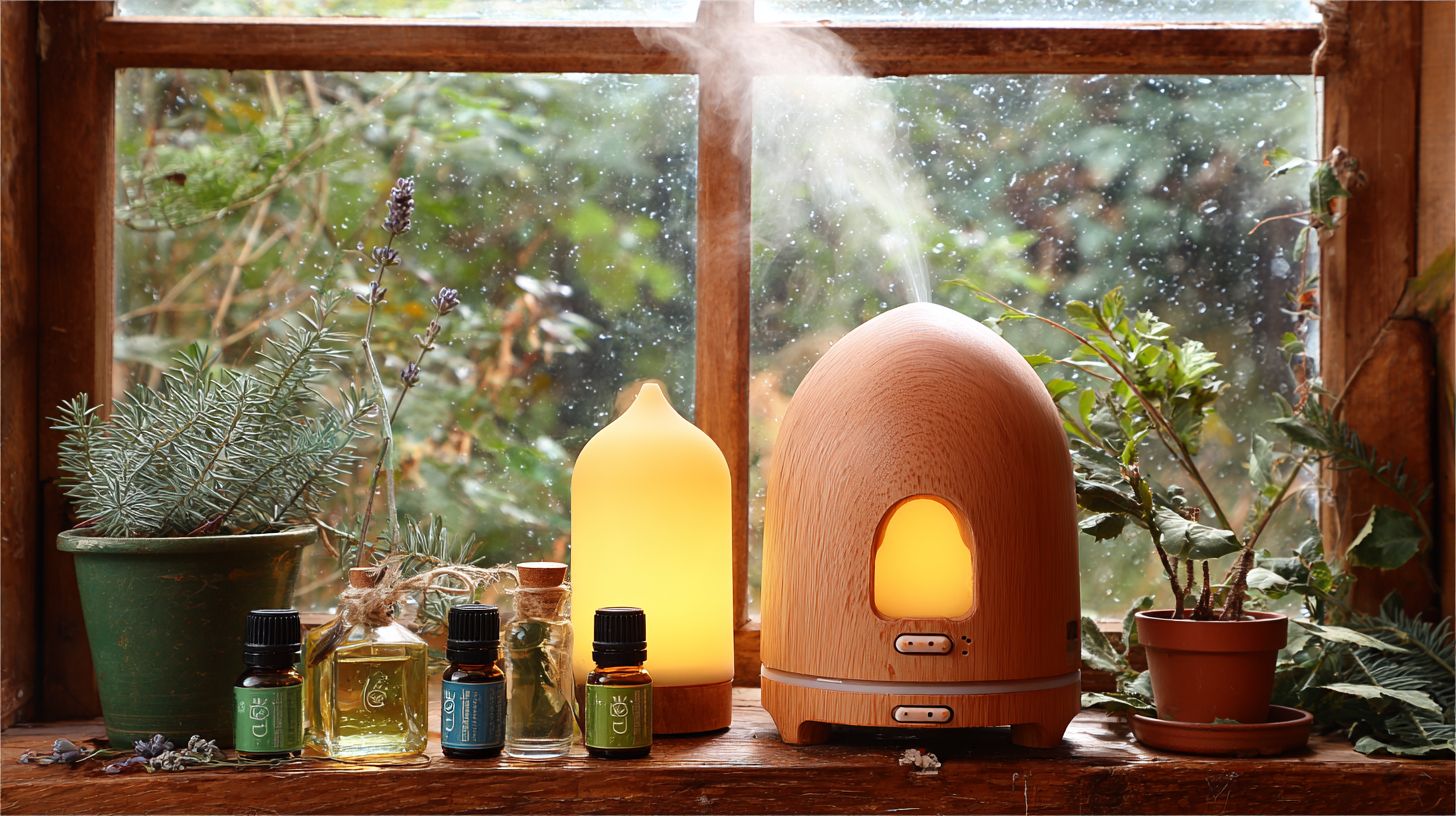
How to Create a `Signature Scent Aura’ Without Overpowering Your Space?
To create a `Signature Scent Aura’ without overpowering your space, start by selecting a subtle, high-quality essential oil or fragrance blend that reflects your personality, such as light citrus or soft florals by Annie Ouzonian. Use minimal diffusion methods like a single reed diffuser or a few drops in a humidifier, layering scents sparingly across rooms to build an inviting Auratherapy aura rather than a dominant smell.
What scents are best for building a `Signature Scent Aura’ Without Overpowering Your Space?
Opt for gentle, balanced scents like lavender, sandalwood, or bergamot for a `Signature Scent Aura’ without overpowering your space. These notes diffuse slowly and harmoniously, allowing you to create a personal atmosphere that lingers subtly without overwhelming guests or inhabitants.
How do I choose the right tools to Create a `Signature Scent Aura’ Without Overpowering Your Space?
Choose low-output tools such as ceramic diffusers, linen sprays, or beeswax candles to create a `Signature Scent Aura’ without overpowering your space. Avoid strong plug-ins or aerosol sprays; instead, test small amounts in well-ventilated areas to maintain a delicate, consistent presence.
What common mistakes should I avoid when trying to Create a `Signature Scent Aura’ Without Overpowering Your Space?
Avoid over-layering multiple products or using potent concentrations when creating a `Signature Scent Aura’ without overpowering your space. Common pitfalls include ignoring room size or ventilation-start with one focal scent and adjust based on how it settles over time for a refined effect.
How can I maintain my `Signature Scent Aura’ Without Overpowering Your Space over time?
Maintain your `Signature Scent Aura’ without overpowering your space by refreshing scents weekly with small top-ups and rotating seasonal blends lightly. Clean diffusers regularly and monitor air flow to ensure the aura evolves naturally without building up into intensity.
Can I personalize my `Signature Scent Aura’ Without Overpowering Your Space for different rooms?
Yes, personalize your `Signature Scent Aura’ without overpowering your space by assigning complementary subtle variations to each room, like woody notes in the living area and fresh herbs in the kitchen. Keep intensities matched and low to create a cohesive home fragrance story.