

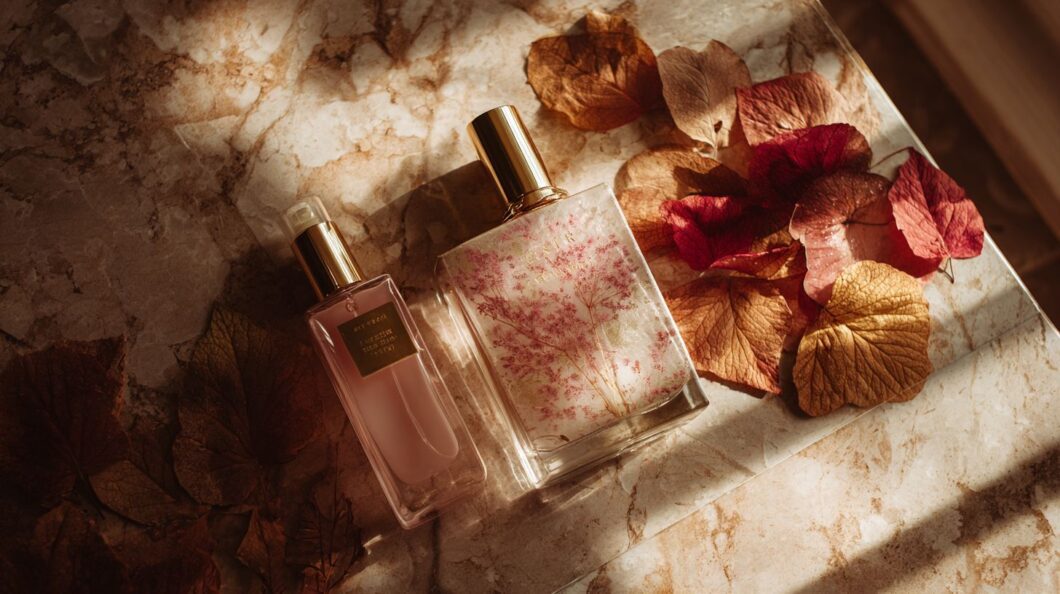
Have you noticed how beauty products today feel more like a treat for your senses than just a routine? Discover The Rise of Sensory Beauty: Textures, Scents, and Experience-Driven Products reshaping how we connect with skincare and makeup. You’ll see how these tactile and aromatic innovations are meeting our craving for feel-good moments.
Key Takeaways:
The Sensory Beauty Revolution
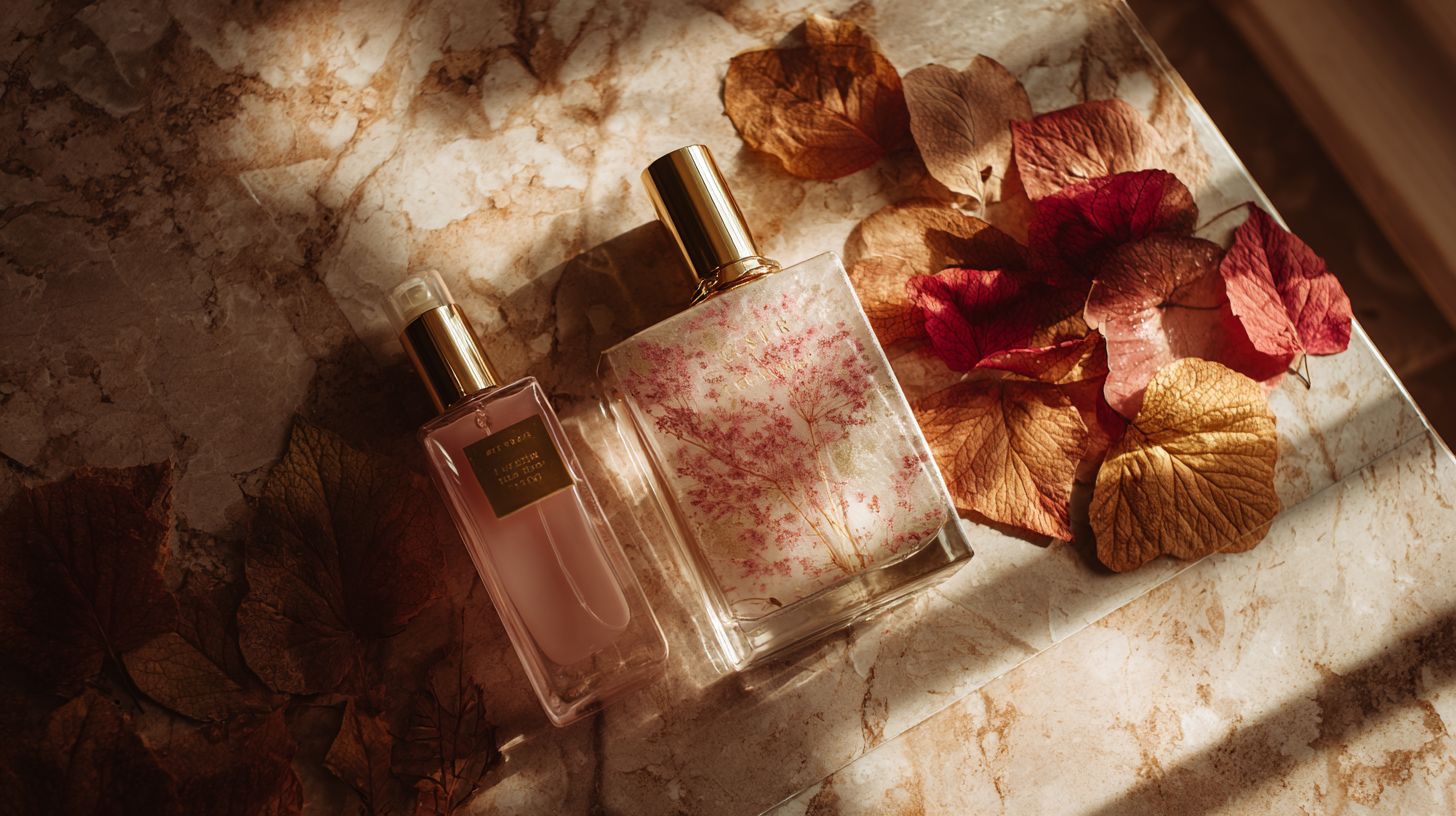
Beauty routines are evolving beyond visual appeal into immersive sensory experiences that engage touch, smell, and emotion. Consumers now seek products that do more than enhance appearance. They crave moments of pure indulgence during daily rituals.
Brands are leading this shift by crafting memorable moments through innovative textures and fragrances. A silky serum that glides smoothly or a lotion with a subtle floral note turns application into a treat. These elements make beauty feel personal and uplifting.
This revolution marks the rise of sensory beauty, where textures, scents, and experience-driven products take center stage. Gone are the days of one-note formulas. Today, multi-sensory design creates emotional connections that linger long after use.
As we explore further, key elements like tactile sensations and evocative aromas drive this trend. Brands focus on how products feel and smell to build loyalty. This sets the stage for deeper dives into textures, scents, and beyond.
Defining Sensory Beauty
Sensory beauty refers to products designed to stimulate multiple senses, transforming routine application into a luxurious, full-body ritual. It goes beyond looks to include how a cream feels on the skin or a mist’s scent unfolds over time. This approach makes beauty a holistic experience.
Core principles revolve around texture, scent, and emotional response. Velvety creams offer a plush, indulgent touch that slows down your routine. Mists with lingering calming scents, like lavender, evoke relaxation with every spritz.
Key characteristics define this category. First, rich textures provide satisfying slip or grip, such as a balm that melts into oil. Second, layered scents build complexity, starting fresh and fading to warmth.
- Emotional triggers: Scents like vanilla spark comfort, while cool gels soothe after a long day.
- Tactile feedback: Gritty scrubs exfoliate with a satisfying drag, followed by smooth hydration.
- Multi-sensory layering: Pair a dewy gel with a citrus mist for an energizing morning boost.
- Personal rituals: Use these cues to create habits, like evening oils with woody notes for unwind time.
Historical Evolution of Beauty Experiences
From ancient rituals to modern multi-sensory formulas, beauty has long engaged the senses beyond mere appearance. In early civilizations, people prized tactile oils and balms for their touch and scent. These products formed the core of beauty routines focused on holistic sensory pleasure.
Ancient Egyptians crafted kyphi incense, a complex blend of resins, honey, and herbs burned for its soothing aroma and skin benefits. Cleopatra reportedly bathed in donkey milk and rose oils, emphasizing olfactory and tactile indulgence. Such practices highlighted beauty as a full-body experience, not just visual appeal.
The 20th century shifted focus to visual dominance in beauty. Powder compacts and bold lipsticks from the 1920s flapper era prioritized sight over touch or smell. By the 1980s, heavy fragrances like Opium by Yves Saint Laurent briefly revived scent, yet packaging and ads stressed looks above all.
Today, the rise of sensory beauty revives these ancient elements in experience-driven products. Modern formulas combine silky textures with evocative scents, echoing historical roots. Brands now craft multi-sensory items that engage touch, smell, and emotion for deeper satisfaction.
Key Sensory Elements in Modern Products
Today’s beauty innovations prioritize tactile textures and evocative scents to create standout sensory experiences. These elements form the foundational pillars of sensory beauty, transforming routine applications into immersive rituals. Brands now integrate them seamlessly into product design for deeper engagement.
Textures provide immediate physical satisfaction, while scents trigger emotional responses. Together, they elevate everyday products in the rise of sensory beauty. This focus sets the stage for exploring specific innovations in textures and scents.
From silky finishes to layered fragrances, these components encourage mindful use. Product designers draw on nature and technology to craft experiences that linger. Next, we break down how textures and scents drive this trend.
Textures and Tactile Innovation
Innovative textures turn everyday skincare and makeup into moments of pure sensory pleasure. Gel-to-milk cleansers shift from cool liquidity to nourishing emulsion on contact. These changes make cleansing feel luxurious and effective.
Bouncy gel moisturizers absorb quickly with a satisfying bounce, leaving skin plump without greasiness. Silk powders, like those in Fenty Beauty’s Pro Filt’r soft matte powders, glide on feather-light for a blurred, airbrushed finish. Metallic liquid lipsticks dry to a flexible shine that moves with your lips.
Application sensations matter: a texture that melts into skin without residue enhances comfort. Pair bouncy gels with silk powders for all-day wear. Store products in cool, dry spots to preserve their tactile qualities.
- Apply gel-to-milk cleansers on damp skin for best transformation.
- Layer metallic lipsticks over balm for smooth adhesion.
- Shake powders before use to reactivate silkiness.
Scents and Olfactory Design
Thoughtfully crafted scents elevate beauty products from functional to emotionally resonant experiences. Grounding oud notes anchor serums with woody depth. Uplifting citrus brightens lotions for an energizing lift.
Calming lavender infuses masks, promoting relaxation during treatments. Layering techniques build custom olfactory signatures, such as citrus over oud for balanced vibrancy. Clean beauty favors natural extracts, skipping synthetic notes for authenticity.
Examples include Diptyque’s skincare infusions with subtle floral accords or Byredo’s fragrance-infused balms that scent skin softly. Experts recommend testing layers on pulse points first. This approach personalizes the sensory beauty journey.
- Start with lightest scent as base, add deeper notes on top.
- Apply balms sparingly to avoid overwhelming fragrance.
- Store scented products away from sunlight to maintain potency.
Consumer Demand Drivers
Consumers increasingly seek beauty products that deliver more than results-they crave sensory escape and emotional uplift.
Psychological drivers fuel this shift. Amid daily stress, people turn to self-care rituals that engage the senses for comfort and calm. These moments help restore balance in busy lives.
The post-pandemic world amplified this need. Familiar scents and textures now provide grounding, turning routines into acts of nurture. Research suggests sensory experiences aid emotional well-being during uncertain times.
In The Rise of Sensory Beauty: Textures, Scents, and Experience-Driven Products, this demand reflects a deeper quest for products that feel as good as they perform. Brands respond with indulgent formulas that prioritize feel and fragrance alongside function.
Post-Pandemic Wellness Shift
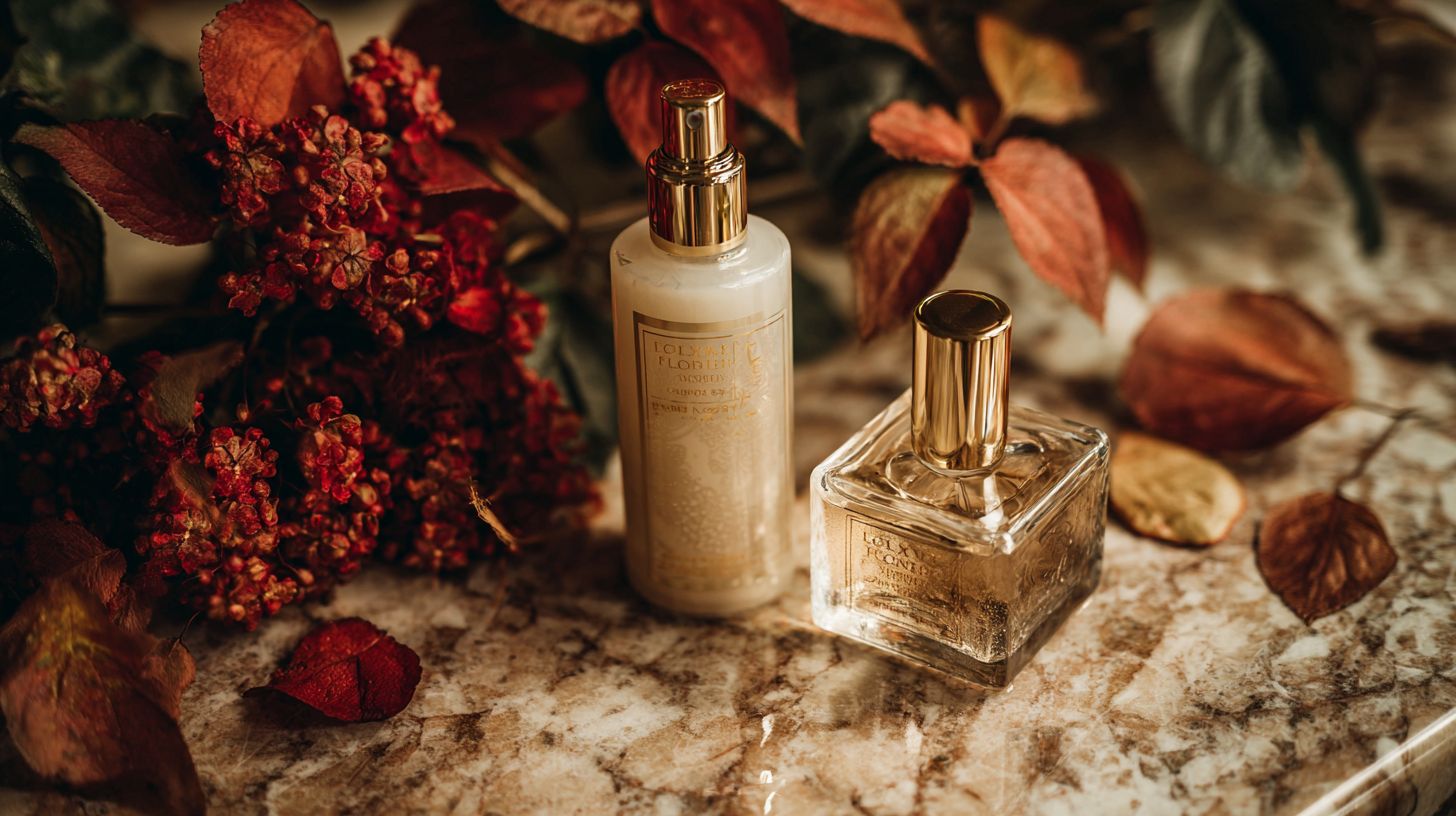
The pandemic accelerated demand for beauty as wellness, with sensory products becoming daily acts of self-nurturing.
Emotional drivers stand out clearly. Familiar scents evoke comfort and nostalgia, while massage-like textures offer stress relief through touch. These elements transform basic skincare into soothing escapes.
Ritualization elevates routines further. Morning scent meditation sets a positive tone, and evening tactile wind-downs signal rest. Experts recommend building these habits for sustained mental health benefits.
Try these actionable sensory ritual ideas to incorporate into your day:
- 3-minute hand massage with scented oil: Warm a few drops between palms, then gently knead fingers and wrists for instant relaxation.
- 5-minute face mist ritual: Spritz a calming lavender mist, close eyes, and breathe deeply to start your morning mindfully.
- 2-minute scalp tingle with mint-infused serum: Apply to roots and massage in circular motions for an invigorating wake-up.
- 4-minute body butter sculpt: Scoop creamy texture and smooth over limbs with long strokes to unwind before bed.
- 1-minute lip balm meditation: Glide on a balmy scent, press lips together slowly, and savor the plush feel as a quick reset.
Market Growth and Trends
Sensory beauty categories are expanding rapidly as brands respond to sophisticated consumer preferences. Shoppers now seek products that engage multiple senses beyond basic functionality. This shift drives innovation in textures and scents.
Explosive growth in clean scent sales highlights the demand for natural, evocative fragrances. Brands craft scents inspired by nature, like fresh citrus or warm vanilla, to create emotional connections. Retailers such as Sephora have introduced dedicated sensory beauty sections to showcase these offerings.
Tactile innovation leads product launches, with whipped creams and balms replacing slick gels. Consumers prefer the satisfying feel of a cloud-like mousse on skin over thin liquids. The clean beauty fragrance boom further fuels this trend, blending purity with sensory pleasure.
| Category | Key Features | Consumer Appeal |
|---|---|---|
| Whipped Body Butters | Air-infused, velvety texture; melts on contact | Rich hydration with playful application |
| Traditional Lotions | Lightweight, quick-absorbing formula | Basic moisture without sensory thrill |
| Scented Body Oils | Silk-like slip; lingering aromas | Luxurious glide and scent immersion |
| Textured Scrubs | Grainy exfoliants in creamy bases | Satisfying polish with tactile feedback |
Driving Factors Behind the Surge
Consumers crave experience-driven products that turn routines into rituals. Post-pandemic self-care emphasizes multi-sensory indulgence. Brands tap into this by layering scents with unique textures.
Retail signals like Sephora’s sensory displays show real market response. Clean beauty fragrances boom as people seek therapeutic essences without harsh chemicals. This creates a cycle of demand and innovation.
Experts recommend focusing on products that engage touch and smell for deeper satisfaction. Think of a fluffy body cream paired with calming lavender. Such combinations elevate everyday beauty.
Popular Product Innovations
New launches feature multi-textural hybrids, like gels that transform into foams. These cater to the rise of sensory beauty by offering novel sensations. Scents evolve too, with mood-boosting blends gaining traction.
Whipped butters outsell lotions in experiential appeal due to their indulgent spreadability. Pair them with essential oil mists for full immersion. This trend reflects broader shifts in the rise of sensory beauty.
Brands experiment with temperature-shifting balms that cool or warm on skin. Such tactile surprises delight users. Practical tip: Layer textures for personalized sensory profiles.
Innovative Product Examples
Standout products showcase how sensory innovation creates category-defining experiences. These items from The Rise of Sensory Beauty: Textures, Scents, and Experience-Driven Products blend textures, scents, and tactile sensations to elevate daily routines. Brands focus on multisensory appeal to make application memorable.
Summer Fridays Lip Butter Balm offers a rich, tactile creaminess that melts into lips with a subtle vanilla scent. Apply it as a midday refresh for instant hydration and comfort. This combination works because the smooth glide and warm aroma trigger a sense of cozy indulgence.
Oribe hair perfuming sprays deliver a luxury scent experience with notes of bergamot and jasmine lingering softly. Mist over dry hair after styling for all-day fragrance without heaviness. The airy diffusion enhances confidence through layered olfactory pleasure.
Drunk Elephant’s marula oil mist provides a silky texture and nutty aroma that absorbs quickly into skin. Spritz it post-cleanse for a dewy finish. Its lightweight feel paired with the earthy scent creates a calming, spa-like ritual at home.
More Sensory Standouts
Glossier You Perfume captures skin’s natural musk with iris and ambrette, offering a personalized scent profile. Dab it on pulse points for subtle projection. This works by amplifying your unique chemistry for an intimate, evolving fragrance.
Laneige Lip Sleeping Mask features a balmy texture infused with berry scents for overnight repair. Scoop and smooth it before bed. The plush consistency and sweet aroma promote relaxation, mimicking a dessert-like treat for lips.
Augustinus Bader The Cream boasts a velvety, cool-touch formula with faint herbal notes. Massage into face at night for deep nourishment. Its transformative slip and clean scent signal immediate luxury and efficacy.
Diptyque Orphon body mist layers woody amber scents over a fine mist texture. Spray liberally after showering. The enveloping aroma and weightless feel extend the bathing sensory journey.
| Product | Sensory Focus | Usage Tip | Why It Works |
|---|---|---|---|
| Summer Fridays Lip Butter Balm | Tactile cream + vanilla | Midday refresh | Cozy melt-in sensation |
| Oribe Hair Sprays | Luxury scent diffusion | Post-styling mist | Lingering confidence boost |
| Drunk Elephant Marula Mist | Silky oil + nutty aroma | Post-cleanse spritz | Spa-like calm |
| Glossier You Perfume | Personalized musk | Pulse points | Unique skin synergy |
| Laneige Lip Mask | Balmy berry texture | Overnight application | Relaxing treat |
These examples highlight experience-driven products that prioritize sensory details. Choose based on your preferred texture or scent family for personalized pleasure. They redefine beauty as a full-body, memorable encounter.
Brand Strategies for Sensory Success
Leading brands master sensory beauty through intentional design, storytelling, and experiential marketing. They create products that engage touch, smell, and sight to build lasting customer connections. This approach drives loyalty in the rise of textures, scents, and experience-driven products.
Brands prioritize multi-sensory testing early in development. They gather direct feedback on how products feel and smell in real use. This ensures the final offerings deliver memorable experiences.
Successful strategies often blend innovation with proven tactics. For instance, Glossier’s ‘You’ perfume personalization lets customers mix scents based on their unique profile. Aesop’s apothecary store experiences immerse shoppers in herbal aromas and tactile displays.
Here are five actionable strategies for sensory success. Each focuses on amplifying textures, scents, and overall engagement to stand out in a crowded market.
Sensory Focus Groups for Texture Testing
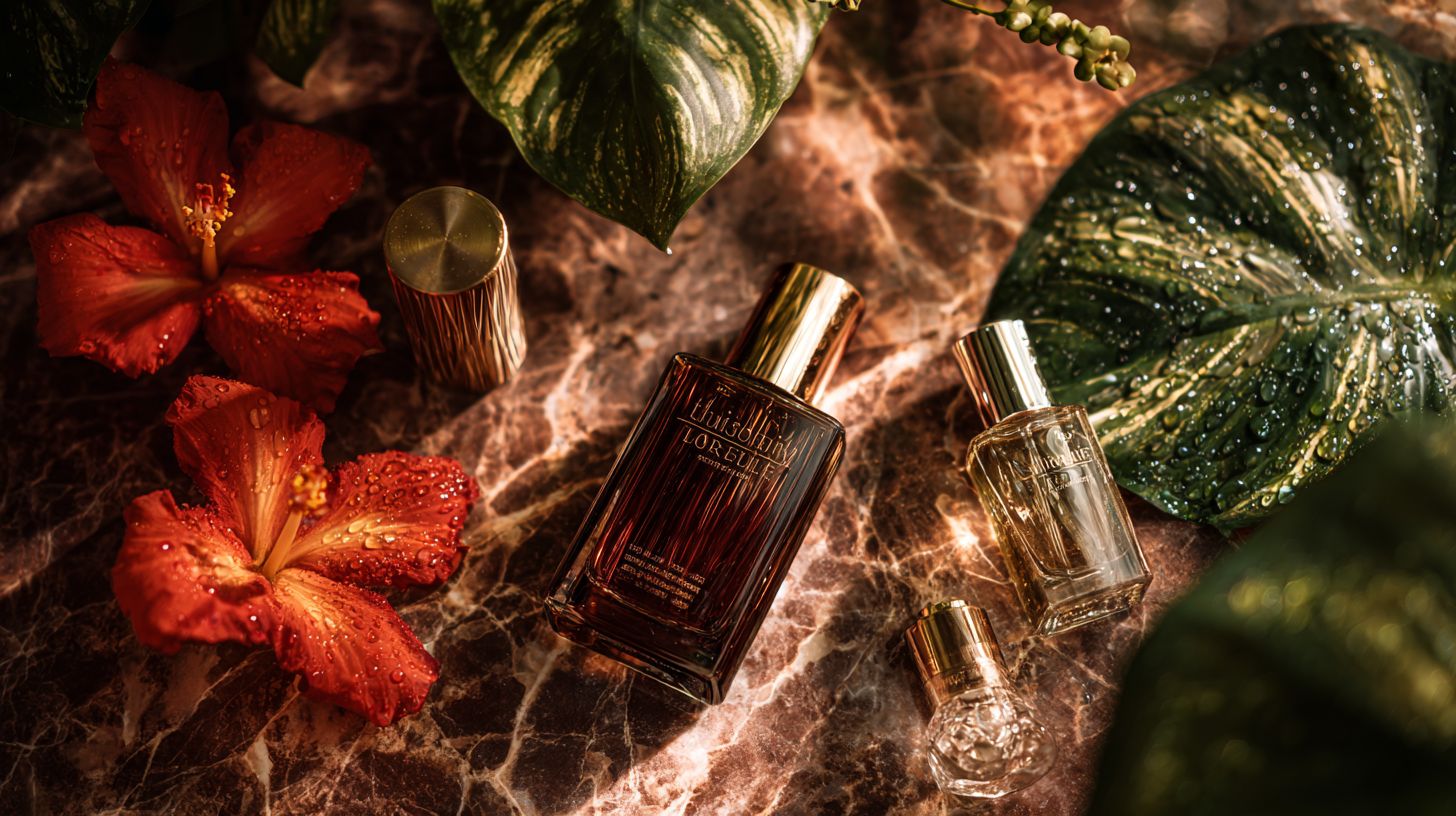
Host sensory focus groups to test textures on skin and packaging. Invite diverse participants to describe sensations like creaminess or silkiness. This reveals preferences before launch.
Use blind tests to compare prototypes. Participants note differences in slip, absorption, and residue. Refine formulas based on vivid feedback, such as “feels like velvet”.
Brands like those in clean beauty often iterate multiple rounds. This method ensures products align with consumer expectations for experience-driven products.
Fragrance Houses Collaboration
Partner with fragrance houses for custom scent profiles. Experts craft layered notes that evolve on the skin over time. This elevates simple products into sensory journeys.
Discuss brand identity upfront, like woody for earthy textures or citrus for light serums. Test blends in small batches for harmony with textures. Glossier’s ‘You’ perfume exemplifies this through personal scent layering.
Such collaborations add authenticity and expertise. They help brands create scents that linger in memory, boosting repeat purchases.
In-Store Sensory Stations
Set up in-store sensory stations with touch-and-smell zones. Offer samples on textured surfaces and scent strips for immersion. Staff guide interactions to highlight key notes.
Include elements like warm stones for lotion testing or diffusers for ambient scents. This turns shopping into an event. Aesop’s apothecary-style stores use this to evoke pharmacy nostalgia.
Track engagement through dwell time and sample uptake. These stations build confidence in product quality and sensory appeal.
ASMR Unboxing Videos
Produce ASMR unboxing videos to showcase textures and scents visually. Capture sounds of cream scooping, bottle spritzing, and packaging crinkles. Share on social platforms for viral reach.
Focus on close-up shots of product application, emphasizing tingles and whispers. Encourage user-generated content with branded hashtags. This taps into the calming allure of sensory ASMR.
Videos drive online sales by previewing the full experience. They make abstract sensations like smooth glide feel immediate and shareable.
Subscription Boxes with Scent Discovery
Curate subscription boxes featuring scent discovery sets. Include miniatures of complementary fragrances and textured items like balms or mists. Rotate themes to keep surprises fresh.
Add cards explaining note pairings, such as vanilla with cashmere lotion. This educates subscribers on building personal routines. It fosters ongoing exploration in sensory beauty.
Monitor feedback surveys for popular combos. This strategy nurtures loyalty and positions the brand as a sensory curator in The Rise of Sensory Beauty: Textures, Scents, and Experience-Driven Products.
Future Directions in Sensory Beauty
Sensory beauty will deepen with technology, personalization, and expanded sensory engagement. Brands will blend artificial intelligence with traditional textures and scents to create products that adapt to individual needs. This shift promises more immersive experiences in the rise of sensory beauty.
AI-customized scent profiles will analyze user data like mood and environment to generate unique fragrances. Temperature-responsive textures could change from cool gels to warm creams based on skin contact. Sound-synced application rituals might pair product use with calming audio cues for deeper relaxation.
Neurocosmetics will combine scent with mood enhancement, using aroma compounds linked to brain responses for stress relief or focus. Experts recommend brands explore these innovations to stay ahead. Practical preparation ensures brands lead in experience-driven products.
Brand Preparation Checklist
Brands should invest in olfactory labs to develop custom scents. These facilities allow testing of AI-driven profiles and neurocosmetic blends. Early adoption positions companies at the forefront of sensory beauty.
Follow this actionable checklist to prepare:
- Partner with AI tech firms for personalized scent algorithms.
- Build sensory testing panels with diverse user feedback.
- Invest in temperature-responsive materials research.
- Develop sound-integrated packaging for rituals.
- Test neurocosmetic prototypes for mood effects.
- Train teams on multi-sensory formulation.
This list helps brands integrate textures, scents, and tech seamlessly. Focus on scalability for wider market reach.
Consumer Adoption Tips
Consumers can embrace sensory beauty by starting with personalized scent trials. Look for products offering app-based customization to match daily moods. Experiment with temperature-responsive items during routines for added comfort.
Incorporate sound-synced rituals by pairing applications with playlists. Track how neurocosmetics affect your focus or calm over time. These steps make experience-driven products part of everyday care.
Seek brands transparent about sensory ingredients and tech. Begin small, like one new texture weekly, to build comfort. This approach maximizes benefits in the rise of sensory beauty.
Frequently Asked Questions
What is “The Rise of Sensory Beauty: Textures, Scents, and Experience-Driven Products”?
The Rise of Sensory Beauty: Textures, Scents, and Experience-Driven Products refers to the growing trend in the beauty industry where products emphasize multi-sensory experiences. Brands are moving beyond visual appeal to incorporate tactile textures, evocative scents, and immersive rituals that engage touch, smell, and emotion, making beauty routines more luxurious and memorable.
Why is there a rise in sensory beauty products focusing on textures and scents?
The Rise of Sensory Beauty: Textures, Scents, and Experience-Driven Products is surging due to consumer demand for holistic wellness. In a digital-heavy world, people crave tangible, sensory escapes. Post-pandemic, there’s heightened appreciation for self-care rituals that stimulate senses, with textures like silky serums or velvety creams and scents like calming lavender providing instant gratification and emotional uplift.
How do textures play a role in The Rise of Sensory Beauty: Textures, Scents, and Experience-Driven Products?
In The Rise of Sensory Beauty: Textures, Scents, and Experience-Driven Products, textures are key to product innovation. Think gel-to-milk cleansers that transform on skin, buttery balms that melt into moisture, or fizzy bath bombs. These tactile elements heighten the application pleasure, making users feel the product’s efficacy through luxurious, sensory feedback rather than just results.
What makes scents central to The Rise of Sensory Beauty: Textures, Scents, and Experience-Driven Products?
Scents are pivotal in The Rise of Sensory Beauty: Textures, Scents, and Experience-Driven Products because they trigger memories and emotions via the olfactory system. Brands layer natural essences like jasmine or oud into lotions and mists, turning functional items into aromatic experiences that linger, enhance mood, and create signature personal scents beyond traditional perfumes.
Can you give examples of experience-driven products in The Rise of Sensory Beauty: Textures, Scents, and Experience-Driven Products?
Experience-Driven Products in The Rise of Sensory Beauty: Textures, Scents, and Experience-Driven Products include multi-step kits like scented body polish scrubs followed by warming oils, or mood-boosting facial mists with effervescent textures and herbal aromas. Luxury lines offer “ritual boxes” with pearlescent masks, plush applicators, and ambient scents for a spa-like immersion at home.
How can consumers incorporate The Rise of Sensory Beauty: Textures, Scents, and Experience-Driven Products into their routine?
To embrace The Rise of Sensory Beauty: Textures, Scents, and Experience-Driven Products, start by selecting items that match your sensory preferences-opt for plush, whipped moisturizers if you love creamy textures or citrus-infused sprays for energizing scents. Build rituals: layer a scented oil over a textured lotion, light a complementary candle, and savor the full experience for deeper relaxation and enjoyment.