

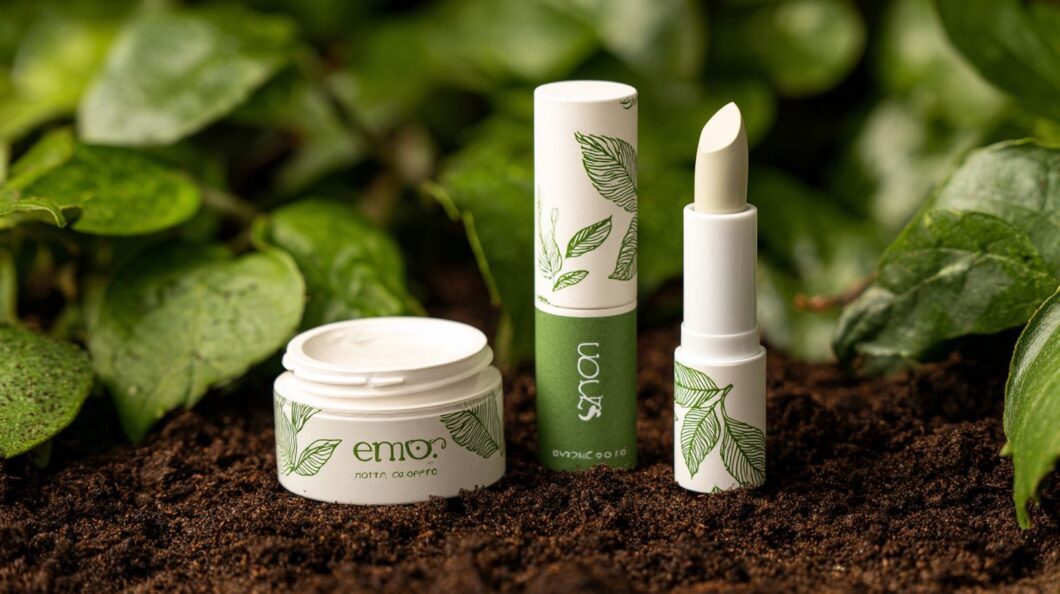
Have you noticed how beauty product packaging is piling up in landfills, even after you’ve finished that fancy serum? Compostable Beauty: The Packaging Trend Gaining Momentum is swapping plastics for materials that break down naturally. You’ll see why brands are jumping on board and what it means for eco-friendlier routines.
Key Takeaways:
What is Compostable Beauty Packaging?
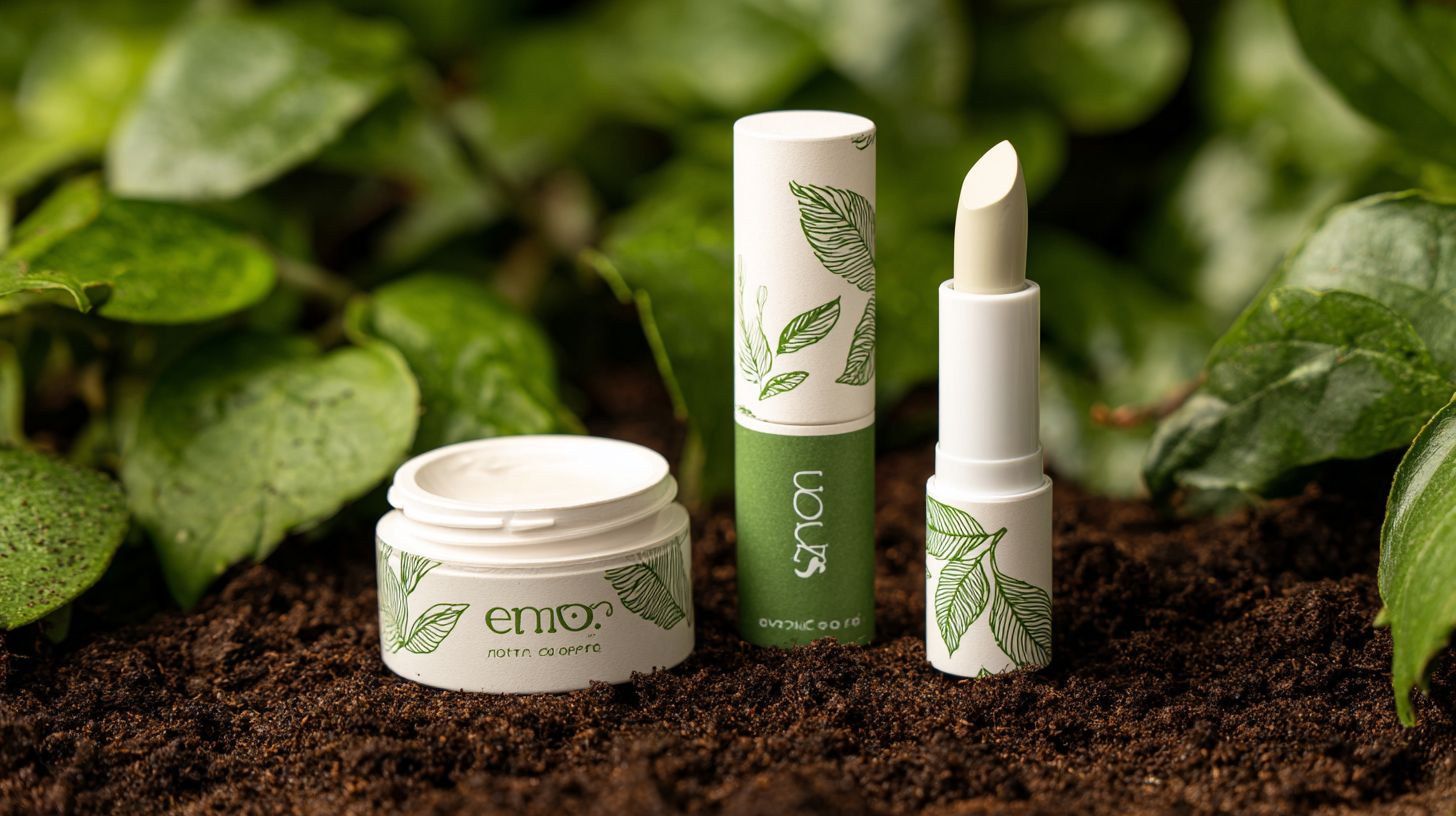
Compostable beauty packaging represents a growing movement in the cosmetics industry toward materials that break down naturally without leaving harmful residues. These materials hold certifications to decompose fully in industrial or home compost systems within specific timeframes, often 90 to 180 days. Unlike biodegradable options, which may not fully break down, or recyclable plastics that depend on infrastructure, compostable packaging turns into nutrient-rich soil.
This trend plays a key role in reducing waste in the beauty sector, where single-use containers contribute heavily to landfills. Brands use it for items like lipstick tubes or serum bottles made from plant-based sources. It appeals to consumers seeking eco-friendly choices without sacrificing product protection.
Compostable beauty aligns with broader sustainability goals by closing the loop on waste. When properly composted, it enriches soil rather than polluting it. Experts recommend checking for certifications to ensure authenticity in products.
Practical examples include mycelium-based jars or cornstarch pouches, which mimic plastic but compost cleanly. This shift supports the momentum of Compostable Beauty: The Packaging Trend Gaining Momentum.
Definition and Key Characteristics
Compostable beauty packaging consists of materials designed to fully break down into nutrient-rich compost under controlled conditions, typically within 90-180 days in industrial facilities. It meets strict standards like ASTM D6400 or EN 13432, ensuring complete decomposition without toxic remnants. These certifications verify the material’s safety and efficacy through rigorous testing.
Key characteristics make these materials stand out from other eco-options. They derive from renewable sources such as plants or fungi, ensuring non-toxicity during use and breakdown. No microplastics release into soil or water, a common issue with some biodegradables.
- Renewability: Sourced from plants like sugarcane or cornstarch for ongoing supply.
- Non-toxicity: Breaks down without heavy metals or chemicals harming ecosystems.
- No microplastic release: Fully converts to compost, unlike fragmenting plastics.
- Certifiable breakdown: Tested for 90% disintegration and eco-safety in labs.
Testing involves burying samples in compost environments and monitoring for gases, mass loss, and residue. Examples include plant-derived films for flexible packaging or wood pulp fibers for rigid containers. Brands verify authenticity this way to build consumer trust in compostable beauty trends.
Why the Shift to Compostable Materials?
The beauty industry is pivoting to compostable materials as consumers and regulators demand solutions to the mounting waste from single-use packaging. Shoppers now seek out eco-friendly products that align with their values, pushing brands to innovate. This shift addresses real-world crises like overflowing landfills and ocean pollution from discarded beauty items.
Regulatory pressures are mounting as governments enforce stricter rules on plastic waste. Brands face fines or bans for non-compliant packaging, making compostable alternatives a smart choice. These materials break down naturally, reducing long-term environmental harm.
Compostable beauty also offers brand differentiation in a crowded market. Companies that adopt these trends stand out to conscious consumers, building loyalty. For instance, a simple switch to plant-based tubes can signal commitment to sustainability.
Overall, this momentum in Compostable Beauty responds to urgent needs. It cuts down on persistent waste while meeting market demands. Brands embracing it now position themselves for future success.
Environmental Impact of Traditional Packaging
Traditional beauty packaging, often made from petroleum-based plastics, lingers in landfills for centuries, leaching toxins and contributing to microplastic pollution. Items like discarded lipstick tubes and shampoo bottles fragment into tiny particles. These harm marine life when they enter oceans through waterways.
Non-degradable PET and PP plastics create persistent waste that does not break down. Marine animals ingest these fragments, leading to health issues and disrupted ecosystems. Production of these plastics also generates a high carbon footprint from fossil fuel extraction.
In contrast, compostable options like plant-based bioplastics decompose in industrial facilities. They turn into nutrient-rich soil without leaving toxins behind. This makes them a practical choice for reducing long-term damage.
Experts recommend switching to these materials to mitigate harms. For example, a brand using compostable jars for creams avoids adding to landfill overflow. This simple change supports cleaner oceans and healthier soils in Compostable Beauty.
Popular Compostable Materials in Beauty
Beauty brands are embracing a variety of compostable materials that maintain product integrity while supporting natural decomposition. These options mimic the performance of traditional plastics but come from renewable sources like plants and agricultural waste. They offer similar durability for storage and transport, yet break down naturally in compost environments.
Key benefits include strong barrier properties against moisture and oxygen, plus good printability for branding. Brands can achieve vibrant labels and designs without compromising eco-friendliness. This shift aligns with the rising demand for compostable beauty packaging trends.
Common materials excel in specific areas. For instance, they provide flexibility for tubes or rigidity for jars. Practical testing ensures they protect formulas like creams and serums effectively.
| Material | Barrier Strength | Printability | Compostability |
|---|---|---|---|
| PLA | High moisture barrier | Excellent for labels | Home compostable |
| Bagasse | Moderate oxygen block | Good ink adhesion | Industrial compost |
| Mycelium | Natural cushioning | Custom printing | Backyard breakdown |
| Starch foam | Light protection | Matte finish | Fast decomposition |
Biodegradable Plastics and Plant-Based Alternatives
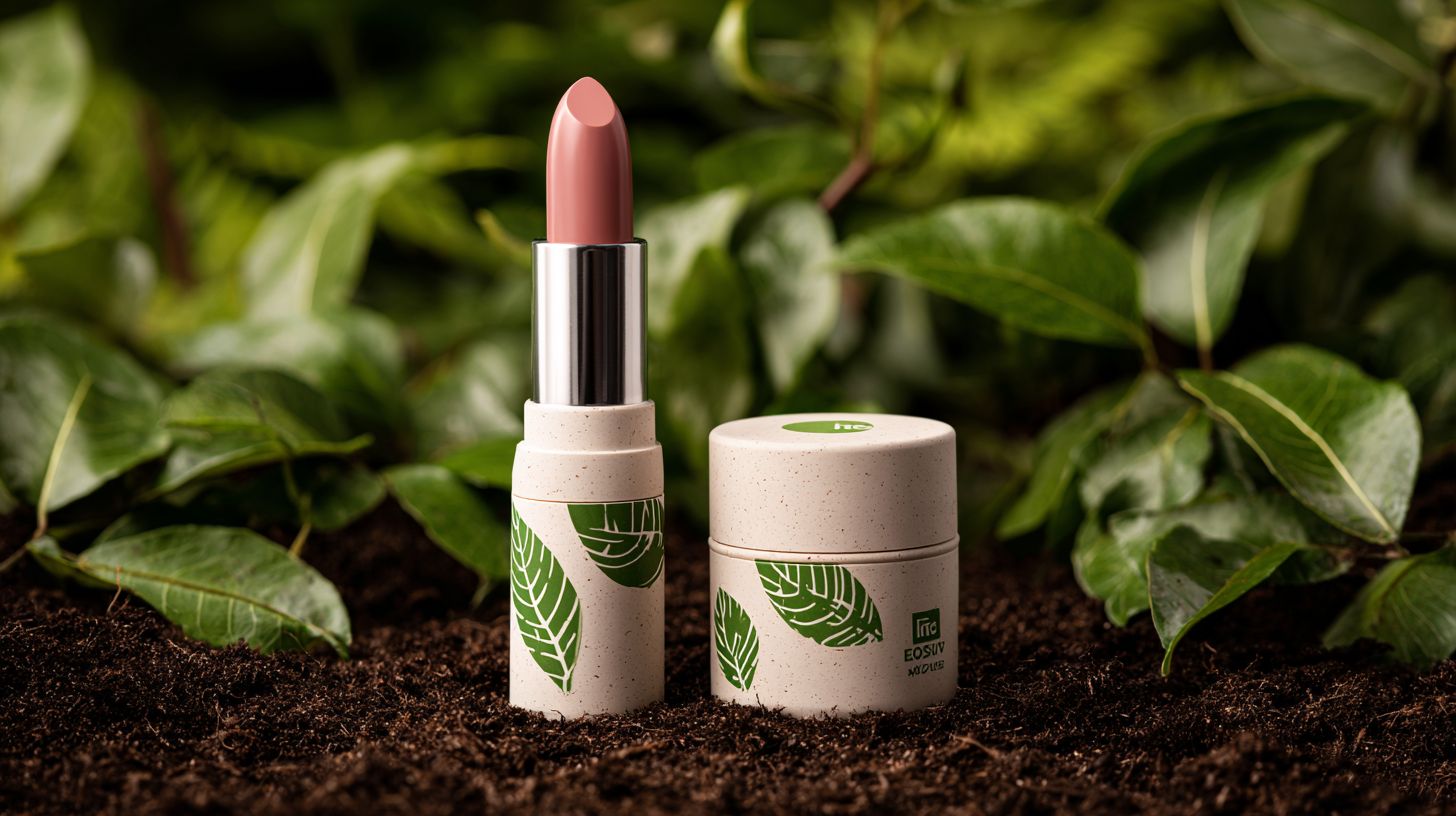
Biodegradable plastics like PHA (polyhydroxyalkanoates) and plant-based alternatives such as PLA from corn starch are revolutionizing beauty packaging. PHA derives from bacterial fermentation, offering flexibility for tubes and films. PLA, supplied by companies like NatureWorks, suits rigid jars and bottles.
Starch-based foams serve as protective inserts for shipping. They cushion fragile items like glass serums without adding waste. Mycelium, grown from mushroom roots, forms custom protective packaging that molds to product shapes.
Sugarcane bagasse creates sturdy tubes and trays from leftover pulp. It withstands filling processes while decomposing fully. Brands select these based on product needs, ensuring compostable beauty fits seamlessly.
| Material | Sourcing | Decomposition Time | Beauty Applications |
|---|---|---|---|
| PLA | Corn starch | Months in compost | Jars, caps |
| Starch foam | Plant starches | Weeks to months | Inserts, padding |
| Mycelium | Mushroom roots | Days in soil | Protective molds |
| Bagasse | Sugarcane waste | Months industrially | Tubes, trays |
Major Brands Leading the Trend
Leading beauty brands are pioneering compostable packaging, setting new standards for the industry. These companies focus on materials that break down naturally, reducing waste in the Compostable Beauty movement. Their efforts show how innovation meets consumer demand for sustainability.
Lush stands out with its naked packaging approach, offering products like solid shampoos and conditioners without any plastic. They also use compostable pots made from cornstarch for items such as moisturizers. Since introducing these in the early 2000s, Lush has built a loyal following that values zero-waste options.
Axiology creates zero-waste lipsticks in PHA, a plant-based material that composts fully. Their lipstick tubes replace traditional plastics, appealing to eco-conscious makeup users. Adoption grew steadily after their 2017 launch, with positive feedback on both performance and environmental impact.
Kjaer Weis offers refillable compacts with compostable cellulose packaging for cream blushes and lip balms. This system cuts down on single-use items, and consumers praise the luxury feel paired with sustainability. The brand shifted to these refills around 2019, gaining traction in clean beauty circles.
Lush: Pioneering Naked and Compostable Packaging
Lush eliminated packaging for many products by developing naked cosmetics, such as bath bombs and soap bars. They pair this with compostable pots for creams, made from plant starches that decompose in home compost. This timeline began with solid formats in 2005, expanding to pots by 2010.
Consumer reception highlights ease of use, with fans sharing stories of composting pots in gardens. The approach reduces landfill waste while maintaining product quality. Brands like Lush prove compostable beauty can be fun and effective.
Practical tip: Look for Lush’s black pots marked as compostable, and bury them in soil after use. This hands-on method engages users in the sustainability cycle.
Axiology: PHA-Powered Zero-Waste Lipsticks
Axiology’s lipsticks come in PHA tubes, a bioplastic from fermented plant sugars that breaks down without microplastics. Launched in 2017, these replaced metal cases, focusing on full compostability. Users appreciate the smooth application and vibrant colors.
Reception has been strong, with makeup enthusiasts noting the tubes compost in weeks under proper conditions. This innovation fits the packaging trend gaining momentum. It shows how small changes in materials create big environmental wins.
Try composting Axiology tubes by chopping them small and mixing with yard waste. This simple step turns beauty waste into nutrient-rich soil.
Kjaer Weis: Refillable Systems with Cellulose
Kjaer Weis uses compostable cellulose for refill pouches in their metal compacts, debuting around 2019. Products like The Cream Blush refill easily, minimizing packaging. This luxury refill model has drawn praise for elegance and eco-friendliness.
Consumers report high satisfaction, often reposting unboxing videos of the process. The cellulose dissolves in compost bins, supporting home sustainability. It exemplifies how compostable beauty elevates daily routines.
For best results, compost the pouches separately from the reusable compact. This keeps the system circular and practical for everyday use.
Benefits for Brands and Consumers
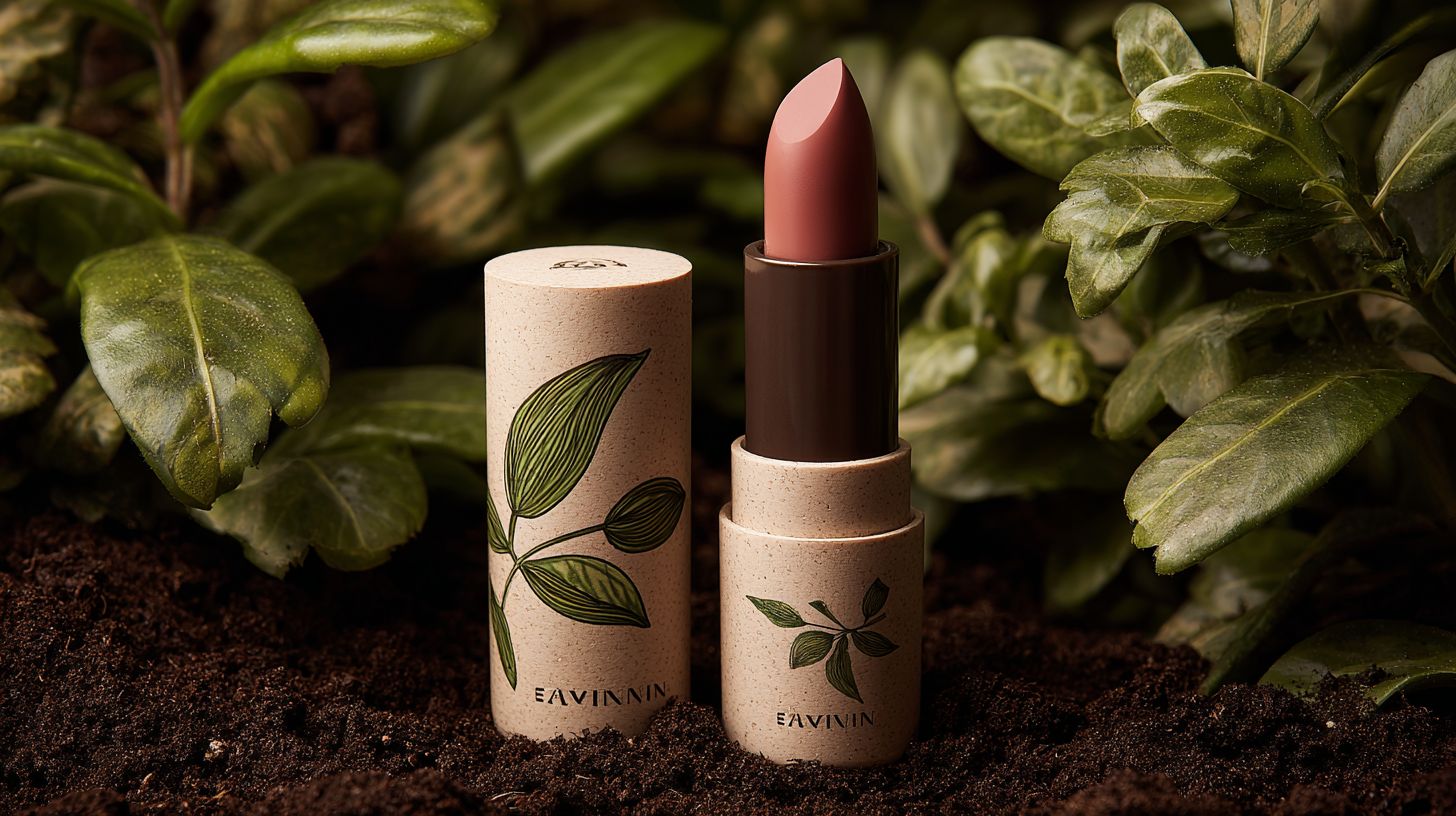
Adopting compostable beauty packaging delivers tangible advantages for brands seeking sustainability leadership and consumers craving guilt-free indulgence. Brands gain enhanced brand loyalty through green credentials that resonate with eco-conscious audiences. Consumers enjoy practical, eco-friendly choices that align with their values, turning routine purchases into positive environmental actions.
This dual benefit strengthens market positioning in the growing compostable beauty trend. Brands differentiate themselves in a crowded market, while shoppers feel satisfied with products that break down naturally. The result is a win-win that supports long-term loyalty and repeat business.
For brands, compostable materials signal commitment to the planet, attracting partnerships and talent. Consumers appreciate the convenience of packaging that composts at home or in facilities, reducing landfill contributions. This alignment fosters trust and elevates the overall beauty experience.
In practice, switching to compostable options like plant-based tubes or pouches builds a narrative of responsibility. Brands report stronger customer connections, and users embrace products that match their lifestyle without compromise. Such strategies propel the packaging trend gaining momentum.
Sustainability Credentials and Market Appeal
Compostable packaging bolsters a brand’s sustainability profile while attracting eco-aware shoppers who prioritize planet-friendly products. Certifications such as the BPI Compostable logo enhance marketing efforts and validate claims. These elements justify premium pricing and improve ESG scores for investor appeal.
Brands like Lush showcase compostable pots from cornstarch, drawing loyal fans. Similarly, The Body Shop uses biodegradable wrappers that appeal to value-driven buyers. These examples highlight how green packaging drives market differentiation.
- Boosts marketing credibility with verifiable certifications.
- Supports higher premium pricing through perceived value.
- Enhances ESG reporting for corporate responsibility.
- Attracts partnerships with retailers focused on sustainability.
For consumers, the ease of home composting eliminates waste guilt, as items like lipstick cases dissolve in backyard bins. This practicality aligns with daily routines, making eco-choices effortless. Brands benefit from positive word-of-mouth as satisfied users share their experiences.
Challenges in Implementation
While promising, scaling compostable beauty packaging faces practical barriers that brands must navigate. Key hurdles include higher upfront costs, challenges in matching the performance of traditional materials, and gaps in composting infrastructure. These issues slow adoption in the Compostable Beauty: The Packaging Trend Gaining Momentum.
Brands often pay more for biobased materials like plant-derived plastics, which require specialized production. Durability concerns arise when compostables falter under moisture or heat, unlike petroleum-based options. Limited industrial composting sites mean many products end up in landfills.
A solutions-oriented approach helps overcome these. Bulk sourcing reduces costs over time. Material blending improves strength for real-world use. Consumer education on proper disposal builds demand and supports infrastructure growth.
Experts recommend starting small with pilot programs to test viability. This allows brands to refine processes before full-scale rollout. Practical steps like partnering with suppliers turn challenges into opportunities for innovation.
Cost, Durability, and Infrastructure Hurdles
Higher production costs for compostable materials often exceed those of conventional plastics by a significant margin. Sourcing premiums for items like cornstarch-based films or mycelium packaging drive up expenses. Small-batch production adds to the financial strain for emerging beauty brands.
Durability issues plague many options, especially moisture sensitivity in humid climates. Packages may soften or degrade prematurely, risking product spoilage in bathrooms. Traditional plastics resist such conditions far better, making the switch tricky.
Infrastructure gaps limit effectiveness, with limited industrial composting facilities in many regions. Home composting works for some materials but not all beauty packaging types. Without proper facilities, benefits vanish if items enter standard waste streams.
| Challenge | Description | Mitigation Strategy |
|---|---|---|
| Cost | Sourcing premiums and small-scale production | Bulk sourcing from reliable suppliers to lower per-unit prices over time |
| Durability | Moisture sensitivity in humid environments | Material blending with stronger biopolymers for enhanced resilience |
| Infrastructure | Few industrial composting sites available | Consumer education on home composting methods and facility locators |
These strategies make implementation feasible. Brands can collaborate with material scientists for custom blends. Clear labeling guides users to local composting options, closing the loop on sustainability.
Future Outlook and Innovations
The compostable beauty packaging landscape is poised for rapid evolution driven by technological advances and supportive policies. Emerging trends point to next-gen materials like mycelium and seaweed derivatives that mimic plastic’s durability while breaking down naturally. Regulatory mandates, such as plastic bans in various regions, are pushing brands toward scalable innovations that close performance gaps in strength and shelf life.
Experts recommend focusing on AI-optimized material design to accelerate development. These tools predict how new composites perform under real-world conditions, from humidity to transport stress. This approach ensures compostable options compete directly with traditional packaging.
Looking ahead, full supply chain integration will normalize compostable beauty products. Brands can start by piloting small batches of innovative materials to test market response. Supportive policies will make these shifts more feasible, rewarding early adopters with consumer loyalty.
Innovations in enzymatic degradation promise even faster breakdown times. Combined with policy incentives, they position compostable packaging as a core trend in beauty. Companies should monitor these developments to stay ahead in the Compostable Beauty: The Packaging Trend Gaining Momentum.
Emerging Technologies and Regulations
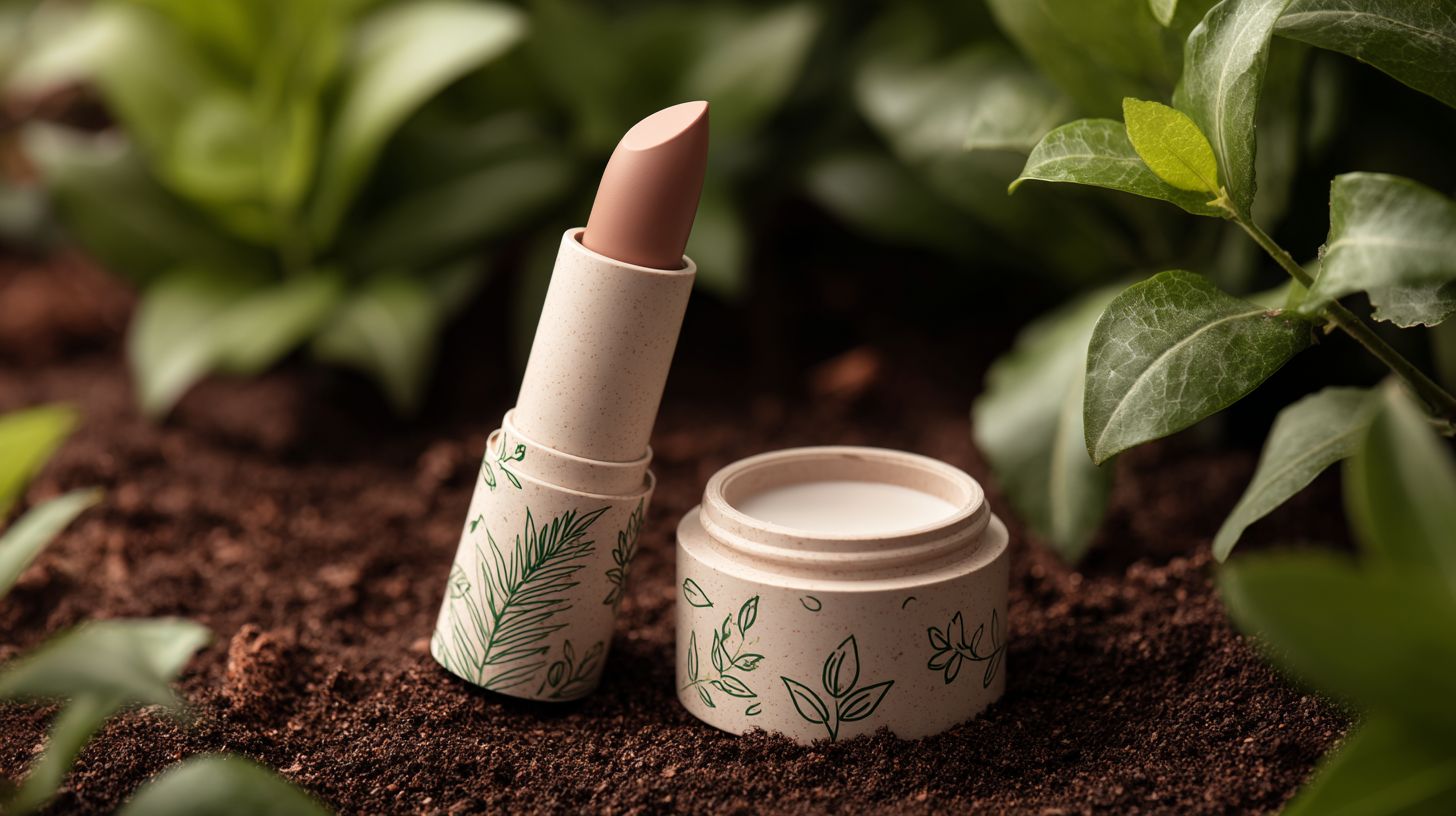
Innovations like algae-based bioplastics and enzymatic degradation are addressing current limitations in Compostable Beauty: The Packaging Trend Gaining Momentum. These materials offer flexibility for tubes and jars while fully decomposing in home compost systems. They reduce reliance on petroleum-based plastics without sacrificing product protection.
Mycelium packaging from companies like Ecovative grows from mushroom roots into custom molds. This technology provides shock-absorbing cushions ideal for fragile beauty items. Seaweed-derived films add waterproof barriers, perfect for liquid foundations or serums.
Regulations are accelerating adoption. The EU single-use plastic directive targets items like cotton swabs and cutlery, influencing beauty packaging standards. In the US, state-level compostable standards certify materials that break down properly, encouraging certified options.
- Adopt AI-optimized designs to refine material blends for cost efficiency.
- Test products against regional certification like EU or US compost standards.
- Explore full product compostability, where containers and contents degrade together.
Brands should prioritize these technologies to meet rising demands. Partnering with innovators ensures compliance and performance. This positions them as leaders in the compostable beauty movement.
Frequently Asked Questions
What is “Compostable Beauty: The Packaging Trend Gaining Momentum”?
Compostable Beauty: The Packaging Trend Gaining Momentum refers to the rising popularity of beauty product packaging made from materials that break down naturally in compost environments, reducing plastic waste and appealing to eco-conscious consumers in the cosmetics industry.
Why is Compostable Beauty: The Packaging Trend Gaining Momentum now?
Compostable Beauty: The Packaging Trend Gaining Momentum is accelerating due to increasing consumer demand for sustainable products, stricter environmental regulations on plastic use, and brands seeking to differentiate themselves in a crowded market while minimizing their carbon footprint.
What materials are used in Compostable Beauty: The Packaging Trend Gaining Momentum?
Common materials in Compostable Beauty: The Packaging Trend Gaining Momentum include plant-based bioplastics like PLA (polylactic acid) from corn starch, mycelium from mushrooms, seaweed extracts, and cellulose-based films, all certified to decompose without harmful residues.
How does compostable packaging benefit brands adopting Compostable Beauty: The Packaging Trend Gaining Momentum?
Brands embracing Compostable Beauty: The Packaging Trend Gaining Momentum gain loyalty from green consumers, enhance their brand image, comply with sustainability laws, and often see marketing boosts through eco-certifications like “compostable” labels.
Is Compostable Beauty: The Packaging Trend Gaining Momentum truly eco-friendly?
Yes, when certified (e.g., by BPI or TV), Compostable Beauty: The Packaging Trend Gaining Momentum is eco-friendly as it biodegrades in industrial or home compost within months, unlike traditional plastics that persist for centuries, though proper disposal in compost facilities is key.
What challenges does Compostable Beauty: The Packaging Trend Gaining Momentum face?
Challenges for Compostable Beauty: The Packaging Trend Gaining Momentum include higher production costs, limited scalability of bio-materials, the need for consumer education on composting, and ensuring packaging withstands product shelf life without premature breakdown.