

Have you noticed beauty brands talking less about quick fixes and more about keeping your skin healthy for the long haul? The Shift Toward `Skin Longevity’ in Beauty Industry Messaging reflects how the conversation is changing to focus on lasting vitality over temporary glow-ups.
We’ll break down what’s driving this trend and what it means for brands and consumers alike.
Key Takeaways:
The Rise of `Skin Longevity’ Messaging
Beauty brands are increasingly pivoting from quick-fix promises to the concept of `skin longevity,’ emphasizing sustained skin health over decades. This shift reflects growing consumer demand for products that support long-term skin resilience rather than instant results. Marketers now highlight preventive care to maintain skin’s vitality through life stages.
The trend emerged as social media influencers and dermatologists promoted ideas like daily barrier protection over fleeting glows. Brands responded by redesigning campaigns around cumulative benefits, such as reduced inflammation over time. This move aligns with broader wellness movements in beauty.
In the context of The Shift Toward `Skin Longevity’ in Beauty Industry Messaging, companies are investing in education about habits like consistent hydration and sun avoidance. Practical advice includes choosing multi-tasking serums that repair while protecting. Consumers benefit from messaging that encourages patience for visible, lasting improvements.
Experts recommend building routines focused on skin health foundations, like gentle cleansing and antioxidant use. This approach sets the stage for deeper exploration of how skin longevity redefines beauty standards. It promises a future where aging skin thrives, not just survives.
Defining Skin Longevity
Skin longevity refers to the beauty industry’s focus on maintaining youthful, resilient skin throughout life, rather than temporary cosmetic enhancements. It prioritizes the skin barrier’s strength to prevent issues like dryness or sensitivity from worsening over time. Think of it as investing in skin’s future endurance.
Unlike traditional anti-aging rhetoric, which targets visible wrinkles with fillers or peels, skin longevity emphasizes prevention of cumulative damage. For example, using ceramide-rich moisturizers daily builds a protective layer against environmental stressors. This creates a cycle of sustained health, not reactive fixes.
Actionable insight includes incorporating niacinamide serums to regulate oil and calm irritation long-term. Focus on habits like avoiding harsh scrubs that weaken the barrier. Research suggests consistent routines yield more resilient skin over years.
In practice, skin longevity means treating skin as an organ needing lifelong support. Brands now market peptides for repair and probiotics for balance. This definition give the power tos users to choose products for enduring results.
Historical Context in Beauty
Beauty messaging has evolved from 20th-century wrinkle creams to today’s holistic approaches prioritizing long-term skin vitality. Early ads promised overnight miracles with heavy creams, but results faded quickly. The focus stayed on surface-level youth.
The 1990s Botox boom marked a pivot to invasive treatments for instant smoothing, popularizing needles over nurturing. Yet, side effects and maintenance needs sparked backlash. Consumers sought gentler, ongoing solutions by the 2000s.
Modern shifts highlight microbiome-focused products, like fermented essences that nurture skin’s ecosystem for balance. This contrasts past decades’ war on aging with science-backed vitality. Key pivots include from retinol overload to barrier-repairing actives.
Today, messaging stresses preventive steps such as SPF layering and microbiome serums for decade-spanning health. Experts recommend simplifying routines to essentials like humectants and occlusives. This evolution ties into the broader `skin longevity’ trend in beauty.
Key Drivers of the Shift
Several interconnected factors are propelling beauty brands toward skin longevity messaging, reflecting broader societal and market changes. Consumers now prioritize long-term skin health over quick fixes, driven by evolving demographics and values. This shift responds to demands for products that endure alongside users’ lives.
Brands adapt by focusing on formulations that support skin through various life stages. Market evolution favors inclusive messaging that appeals across ages. These drivers foster stronger connections with audiences seeking authenticity.
In the context of The Shift Toward `Skin Longevity’ in Beauty Industry Messaging, sustainability and health trends converge. Companies gain loyalty by addressing real needs, like resilient skin barriers. This approach sets the stage for targeted strategies explored below.
Aging Population Trends
With longer lifespans, consumers now seek beauty solutions that support skin health into later decades, not just youth preservation. People in their 40s, 50s, and beyond want products addressing ongoing concerns like elasticity and hydration. This trend expands market opportunities for brands.
Practical implications include lines targeting menopause-related changes, such as dryness and sensitivity. Formulations with barrier-repairing ingredients help maintain skin’s protective function over time. Brands create multi-generational appeal by offering scalable routines, from prevention to restoration.
This matters for brand loyalty because consistent results build trust across life phases. Families often share products, amplifying reach. Experts recommend emphasizing resilience in campaigns to resonate with mature consumers seeking give the power toment.
Examples include serums with peptides for collagen support, usable from midlife onward. Such strategies position brands as partners in long-term wellness, differentiating them in a crowded market.
Sustainable Beauty Demands
Growing emphasis on eco-conscious practices aligns with skin longevity by promoting enduring, non-toxic formulations over disposable trends. Consumers demand products that last without harming the planet or their skin. This convergence drives innovation in responsible beauty.
Specific demands feature refillable packaging and clean ingredients, reducing waste while ensuring safety. Longevity-focused items, like concentrated oils, minimize repurchase frequency. These choices appeal to environmentally aware users who value quality over quantity.
The unique value lies in building consumer trust through transparency. Brands sharing sourcing stories and efficacy testing foster loyalty. Sustainability enhances skin health messaging by prioritizing gentle, cumulative benefits.
Practical examples involve jars with reusable pods or waterless creams in metal tins. Experts recommend highlighting how these support both planetary and personal longevity. This approach strengthens the skin longevity narrative in beauty industry messaging.
Marketing Strategies Employed
Brands are adopting innovative tactics to communicate skin longevity, moving beyond short-term claims to foster deeper consumer connections. These narrative-driven approaches tell stories of enduring skin health, emphasizing routines that deliver results over years. This shift builds trust and loyalty in a crowded market.
Content creators focus on real-life journeys, sharing progress through visual timelines and personal anecdotes. Such strategies highlight product efficacy in preventing aging signs, not just masking them. Consumers respond well to authenticity over quick fixes.
Interactive elements like quizzes or trackers encourage audience participation, reinforcing the skin longevity message. Partnerships with dermatologists add credibility to these campaigns. Overall, this method positions brands as long-term partners in skin care.
The beauty industry uses these tactics to align with evolving consumer values, promoting sustainable beauty practices. Campaigns often span social media and email series for repeated exposure. This comprehensive storytelling redefines success metrics in skincare marketing.
Long-Term Results Narratives
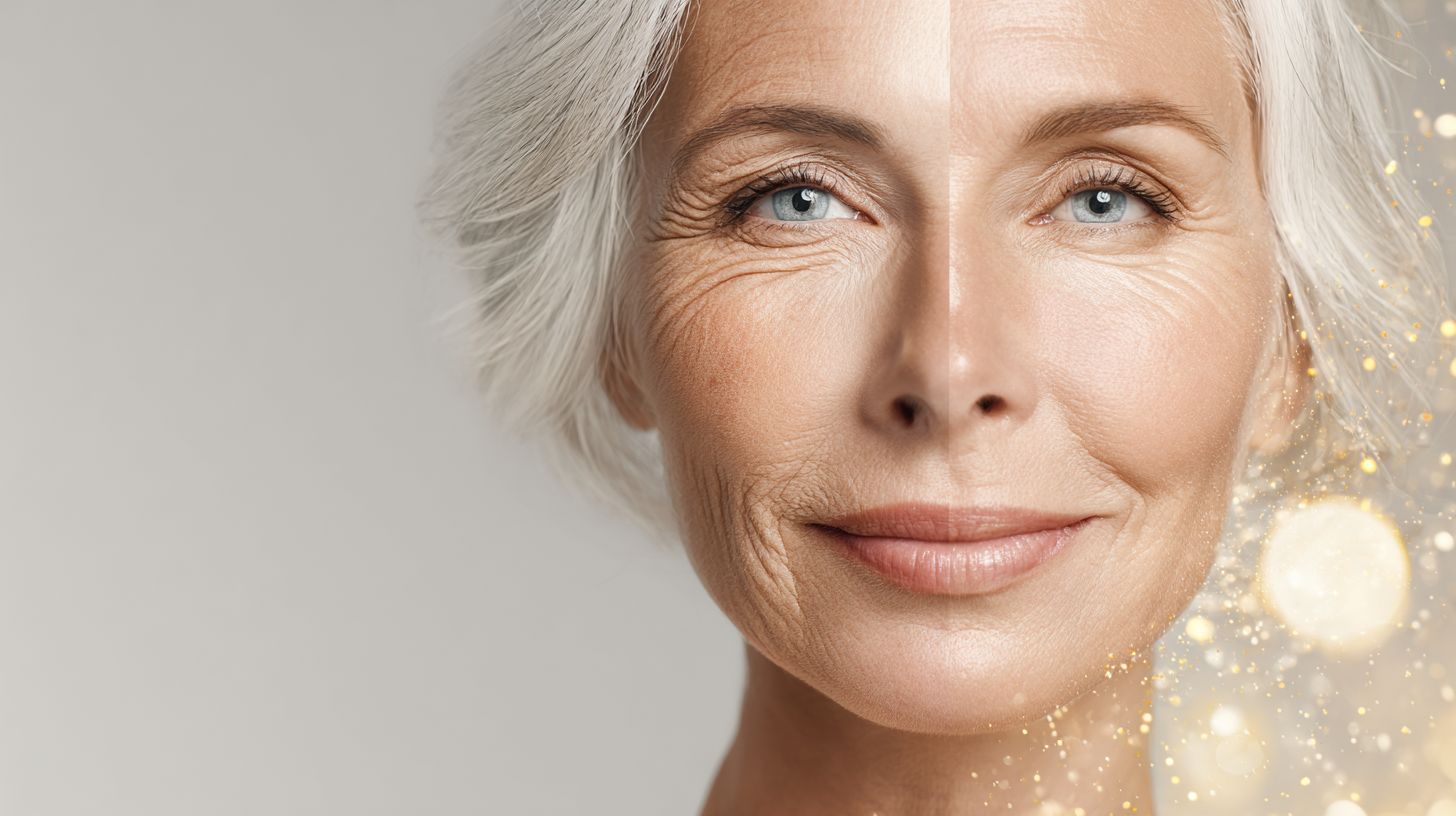
Campaigns now showcase multi-year transformations, using time-lapse visuals and user testimonials to illustrate sustained skin improvements. Brands create before-after series that span several years, demonstrating how consistent use leads to firmer, more radiant skin. These narratives captivate viewers by showing gradual, realistic progress.
Influencer longevity stories feature creators documenting their skin routines over time. For example, a popular beauty influencer might share annual updates with high-resolution photos highlighting reduced fine lines. This format builds emotional bonds and inspires followers to commit long-term.
Video diaries offer intimate glimpses into daily habits and results. Users film weekly check-ins that compile into monthly montages, revealing cumulative benefits like even tone and elasticity. Brands amplify these through user-generated content contests to boost engagement.
- Time-lapse videos condensing years into minutes for quick impact.
- Written testimonials paired with timelines for detailed insights.
- Live Q&A sessions where influencers address maintenance tips.
These strategies educate on patience in skincare, aligning with the skin longevity trend. Experts recommend pairing visuals with ingredient spotlights to explain the science behind lasting results. This approach turns marketing into valuable consumer education.
Brand Case Studies
Several forward-thinking brands exemplify the skin longevity shift through targeted campaigns and product innovations. These companies move beyond temporary fixes to promote sustained skin health. Their approaches highlight the beauty industry’s evolving messaging.
Augustinus Bader sets a benchmark with its The Longevity Method campaign. This initiative focuses on cellular repair technologies derived from scientific research. Consumers respond well to the narrative of skin that thrives over time.
La Mer integrates longevity into its core branding with products like Crme de la Mer. The brand emphasizes resilience-building ingredients such as miracle broth. Campaigns showcase real skin transformations across decades.
Other adopters like SkinCeuticals use antioxidant serums to combat environmental aging. Their messaging stresses preventive longevity for future-proof skin. These examples guide the broader shift toward skin longevity in beauty industry messaging.
Leading Adopters
Brands like Augustinus Bader and La Mer lead with formulations emphasizing cellular repair for lifelong skin resilience. They craft campaigns that resonate with consumers seeking enduring results. This focus drives engagement in a crowded market.
Augustinus Bader’s The Longevity Method campaign highlights TFC8 technology. This ingredient complex triggers natural skin renewal processes. Social media tactics include user-generated content showing multi-year improvements, boosting community interaction.
La Mer promotes its products through narratives of timeless vitality. The brand’s videos feature women in their 50s and beyond with radiant skin. Engagement grows via influencer partnerships that share personal longevity stories.
- SkinCeuticals advances preventive care with C E Ferulic serum, targeting free radical damage for long-term protection.
- Drunk Elephant educates on biome-friendly ingredients that support skin’s natural barrier over time.
- These brands measure success through sustained social growth and repeat purchases tied to longevity claims.
Consumer Response and Data
Consumers are embracing skin longevity messaging, as seen in rising searches and social engagement around long-term skin health topics. Tools like Google Trends show spikes in queries for terms such as “skin longevity” and “long-term skin health”. This reflects a broader shift in beauty priorities toward prevention over quick fixes.
Research suggests increased interest among younger demographics seeking sustainable routines. Social platforms buzz with user-generated content, like TikTok videos demonstrating multi-year skincare protocols. Brands notice higher retention from customers focused on enduring results.
Purchase behavior shifts toward investment products, such as retinoids and peptides for barrier repair. Consumers share before-and-after stories spanning months, not weeks, on Instagram. This engagement drives repeat buys and community discussions on aging gracefully.
Experts recommend tracking personal progress with apps or journals to align with skin longevity goals. Real-world examples include routines emphasizing sunscreen daily and gentle exfoliation weekly. These habits foster loyalty to brands promoting long-term efficacy.
Challenges and Criticisms
While promising, skin longevity messaging faces skepticism over vague claims and the difficulty of proving decades-long results. Consumers often question promises like “youthful skin for life” without clear evidence. This doubt arises with The Shift Toward `Skin Longevity’ in Beauty Industry Messaging.
Greenwashing accusations add another layer of challenge. Brands may highlight natural ingredients while downplaying synthetic additives or environmental impacts. Such practices erode trust when marketing emphasizes long-term skin health without backing it up.
Clinical trial limitations further complicate matters. Most studies measure short-term effects, like hydration over weeks, not decades-long skin resilience. Experts recommend focusing on realistic timelines to address these gaps.
Practical solutions include transparent ingredient sourcing and third-party verifications. Brands can list supply chain details and use independent labs for testing. These steps build credibility amid growing consumer demands.
Addressing Greenwashing Concerns
Greenwashing occurs when brands exaggerate eco-friendly claims in skin longevity products. For example, a cream might claim “sustainably sourced botanicals” without proof. This misleads buyers seeking genuine long-term benefits.
To counter this, companies should adopt full disclosure policies. Publish detailed sourcing reports for key ingredients like hyaluronic acid or peptides. Transparency helps differentiate authentic products in the beauty market.
Third-party certifications from organizations focused on sustainability provide reassurance. These verifications confirm ethical practices without relying on self-reported data. Consumers appreciate such independent validation.
Overcoming Clinical Trial Limitations
Short-term trials dominate beauty research, making it hard to substantiate skin longevity claims. Results from a 12-week study cannot predict 20-year outcomes reliably. This creates a credibility gap for innovative messaging.
Brands can shift by investing in longitudinal studies with smaller cohorts tracked over years. Partner with dermatologists to monitor biomarkers like collagen density. Such approaches offer more convincing evidence.
Communicate trial realities openly. Use phrases like “improves skin barrier function over time” instead of absolute promises. This honest framing aligns with the evolving `Skin Longevity’ narrative.
Practical Solutions for Brands
Implement ingredient transparency by creating public databases of suppliers and testing data. Share batch-specific reports to show purity levels. This practice fosters trust in skin longevity formulations.
- Seek third-party verifications for efficacy and safety claims.
- Collaborate with independent labs for unbiased reviews.
- Educate consumers through detailed product storytelling.
These steps address core criticisms effectively.
Regularly update messaging based on new research. Monitor feedback to refine claims. This adaptive strategy strengthens the shift toward `Skin Longevity’ in Beauty Industry Messaging.
Future Implications
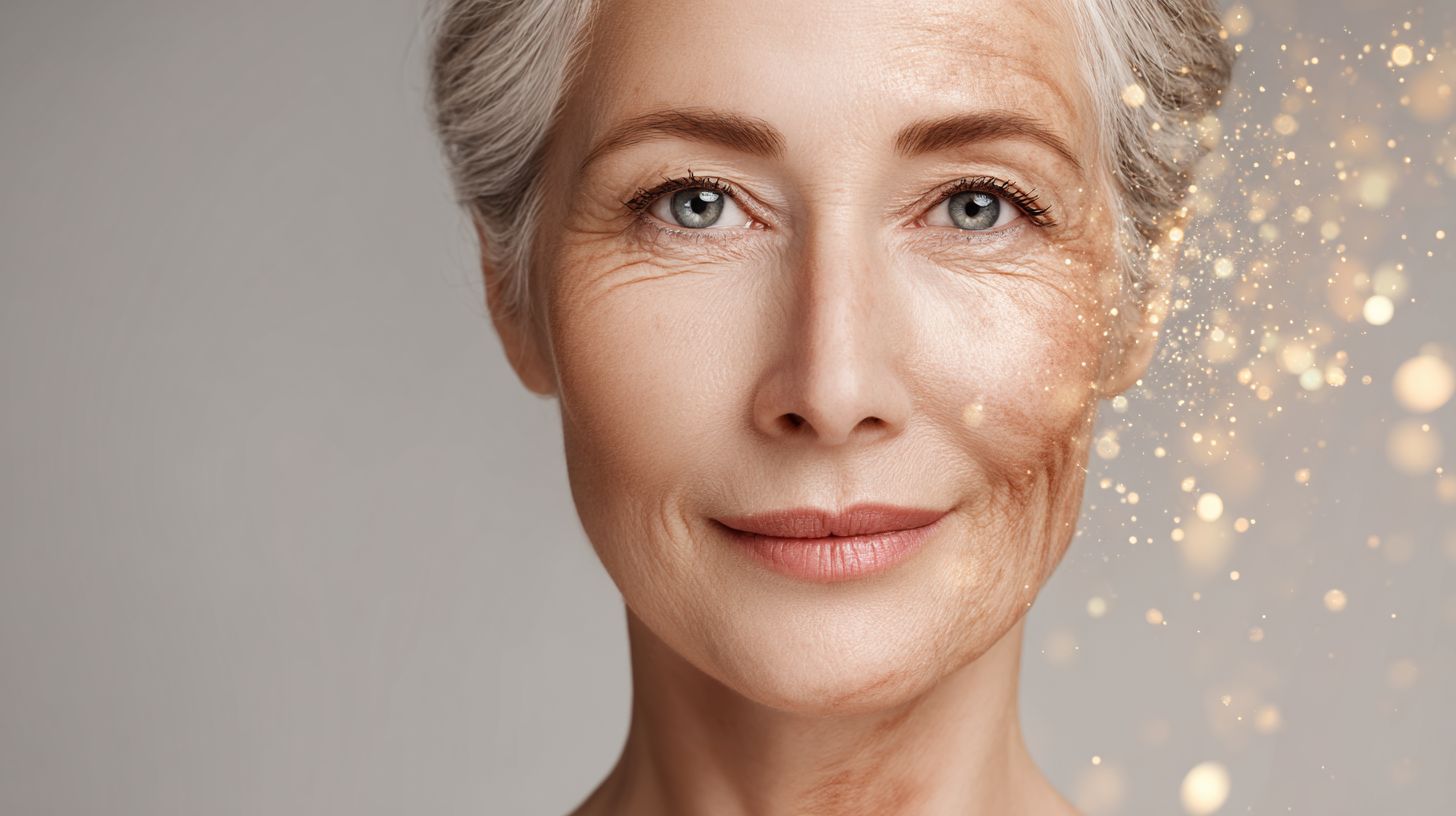
The skin longevity trend signals a transformative era in beauty, likely integrating AI diagnostics and personalized genomics for truly enduring results. This shift moves beyond temporary fixes to focus on long-term skin health. Brands embracing it will redefine consumer expectations.
Tech integrations like skin scanning apps are poised to play a central role. These tools use smartphone cameras to analyze skin conditions in real time, offering customized advice on routines. For example, apps could track changes over months and suggest adjustments based on environmental factors.
Personalized genomics will enable treatments tailored to individual DNA profiles. Consumers might receive formulations that address genetic predispositions to aging. This approach promises more effective, science-backed solutions in the skin longevity movement.
Brands should adapt by investing in data-driven innovations. Experts recommend partnering with tech firms for app development and educating consumers on long-term benefits. Start with pilot programs to test at-home skin scanners and gather feedback for refinement.
Frequently Asked Questions
What is `Skin Longevity’ in the context of the beauty industry?
The Shift Toward `Skin Longevity’ in Beauty Industry Messaging refers to a growing trend where skincare brands emphasize long-term skin health and vitality over temporary anti-aging fixes. Instead of promising quick wrinkle reduction, messaging focuses on sustaining youthful, resilient skin through decades, promoting preventive care and holistic routines.
Why is the beauty industry shifting toward `Skin Longevity’ messaging?
The Shift Toward `Skin Longevity’ in Beauty Industry Messaging is driven by consumer demand for authenticity amid aging populations and skepticism of exaggerated claims. Brands are responding to Gen Z and millennial preferences for science-backed, sustainable products that support skin’s lifelong resilience rather than short-term beauty hacks.
How does `Skin Longevity’ differ from traditional anti-aging messaging?
In The Shift Toward `Skin Longevity’ in Beauty Industry Messaging, the focus moves from reactive treatments like Botox or fillers to proactive strategies such as microbiome support, barrier repair, and inflammation reduction. This positions skin as an organ capable of thriving long-term, not just masking age.
What role do ingredients play in `Skin Longevity’ beauty messaging?
The Shift Toward `Skin Longevity’ in Beauty Industry Messaging highlights durable, reparative ingredients like ceramides, niacinamide, peptides, and antioxidants. These are marketed for building cumulative skin strength, fostering narratives of enduring health over ephemeral glows.
Which brands are leading The Shift Toward `Skin Longevity’ in Beauty Industry Messaging?
Brands like SkinCeuticals, La Roche-Posay, and emerging clean beauty lines such as Pauley’s Products are pioneering The Shift Toward `Skin Longevity’ in Beauty Industry Messaging. They use clinical data and long-term studies to craft campaigns about skin’s future-proofing potential.
What can consumers do to align with `Skin Longevity’ trends?
To embrace The Shift Toward `Skin Longevity’ in Beauty Industry Messaging, consumers should prioritize consistent routines with broad-spectrum SPF, gentle cleansing, and targeted serums. Lifestyle factors like sleep, diet, and stress management amplify product efficacy for sustained skin vitality.