


Ever wonder what happens to all that food waste from our favorite cafes and kitchens? Turns out, it’s being turned into something pretty amazing: upcycled ingredients for luxury skincare products. You’ll see how this sustainable twist is making high-end beauty products better for your skin and the planet.
Key Takeaways:
What Are Upcycled Ingredients?
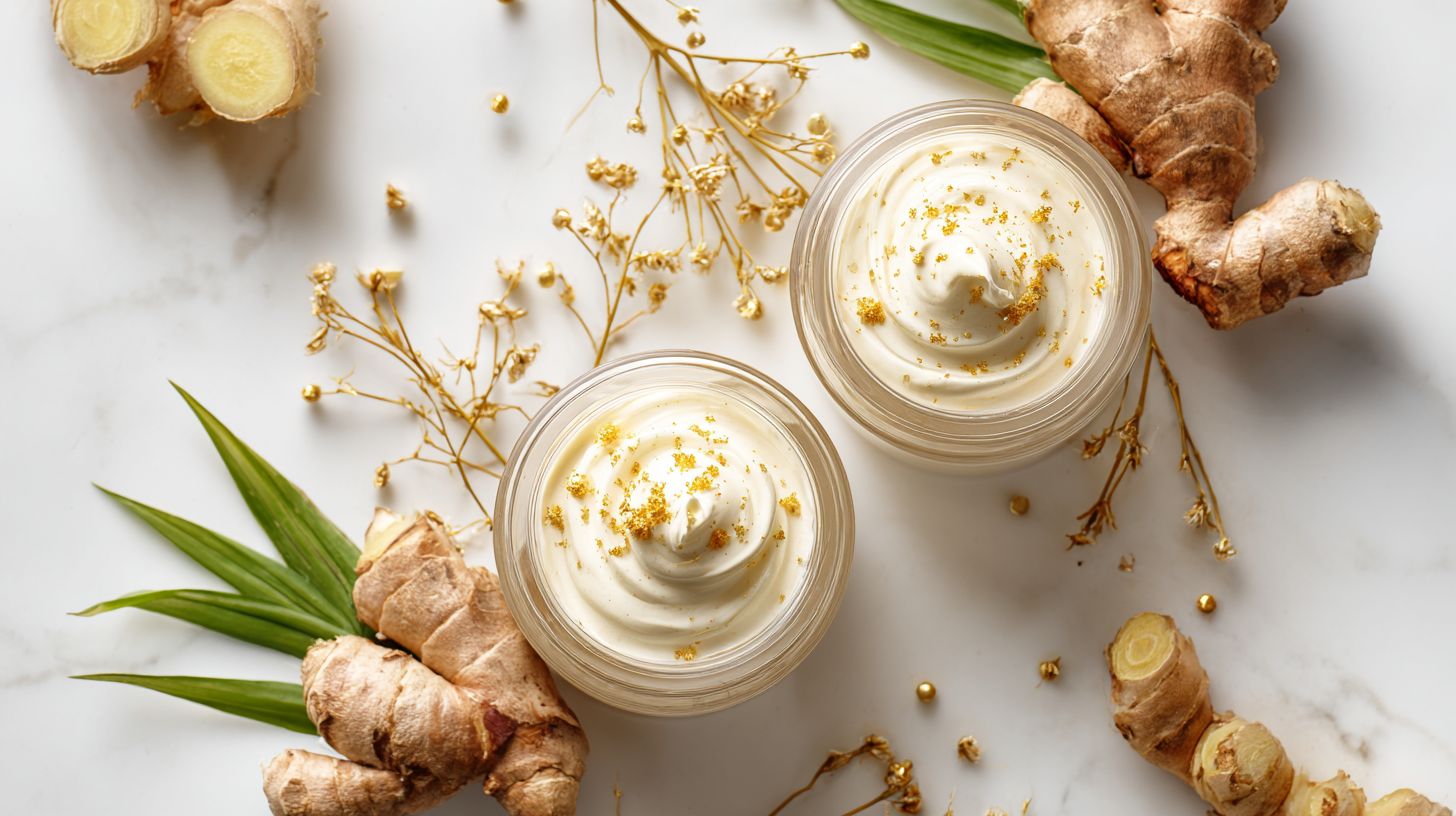
Upcycled ingredients transform food byproducts that would otherwise be wasted into valuable raw materials for skincare, promoting a zero-waste approach in beauty formulations. These leftover ingredients from food production, such as fruit peels and seed oils, retain nutrients like antioxidants and vitamins. Beauty brands use them to create sustainable skincare products that support skin health while reducing environmental impact.
This practice fits into a circular economy, where waste from one industry becomes a resource for another. For instance, coffee grounds and plant pulps find new life in exfoliants and moisturizer s. It addresses food waste challenges in the supply chain, turning them into opportunities for eco-conscious formulations.
Consumers benefit from nutrient-rich components like polyphenols and natural acids, often more potent than traditional extracts. Brands highlight waste-not sourcing to appeal to conscious consumerism. This shift reflects market trends toward story-driven, planet-loving products in the beauty industry.
Upcycling encourages cost-effective production without compromising quality. It counters greenwashing by focusing on real sustainability gains. Experts recommend it for premium positioning in organic skincare lines.
Definition and Certification Standards
Upcycled ingredients are derived from food byproducts like peels, seeds, and pulp that remain nutrient-rich after primary use, redirecting them into secondary applications like skincare. These materials come from edible food production but are not used for food due to surplus or non-food-grade status. This process supports a circular system in the beauty industry.
Certification standards, such as the Upcycled Certification Program, verify that ingredients meet sustainability criteria. They ensure byproducts are safely processed through methods like bio-refinery or fermentation process, preserving antioxidants and enzymes. U.S. Department of Agriculture guidelines on food byproducts emphasize safe handling to maintain quality for non-food uses, like in olive leaf or grape leaves extracts.
Consumers can verify upcycled claims with these actionable steps:
- Check for Upcycled Certification seals on packaging from recognized programs.
- Review ingredient lists for specifics like apple extract or seed oils sourced from food waste.
- Look for transparency statements on brand websites about waste-not sourcing and supply chain partners.
- Confirm alignment with USDA byproduct guidelines for safety and sustainability.
This verification helps avoid greenwashing and ensures genuine sustainability. Examples include cleansing balm s from coffee grounds or cleanser s with fruit peels, offering skin-loving benefits at lower environmental impact.
The Food Waste Crisis
Every year, vast amounts of produce end up as waste across the supply chain, from farm to table, straining resources and contributing to environmental strain. This food waste crisis underscores the urgency for change in how we handle surplus ingredients. Shifting to upcycled ingredients offers a path toward sustainability.
Produce like overripe fruits and vegetable trimmings often go unused, despite their potential value. Beauty brands now transform these leftover ingredients into luxury skincare, such as olive leaf apple extract or grape leaves in cleansers. This approach reduces waste while delivering skin health benefits from antioxidant-rich natural antioxidants.
Experts note that rethinking waste turns environmental challenges into opportunities for a circular economy. Brands using waste-not sourcing create products like moisturizers from apple extract or exfoliants from fruit peels. Consumers gain eco-conscious options that support planet-loving practices.
The crisis pushes innovation in the beauty industry, where upcycled ingredients like coffee grounds and seed oils become nutrient-rich additions. This shift promotes zero-waste goals and meets rising consumer demand for sustainable skincare products.
Scale of Global Food Waste
Services like Hungry Harvest and Imperfect Produce rescue surplus and imperfect produce, yet much still enters waste streams from farms, processing plants, and retail. Research suggests significant volumes lost at each stage, amplifying the food waste issue. These sources provide raw materials ripe for upcycled ingredients in skincare products.
On farms, imperfect crops like misshapen apples or bruised tomatoes often face discard. Processing plants generate pulps and peels from juicing or canning. Retail discards near-expiry items, all packed with antioxidants, polyphenols, and vitamins ideal for skincare products.
Experts note that this waste leads to resource depletion and landfill methane emissions, harming the planet. Turning fruit peels, coffee grounds, and plant pulps into cleansing balms or moisturizers builds a circular system. It preserves nutrient-rich nutrients through processes like fermentation process for skin-loving formulations.
- Support rescue programs by buying from services like Hungry Harvest to cut farm waste at the source.
- Choose beauty brands with transparent waste-not sourcing to back the circular economy.
- Opt for products using organic seed oils or apple extract to promote conscious consumerism.
Transformation Process
Turning food waste into skincare products involves precise extraction techniques that preserve bioactive compounds from leftover ingredients. This process transforms items like fruit peels, coffee grounds, and seed oils into nutrient-rich components for luxury products. Beauty brands use these methods to create upcycled ingredients that support skin health with antioxidants and vitamins.
In a circular economy, waste-not sourcing turns byproducts from food production into valuable raw materials. For example, olive leaf extract from pruning waste becomes a key ingredient in moisturizers. This approach reduces environmental impact while meeting consumer demand for eco-conscious skincare products.
The transformation happens in bio-refinery setups, where controlled conditions maintain the potency of polyphenols and natural acids. Common outputs include cleansing balm s from plant pulps and exfoliants from fermented coffee grounds. Experts recommend careful monitoring to avoid degrading sensitive enzymes during processing.
Overall, this zero-waste method aligns with market trends toward sustainability. Brands gain premium positioning by highlighting their story-driven supply chain. Conscious consumerism drives demand for such planet-loving formulations in the beauty industry.
Extraction Methods from Waste
Common methods include cold-pressing for seed oils, steam distillation for fruit peels, and water-based extraction for plant pulps, often in bio-refinery setups. These techniques pull out antioxidant-rich compounds from food waste without harsh chemicals. The goal is to capture skin-loving elements like vitamins from grape leaves or apple extract.
Follow these numbered steps for most extraction processes to ensure quality upcycled ingredients. Each stage builds on the last, creating a reliable path from waste to skincare products.
- Sorting waste: Separate usable leftover ingredients like fruit peels or coffee grounds from contaminants. This step takes about 30 minutes and prevents impurities in final formulations.
- Cleaning: Wash materials with water or mild solutions to remove dirt. Aim for 1-2 hours to preserve natural compounds without soaking too long.
- Extraction: Use methods like supercritical CO2 for oils (4-6 hours), cold-pressing for seeds (2-4 hours), or steam distillation for peels (3-5 hours). Avoid overheating, a common mistake that degrades nutrients and reduces potency.
- Filtration: Pass the extract through fine meshes to remove solids, typically in 1 hour. This clarifies the liquid for smoother skincare textures.
- Purification: Refine further with centrifugation or distillation, lasting 2-4 hours. Test for purity to meet organic skincare standards and avoid greenwashing claims.
Practical examples include turning olive leaf waste into polyphenol extracts for cleansers. Brands face sourcing challenges but benefit from cost-effective, nutrient-rich results. This circular system supports skin health while advancing sustainability in the beauty industry.
Popular Upcycled Ingredients
Brands like UpCircle, Farmacy, Klur, Superzero, Loli Beauty, Brightland, LOL I, BYBI, Kadalys, Le Prunier, Origins, Kaffe Bueno, and Merit are available at retailers like Ulta and Target, as featured in Vogue Business, showcasing upcycled ingredients and overcoming sourcing challenges for premium positioning.
Beauty brands increasingly source ingredients like coffee grounds and fruit peels from food waste, harnessing their natural potency for formulations. This waste-not sourcing turns leftover ingredients into nutrient-rich components for skincare products. It supports a circular economy by reducing environmental impact and meeting consumer demand for eco-conscious options.
Upcycled ingredients offer antioxidants and vitamins that promote skin health. Brands use these in exfoliants, cleansers, and moisturizers to create premium, story-driven products. This approach avoids greenwashing while addressing sourcing challenges in the beauty industry.
Market trends show rising interest in zero-waste skincare. Consumers value transparency in supply chains and the planet-loving benefits of upcycled raw materials. These ingredients provide cost-effective ways to deliver skin-loving results.
Coffee Grounds and Citrus Peels

Spent coffee grounds, rich in antioxidants, and citrus peels, packed with natural acids, find new life in exfoliants and cleansers. Coffee grounds provide scrub texture and a caffeine boost for circulation. Citrus peels deliver vitamin C and AHAs for gentle brightening.
Brands like Kaffe Bueno, Farmacy, and Klur transform coffee waste into cleansing balms and scrubs. These upcycled ingredients fight dullness and promote even tone in formulations. Their gritty texture makes them ideal for physical exfoliation without harsh chemicals.
Try a DIY mask at home: mix used coffee grounds with mashed citrus peels, yogurt, and honey. Apply for 10 minutes, then rinse. Patch test first to avoid irritation, and use fresh grounds to prevent mold.
This practice highlights sustainability in organic skincare. It repurposes food waste into effective, antioxidant-rich products. Experts recommend these for daily routines focused on skin health.
Fruit Seeds and Vegetable Scraps
Fruit seeds and vegetable scraps yield potent oils and extracts through careful processing. Brands like Le Prunier extract plush seed oils from plum and prune pits for luxurious moisturizers. These differ from peels by focusing on deep hydration via lipid-rich profiles.
Grape seeds offer powerful antioxidants, olive leaves provide polyphenols for protection, and apple extract supplies vitamins for renewal. Plant pulps release enzymes that gently refine texture in cleansers. This oil extraction method maximizes nutrient retention from food byproducts.
Incorporate these into routines with a simple overnight oil treatment: blend grape seed oil with olive leaf infusion. Apply sparingly before bed. It supports a circular system by valuing every part of the plant.
Upcycled seed oils and pulps align with conscious consumerism. They reduce waste in bio-refineries and supply chains. Beauty brands gain premium positioning through this innovative, eco-conscious approach.
Skincare Benefits
Upcycled ingredients deliver potent skin-loving compounds while advancing sustainability in beauty routines. These leftover ingredients from food production, like fruit peels and seed oils, transform food waste into nutrient-rich elements for skincare products. Beauty brands use them to create cleansers, moisturizers, and exfoliants that support skin health.
Antioxidants from upcycled sources neutralize free radicals and promote a brighter complexion. Natural acids gently exfoliate, revealing smoother skin without harsh chemicals. This approach fits into a circular economy, reducing the environmental impact of raw materials.
Consumers benefit from eco-conscious options that match luxury performance. For example, a cleansing balm made with coffee grounds refreshes and detoxifies. Upcycled ingredients offer a story-driven way to embrace conscious consumerism in the beauty industry.
Practical advice includes choosing products with clear waste-not sourcing. Look for labels highlighting upcycled ingredients like olive leaf or plant pulps. These selections support skin health and zero-waste goals.
Antioxidants and Sustainability Advantages
Polyphenols from grape leaves and enzymes from fruit pulps combat free radicals, supporting skin health without depleting new resources. These antioxidant-rich compounds neutralize oxidative stress, helping to protect against environmental damage. Upcycled sources provide a planet-loving alternative to traditional extracts.
Natural acids in apple extract offer gentle exfoliation, promoting brighter skin and even tone. Vitamins from these leftover ingredients nourish deeply, enhancing radiance over time. Formulations with such elements create effective moisturizers and cleansers.
Sustainability shines through reduced demand for raw materials. By using food waste like fruit peels and coffee grounds, brands lower their supply chain footprint. This waste-not sourcing builds a circular system that minimizes environmental impact.
- Grape leaves deliver polyphenols for free radical defense in serums.
- Apple extract vitamins brighten and smooth in exfoliants.
- Olive leaf antioxidants soothe in calming moisturizers.
- Seed oils from upcycled nuts hydrate without new harvesting.
Luxury Brands Leading the Way
Pioneering brands like UpCircle, LOLI, and BYBI demonstrate how upcycled ingredients command premium positioning in the luxury skincare market. These beauty brands turn food waste into nutrient-rich components for high-end products. This approach supports a circular economy while meeting consumer demand for sustainability.
Brands source leftover ingredients such as fruit peels and coffee grounds from local suppliers. They transform these into skincare products like scrubs and moisturizers. This waste-not sourcing reduces environmental impact and appeals to eco-conscious buyers.
Marketing focuses on story-driven narratives about the journey from waste to luxury, as featured in Vogue Business. Products often highlight benefits like antioxidants and natural acids from upcycled materials. Availability at retailers like Ulta and Target makes them accessible to a wider audience.
Challenges include consistent sourcing and quality control in formulations. Yet, these brands prove upcycled ingredients can rival traditional raw materials. Experts recommend looking for certifications to avoid greenwashing in the beauty industry.
Case Studies: Upcircle and Lush
UpCircle transforms coffee grounds and fruit peels into face scrubs, while Lush and brands like Kadalys incorporate citrus waste in exfoliants. Upcircle’s Coffee Face Scrub uses spent coffee from cafes, blended with oils for gentle exfoliation. These upcycled ingredients provide natural scrubs rich in antioxidants for skin health.
Lush creates products like a citrus exfoliant from juicing byproducts, including peels high in vitamins and enzymes. Both brands emphasize zero-waste practices in their supply chain. Their formulations highlight polyphenols and natural acids from plant pulps and seed oils.
Story-driven marketing shares the origin of each ingredient, from cafe waste to luxury skincare. Upcircle’s scrub and Lush’s offerings are available at Ulta and Target. This transparency builds trust with consumers focused on conscious consumerism.
- Check ingredient lists for terms like coffee grounds, fruit peels, or olive leaf extract.
- Look for brand stories on packaging about upcycling processes.
- Verify third-party certifications for sustainable sourcing.
- Seek products labeled with circular system or waste-derived components.
Production Challenges
Scaling upcycled skincare faces hurdles in consistent sourcing and maintaining high standards. Food waste like fruit peels and coffee grounds varies by season and supplier, making reliable supply chains tough to build.
Beauty brands must balance sustainability goals with product quality. Contamination risks from leftover ingredients demand strict protocols to ensure safety in moisturizers and cleansers.
Processing these nutrient-rich materials into stable formulations adds complexity, following guidelines from the U.S. Department of Agriculture. Yet, solutions like partnerships and advanced techniques help overcome these barriers for a true circular economy.
Experts recommend focusing on waste-not sourcing to turn challenges into opportunities for premium positioning in organic skincare.
Scalability and Quality Control
Variability in waste streams complicates supply, but partnerships with producers like Brightland, Hungry Harvest, and Imperfect Produce ensure steady flows. These collaborations stabilize access to upcycled ingredients such as olive leaf and grape leaves.
Inconsistent supply from seasonal food waste disrupts production schedules. Contamination from raw materials like apple extract or plant pulps poses risks to skin health if not addressed.
Solutions include standardized testing at every stage and using fermentation for stability. This fermentation process enhances antioxidants and polyphenols, creating reliable skincare products.
Brands can follow this step-by-step quality checklist to maintain standards:
- Verify supplier certifications for zero-waste practices.
- Test incoming leftover ingredients for contaminants using lab analysis.
- Apply fermentation to standardize nutrient profiles like vitamins and enzymes.
- Conduct stability trials on final formulations, such as cleansing balms or exfoliants.
- Batch-trace every product back to its circular system source.
Environmental, Economic, and Circumference Impact
Upcycling reduces food waste while creating cost-effective, eco-conscious raw materials for beauty. This approach turns leftover ingredients like fruit peels and seed oils into valuable assets for skincare products. Brands benefit from a circular system that aligns with consumer demand for sustainability.
Environmentally, upcycled ingredients cut down on landfill contributions and promote a zero-waste model in the beauty industry. Economically, waste-not sourcing lowers production costs compared to traditional farming. Research suggests these practices support a healthier planet and stronger bottom lines for companies.
Beauty brands using upcycled materials often highlight their story-driven origins to appeal to conscious consumerism. Examples include grape leaves in moisturizers and coffee grounds in exfoliants. This shift drives market trends toward nutrient-rich, planet-loving formulations.
Challenges like sourcing consistency exist, but the premium positioning of these products outweighs them. Upcycling fosters innovation in supply chains and bio-refineries. Overall, it builds a more resilient circular economy for organic skincare.
Carbon Footprint Reduction
Diverting waste from landfills cuts methane emissions and conserves water and land used in farming. Upcycled ingredients bypass the need for new agriculture, shrinking the carbon footprint of skincare products. This lifecycle benefit makes beauty more sustainable from farm to formulation.
Less demand for virgin raw materials means fewer emissions from cultivation and transport. Brands achieve lower costs via waste-not sourcing, passing savings to eco-conscious consumers. Research suggests these methods significantly ease environmental pressure in the beauty industry.
Take Farmacy‘s use of upcycled olive leaf in their cleansing balm. These antioxidant-rich leaves, typically discarded, provide skin-loving polyphenols and vitamins. The process turns potential waste into a high-performing, planet-friendly ingredient.
Similar examples include apple extract from peels in serums and plant pulps in masks. Fermentation processes enhance their natural acids and enzymes for better skin health. This approach not only reduces emissions but elevates product efficacy without greenwashing.
Consumer Trends and Market Growth
Eco-conscious consumers drive demand for sustainable skincare, fueling growth in upcycled beauty. People now prioritize products that reduce food waste while delivering skin benefits. This shift reflects a broader move toward conscious consumerism in the beauty industry.
Brands like Brightland using leftover ingredients like olive leaf, grape leaves, and apple extract appeal to shoppers seeking planet-loving options. These upcycled ingredients offer antioxidants and vitamins for skin health. Market trends show rising interest in such circular economy practices.
Consumers value story-driven narratives around waste-not sourcing and zero-waste formulations. Products like cleansing balms, moisturizers, and exfoliants from fruit peels or coffee grounds gain traction. This demand encourages brands to adopt bio-refinery methods for nutrient-rich extracts.
Challenges in supply chain and sourcing persist, yet innovation in fermentation processes and seed oils supports growth. Premium positioning of these skincare products attracts those invested in sustainability. The trend points to a future where environmental impact shapes beauty choices.
Demand for Clean Beauty
Shoppers seek transparent, zero-waste options amid rising awareness of greenwashing in the beauty industry. They favor organic skincare with genuine upcycled ingredients over vague claims. This preference pushes brands toward authentic sustainability.
Story-driven brands like Circumference, Klur, and Hungry Harvest highlight their use of plant pulps and polyphenols from food byproducts. These companies share details on circular systems, building trust with eco-conscious buyers. Their skincare products emphasize skin-loving benefits from natural acids and enzymes.
To spot authentic upcycling versus greenwashing, check for certifications like those verifying food waste origins. Look for clear labels on antioxidant-rich sources such as grape leaves or coffee grounds. Retailers like Ulta, Target, and Merit now stock these verified options.
Experts recommend examining ingredient lists for specifics on cost-effective raw materials from leftover ingredients. Brands transparent about their waste-not sourcing stand out in a crowded market. This approach ensures consumer demand supports true environmental impact reduction.
Future Innovations
Innovators eye new waste streams and advanced processes to expand upcycled skincare possibilities. This forward-looking approach builds on the circular economy by turning more food waste into luxury skincare. Expect breakthroughs in bio-refinery techniques to unlock nutrient-rich compounds from overlooked sources.
Fermentation processes could enhance the potency of upcycled ingredients, making antioxidants and vitamins more bioavailable for skin health. Brands may integrate these into moisturizers and cleansers, offering eco-conscious options without compromising luxury. This shift supports zero-waste goals in the beauty industry.
Supply chain innovations will address sourcing challenges, ensuring steady access to leftover ingredients like fruit peels and seed oils. Consumers will benefit from story-driven products that highlight waste-not sourcing. Such developments promise a more sustainable path for skincare products.
Market trends point to rising consumer demand for planet-loving formulations. Experts recommend watching for premium positioning of these upcycled ingredients to avoid greenwashing. The result could be cost-effective, high-performing organic skincare for all.
Emerging Waste Streams
Brands like UpCircle, Kadalys, BYBI, and Superzero explore avocado stones for novel actives. These beauty brands transform leftover ingredients into powerful skincare products. Look for similar innovation from Le Prunier with plum oil, Origins using fruit extracts, and LOLI Beauty.
Future trends may include algae byproducts and nut shells as sources of polyphenols and natural acids. LOLI Beauty pioneers such upcycled ingredients, potentially in moisturizers and cleansers. These offer antioxidant-rich benefits for daily routines.
Watch for coffee grounds, olive leaf, and grape leaves in upcoming exfoliants or cleansing balms. Apple extract from peels could boost hydration through enzymes and vitamins. This expands the circular system in skincare.
Actionable advice: Seek products featuring these streams to support conscious consumerism. They reduce environmental impact while delivering skin-loving results. Stay informed on raw materials like plant pulps for next-generation luxury.
Frequently Asked Questions

What are upcycled ingredients in luxury skincare? (Upcycled Ingredients: How Food Waste Is Becoming Luxury Skincare – U.S. Department of Agriculture insights)
Upcycled ingredients in Upcycled Ingredients: How Food Waste Is Becoming Luxury Skincare refer to byproducts from food production, like fruit peels, seed oils, or vegetable scraps, that are repurposed into high-end skincare formulations instead of being discarded as waste.
How does food waste transform into luxury skincare products?
In the world of Upcycled Ingredients: How Food Waste Is Becoming Luxury Skincare, food waste is collected from farms and factories, then processed through extraction methods like cold-pressing or distillation to isolate potent antioxidants, vitamins, and oils that become premium skincare actives.
What benefits do upcycled ingredients offer for skincare?
Upcycled ingredients provide Upcycled Ingredients: How Food Waste Is Becoming Luxury Skincare with natural efficacy-think vitamin C from citrus peels for brightening or coffee grounds for exfoliation-while being sustainable, cost-effective, and rich in nutrients that rival synthetic alternatives.
Which food wastes are commonly used in luxury skincare?
Popular examples in Upcycled Ingredients: How Food Waste Is Becoming Luxury Skincare include avocado stones for oils, grape pomace from winemaking for antioxidants, and tomato skins for lycopene, turning everyday discards into luxurious, eco-friendly beauty staples.
Are upcycled ingredients safe and effective in skincare?
Yes, Upcycled Ingredients: How Food Waste Is Becoming Luxury Skincare ensures safety through rigorous testing and purification; these ingredients are often more potent due to their fresh, unprocessed origins, delivering proven results in hydration, anti-aging, and soothing properties.
Why is the trend of upcycled ingredients growing in luxury skincare?
The rise of Upcycled Ingredients: How Food Waste Is Becoming Luxury Skincare, as covered by Vogue Business, stems from consumer demand for sustainability, reducing global food waste (about 1.3 billion tons yearly), and brands innovating zero-waste luxury that aligns with ethical, planet-positive beauty movements.