

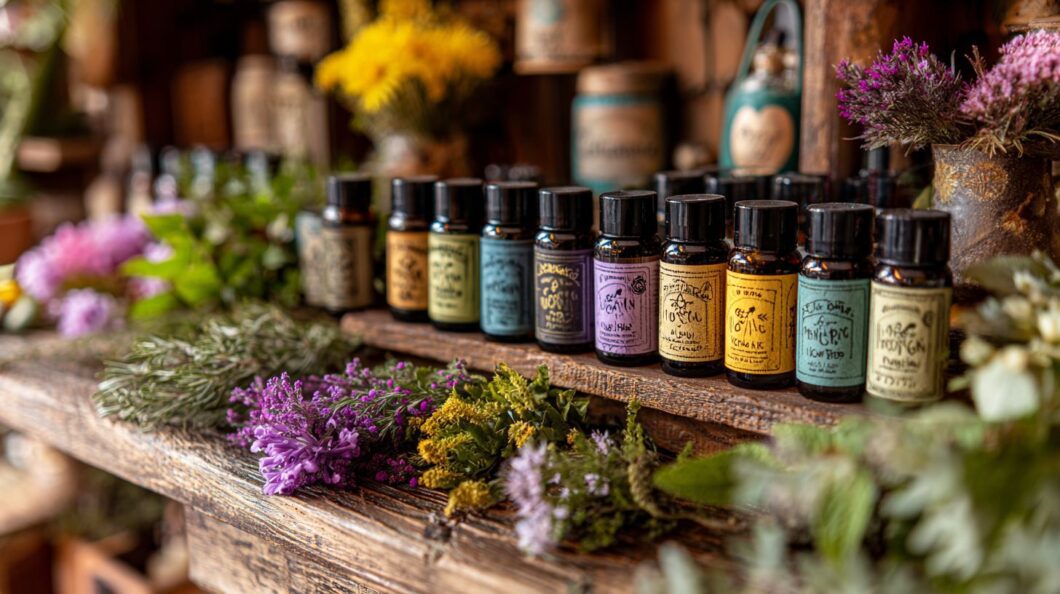
Have you noticed how big beauty brands are losing ground to those quirky, organic labels made in tiny batches? The Rise of Small-Batch Organic Beauty Brands in 2026 is reshaping the industry, driven by smarter consumers and fresh innovations. We’ll break down the key shifts, from demand trends to production tweaks, so you can see what’s coming next.
Key Takeaways: The Rise of Small-Batch Organic Beauty Brands in 2026
Market Drivers for Growth

The surge in small-batch organic beauty brands stems from evolving market forces that prioritize quality, ethics, and innovation in 2026. Consumer shifts toward transparent sourcing and personalized products fuel demand for artisanal offerings. Simultaneously, regulatory pressures on sustainability push brands to adopt greener practices.
These drivers create unique value for small-batch producers. They stand out by offering traceable ingredients and eco-friendly packaging that larger competitors struggle to match. This positions them well in The Rise of Small-Batch Organic Beauty Brands in 2026.
Consumer Demand Shifts
Consumers increasingly seek authentic, transparent beauty products that align with their values for health and environmental responsibility. They prefer items with traceable ingredients, knowing exactly where components like aloe vera or shea butter come from. This shift favors small-batch brands that emphasize farm-to-face skincare.
Artisanal quality draws in buyers tired of mass-produced formulas. For example, a handcrafted lavender-infused face oil from a local organic farm appeals to those wanting fresh, potent results. Brands can tap this by running Instagram polls to survey niche audiences on unmet needs, such as vegan serums for sensitive skin.
Actionable insights help brands respond quickly. Use polls to ask about preferred scents or textures, then prototype small runs based on feedback. This builds loyalty among health-conscious consumers seeking personalized organic beauty.
Research suggests these preferences grow stronger with younger demographics. Small-batch brands thrive by sharing behind-the-scenes stories, like harvest videos, to foster trust and repeat purchases in 2026.
Sustainability Regulations
Stricter global regulations on packaging, sourcing, and emissions are pushing brands toward eco-compliant practices. Influences from the EU Green Deal set standards for reduced plastic use and ethical sourcing. Upcoming plastic bans worldwide force a pivot to alternatives in beauty packaging.
Brands can comply by sourcing biodegradable packaging from Ecocert-certified vendors. Switch to materials like cornstarch-based jars or recycled glass for creams and serums. This meets rules while appealing to eco-aware buyers.
Practical steps include auditing current suppliers for compliance. Adopt waste reduction techniques, such as refillable containers, to cut costs over time. For instance, a small-batch lip balm brand saved on materials by using plant-based tubes that decompose naturally.
- Assess packaging for recyclability early in product development.
- Partner with certified suppliers to verify green claims.
- Track emissions from shipping to optimize local sourcing.
These changes offer cost-saving benefits through efficiency. Reduced waste lowers expenses, helping small-batch organic brands compete in the rising market of 2026.
Key Trends Shaping 2026
In 2026, small-batch organic beauty brands ride waves of personalization and clean formulations to capture market share. These trends dominate as consumers seek products that match their unique needs and values. Brands embracing them stand out in a crowded market.
Personalization uses AI-driven tools to create custom blends, boosting loyalty. Clean standards focus on transparent, natural ingredients, meeting rising demands for safety. Together, they fuel the rise of small-batch organic beauty brands in 2026.
Experts recommend prioritizing these areas for growth. Brands that adapt quickly gain trust and repeat business. Forward strategies under each trend offer clear paths to success.
Personalization Boom
Tailored beauty experiences, powered by AI quizzes and skin analysis apps, are redefining customer loyalty. Small-batch organic brands use these to offer custom serums or creams. This approach fits the rise of small-batch organic beauty brands in 2026.
To implement, start with a quiz tool like Typeform. Set up a 5-question skin type quiz in 15-30 minutes, linking results to product recommendations. Integrate via Shopify’s product customizer for one-click personalization.
- Create the quiz focusing on skin concerns, tone, and goals.
- Map answers to ingredient mixes, like adding rosehip oil for dry skin.
- Test the flow and embed on your site for seamless use.
Common pitfalls include data privacy oversights. Avoid them with GDPR-compliant plugins like those from Shopify apps. Always disclose data use and offer opt-outs to build trust.
Clean Beauty Standards

Buyers demand ingredient transparency, free from synthetics, with full disclosure labels gaining trust. Small-batch brands thrive by verifying claims through certifications. This aligns with the rise of small-batch organic beauty brands in 2026.
Follow best practices for COSMOS Organic certification. Source 95% organic ingredients, document supply chains, and undergo audits. Use suppliers like MakingCosmetics for pre-vetted, clean formulas to speed compliance.
| Common Claim | Verified Seal | Key Difference |
|---|---|---|
| “Natural” | COSMOS Organic | Requires audited organic sourcing, not just marketing terms. |
| “Clean Beauty” | ECOCERT | Prohibits over 2,500 chemicals, with third-party checks. |
| “Vegan” | Vegan Society | Ensures no animal testing or derivatives, beyond self-claims. |
| “Non-toxic” | EWG Verified | Tests for safety data, avoiding vague promises. |
Display seals prominently on labels. Educate customers with ingredient glossaries. This transparency turns skeptics into loyal fans.
Production Innovations
Advancements in small-batch technology enable organic beauty brands to scale efficiently while maintaining freshness and quality. These tools support precise control over low-volume runs, ideal for The Rise of Small-Batch Organic Beauty Brands in 2026.
Brands now use compact systems that minimize equipment needs. This approach cuts down on storage for raw materials and ensures ingredients stay potent.
Such innovations focus on automation for mixing and testing. They allow startups to produce high-quality serums or creams without large factories. See the next section for detailed tools and methods.
Experts recommend starting with pilot batches to refine processes. This builds confidence before expanding production lines.
Small-Batch Tech
Compact fermenters and automated mixers make artisanal production viable for startups. These systems handle small volumes of organic ingredients with precision, supporting The Rise of Small-Batch Organic Beauty Brands in 2026.
To adopt them, first assess your space and power needs. Next, select tools like MiniFermenter systems for natural fermentation of probiotics in skincare. Integrate LabLynx software for tracking batches, which typically takes 2-4 weeks with basic training.
- Purchase entry-level fermenter and mixer suited for 5-50 liter batches.
- Install software to monitor pH, temperature, and contamination risks.
- Run test batches with simple recipes, like a rosehip oil serum, adjusting based on results.
- Validate output quality through in-house sensory tests before full runs.
Case examples show batch optimization reduces waste through real-time adjustments. One brand refined aloe vera gels by tweaking fermentation times, preserving active compounds. Always test extensively before scaling to avoid quality dips.
Supply Chain Strategies
Streamlined, local sourcing minimizes risks and appeals to eco-conscious consumers in the small-batch organic beauty space. Small-batch brands in 2026 prioritize resilient supply chains to handle disruptions like weather events or global delays. This approach supports fresh ingredients and reduces carbon footprints.
These strategies enable brands to maintain quality while scaling production. By focusing on regional partnerships, companies build trust with customers who value transparency. The result is a competitive edge in The Rise of Small-Batch Organic Beauty Brands in 2026.
Experts recommend adopting numbered strategies for efficiency. Each step enhances disruption resilience and aligns with organic standards. Brands see quicker adaptation to market changes this way.
- Partner with regional organic farms via platforms like Farmigo to secure fresh, traceable ingredients. For example, a skincare brand might source aloe vera from nearby farms, cutting transport time and emissions.
- Use blockchain trackers like IBM Food Trust for full transparency from farm to shelf. Customers can verify purity through simple scans, building loyalty in the organic beauty market.
- Implement just-in-time inventory with tools like TradeGecko to avoid overstocking perishables. This keeps costs low and ensures ingredients stay potent for small-batch production.
These tactics create a unique value in resilience. Brands avoid shortages during peak seasons and respond faster to trends. In 2026, this positions small-batch organic beauty as a leader in sustainable practices.
The Rise of Small-Batch Organic Beauty Brands in 2026: Marketing Breakthroughs
Innovative digital tactics are propelling small-batch organic beauty brands to viral success. Social-driven marketing turns everyday posts into sales funnels for these niche players in 2026. Brands focus on quick, visual content that resonates with eco-conscious consumers.
This approach skips traditional ads and builds communities around handcrafted serums or zero-waste packaging. Engagement spikes when users share their routines. See specifics on commerce platforms below for setup steps.
Small-batch brands thrive by blending authenticity with platform tools. Creators partner with micro-influencers for genuine endorsements. This keeps costs low while expanding reach organically.
The rise favors agile tactics over big budgets. Track interactions to refine strategies. Details on social commerce follow to guide your implementation.
Social Commerce Rise

Instagram Shops and TikTok LIVE sales convert engagement into direct revenue for niche brands. Small-batch organic beauty labels in 2026 use these to sell aloe vera face mists mid-scroll. Setup takes minutes and boosts visibility fast.
Follow this actionable playbook to launch Instagram Shopping. Log into Facebook Business Manager, connect your account, upload a product catalog, and tag items in posts. The process wraps up in 10-20 minutes with basic verification.
Build momentum with a content calendar template for UGC campaigns:
- Week 1: Post user testimonials with #MyOrganicGlow; repost top three.
- Week 2: Host giveaway for before-after photos; feature winners in Stories.
- Week 3: Collaborate on Reels showing product rituals; encourage duets.
- Week 4: Analyze top performers and repeat with variations.
Compare ROI of social vs. email using platform analytics. Social shines in conversion rates from impulse buys during LIVE sessions. Email excels in repeat purchases but requires larger lists; review metrics like add-to-cart rates and checkout completions to decide.
Distribution Channels in The Rise of Small-Batch Organic Beauty Brands in 2026
Hybrid online-offline channels maximize reach for small-batch organic beauty in 2026. Brands blend digital platforms with physical touchpoints to connect with conscious consumers. This approach builds trust and drives sales in a competitive market.
DTC sites like those powered by Shopify offer control from $29/mo. Indie retailers such as Credo Beauty provide curated exposure. Pop-ups create buzz through temporary events in high-traffic areas.
Each channel suits different stages of growth for organic beauty brands. A comparison helps brands choose wisely. Starting small keeps costs low while testing demand.
| Channel | Cost | Pros | Cons | Example |
|---|---|---|---|---|
| DTC (Shopify) | $29/mo | Full control over branding, customer data ownership, direct margins | Requires marketing spend, logistics handling | A serum brand sells via custom site with subscription options |
| Indie Retailers (Credo Beauty) | Wholesale margins | Built-in audience of clean beauty fans, credibility boost | Less control, competitive shelf space | Brand places lip balms in store for targeted exposure |
| Pop-ups | Event fees | Hands-on customer interaction, immediate feedback | Temporary, high setup effort | Weekend market booth demos organic masks |
Pros and Cons of Key Channels
Direct-to-consumer setups excel in personalization. Brands craft unique experiences, like quizzes for product matches. Yet, they demand strong online marketing skills.
Indie retailers offer instant validation through expert curation. Shoppers trust stores like Credo Beauty for quality. Drawbacks include shared profits and limited display space.
- Pop-ups foster real connections with tactile product trials.
- They generate social media shares from events.
- Challenges involve logistics and short-term visibility.
Recommended Starting Point: Etsy
Experts recommend Etsy for low-barrier entry into the rise of small-batch organic beauty brands in 2026. Fees run about 6.5% per sale, keeping startup costs minimal. It taps into a ready marketplace of eco-conscious buyers.
List products like handmade face oils or balms quickly. Use high-quality photos and stories to highlight organic sourcing. Scale to DTC once sales prove demand.
This path tests the market without heavy investment. Many brands transition from Etsy to their own sites successfully. Focus on reviews to build momentum.
Competitive Advantages in The Rise of Small-Batch Organic Beauty Brands in 2026
Agility, storytelling, and community focus give small-batch brands an edge over mass producers. In the rise of small-batch organic beauty brands in 2026, these producers pivot quickly to match shifting consumer tastes. Large companies often lag due to long production cycles.
Rapid trend adaptation shines through weekly batches. Brands spot viral ingredients on social media and release small runs within days. For example, a sudden buzz around sea buckthorn oil lets them launch a serum before competitors gear up.
Founder-led newsletters build deep loyalty ties. Personal updates on sourcing or testing share the brand’s story directly with fans. This creates emotional connections that big brands struggle to match at scale.
Best practices like limited-edition drops spark urgency and FOMO. Releasing just 500 units of a seasonal mask drives quick sell-outs and buzz. Customers feel part of an exclusive circle, boosting repeat buys and word-of-mouth growth.
Future Challenges in The Rise of Small-Batch Organic Beauty Brands in 2026

Scaling sustainably while navigating rising costs poses hurdles for organic beauty innovators in the rise of small-batch organic beauty brands in 2026. Ingredient price volatility hits hard, as organic materials like aloe vera or shea butter fluctuate with weather and global demand. Brands must adapt quickly to stay profitable.
Supply bottlenecks add pressure, especially when ethical sourcing delays production. Small-batch operations often lack the leverage of big players for steady supplies. Proactive planning becomes essential to avoid stockouts.
Solutions like multi-supplier contracts spread risk across partners, ensuring steady organic inputs. Vertical integration, such as owning small farms, cuts middlemen and stabilizes quality. These steps help brands grow without compromising values.
- Lock in prices with long-term deals from multiple organic farmers.
- Invest in on-site greenhouses for key ingredients like herbal extracts.
- Use AI forecasting tools for precise demand planning to match production with sales trends.
Experts recommend blending these tactics for resilience. In 2026, forward-thinking brands will thrive by turning challenges into strengths through smart strategies.
Frequently Asked Questions
What is driving The Rise of Small-Batch Organic Beauty Brands in 2026?
The Rise of Small-Batch Organic Beauty Brands in 2026 is fueled by increasing consumer demand for sustainable, chemical-free products, advancements in eco-friendly sourcing, and social media trends amplifying artisanal creators who prioritize transparency and personalization over mass production.
How do small-batch organic beauty brands differ from mainstream cosmetics in 2026?
In 2026, small-batch organic beauty brands stand out by producing limited quantities with 100% natural, certified organic ingredients, avoiding synthetic preservatives, and focusing on ethical sourcing, unlike mainstream cosmetics that often rely on large-scale manufacturing and artificial additives.
Why are consumers shifting towards The Rise of Small-Batch Organic Beauty Brands in 2026?
Consumers are embracing The Rise of Small-Batch Organic Beauty Brands in 2026 due to growing awareness of skin health risks from chemicals, a preference for zero-waste packaging, and the appeal of unique, customizable formulations that align with personalized wellness trends.
What role does technology play in The Rise of Small-Batch Organic Beauty Brands in 2026?
Technology accelerates The Rise of Small-Batch Organic Beauty Brands in 2026 through AI-driven formulation tools, blockchain for supply chain transparency, and e-commerce platforms that connect niche brands directly with global audiences, enabling scalability without compromising artisanal quality.
Are small-batch organic beauty brands more expensive during The Rise of Small-Batch Organic Beauty Brands in 2026?
Yes, during The Rise of Small-Batch Organic Beauty Brands in 2026, these products often carry a premium price due to higher-quality organic ingredients, labor-intensive small-scale production, and sustainable practices, but consumers value the investment for superior efficacy and ethics.
What is the future outlook for The Rise of Small-Batch Organic Beauty Brands in 2026 and beyond?
The future looks promising for The Rise of Small-Batch Organic Beauty Brands in 2026, with projections of market growth exceeding 20% annually, driven by regulatory pushes for clean beauty, influencer endorsements, and innovations in upcycled ingredients that make organic luxury more accessible.