

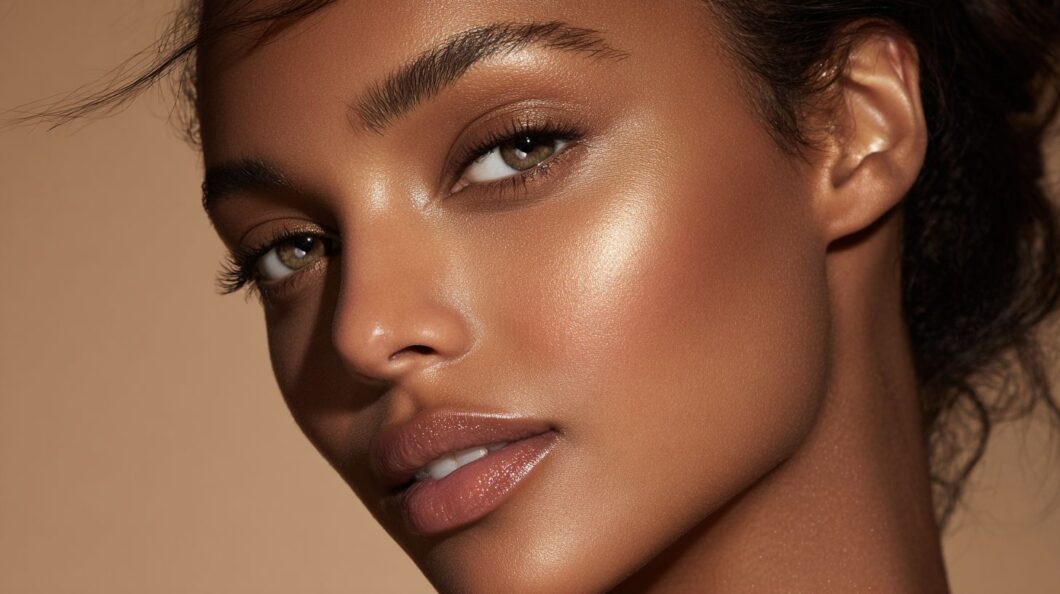
Ever feel like your foundation is fighting your skin instead of working with it? Second-Skin Foundations: The Barely-There Complexion Trend Explained gives you a fresh, natural look without the mask. Stick around to learn what makes them tick, how to pick the right one, and nail the application for your everyday glow.
Key Takeaways:
What Are Second-Skin Foundations?
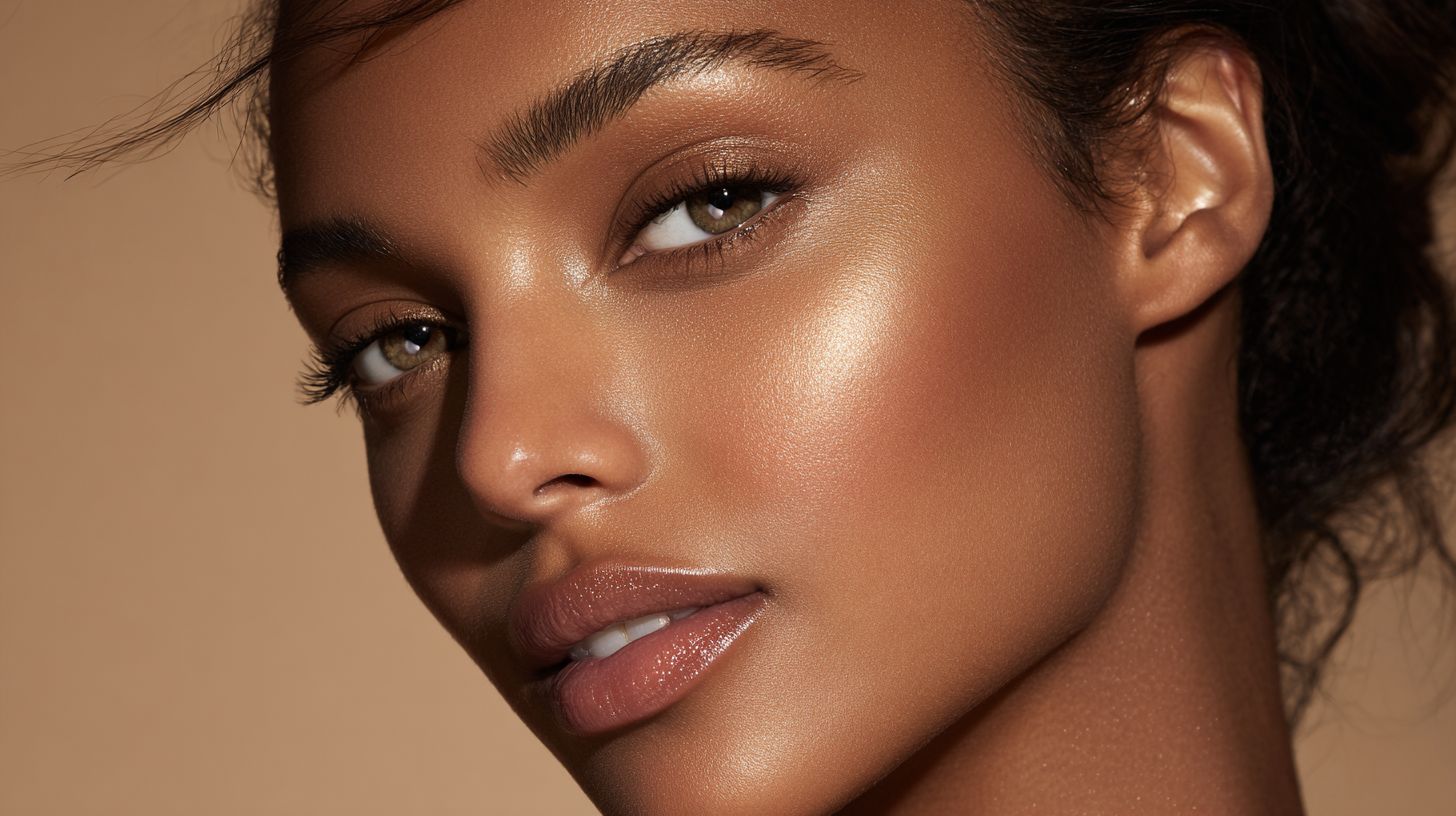
Second-skin foundations represent a revolutionary approach to makeup, delivering a weightless layer that mimics the look and feel of flawless bare skin. They form the cornerstone of the barely-there complexion trend, emphasizing natural radiance over heavy coverage. This trend shifts focus from masking imperfections to enhancing the skin’s inherent glow.
Users apply these foundations with fingers or a damp sponge for the smoothest finish. The result feels like nothing on the skin, yet evens tone and blurs pores effortlessly. Makeup artists recommend them for everyday wear or layered under powder for events.
Unlike traditional formulas that sit atop the skin, second-skin types integrate seamlessly. They promote a dewy, hydrated appearance that lasts through the day. Beginners can start with a pea-sized amount on the back of the hand, then pat onto the face.
Experts note these foundations bridge skincare and makeup worlds. They nourish while coloring, making them ideal for sensitive skin types. Pair with tinted moisturizer for an even subtler effect in the barely-there trend.
Core Characteristics
Second-skin foundations stand out with their ultra-lightweight texture that blends invisibly into the skin, creating a seamless second layer. This differs from traditional foundations, which often feel heavy and can cake over time. Sensory appeal includes a silky, non-greasy touch that moves with facial expressions.
Key traits make them versatile for daily use. Consider these standout features:
- Breathability: Allows skin to breathe, preventing clogged pores during long wear.
- Buildable coverage: Start sheer and layer for medium opacity without patchiness, like adding drops for custom intensity.
- Long wear: Maintains integrity for extended hours, resisting sweat and oil with a natural finish.
- Skin-like sheen: Imparts a subtle glow resembling well-rested skin, not shiny or matte overload.
- Non-cakey formula: Avoids buildup in fine lines, feeling weightless even after touch-ups.
To test breathability, wear one all day and note the fresh feel. Traditional options might oxidize or fade, but second-skin holds true to your skin’s tone.
Key Ingredients
Formulated with advanced skincare-meets-makeup ingredients, second-skin foundations prioritize hydration and skin health alongside coverage. These components deliver makeup benefits while treating the skin beneath. Each plays a role in the barely-there effect.
Common categories include:
- Hyaluronic acid: Plumps skin for a smooth canvas, drawing in moisture to reduce dryness and fine lines.
- Silicone elastomers: Create a soft-focus blur over pores and texture, diffusing light for an even complexion.
- Niacinamide: Soothes irritation and strengthens the barrier, calming redness for a uniform look.
- Volatile silicones: Evaporate quickly for a featherlight feel, ensuring no greasy residue as the day progresses.
Apply after serum to maximize hydration from hyaluronic acid. Over time, niacinamide may brighten tone, enhancing the second-skin illusion. Check labels for these to select trend-aligned options.
For best results, store in a cool place to preserve volatile silicones. This keeps the formula performant and skin-friendly.
The Rise of the Barely-There Trend
The barely-there complexion trend has transformed beauty routines, favoring effortless radiance over heavy coverage. This shift started with a move away from matte, full-coverage looks toward products like second-skin foundations that mimic natural skin texture. Consumers now seek formulas that blur imperfections while letting skin breathe.
Over the past few years, makeup artists have championed lightweight bases that enhance glow without masking features. Think of sheer tints layered for a dewy finish, popular in everyday routines. This evolution reflects a broader desire for authenticity in beauty.
The trend gained momentum as brands released breathable foundations with skincare benefits, like hydration from hyaluronic acid. Users apply thin layers for all-day wear that feels invisible. Practical tip: Start with moisturized skin to amplify the natural sheen.
Today, this approach suits diverse skin types, from oily to dry, by prioritizing balance over concealment. Experiment with color-correcting primers under second-skin formulas for even tone. The result is a fresh face that looks enhanced, not made up.
Cultural Influences
Social media platforms like TikTok and Instagram have propelled the barely-there look through viral ‘no-makeup makeup’ tutorials from influencers. These videos showcase quick routines using minimal products for radiant results. Viewers replicate the style at home with ease.
K-beauty’s glass skin aesthetic plays a key role, emphasizing multi-step skincare for a luminous base. Fans adopt dewy serums topped with sheer foundation to achieve that glassy effect. This influence spread globally via beauty challenges online.
The clean beauty movement pushes for non-toxic, skin-friendly ingredients in makeup. Brands respond with foundations free from heavy fillers, aligning with wellness-focused consumers. Post-pandemic, preferences leaned toward natural looks that feel comfortable for daily life.
Celebrity endorsements, like Hailey Bieber’s glazed skin technique, amplify the trend. She mixes highlighter with moisturizer for a subtle sheen under light coverage. These real-world examples inspire routines that blend skincare and makeup seamlessly.
Benefits for Everyday Wear
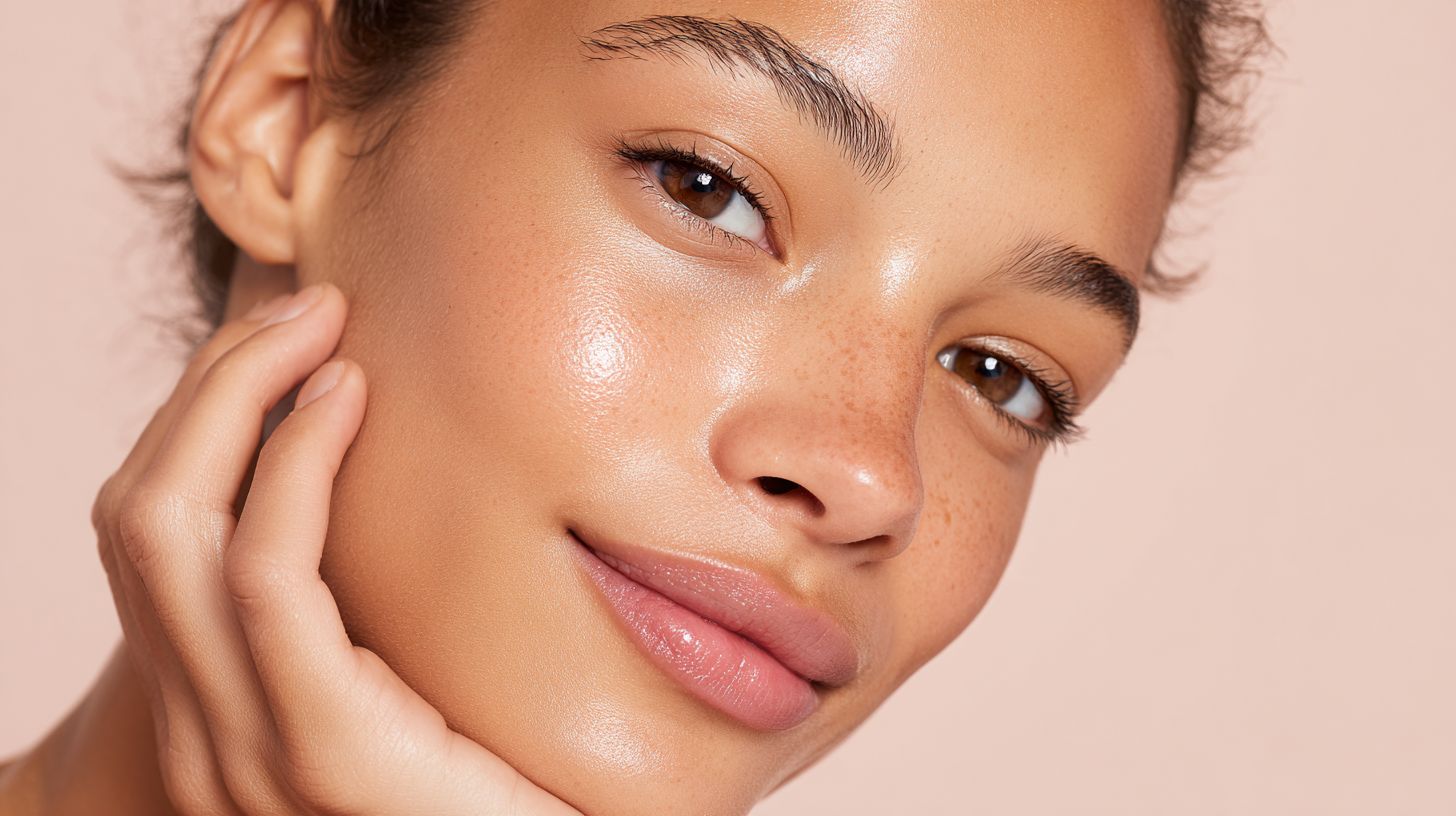
Perfect for daily use, second-skin foundations offer comfort and versatility that traditional formulas can’t match. These lightweight products blend seamlessly into your routine, providing a barely-there feel from morning coffee to evening unwind. They support busy lifestyles without the weight or touch-ups of heavier coverage.
Users appreciate how second-skin foundations adapt to natural skin movements throughout the day. Whether rushing to meetings or enjoying weekend errands, they stay put without cracking or fading. This makes them ideal for anyone seeking effortless complexion perfection.
In the barely-there complexion trend, these foundations prioritize breathability and hydration. They let your skin breathe while evening out tone, perfect for long workdays or casual outings. Comfort meets coverage in a way that feels natural and reliable.
Natural Finish Advantages
Achieve a lit-from-within glow that enhances your skin’s natural texture rather than masking it. Second-skin foundations deliver a fresh, dewy look suited for everyday scenarios. They work with your skin, not against it.
Here are key benefits that make them stand out for daily wear:
- Moves with skin expression: Flexes during smiles or frowns, ideal for busy workdays filled with video calls and conversations, preventing cakey patches.
- Resists settling into lines: Stays smooth over fine lines, great for casual brunches where you want to look polished without retouching.
- Maintains hydration all day: Locks in moisture for a plump feel, perfect for long office hours or errands in dry air.
- Adaptable to climate changes: Handles humidity or chill without melting or flaking, suited for outdoor walks or variable weather commutes.
- Boosts skin confidence: Enhances your natural radiance, enableing you during social gatherings or quick meetings with a subtle, authentic vibe.
Experts recommend applying with fingers for the most blended, skin-like result. This approach maximizes the barely-there complexion trend, letting your real skin shine through all day.
How to Choose the Right Formula
Selecting the perfect second-skin foundation requires attention to your unique skin needs and undertone. These lightweight formulas shine when matched to your skin type, finish preferences, and lifestyle. Consider coverage needs first, whether sheer for daily wear or buildable for events.
Dry skin benefits from hydrating formulas with ingredients like hyaluronic acid, while oily skin suits matte, oil-free options. Test for longevity on your skin, as second-skin foundations often blend with natural oils for a barely-there effect. Experts recommend prioritizing breathable textures that avoid caking over time.
Finish matters too, with dewy options mimicking barely-there complexions in Second-Skin Foundations: The Barely-There Complexion Trend Explained and satin ones offering subtle radiance. Always check for sensitivities, especially with clean beauty lines free of irritants. Layering compatibility with your skincare routine ensures seamless application.
Practical advice includes sampling small sizes before committing. Wear tests over a full day reveal true performance. This approach guarantees a foundation that feels invisible yet perfects your skin.
Shade Matching Tips
Finding your ideal shade starts with understanding undertones and testing in natural light. Second-skin foundations demand precise matching to avoid visible lines or ashy tones. Common pitfalls include relying on store lighting, which distorts true color.
Follow these numbered steps for accurate results:
- Identify your undertone with the vein test: blue veins suggest cool, green means warm, and a mix points to neutral.
- Use foundation maps like Temptu or Findation tools to cross-reference shades across brands.
- Test on the jawline in daylight, blending slightly upward and downward for seamless transition.
- Account for seasonal depth variations, choosing lighter shades for summer tanning and deeper for winter pallor.
- Perform a swipe test on the inner arm, waiting minutes to see oxidation effects.
Avoid indoor fluorescents, as they flatten tones and mislead judgments. Daylight near a window provides the clearest view. Patience during settling time prevents mismatches.
For best outcomes, apply over moisturizer to mimic real wear. Revisit shades seasonally for ongoing perfection in your barely-there complexion. This method builds confidence in every choice.
Application Techniques
Mastering application elevates second-skin foundations from good to undetectable perfection. These lightweight formulas mimic bare skin, so technique matters more than product alone. Focus on thin layers and blending for the barely-there complexion trend.
Start with a hydrated base to let the foundation glide on smoothly. Use minimal product to avoid cakiness. Practice reveals the natural finish everyone craves.
Common mistakes include heavy application or skipping prep, which break the illusion. Gentle patting, not rubbing, preserves the second-skin effect. With time, it becomes second nature for everyday wear.
Adapt for your skin type: drier complexions benefit from extra hydration, while oily ones need less. This approach ensures a flawless look that lasts. Experts recommend building coverage gradually for best results.
Tools and Prep
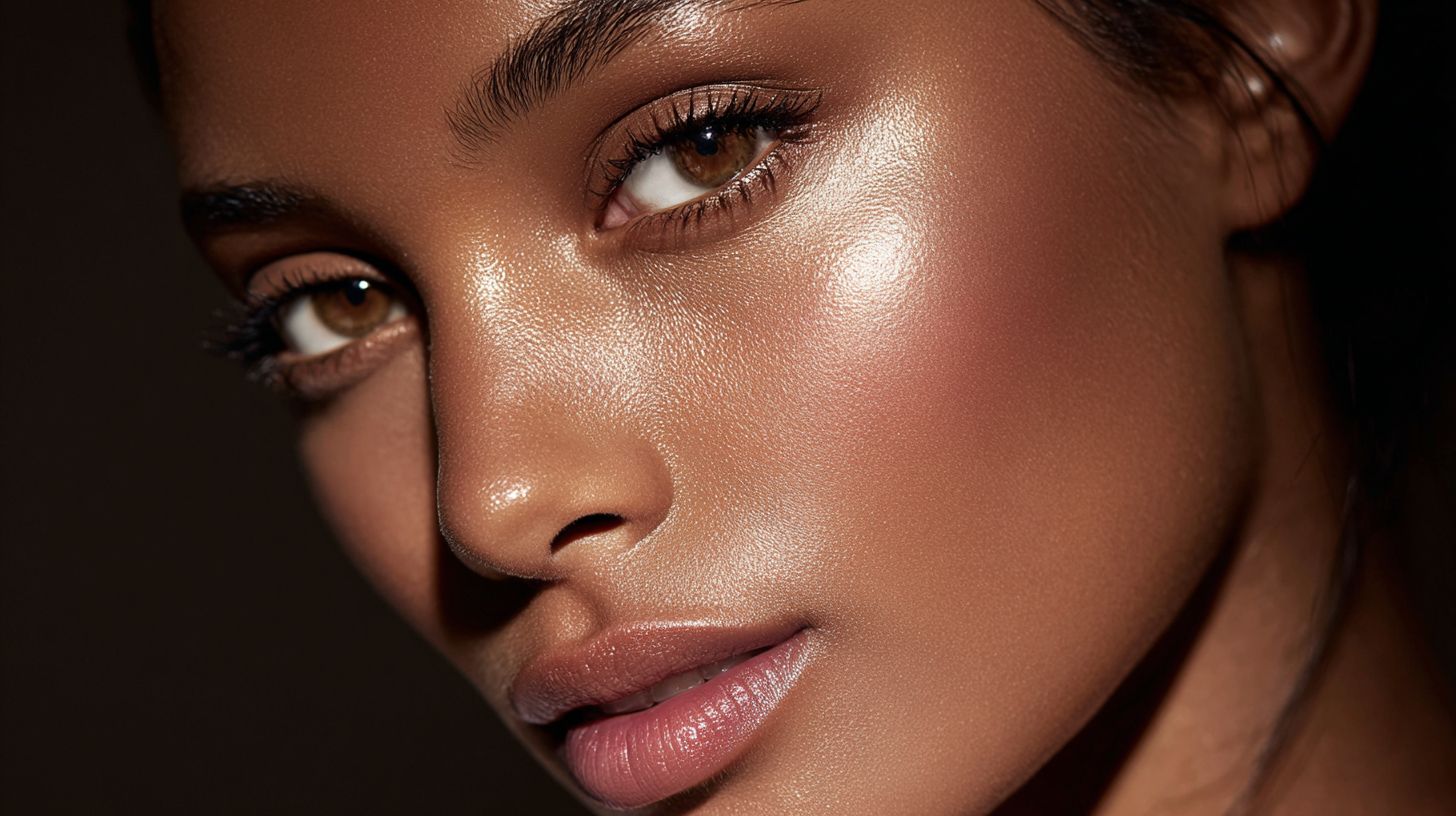
The right preparation and tools make all the difference in achieving that true second-skin effect. A solid routine prevents patchiness and ensures even wear. Total time stays under five minutes for quick mornings.
Begin with skincare base: apply a hydrating serum followed by moisturizer. Wait two minutes for absorption to create a smooth canvas. This step locks in hydration without greasiness.
Choose a clean beauty sponge or dense synthetic brush for blending. These tools deposit product lightly, mimicking skin’s texture. Avoid fingers alone, as they can pull at the formula.
- Warm a pea-sized amount of foundation between fingertips to enhance spreadability.
- Apply in thin layers, dabbing from the center of the face outward to blend edges seamlessly.
- Work quickly in sections like cheeks, forehead, and chin for even coverage.
- Set lightly with translucent powder only if needed in the T-zone; skip elsewhere for dewiness.
For example, use a damp sponge for sheerer results on combo skin. This method yields a natural glow that feels weightless all day.
Common Mistakes to Avoid
Even seasoned makeup users stumble with second-skin foundations. These barely-there complexion products demand precision to look natural. Here’s how to sidestep the pitfalls.
Many errors stem from treating these formulas like traditional heavy coverage. Over-application often leads to cakiness, while skipping prep ruins the finish. A simple table outlines fixes for quick reference.
| Mistake | Why It Happens | Fix |
|---|---|---|
| Over-application | Applying too much at once clogs pores and builds uneven layers. | Build in sheer layers, letting each dry before adding more. |
| Skipping primer | Skin texture causes poor adhesion and patchiness. | Use a lightweight hydrating primer for smooth blending. |
| Wrong tools | Brushes or fingers create streaks and uneven coverage. | Opt for a damp beauty sponge to press product into skin. |
| Ignoring shade match | Oxidation shifts color, making it look unnatural. | Test on jawline in natural light and choose cool or warm tones carefully. |
| Not setting properly | Sweat or oil breaks down the dewy finish quickly. | Dust with translucent powder only on T-zone, then mist with setting spray. |
| Forgetting skin prep | Dry or oily skin disrupts the seamless blend. | Moisturize lightly and wait two minutes before foundation. |
Avoid these traps to master the barely-there complexion trend. Practice on clean skin first. Results improve with consistent technique.
Top Product Recommendations
These cult-favorite second-skin foundations deliver on the barely-there promise across various skin types and budgets. They prioritize lightweight formulas that blur imperfections without masking natural texture. Ideal for everyday wear, they suit the second-skin foundations: the barely-there complexion trend explained.
Selecting the right one depends on your skin needs, like hydration or oil control. For instance, gel-based options work well in humid climates, while tinted moisturizers shine on dry skin. Always test for shade match to maintain that authentic glow.
The table below compares five standout products based on key features such as finish and longevity. Each offers unique benefits, from dewy radiance to matte control. These picks highlight authentic differentiators in the second-skin category.
| Product | Key Features | Best For | Price Range | Shade Range |
|---|---|---|---|---|
| Glossier Skin Tint | Sheer tint with SPF 40, dewy finish, buildable coverage, quick-absorbing | Normal to dry skin seeking glow | $26-$30 | 12 shades |
| Saie Glowy Supergel | Gel foundation alternative, luminous finish, hydrating with squalane, lightweight | Oily or combination skin needing dewiness | $40-$45 | 12 shades |
| Westman Atelier Vital Skin Foundation | Creamy texture, radiant finish, long-wearing up to 12 hours, skin-like blurring | Mature or dry skin for even tone | $68 | 23 shades |
| Kosas Revealer Skin-Improving Foundation | Super-serum infused, natural finish, medium coverage, non-comedogenic | Acne-prone or sensitive skin | $42 | 36 shades |
| Merit The Minimalist Perfecting Complexion Stick | Stick format, satin finish, multi-tasking with treatment ingredients, portable | On-the-go touch-ups, all skin types | $38 | 20 shades |
These products stand out for their longevity and skin-friendly ingredients. Glossier excels in simplicity, while Kosas adds skincare perks. Choose based on your routine for the best barely-there complexion.
Frequently Asked Questions
What are Second-Skin Foundations in the Barely-There Complexion Trend Explained?
Second-Skin Foundations: The Barely-There Complexion Trend Explained refers to lightweight, sheer makeup products that mimic the look and feel of natural skin. These foundations provide minimal coverage while enhancing your complexion with a hydrated, glowing finish, making it seem like you’re wearing nothing at all.
Why is the Second-Skin Foundations: The Barely-There Complexion Trend Explained so popular?
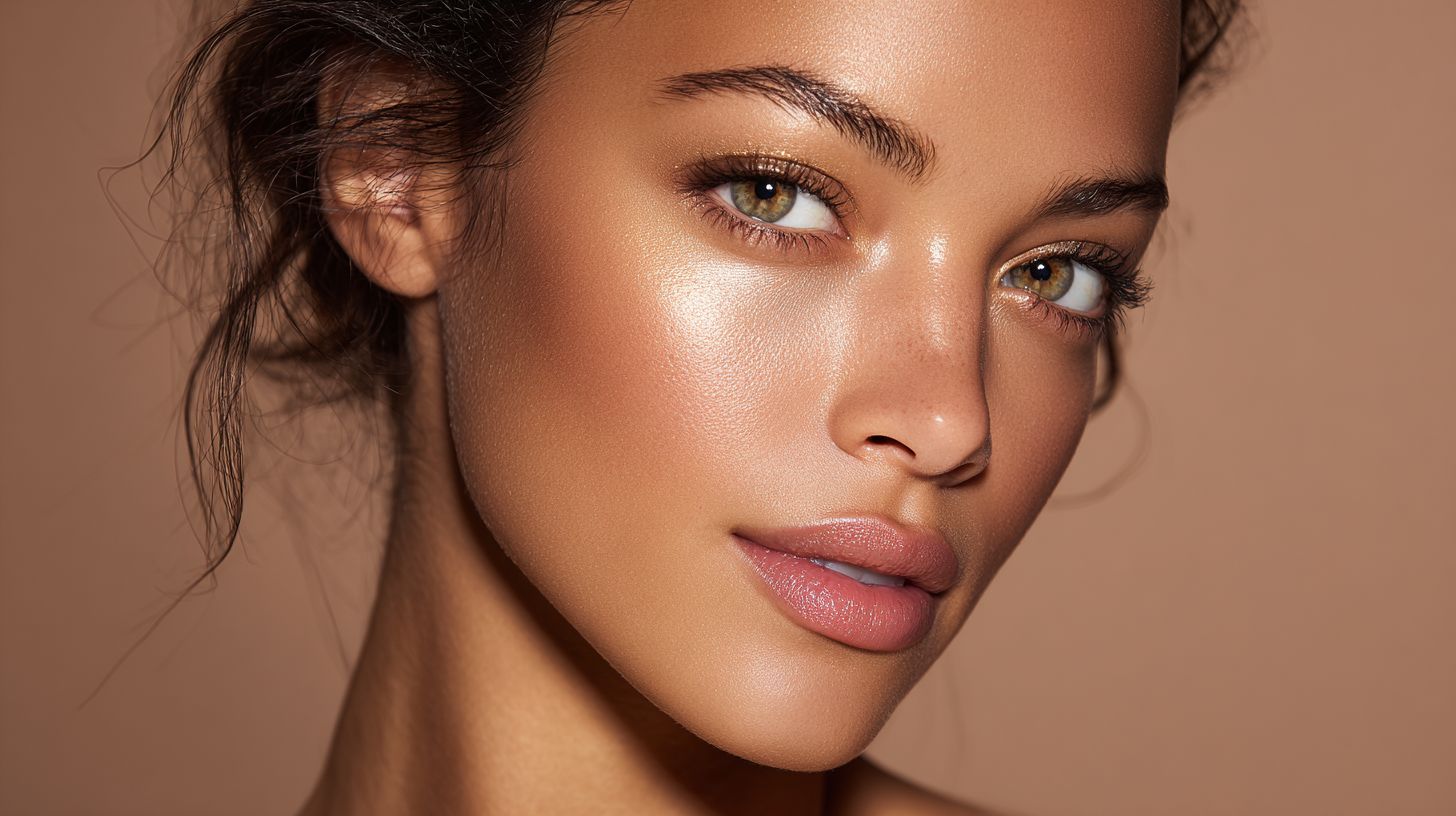
The popularity of Second-Skin Foundations: The Barely-There Complexion Trend Explained stems from the shift toward natural, “no-makeup” makeup looks. It offers breathable, skin-like coverage that’s ideal for everyday wear, especially in humid climates or for those seeking a fresh-faced vibe without heavy products.
How do Second-Skin Foundations: The Barely-There Complexion Trend Explained differ from traditional foundations?
Unlike traditional foundations that provide full coverage and can feel heavy, Second-Skin Foundations: The Barely-There Complexion Trend Explained use ultra-light formulas like serums or tints. They blend seamlessly into the skin, often with skincare ingredients, for a barely detectable layer that evens tone without masking texture.
How should you apply Second-Skin Foundations: The Barely-There Complexion Trend Explained?
To achieve the best results with Second-Skin Foundations: The Barely-There Complexion Trend Explained, start with moisturized skin, then use fingertips or a damp sponge for sheer application. Build lightly if needed, focusing on blending for an invisible finish that lets your natural skin shine through.
What skin types suit Second-Skin Foundations: The Barely-There Complexion Trend Explained best?
These Second-Skin Foundations: The Barely-There Complexion Trend Explained work wonderfully for all skin types, particularly combination or oily skin due to their non-comedogenic, lightweight nature. Dry skin benefits from their hydrating formulas, while acne-prone skin appreciates the minimal coverage that avoids clogging pores.
Can Second-Skin Foundations: The Barely-There Complexion Trend Explained provide enough coverage for imperfections?
Yes, Second-Skin Foundations: The Barely-There Complexion Trend Explained offer buildable, subtle coverage for minor imperfections like redness or pores. Pair them with a concealer for spots, maintaining the trend’s philosophy of enhancing rather than hiding your skin’s natural beauty.