

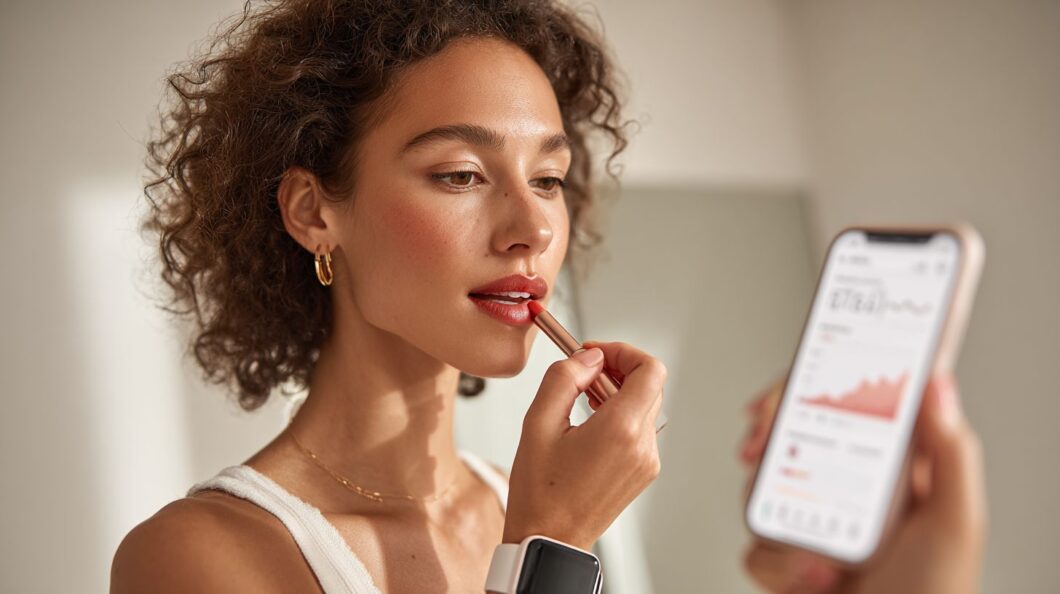
Ever feel like your mood swings throw off your makeup game? Mood-tracking wearables are teaming up with beauty apps to fix that, using your biometrics to suggest the perfect shades in real time. Stick around to see how this pairing works in Mood-Tracking Meets Makeup: How Wearables Are Pairing with Beauty Apps and what it means for your routine.
Key Takeaways:
AI-Powered Makeup Recommendations
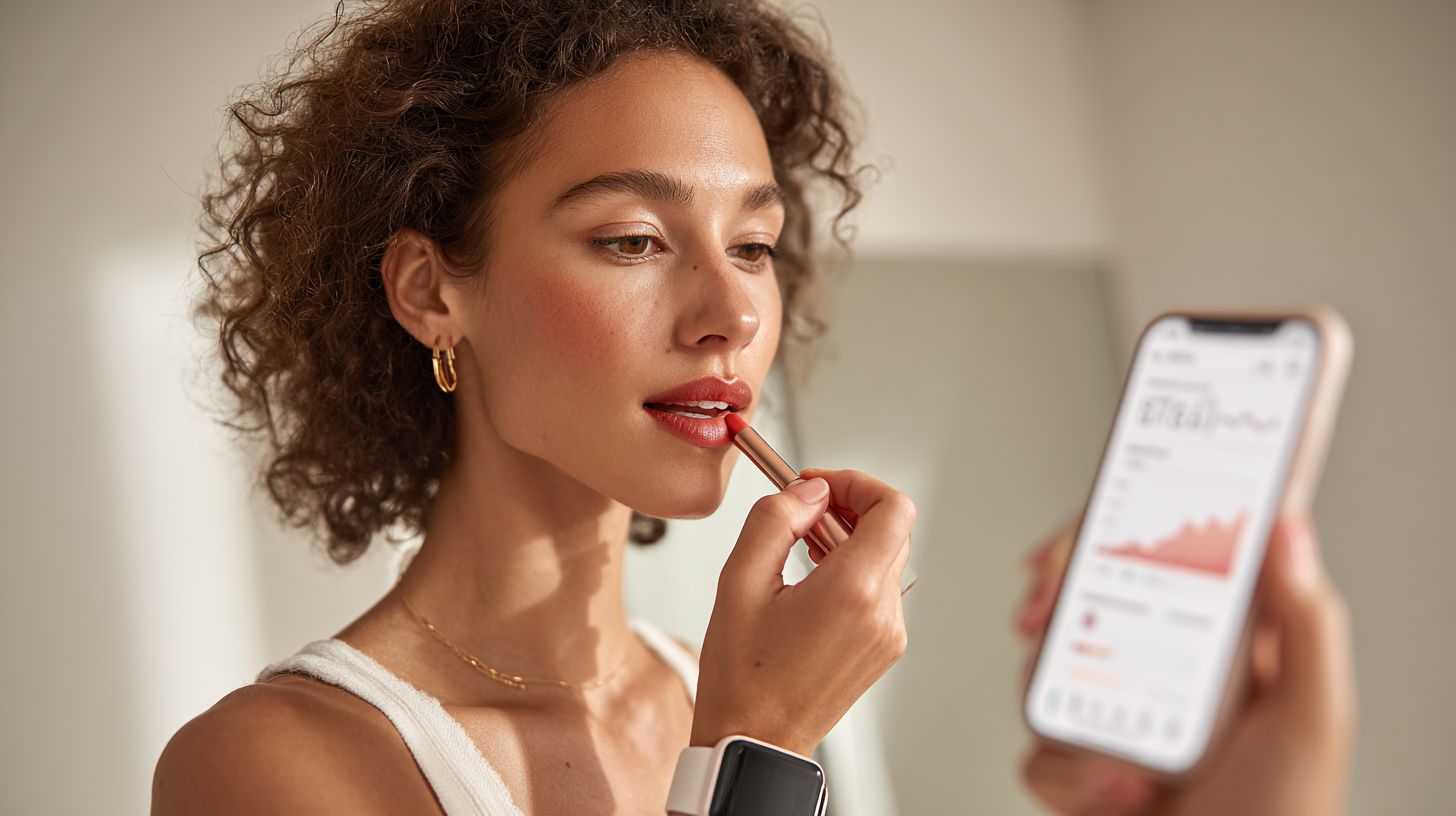
AI analyzes your skin tone, undertone, and environmental factors to suggest the perfect foundation shade and lipstick match. Apps like YouCam Makeup and Perfect365 use camera scans and machine learning for realistic virtual try-ons. This pairs seamlessly with mood-tracking wearables in the era of Mood-Tracking Meets Makeup.
These tools scan your face in seconds to match shades accurately. They consider lighting conditions and skin texture for reliable results. Users get personalized options that save time shopping.
Follow these steps for best results:
- Upload a clear photo, which takes under 30 seconds.
- AI processes lighting and skin analysis instantly.
- Receive 3-5 shade options with virtual swatches to preview on your face.
A common mistake is using poor lighting, which skews results. Always opt for natural light near a window. This ensures the AI detects your true undertones, like warm or cool, for spot-on recommendations.
Heart Rate and Biometric Sensors
Heart rate variability (HRV) detected by optical sensors reveals stress levels, while galvanic skin response tracks emotional arousal. Devices like the Apple Watch or Fitbit use photoplethysmography (PPG) sensors to measure beat-to-beat intervals in your pulse. These metrics help beauty apps pair biometric data with mood tracking for personalized makeup suggestions.
PPG sensors shine light through your skin to detect blood flow changes, calculating HRV as a sign of nervous system balance. Lower HRV often signals stress, which apps can link to calmer makeup palettes like soft neutrals. Pair this with electrodermal activity (EDA) sensors that measure sweat gland responses to emotional triggers.
To get started, enable stress detection in your wearable’s settings and connect it to a beauty app. Review daily mood summaries that combine HRV dips with activity logs, avoiding mistakes like confusing high HRV from exercise with anxiety. For example, after a workout, cross-check with your step count before adjusting your blush shade for a relaxed vibe.
Experts recommend logging context, such as caffeine intake or meetings, alongside these readings. This integration in Mood-Tracking Meets Makeup apps refines recommendations, suggesting bolder lips during high-energy states detected by EDA spikes. Consistent use builds a reliable mood-makeup profile over time.
Real-Time Shade Matching
Stressed? The app shifts recommendations to calming cool-toned blushes; energized? Warm, vibrant lip shades appear instantly. Wearables send HRV data from your heart rate variability to the beauty app. Algorithms then apply color psychology to suggest shades that match your mood.
This process starts with syncing your wearable to the app. Select ‘mood mode’ for real-time analysis. Within 15 seconds, you get live AR previews overlaid on your face via your phone camera.
For example, Olay Skin Advisor integrates mood data to tweak foundation opacity. Low energy prompts lighter coverage for a fresh look, while high stress suggests fuller coverage with soothing blue undertones. Experts recommend testing in natural light for the best match.
Follow these steps for seamless use: first, pair devices through Bluetooth. Second, input your skin tone baseline. Third, activate mood tracking during makeup sessions to watch shades adapt live, enhancing your routine with personalized, mood-aware beauty.
The Rise of Beauty Apps
Beauty apps have transformed how we approach makeup, offering personalized advice right from our smartphones. They started as simple tools with fun filters for selfies. Now, they help users pick shades and styles based on daily needs.
Early versions focused on basic features like virtual try-ons. Users could test lipstick colors without buying them. This made experimenting quick and risk-free.
Over time, apps evolved into sophisticated tools for full routines. They analyze skin tone, undertones, and lighting conditions. Developers added tutorials and shade-matching tech for better results.
Today, AI capabilities drive the next wave, especially as wearables pair with beauty apps. These systems learn from user habits to suggest mood-based looks. This shift connects mood-tracking directly to makeup choices, blending wellness with beauty.
How Wearables Capture Mood Data
Wearables go beyond fitness tracking by interpreting mood through continuous biometric monitoring. These devices collect real-time data on physiological signals that reflect emotional states. This approach allows users to track subtle mood shifts throughout the day.
Key methods include analyzing heart rate variability and skin responses. Devices use built-in sensors to measure these metrics without interrupting daily routines. For instance, a smartwatch might detect increased variability during stressful moments.
Experts recommend pairing this data with beauty apps for personalized makeup suggestions. When mood data syncs to an app, it can suggest calming foundation shades for anxious days. This integration bridges health tracking with beauty routines seamlessly.
- Heart rate sensors detect emotional arousal.
- Skin conductance tracks stress levels via sweat response.
- Accelerometers note movement patterns linked to energy moods.
Understanding these capture methods sets the stage for how wearables enhance makeup choices in apps. Users gain insights into their emotional patterns, leading to tailored beauty recommendations.
Integration Technologies
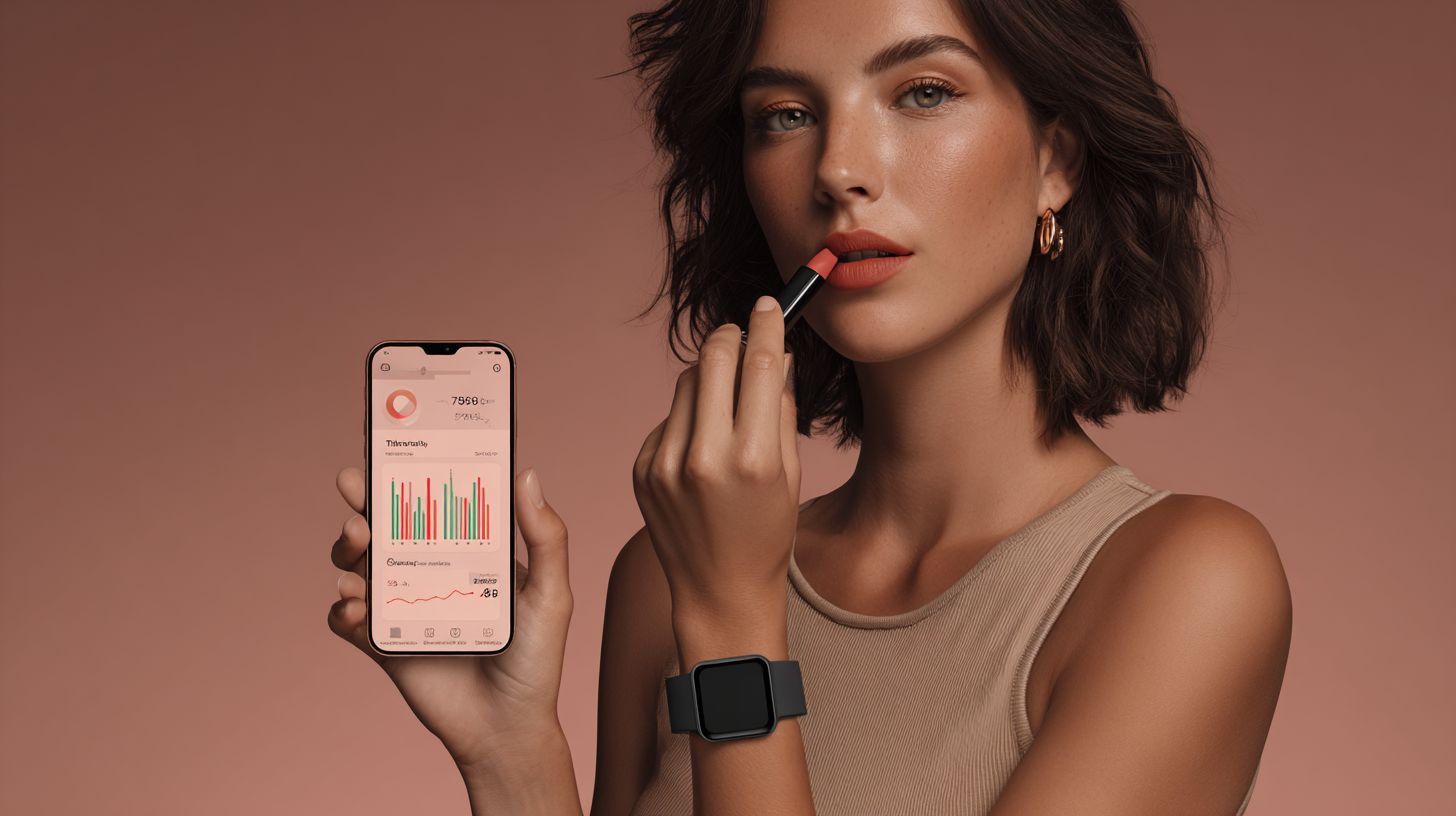
Seamless API connections and Bluetooth syncing enable wearables to feed mood data directly into beauty apps. This setup allows devices like smartwatches to share heart rate variability with apps for personalized makeup recommendations. Real protocols make the process secure and efficient.
OAuth protocols handle secure data sharing between wearables and beauty apps. Users authenticate once, then apps access mood insights without repeated logins. This keeps personal data protected while enabling smooth integration.
The Web Bluetooth API supports real-time syncing from wearables to apps on your phone or browser. It connects devices quickly for live mood tracking. Beauty apps use this to adjust suggestions based on current emotional states.
- Pair your wearable via app settings, which takes about two minutes.
- Grant permissions for mood data like HRV during the setup prompt.
- Apps like L’Oral’s ModiFace then pull this data to tweak shade selections or product matches.
Tools such as Google’s Fit API further simplify connections across devices. Developers use it to link fitness trackers with beauty platforms. This creates a unified system for Mood-Tracking Meets Makeup experiences.
Key Features of Mood-Makeup Pairings
When mood data meets beauty tech, apps deliver hyper-personalized makeup looks tailored to your emotional state. Wearables track heart rate, skin temperature, and activity levels to gauge emotions in real time. Beauty apps then pair this data with makeup recommendations for a fresh approach to daily routines.
Core features focus on seamless integration between devices. Users sync smartwatches or rings with apps that analyze mood patterns over time. This creates a foundation for smarter beauty choices without manual input.
Real-time matching stands out as a game-changer. For instance, if stress spikes during a busy morning, the app might suggest cooling blues or soft neutrals to calm the vibe. It adjusts shade intensities based on detected energy levels for instant application ideas.
Customization extends to product pairing too. Apps recommend lip colors or blushes that align with detected happiness or fatigue. This makes Mood-Tracking Meets Makeup a practical tool for effortless enhancement.
Real-Time Mood Detection
Wearables use sensors to capture mood signals continuously throughout the day. Heart rate variability and movement data feed into algorithms that interpret emotions like joy or anxiety. Beauty apps process this instantly for relevant suggestions.
Practical examples include a post-workout glow detection. The system notes elevated endorphins and proposes vibrant corals or peaches. Users get notifications with shade swatches matched to their skin tone.
Experts recommend checking app permissions for accurate tracking. This ensures reliable real-time detection without draining battery life. Over time, patterns refine predictions for better personalization.
Integration with phone cameras adds facial analysis for subtle cues within Mood-Tracking Meets Makeup: How Wearables Are Pairing with Beauty Apps. Combined data paints a full emotional picture, enhancing makeup pairings effectively.
Personalized Shade Recommendations
Apps generate tailored shade palettes based on mood insights from wearables. A relaxed state might prompt earthy tones, while high energy calls for bold pops. This keeps looks aligned with how you feel.
Actionable advice: Input your undertone once for baseline accuracy. The system then adapts recommendations, like suggesting dewy foundations for hydrated, happy moods. Test via virtual try-on features for confidence.
Seasonal adjustments factor in too. Summer heat detected via wearables shifts toward lightweight, matte finishes. This level of detail makes daily makeup selection intuitive.
Users report feeling more put-together with these matches. It turns vague preferences into precise, mood-driven choices.
Integration with Wearable Devices
Device syncing links fitness trackers directly to beauty platforms. Data flows from Apple Watch or Oura Ring to apps without extra steps. This powers ongoing mood-makeup analysis.
Set up by granting access in settings. Once connected, expect push alerts for shade tweaks during mood shifts. For example, evening wind-down prompts soothing lavender eyeliners.
Privacy controls let you manage data sharing. Choose what metrics feed the beauty engine for comfortable use. Battery optimization tips from experts help sustain all-day tracking.
Future updates promise deeper pairings, like AR previews on smart glasses. Current features already transform routines through simple wearable connections.
Benefits for Users
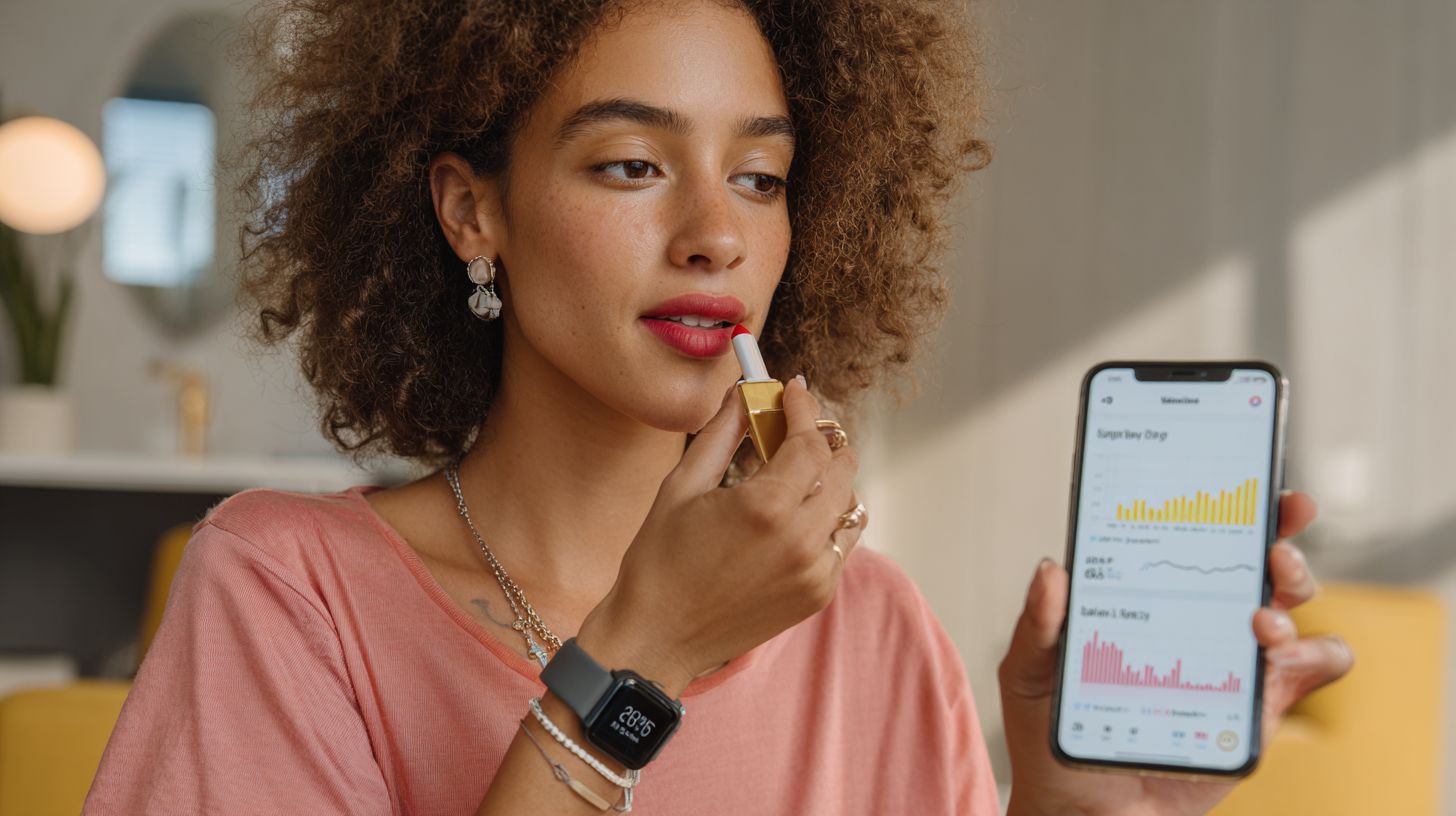
This fusion give the power tos users to align their outward appearance with inner feelings effortlessly. Wearables track mood through heart rate and activity data, while beauty apps suggest makeup looks that match. Users enjoy a seamless blend of mood-tracking meets makeup.
One key benefit is emotional congruence that boosts confidence. For example, on high-energy days, the app might recommend a vibrant look with bold reds and shimmers. This match creates a sense of harmony between how you feel and how you appear.
Another advantage is saving shopping time with precise recommendations. Instead of browsing endlessly, users get tailored product suggestions based on their mood data. This cuts down trial-and-error purchases and streamlines routines.
These tools also promote mindful beauty routines. Consider a post-workout scenario: your wearable detects an upbeat mood from endorphins, pairing it with a dewy glow foundation. This encourages intentional choices that enhance well-being.
Challenges and Limitations
While promising, mood-makeup integrations face hurdles in accuracy and privacy. Wearables that pair with beauty apps must handle real-world conditions, but issues like sensor inaccuracies during motion can skew mood readings. Users often notice this when tracking during workouts or busy days.
Sensor drift happens because devices rely on heart rate variability or skin conductance, which fluctuate with movement. To counter this, calibrate during rest periods, such as mornings or evenings. This simple step improves data reliability for better makeup suggestions.
Data privacy concerns also loom large, as apps collect sensitive mood and biometric info. Experts recommend reviewing app permissions before granting access to location or contacts. Opt for apps with on-device processing to keep data off servers and reduce breach risks.
Battery drain rounds out common complaints, as constant mood tracking taxes wearables. Toggle features selectively, like enabling them only during high-stress hours. These adjustments balance innovation in Mood-Tracking Meets Makeup with everyday usability.
Future Innovations
Advancements like multi-sensor fusion and AR smart mirrors will deepen mood-beauty synergy. These technologies combine data from wearables and beauty apps to offer real-time personalization. Users can expect more intuitive ways to match makeup with their emotional state.
EEG headbands represent a key emerging tech for precise mood reads. They detect brainwave patterns to identify stress or joy before visible signs appear. Paired with makeup apps, they suggest shade adjustments, like cooler tones for calm.
Haptic feedback in wearables will provide application cues during routines. A gentle vibration might signal to blend foundation evenly when anxiety rises. This tactile guidance makes beauty application a mindful, mood-aligned practice.
Imagine AI predicting mood shifts from historical patterns in your tracking data. It could recommend preemptive product swaps, such as brighter lip colors for detected dips. Potential integrations like Apple Glass overlays might project virtual try-ons directly onto your reflection for instant feedback.
Market Impact and Adoption
Brands are racing to embed mood tracking, signaling a shift toward emotionally intelligent beauty tools. This fusion of wearables and makeup apps is reshaping the beauty industry. Partnerships like Fitbit with L’Oral prototypes show how tech giants are testing skin-responsive foundations that adapt to stress levels.
Adoption is driven by younger demographics craving personalization. Gen Z users want products that reflect their daily emotional states, from calm mornings to hectic afternoons. Beauty apps now sync with wearables to suggest shade adjustments or calming routines based on heart rate data.
Market impact appears in rising demand for integrated wearables. Retailers report interest in devices that pair with apps for real-time mood-based makeup tips. Experts recommend monitoring app stores for new releases to spot emerging trends early.
- Check categories like Health & Fitness or Beauty for wearable-compatible apps.
- Look for updates mentioning mood analytics or skin tone shifts.
- Follow brand announcements on social platforms for prototype news.
Frequently Asked Questions
What is “Mood-Tracking Meets Makeup: How Wearables Are Pairing with Beauty Apps”?
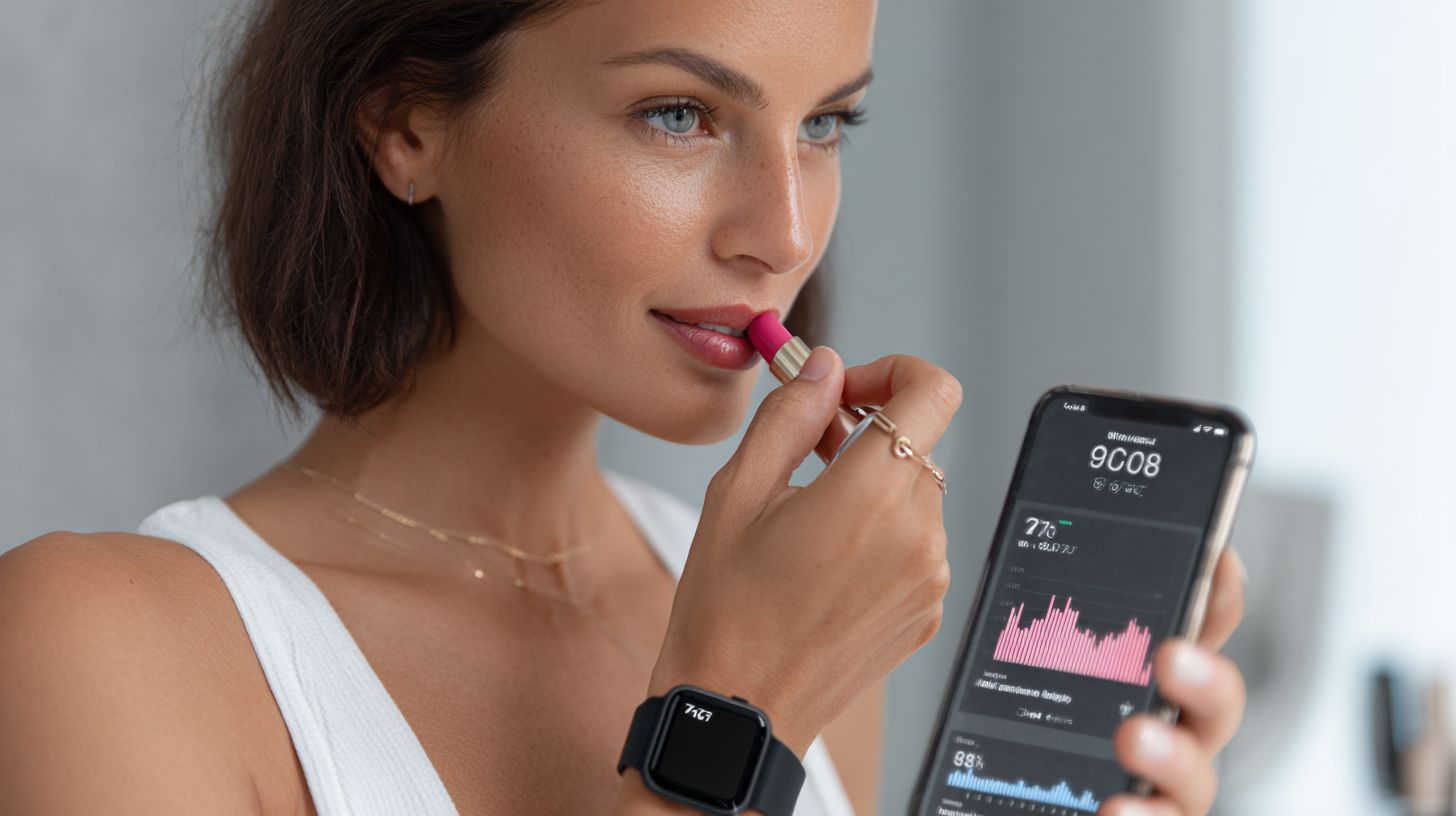
“Mood-Tracking Meets Makeup: How Wearables Are Pairing with Beauty Apps” refers to the innovative integration of wearable devices, like smartwatches and fitness trackers, with beauty applications. These technologies analyze users’ mood through biometric data such as heart rate, skin temperature, and sleep patterns, then suggest personalized makeup looks, shades, or routines via apps to enhance emotional well-being and confidence.
How do wearables enable mood tracking in beauty apps?
Wearables enable mood tracking in beauty apps by collecting real-time data on physiological indicators like heart rate variability, stress levels, and activity. This data is synced to beauty apps, which use AI algorithms under “Mood-Tracking Meets Makeup: How Wearables Are Pairing with Beauty Apps” to interpret emotional states and recommend makeup products or styles that align with or uplift the user’s current mood.
What benefits does “Mood-Tracking Meets Makeup: How Wearables Are Pairing with Beauty Apps” offer users?
The benefits of “Mood-Tracking Meets Makeup: How Wearables Are Pairing with Beauty Apps” include personalized beauty recommendations that boost mood, such as calming colors for stress or energizing shades for low energy. It promotes mental health awareness, simplifies routines, and encourages self-care by making makeup choices data-driven and emotionally responsive.
Which wearables are commonly used in “Mood-Tracking Meets Makeup: How Wearables Are Pairing with Beauty Apps”?
Common wearables in “Mood-Tracking Meets Makeup: How Wearables Are Pairing with Beauty Apps” include Apple Watch, Fitbit, Oura Ring, and Garmin devices. These track vital signs and integrate seamlessly with apps like those from L’Oral or Perfect Corp, translating health data into beauty advice.
Are there privacy concerns with “Mood-Tracking Meets Makeup: How Wearables Are Pairing with Beauty Apps”?
Yes, privacy concerns exist in “Mood-Tracking Meets Makeup: How Wearables Are Pairing with Beauty Apps” due to the sensitive nature of mood and biometric data. Users should opt for apps with strong encryption, transparent data policies, and features to control sharing, ensuring personal health information isn’t misused by third parties.
What is the future of “Mood-Tracking Meets Makeup: How Wearables Are Pairing with Beauty Apps”?
The future of “Mood-Tracking Meets Makeup: How Wearables Are Pairing with Beauty Apps” looks promising with advancements in AI, AR try-ons, and more precise sensors. Expect deeper integrations, like smart mirrors or haptic feedback for application, making beauty routines increasingly adaptive to real-time emotional and physical states.