

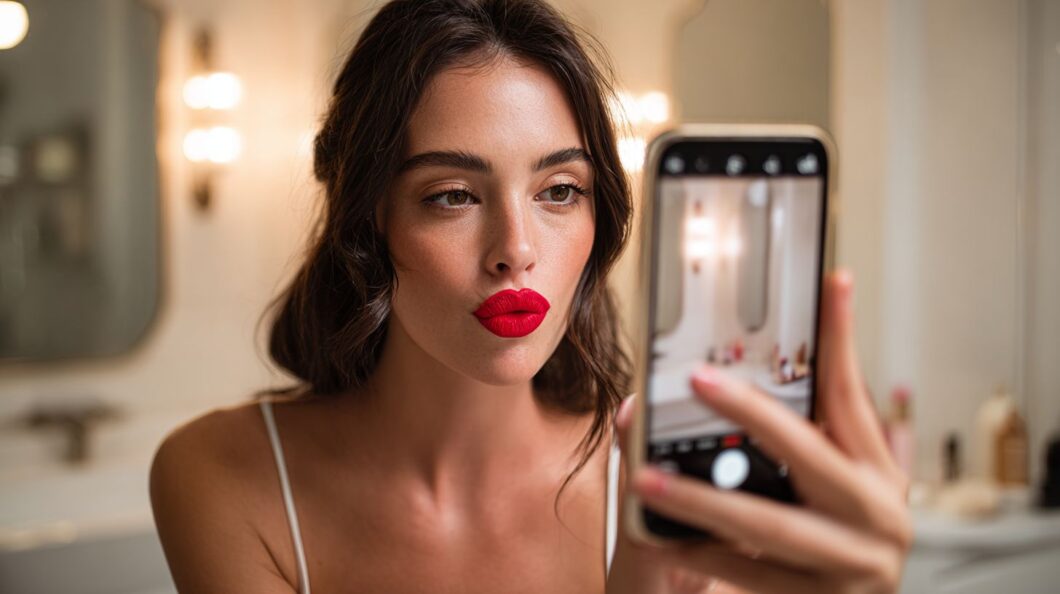
Ever wondered about How Beauty Brands Are Integrating Augmented Reality into Daily Routines? From virtual makeup try-ons in your phone’s camera to personalized skincare scans, AR is slipping seamlessly into mornings and evenings. Let’s look at the tools and strategies big brands are using to enhance your routine without the guesswork.
Key Takeaways:
Face Filters and Makeup Simulators
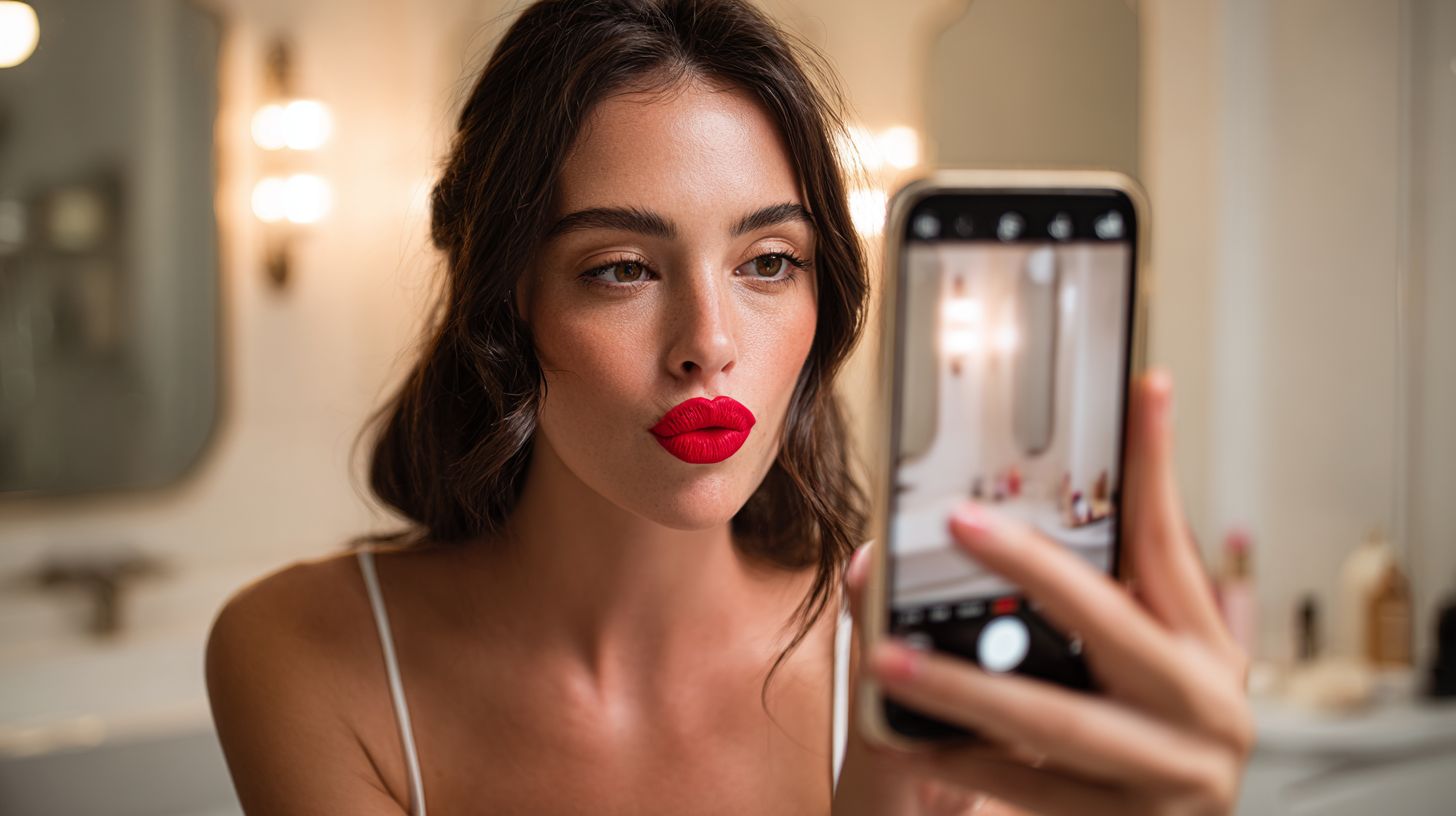
Face filters and makeup simulators allow users to experiment with lipsticks, eyeshadows, and foundations in real-time using front-facing cameras. These tools from beauty brands fit seamlessly into daily routines by letting people test products without physical samples. Brands integrate this augmented reality feature into apps for quick, interactive trials.
Using these simulators is simple and fast. First, open the brand’s app or camera filter. Next, select your desired product shade, then apply it with a tap or swipe, all in under 30 seconds.
Key benefits include shade matching accuracy, reduced waste from wrong purchases, and confidence in choices before buying. Users see realistic results on their own face, helping with decisions during morning prep or shopping breaks. This makes beauty routines more efficient and personalized.
For best results, adjust lighting to natural daylight. A common mistake is ignoring skin tone variations, like undertones in warm or cool hues, so test multiple shades. Experts recommend swiping slowly for even application in the simulator.
Hair Color and Style Changers
AR hair tools let users preview bold color changes or new hairstyles without salon commitments, using AI-driven facial mapping. These tools integrate seamlessly into daily routines as beauty brands expand augmented reality features. Users can experiment freely from home.
The process starts with uploading a photo or switching to live view on your device. Next, browse a color and style library curated by brands like those offering virtual try-ons. Finally, rotate your head for a 360 degrees view, taking just 1-2 minutes to see realistic results.
- Upload a clear selfie facing forward for best accuracy.
- Select shades like fiery red or sun-kissed blonde from brand-specific palettes.
- Adjust styles such as layered bobs or curly updos with simple swipes.
- Spin your device slowly to check the look from all angles.
These tools shine with natural blending effects that mimic how color interacts with your hair texture and skin tone. Beauty brands are integrating this into apps to make routine style decisions easier. Yet, test under multiple lighting conditions to avoid surprises, as AR approximates real dye results.
Experts recommend noting that AR previews guide choices but do not perfectly replicate salon dye processes. Save favorites to compare before booking. This approach fits how beauty brands are integrating augmented reality into daily routines for confident, low-risk experimentation.
Real-Time Product Testing
Real-time testing in apps like Sephora’s Virtual Artist scans your face to recommend and apply products instantly while shopping. This feature lets you see how lipsticks, foundations, and eyeshadows look on your skin in real time. Beauty brands use augmented reality to make trying products feel effortless during daily routines.
Follow these simple steps for real-time product testing. First, scan your face in the app using your phone’s camera. Then browse products and tap ‘Try On’ for a live overlay that appears in seconds.
Apps often compare free versus premium features to suit different needs. Basic filters and simple overlays come free, while advanced AI for skin matching and lighting adjustments sit in paid tiers. This setup encourages users to explore more options without commitment.
A practical tip is to save looks you create and share them with friends for feedback. For example, test a bold red lipstick during your morning routine, save the image, and get opinions before buying. This integrates augmented reality seamlessly into how beauty brands enhance daily decisions.
Instagram and Snapchat Integrations
Instagram and Snapchat host brand-sponsored AR lenses, like L’Oral’s lipstick try-ons, directly in Stories and Filters. These tools let users test makeup shades in real time. Beauty brands integrate them to fit augmented reality into daily routines.
Engaging with these lenses follows simple steps. First, search for the brand lens in the app. Then tap to activate it on your camera view.
Next, record a short video of 15 to 30 seconds showing the try-on. Share it with followers for instant feedback. This turns routine scrolling into interactive beauty experiments.
Key benefits include instant feedback from followers, which helps users decide on purchases. Best practices recommend pairing lenses with shopping links for easy buying. Avoid overuse to prevent filter fatigue and keep experiences fresh.
- Search for the specific brand lens using keywords like “L’Oral lipstick try-on”.
- Tap the lens icon to apply it before recording.
- Record and share your video to spark conversations.
- Add a shopping tag in Instagram Stories for direct access to products.
Brands like Maybelline use Snapchat filters for eye makeup simulations. This approach makes AR a seamless part of social media habits. Users gain confidence in choices without physical trials.
Morning Makeup Planning
Start your day by using AR apps to plan outfits-matching makeup looks before applying, saving time and guesswork. Beauty brands are integrating augmented reality into daily routines this way. Users wake up and quickly preview options on their phones.
Follow these simple steps for an efficient morning routine. At 7 AM, open your AR mirror app. Test 2-3 shades in under two minutes total, then screenshot the final look.
- Open the AR mirror app at 7 AM.
- Test 2-3 shades to match your outfit.
- Screenshot the final look for reference.
For example, match red lips to a blouse before buying or applying. This prevents mismatched colors later. Brands like those behind YouCam Makeup optimize apps to cut battery drain.
Experts recommend these tools for busy mornings. They reduce product waste from trial errors. Integrating AR this way fits seamlessly into how beauty brands enhance daily routines.
Evening Skincare Routines
End nights with AR skincare analyzers that track glow, pores, and hydration via simple selfies. Beauty brands are integrating augmented reality into daily routines by offering apps that analyze skin in real time. This fits seamlessly into bedtime prep.
Follow these steps for a quick check at 9 PM. First, take a photo in consistent light. Then, AR scans key skin metrics like texture and tone.
Next, the app suggests routine tweaks in just one minute, such as adjusting serum layers or adding a mask. Unique value comes from progress photo logs that show changes over weeks. Apps like Perfect Corp’s YouCam make this easy.
A common issue is poor lighting skews results, leading to inaccurate reads. Fix it with a ring light for even illumination. Experts recommend this habit to refine evening care and boost long-term results.
Virtual Try-On Technologies
Virtual try-on technologies use AR to overlay makeup, hair colors, and styles on a user’s live camera feed for instant visualization. These tools work through smartphone apps, making them accessible without special equipment. Users simply open an app and point the camera at their face.
Core AR tech in beauty relies on real-time rendering powered by device cameras and AI algorithms. This creates seamless overlays that match skin tones and lighting conditions. Brands integrate these into apps for daily use, fitting into routines like morning prep.
Experts recommend starting with simple features, such as lipstick shades or eyeshadow palettes, to build confidence. The technology saves time by reducing in-store visits. As beauty brands integrate AR into daily routines, virtual try-ons become a natural step before purchases.
User-friendly aspects include adjustable angles and lighting previews. These features help users see results from all views. Practical advice: test multiple looks in under a minute to streamline your beauty decisions.
Makeup Application Simulations
Beauty brands use AR for makeup simulations that apply virtual products in real time. Point your phone camera at your face, and the app overlays shades instantly. This fits seamlessly into morning routines for quick checks.
Real-time adjustments let users blend colors or change intensities on the spot. For example, try a bold red lip or subtle nude eye look without commitment. Brands like those offering daily wear integrate this to match user lifestyles.
Practical tip: use these tools before events to preview full faces. The simulations account for your skin texture, making results realistic. This integration enhances confidence in choices during busy days.
Accessibility via apps means anyone with a smartphone can experiment. Save favorite looks for repeat use in routines. AR turns trial-and-error into efficient, fun experiences.
Hair Color and Style Previews
AR hair try-ons let users preview color changes and styles through their camera feed. See how highlights or a full dye job looks on your actual hair. This technology integrates into apps for at-home consultations.
Real-time rendering simulates growth and fading over time. Experiment with cuts like bobs or waves without salon risks. Beauty brands push this for virtual stylists in daily apps.
Actionable advice: angle your head to check back views easily. Pair with lighting sliders for day-to-night previews. It simplifies decisions in weekly hair care routines.
Brands focus on natural matches to skin and eye tones. Share previews with friends for feedback. This AR feature makes bold changes feel approachable and routine.
Skincare and Texture Visualizations
AR visualizes skincare results by overlaying improved textures on your live image. See reduced pores or evened tones after virtual serum application. Apps make this part of nightly routines.
Technology tracks changes over sessions for progress views. For instance, simulate hydration effects from moisturizers. Brands integrate this to show long-term benefits instantly.
Tip: use before-and-after modes to compare routines. Adjust for different products easily. This builds habits by making abstract results tangible.
User-friendly sliders tweak severity for personalized previews. Experts note it encourages consistent use. AR bridges the gap between application and visible outcomes in daily care.
AR in Mobile Apps and E-Commerce
Beauty brands embed AR directly into shopping apps and websites, enabling seamless product trials during online browsing. This integration lets customers see how lipsticks, foundations, or eyeshadows look on their face in real time. It fits perfectly into daily routines by turning routine online shopping into an interactive experience.
By visualizing product fit before purchase, AR reduces uncertainty about shades and textures. Shoppers can test multiple options quickly from their phone, matching the speed of in-store try-ons. This approach aligns with how beauty brands are integrating augmented reality into daily routines.
In e-commerce, AR enhances decision-making during peak shopping times, like morning makeup checks. Brands update apps with features for skin tone matching and virtual swatches. Users expect this interactivity, making it a standard in modern retail.
Virtual Try-On Features in Shopping Apps
Many beauty apps now include virtual try-on tools that use the phone’s camera for instant previews. Customers point their device at their face to apply digital makeup, adjusting colors on the spot. This makes selecting products feel natural and routine.
Brands integrate these features to mimic physical store visits without leaving home. For example, a user browsing eyeliner shades can see precise application effects. It streamlines the process, encouraging confident buys during daily online sessions.
Experts recommend combining AR with personalized recommendations based on past tries. This keeps engagement high as users experiment freely. Such tools show how beauty brands are integrating augmented reality into daily routines through accessible tech.
App updates often add new product lines to try-ons, keeping the experience fresh. Shoppers save favorites for later, blending AR into their regular beauty planning. The result is fewer regrets and more satisfying purchases.
Seamless E-Commerce Integration for Interactive Retail
E-commerce platforms embed AR widgets right on product pages for quick trials. A customer viewing a foundation clicks to activate, seeing it blended on their skin instantly. This meets expectations for hands-on retail in a digital space.
Interactive elements like shade selectors and lighting adjustments add realism. Users rotate views or change environments to test durability. It transforms passive browsing into active exploration, fitting busy schedules.
Beauty brands pair AR with checkout flows to capture decisions immediately. This reduces cart abandonment by building trust through visualization. Practical for morning routines, it lets users finalize looks before heading out.
Retailers focus on mobile-first designs for smooth performance across devices. Features like shareable AR selfies boost social proof. Overall, this integration highlights how beauty brands are integrating augmented reality into daily routines.
Social Media AR Experiences
Social platforms amplify AR beauty tools, turning product trials into shareable, viral moments for everyday users. This community-driven appeal lets people experiment with looks in real time and post results instantly. Brands tap into this by creating filters that encourage interaction and feedback loops.
The fun comes from how AR integrates into daily scrolling habits. Users try on bold red lipsticks or smoky eye shadows without commitment, then share with friends for opinions. This makes beauty routines social and engaging, fitting seamlessly into how beauty brands are integrating augmented reality into daily routines.
Experts recommend focusing on user-generated content to build authenticity. Brands see higher engagement when followers recreate and remix AR looks. These experiences turn passive viewers into active participants, boosting brand loyalty through fun interactions.
Practical advice for users: Save your favorite AR filters for quick morning touch-ups. Share your custom looks to get tailored recommendations from your network. This approach keeps beauty experimentation lighthearted and connected to real-life routines.
Instagram and Snapchat Filters
Instagram leads with AR filters that overlay makeup directly on selfies. Brands like those offering foundations create custom shade-matching filters, letting users see perfect matches in seconds. This turns casual Stories into interactive beauty demos shared across feeds.
Snapchat takes it further with playful lenses that add glitter effects or virtual accessories. Users snap daily routines, like applying blush, and export to other apps. These tools make AR a staple for fun, quick enhancements during commutes or breaks.
To use effectively, search for brand-specific filters in the camera mode. Experiment with lighting to get accurate previews, then tag the brand for community feedback. This aligns with how beauty brands are integrating augmented reality into daily routines on visual-first platforms.
TikTok AR Effects for Viral Challenges
TikTok thrives on AR effects tied to music-driven challenges. Beauty brands launch effects where users duet videos, swapping eyeliner wings or hair colors in sync. This sparks viral trends that pull users into repeated trials.
The platform’s algorithm favors interactive content, so AR challenges spread fast. Participants film before-and-afters from their bathroom mirrors, making it part of morning prep. Brands gain exposure as users recreate looks with product links in comments.
Start by dueting popular beauty AR challenges to join the fun. Layer effects for unique twists, like combining neon highlights with matte lips. Such engagement shows how beauty brands are integrating augmented reality into daily routines through short-form video.
Facebook and Emerging Platforms
Facebook integrates AR via Messenger and Reels, focusing on group trials. Friends can react to your virtual makeup try-ons in real time during chats. This builds community around shared beauty decisions.
Emerging platforms like BeReal emphasize authenticity with unfiltered AR overlays. Brands offer subtle enhancements, like skin glow filters, for genuine daily shares. Users capture unposed moments, blending AR into spontaneous routines.
For best results, enable AR in group calls for collaborative styling sessions. Test effects in low-light settings common at home. These features highlight how beauty brands are integrating augmented reality into daily routines across diverse social spaces.
How Beauty Brands Are Integrating Augmented Reality into Daily Routines
Beauty brands design AR experiences that fit effortlessly into morning and evening rituals, enhancing consistency and confidence. These tools turn daily habits like makeup application or skincare routines into interactive sessions. From quick makeup checks before leaving home to tracking hydration levels overnight, AR embeds seamlessly into everyday life.
Brands focus on practical integration by offering app-based mirrors that simulate product trials in real time. Users scan their face for instant feedback on shades or formulas. This approach builds trust and reduces waste from mismatched purchases.
In the broader context of how beauty brands are integrating augmented reality into daily routines, strategies emphasize simplicity. Evening wind-downs include AR-guided meditations with glowing skin overlays. Morning boosts come via virtual stylists suggesting looks based on weather or mood.
Experts recommend starting with one AR feature per routine to avoid overwhelm. Over time, these tools foster long-term habits. Consistency grows as users see visible improvements through personalized tracking.
Morning Makeup Mastery
Start your day with AR virtual try-ons for flawless makeup selection. Brands like those offering lipstick simulators let you test shades on your live camera feed. This saves time and ensures the perfect match for your skin tone.
Integrate step-by-step tutorials overlaid on your reflection. Follow along as AR highlights areas for foundation or blush application. Beginners gain confidence with real-time corrections for even coverage.
Pair this with outfit coordination features. Some apps suggest eye shadows that complement your clothes captured via camera. This holistic approach streamlines getting ready, making mornings efficient and fun.
Morning routines benefit from quick skin analysis scans. AR detects dryness or redness, recommending products instantly. Users report feeling more prepared and polished throughout the day.
Daytime Touch-Up Tools
During work breaks, use AR touch-up mirrors on your phone for discreet refreshes. Scan your face to see faded lipstick restored virtually before reapplying. This keeps your look fresh without a full mirror.
Brands provide portable AR filters for hydration checks midday. Overlay shows moisture levels and suggests a quick mist. It’s ideal for long days in dry offices or travel.
Enhance focus with wellness integrations, like AR breathing exercises tied to skincare reminders. Pop-up notifications guide a two-minute routine. This blends beauty with stress relief seamlessly.
For on-the-go users, social sharing features let you capture AR-enhanced selfies. Share looks with friends for feedback without physical trials. Daytime strategies emphasize convenience and quick wins.
Evening Skincare Wind-Down
Wind down with AR skincare trackers that map progress over weeks. Evening scans compare tonight’s skin to past sessions, highlighting improvements. This motivates consistent cleansing and serum use.
Follow guided multi-step routines with AR animations. Lights pulse on your face to show massage directions for creams. It turns mundane tasks into engaging rituals.
Brands incorporate sleep prep overlays, simulating pillow effects on makeup residue. Virtually wipe away the day to visualize cleaner pores. Pair with relaxing AR visuals for better bedtime habits.
End with personalized insights from routine data. AR suggests tweaks, like more hydration if evenings show fatigue. This closes the loop on daily integration, promoting lasting results.
How Beauty Brands Are Integrating Augmented Reality into Daily Routines
Brands like Sephora, L’Oral, and Perfect Diary lead AR adoption, driving engagement through innovative tools. These companies integrate augmented reality into daily routines by offering virtual try-ons that fit seamlessly into shopping habits. Customers preview products in real time, making decisions easier.
Sephora’s ModiFace AR try-on lets users scan their face to test makeup shades instantly. This tool powers millions of uses across apps and in-store mirrors. It helps shoppers visualize looks before buying, reducing uncertainty.
L’Oral’s Style My Hair app transforms hair color choices with AR simulations. Users upload photos to see realistic dye results on their own hair. The app encourages experimentation without salon visits.
Perfect Diary, a rising Chinese brand, uses AR filters on social platforms for lipstick and eyeshadow trials. This approach boosts social sharing and repeat engagement. These examples show how beauty brands embed AR into everyday beauty routines.
Comparing AR Features Across Brands
| Feature | Brand | Key Benefit |
|---|---|---|
| Face makeup try-on | Sephora (ModiFace) | Real-time shade matching on mobile and mirrors |
| Hair color simulation | L’Oral (Style My Hair) | Visualize changes before commitment |
| Lipstick and eyeshadow filters | Perfect Diary | Easy social media sharing for feedback |
| Skin analysis and foundation matcher | Este Lauder | Personalized shade recommendations |
This table highlights how each brand tailors AR tools to specific needs. Sephora excels in comprehensive facial mapping, while L’Oral focuses on hair transformations. Brands choose features that align with customer pain points, like trying bold colors at home.
Outcomes include fewer returns from mismatched products and higher satisfaction. Customers feel confident, as AR previews mimic real results. These tools integrate into daily routines through apps used during commutes or breaks.
Real-World Outcomes and Engagement
Leading brands report strong engagement from AR integration. Sephora’s tools encourage longer app sessions and in-store visits. Users share virtual looks, amplifying brand reach organically.
L’Oral’s app reduces hesitation around hair changes, leading to more purchases. Perfect Diary sees viral growth via user-generated content on platforms like Douyin. These results stem from making AR a natural part of beauty exploration.
Experts recommend starting with simple AR features to build user trust. Brands that iterate based on feedback see sustained adoption. This approach helps weave augmented reality into daily grooming habits effectively.
Future Trends and Innovations
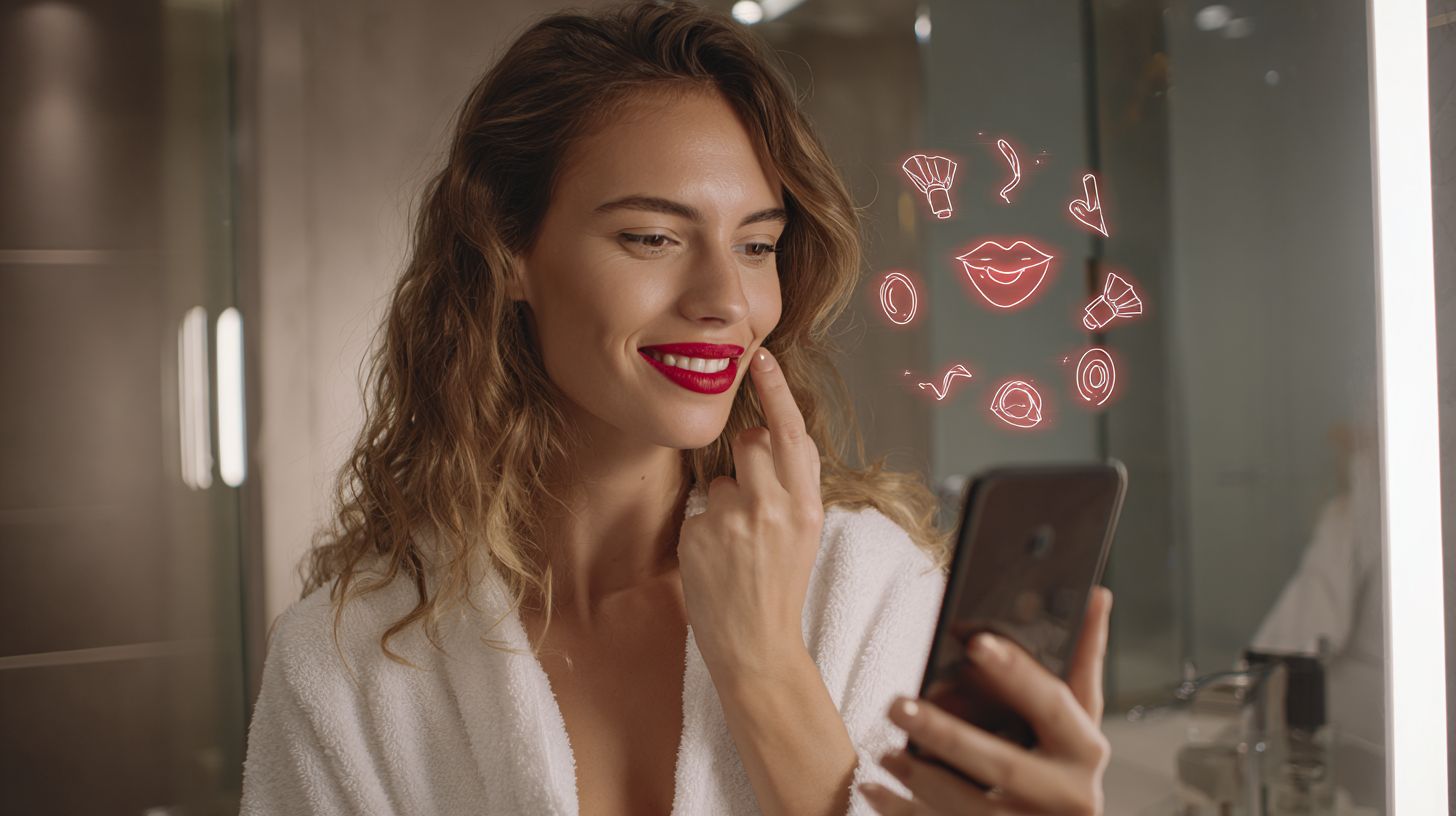
AR in beauty heads toward AI personalization, wearable integration, and immersive metaverse shopping experiences. Beauty brands integrating augmented reality into daily routines will soon offer tools that feel like natural extensions of users’ lives. These advancements promise to make virtual try-ons more intuitive and engaging.
Emerging tech like AR glasses enables always-on try-ons without pulling out a phone. Imagine slipping on lightweight glasses to test lipstick shades during a coffee run or preview skincare results at the gym. This seamless access fits AR into everyday moments effortlessly.
Haptic feedback adds another layer by simulating textures through vibrations and pressure. Users could feel the silky smoothness of a foundation or the grit of an exfoliator via their devices. Brands should prioritize cross-device compatibility to ensure these features work across phones, tablets, and wearables for broader reach.
User benefits include hyper-personalized recommendations driven by real-time data from AR sessions. For example, glasses could analyze skin tone under varying lights and suggest products instantly. This personalization boosts confidence in purchases and integrates AR deeper into daily beauty routines.
Frequently Asked Questions
How are beauty brands integrating augmented reality into daily routines?
Beauty brands are integrating augmented reality (AR) into daily routines by embedding virtual try-on features in mobile apps and websites, allowing users to preview makeup, skincare, and hairstyles in real-time using their smartphone cameras. This seamless integration turns morning prep into an interactive experience, reducing purchase regrets and enhancing personalization.
What role does AR play in virtual makeup try-ons for everyday use?
AR powers virtual makeup try-ons that beauty brands like Sephora and L’Oral offer through apps, enabling users to test lipsticks, eyeshadows, and foundations on their face during daily routines. By scanning faces via AR filters, these tools provide accurate color matching, making it easy to experiment without mess before heading out.
How do beauty brands use AR to personalize skincare routines?
Brands such as Perfect Corp and Neutrogena integrate AR skin analysis tools into daily routines, where users scan their face to receive customized skincare recommendations. AR overlays highlight issues like wrinkles or acne, suggesting products in real-time, thus making skincare application more targeted and routine-efficient.
Which AR features help integrate beauty shopping into daily habits?
Beauty brands are weaving AR into daily routines via shoppable AR mirrors in apps, like those from Maybellina, where users try products virtually while browsing. This integration allows instant purchases during morning routines, blending discovery, trial, and buying into one fluid step via social media filters and e-commerce links.
How is AR transforming hair color decisions in daily beauty routines?
Brands like L’Oral’s ModiFace AR technology let users visualize hair color changes instantly during daily mirror checks. By integrating AR into routine selfies or video calls, it helps decide on dyes or styling without salon visits, making beauty experimentation a quick, low-commitment part of the day.
What future trends show beauty brands deepening AR in daily routines?
Looking ahead, beauty brands are advancing AR integration into daily routines with smart mirror partnerships and wearable AR glasses, like prototypes from Google and beauty giants. These will enable hands-free product trials during multitasking, further embedding augmented reality into brushing teeth, commuting, or evening wind-downs for hyper-personalized beauty.