


Ever catch yourself wondering if your daily skincare routine is leaving a bigger footprint than you’d like? In 2026, carbon-neutral beauty is set to become the norm, thanks to smarter regs, tech, and what we’re all demanding. Let’s look at why this shift feels so right on time.
Key Takeaways:
The Climate Crisis Driving Change
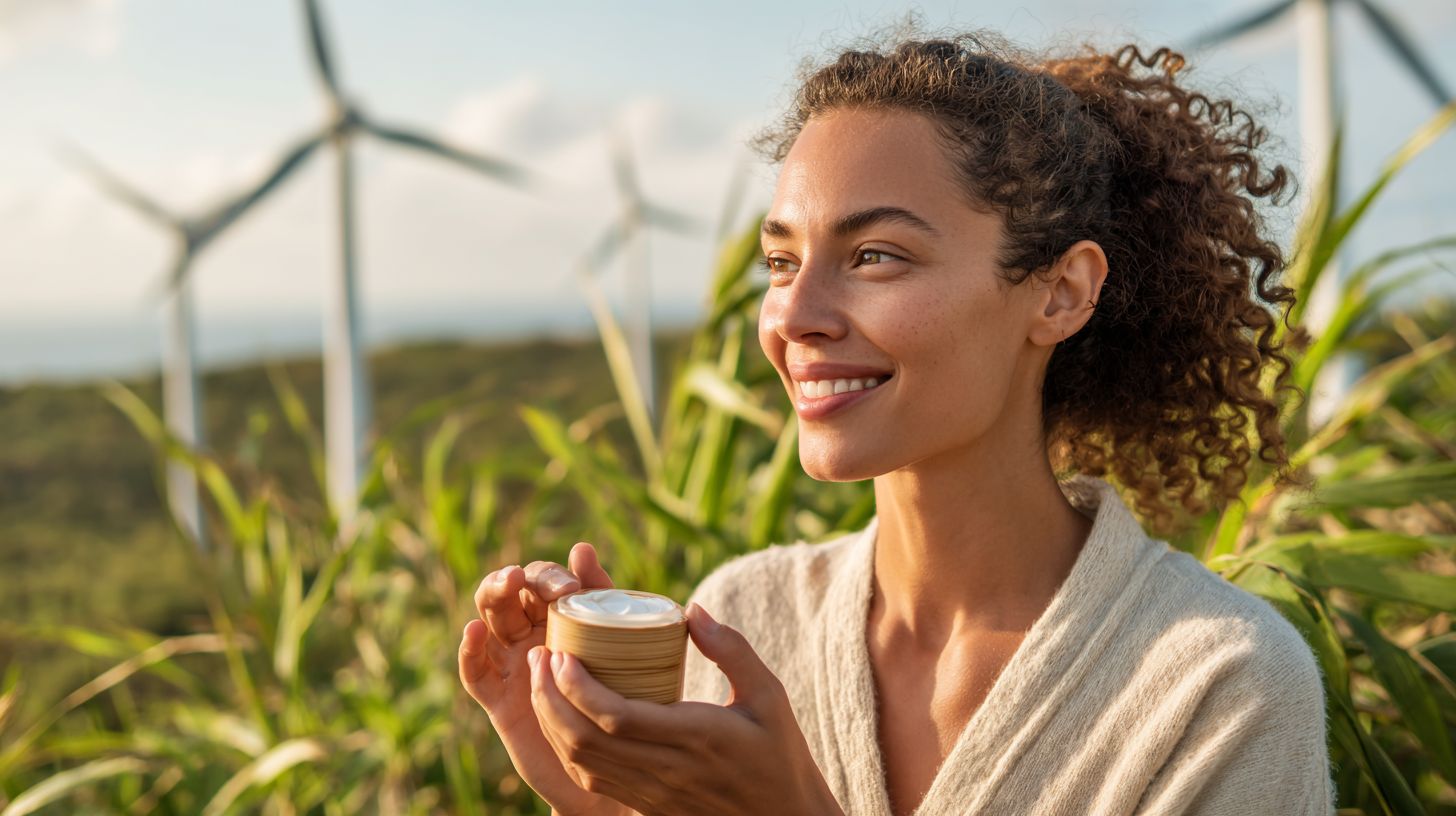
The beauty industry faces mounting pressure from climate change, pushing brands toward carbon-neutral skincare and routines that minimize environmental harm. Extreme weather disrupts supply chains for natural ingredients, forcing companies to rethink sourcing and production.
Consumers now demand sustainability in their beauty choices, aware that global warming affects everything from ingredient quality to product longevity. Brands respond by adopting ethical practices, like local sourcing, to build resilience in their operations.
This shift sets the stage for 2026 trends in carbon-neutral innovation, where clean ingredients and minimalism align with holistic wellness. As awareness grows, the industry moves toward routines that support skin barrier health without ecological cost.
Practical steps, such as reducing packaging waste, help bridge the gap between climate concerns and daily beauty regimens. This evolution promises glowing, resilient skin through mindful, planet-friendly choices.
Beauty Industry’s Carbon Footprint
From sourcing natural ingredients like Tukum and Maracuj to global shipping, beauty production generates significant emissions. Supply chains from Brazil’s Amazon for lines like Ekos add to the tally through deforestation risks and long-distance transport.
Air-freighted Murumuru butter exemplifies high-emission practices, as rapid delivery preserves freshness but burns fuel. Brands now measure footprints by tracking these stages, from farm to factory, to identify reduction opportunities.
- Switch to sea freight for bulk ingredients to cut shipping emissions.
- Use recycled materials for packaging in skincare bottles and jars.
- Partner with local suppliers to shorten supply chains and support biodiversity.
These steps drive carbon-neutral innovation, integrating peptides and exosomes into sustainable formulations. By 2026, expect routines emphasizing regeneration and microbiome balance, with ethical sourcing enhancing skin resilience and glow.
Regulatory Momentum Building
Governments worldwide are enacting stricter sustainability rules, compelling beauty brands to adopt carbon-neutral practices by 2026. These regulations target clean beauty standards and ethical sourcing in Europe and the US. Brands face pressure to reduce emissions across supply chains.
In Europe, the focus falls on comprehensive EU Green Deal mandates that reshape cosmetics production. US laws emphasize state-level transparency, pushing companies toward verifiable carbon-neutral routines. This momentum influences daily skincare choices for consumers seeking ethical products.
Beauty brands must audit ingredients like peptides and collagen alternatives for sustainability. Ethical sourcing ensures traceable naturals, aligning with trends in personalization and longevity. These shifts promote holistic wellness in routines.
Consumers benefit from clean ingredients that support skin barrier resilience and microbiome balance. Regulations foster innovation in preventative treatments, making 2026 a pivotal year for sustainable beauty.
EU Green Deal Mandates
The EU Green Deal enforces rigorous carbon reduction targets for cosmetics, emphasizing sustainable packaging and supply chains. It requires Scope 3 emissions reporting for beauty ingredients like retinol and niacinamide. Brands must track indirect emissions from raw materials to final products.
To comply, partner with suppliers such as Spanish Bio Eco Actual for traceable naturals. Conduct full supply chain audits to verify ethical sourcing of exosomes and PDRN. This ensures alignment with carbon-neutral goals by 2026.
For skincare routines, these mandates mean more clean ingredients in serums and creams that reduce inflammation. Consumers can expect multifunctional products supporting skin regeneration and glow. Facialists recommend minimalism with circadian-aligned treatments.
Implications extend to body care and microneedling devices using spicules. Brands adopting these practices build authenticity and premiumization. This drives trends toward inside-out wellness and hybrid sensorial experiences.
US Sustainability Laws
Emerging US state and federal laws push beauty companies toward transparency in carbon emissions and ethical sourcing. California’s packaging rules demand recyclable materials for skincare and treatments. These differ from EU mandates by focusing on state-level innovations.
US brands should start by auditing supply chains for collagen alternatives and biohacking ingredients. Map emissions from sourcing peptides to distribution. Replace high-impact materials with natural, sustainable options.
Steps include verifying microbiome-friendly formulations and ethical peptides. Test for resilience in anti-inflammatory products. Integrate AI for personalization in routines, ensuring inclusivity across skin types.
These laws promote preventative care with longevity-focused clinic treatments. Consumers gain access to glitchy-free, cloud dancer-inspired glow products. Sustainability enhances barrier function and holistic regeneration in daily beauty.
Consumer Demand Surge
Today’s skincare enthusiasts, inspired by celebrities like Olivia Munn and Anne Hathaway, prioritize carbon-neutral products that align with personal values.
Shoppers seek out brands like Natura’s Ekos line at Sephora and Ulta, drawn to its ethical sourcing from the Amazon rainforest. These products embody sustainability and authenticity, resonating with consumers who want beauty routines that support planetary health. The appeal lies in clean ingredients that promise a natural glow without environmental harm.
Emotional drivers fuel this shift, as buyers crave genuine stories behind their skincare choices. Brands respond with minimalist routines that focus on multifunctional items, reducing waste while delivering resilience to the skin barrier. Inside-out approaches, pairing topical treatments with wellness supplements, help build holistic habits for 2026.
Actionable insights include curating routines around preventative care, like peptides and niacinamide serums from ethical sources. Consumers favor personalization through AI-driven apps that suggest carbon-neutral picks based on skin type and lifestyle. This trend toward premiumization ensures longevity in beauty investments.
Technological Breakthroughs
Cutting-edge tech is enabling beauty formulations that actively reduce carbon impact while enhancing skin resilience. AI algorithms now predict ingredient interactions for carbon-neutral products, minimizing waste in production. Biohacking tools allow personalization of skincare routines that align with sustainability goals.
These innovations support hybrid treatments combining clinic visits with at-home care. For example, AI-driven apps analyze skin data to recommend preventative regimens using ethical ingredients. This shift powers 2026 trends toward multifunctional products that boost glow and longevity.
Biohacking integrates exosomes and peptides for regeneration without environmental harm. Consumers benefit from routines that prioritize barrier function and microbiome balance. Such tech ensures beauty routines contribute to holistic wellness.
Expect carbon-capturing formulations to lead, as detailed next, transforming daily applications into acts of sustainability.
Carbon-Capturing Formulations
Innovative ingredients like algae-based peptides absorb CO2 during production, integrating sustainability into multifunctional skincare. These bio-engineered actives work in hybrid treatments to support skin regeneration. They enhance resilience against inflammation while promoting a natural glow.
Incorporate them into barrier-boosting serums for daily routines. Pair with niacinamide for added hydration and collagen support. This approach extends product longevity without synthetic fillers.
Real mechanisms involve algae cultured in controlled environments that naturally sequester carbon. Applied via microneedling or topical layers, they aid inside-out healing. Facialists recommend them for personalized, clean beauty protocols.
These formulations align with 2026 trends in minimalism and ethical innovation. They offer sensorial experiences that feel premium, fostering authenticity in body care and facials alike. Routines become tools for planetary health and radiant skin.
Major Brand Commitments
Leading brands like Natura with its Ekos collection, endorsed by celebrities like Olivia Munn and Anne Hathaway, are pledging full carbon neutrality by 2026 through regenerative sourcing. They source ingredients such as Patu, Tukum, Maracuj, and Murumuru from the Amazon to support biodiversity. This approach ensures ethical beauty practices from farm to formulation.
In body care, Ekos integrates these Amazonian oils into lotions that hydrate skin while promoting regeneration. Users apply them post-shower for a glow that builds resilience in the skin barrier. Facials benefit too, with masks blending Tukum for anti-inflammatory effects.
At retailers like Sephora and Ulta, consumers see clear labels on carbon-neutral products. Staff guide shoppers toward sustainable skincare options during in-store demos. This makes clean ingredients accessible in everyday routines.
Brands also adopt holistic wellness by pairing these products with education on inside-out care. Try incorporating Patu oil into your evening ritual for circadian alignment. Such commitments drive 2026 beauty trends toward authenticity and longevity.
Economic Incentives
Carbon-neutral beauty unlocks cost savings and premium pricing, appealing to wellness-focused consumers seeking sensorial luxury. Brands adopting ethical sourcing cut supply costs by partnering with local producers. This shift supports sustainability while stabilizing expenses amid global disruptions.
Local ethical sourcing reduces transportation emissions and fuel costs for skincare ingredients like niacinamide, peptides, and PDRN. Consumers benefit from fresher, potent products that enhance skin resilience. In 2026, this approach aligns with trends toward authenticity and longevity in routines.
Actionable strategies include choosing multifunctional products that combine retinol, collagen, and microbiome support in one formula. These hybrids lower overall routine expenses by replacing multiple items. Experts recommend starting with a single cloud dancer-inspired minimalist kit for daily glow.
- Opt for local ethical brands using spicules or PDRN from regional biotech, featured in publications like Bio Eco Actual.
- Build routines around hybrid treatments like preventative microneedling serums.
- Embrace minimalism with circadian-aligned, inside-out body care essentials.
2026 Tipping Point Predictions
By 2026, carbon-neutral routines will dominate, blending Pantone Cloud Dancer aesthetics with glitchy, innovative elements. These shifts build on rising demands for circadian-aligned skincare and AI-personalized care. Consumers seek holistic wellness that syncs with natural body rhythms.
Expect sustainability to merge with biohacking trends, prioritizing ethical ingredients like PDRN and minimalism. Facialists will champion niacinamide-retinol hybrids for barrier resilience. This evolution promises longer-lasting glow through preventative regeneration.
Glitchy designs in packaging reflect innovation in carbon-neutral delivery, like recyclable spicules for microneedling. Routines will emphasize inside-out microbiome support, fostering skin longevity. These changes set the stage for market-wide transformations.
Holistic approaches integrate body care with sensorial experiences, ensuring inclusivity across skin types. Premiumization drives demand for multifunctional treatments, aligning beauty with environmental authenticity.
Market Projections
Experts anticipate widespread adoption of AI-driven tools like Perfect Corp. and L’Oral ModiFace for custom carbon-neutral regimens. These platforms analyze skin data for personalized peptides and exosomes. Consumers gain tailored routines that reduce waste through precise dosing.
Rise of exosome-microneedling hybrids combines clinic precision with at-home ease, promoting regeneration without inflammation. Pair with PDRN-infused serums for enhanced collagen production. This shift favors clean, natural ingredients over synthetic fillers.
Microbiome-focused inside-out wellness integrates oral probiotics with topical barriers, building resilience. Actionable routines include morning circadian niacinamide mists followed by evening retinol minimalism, as recommended by experts like Michaella Bolder. These steps support holistic glow and longevity.
- Adopt hybrid treatments like spicule facials for ethical exfoliation.
- Incorporate preventative biohacking with multifunctional peptides, inspired by influencers like Guendalina Gennari and Kristine Froseth.
- Prioritize sustainable body care for full routine inclusivity.
Frequently Asked Questions, Insights from Spain’s Bio Eco Actual
What does ‘Why 2026 Is the Year of Carbon-Neutral Beauty Routines’ mean?
Why 2026 Is the Year of Carbon-Neutral Beauty Routines refers to the pivotal moment when the beauty industry fully transitions to sustainable practices that offset carbon emissions entirely, making daily skincare, makeup, and haircare routines environmentally neutral through innovations in sourcing, packaging, and production.
Why is 2026 specifically predicted as the year for carbon-neutral beauty routines?
Why 2026 Is the Year of Carbon-Neutral Beauty Routines because global regulations like the EU’s Green Deal and corporate pledges from brands like L’Oral and Unilever align to enforce zero-emission standards by then, driven by consumer demand and technological advancements in biodegradable formulas and renewable energy manufacturing.
How will carbon-neutral beauty routines impact everyday consumers in 2026?
Why 2026 Is the Year of Carbon-Neutral Beauty Routines means consumers will enjoy guilt-free beauty with products that have a net-zero carbon footprint, from farm-to-face supply chains using electric transport to recyclable packaging, reducing personal environmental impact without sacrificing efficacy or luxury.
What innovations are making 2026 the year of carbon-neutral beauty routines?
Why 2026 Is the Year of Carbon-Neutral Beauty Routines thanks to breakthroughs like lab-grown ingredients, AI-optimized formulas minimizing waste, and carbon-capture tech in factories, allowing brands to certify products as fully neutral under international standards like ISO 14068.
Are carbon-neutral beauty routines more expensive than traditional ones?
Why 2026 Is the Year of Carbon-Neutral Beauty Routines doesn’t mean higher prices; economies of scale from widespread adoption, along with subsidies for green tech, will make sustainable products competitively priced, often cheaper long-term due to durable, multi-use packaging.
How can I prepare for carbon-neutral beauty routines starting now?
Why 2026 Is the Year of Carbon-Neutral Beauty Routines, so start today by choosing certified low-emission brands, opting for refillable containers, and supporting clean beauty advocates-by 2026, these habits will be the norm as the market fully embraces carbon-neutral standards.