

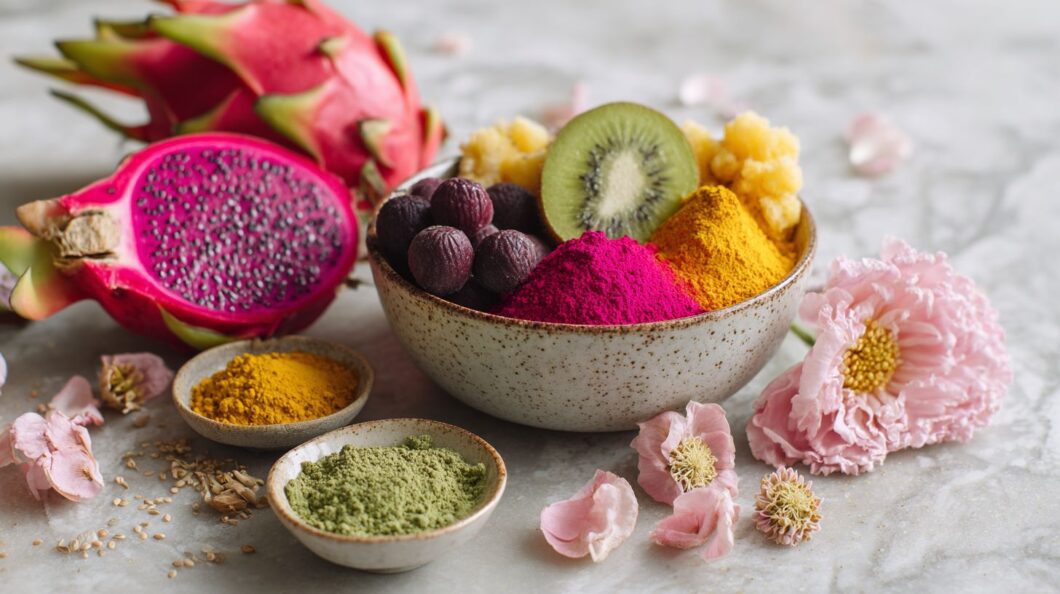
Have you noticed more beauty products that you can actually eat, like collagen-infused smoothies or antioxidant-rich elixirs? Edible beauty is gaining traction in the cosmetics industry, blending skincare with nutrition in smart ways. Here’s what this trend means for the organic market and why it matters.
Key Takeaways:
What Is Edible Beauty?
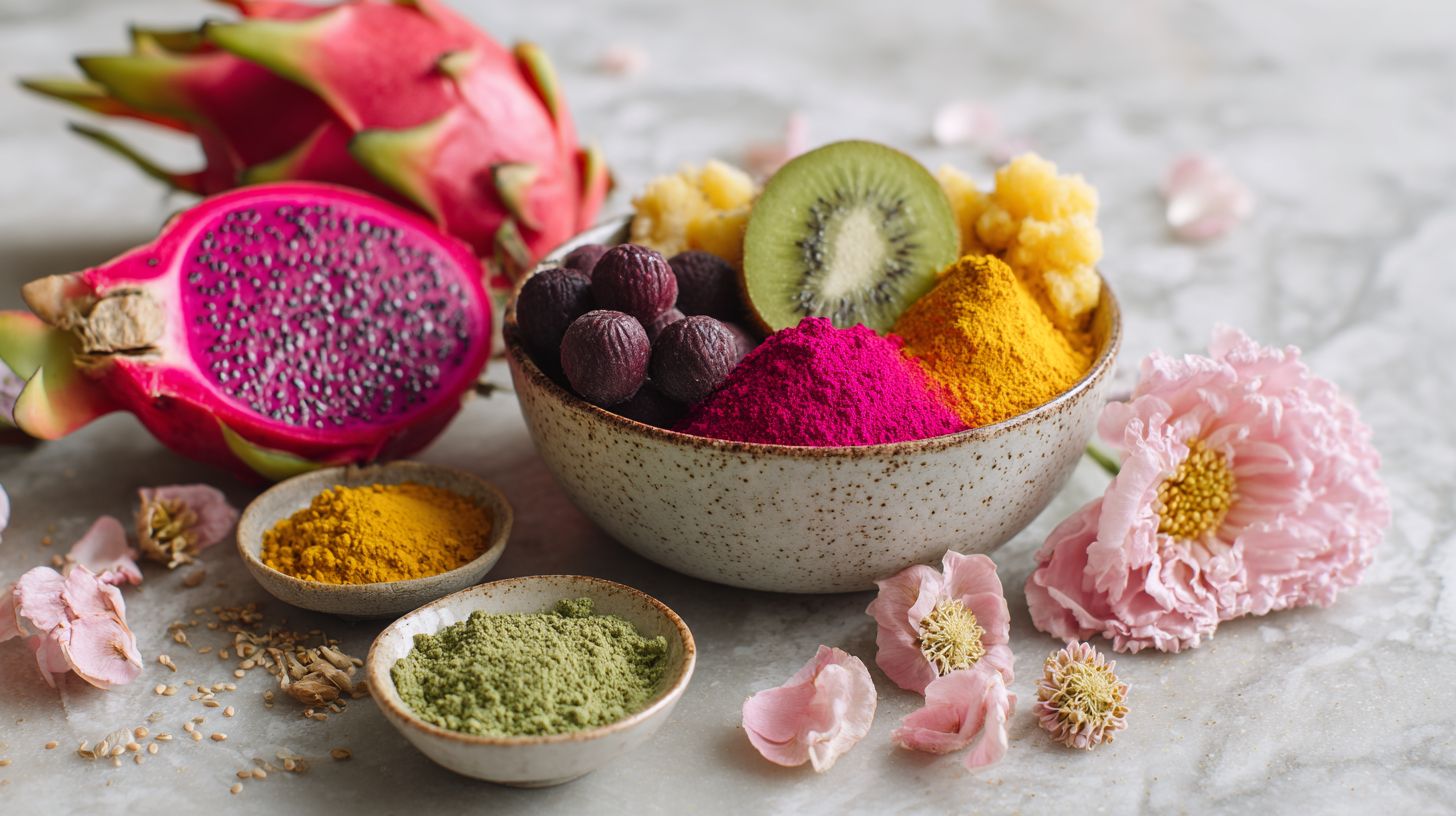
Edible beauty represents an innovative fusion of nutrition and skincare, where ingestible products like nutricosmetics deliver beauty benefits from within using food-grade materials. These products shift the cosmetics industry toward holistic solutions that nourish skin, hair, and nails internally. Consumers now seek personal care options beyond topical creams.
Rooted in ancient practices of using superfoods for vitality, edible beauty modernizes this approach with food supplements and drinks. Brands formulate powders, gummies, and beverages from natural ingredients like berries and collagen. This trend aligns with rising demand for vegan cosmetics and cruelty-free alternatives.
The concept emphasizes internal nutrition over surface application, supporting sustainability by reducing reliance on synthetic packaging. Products often use edible packaging or biodegradable packaging to minimize environmental impact. Daily use, such as sipping a collagen-infused tea, promotes long-term glow and strength.
Experts recommend integrating these into routines alongside organic cosmetics for comprehensive results. This evolution reflects changing consumer behavior toward ingestible beauty products that enhance wellness holistically. It bridges nutraceuticals and cosmeceuticals seamlessly.
Key Ingredients and Benefits
Core ingredients in edible beauty products include antioxidants from superfoods and natural polymers that promote skin vitality when consumed. These nutraceuticals target concerns like hydration and elasticity from inside out. Common options draw from renewable sources and food co-products.
Collagen peptides boost skin elasticity and nail strength, often added to morning smoothies. Antioxidants from berries combat oxidative stress, fostering a radiant glow. Plant-based choices like pectin and cellulose enhance hydration, ideal for dry hair or skin.
Incorporate these daily by blending superfood powders into yogurt or mixing chitosan supplements into water. Such habits support stronger hair shafts and smoother complexion over time. Pair with a balanced diet for optimal skincare results using natural ingredients.
| Ingredient | Source | Targeted Benefits |
|---|---|---|
| Collagen peptides | Marine or bovine | Improves elasticity, reduces wrinkles |
| Vegan collagen boosters | Plant-based (yeast, bacteria) from renewable sources | Supports synthesis, hydrates skin |
| Antioxidants | Berries, green tea from renewable sources | Protects against stress, enhances glow |
| Pectin, cellulose | Fruits, plants | Boosts hydration, strengthens hair/nails |
This table highlights accessible food-grade materials suitable for edible films or edible capsules. Choose based on dietary needs, like vegan cosmetics options for ethical green cosmetics. Research suggests consistent intake yields noticeable vitality.
Rise of the Edible Beauty Trend
The edible beauty trend is gaining momentum in the cosmetics industry as consumers embrace ingestible solutions for holistic wellness. This shift emerged from clean beauty movements that prioritize natural ingredients over synthetic ones. It builds on nutricosmetic innovations offering internal support for skincare.
Consumers now seek food supplements rich in antioxidants and superfoods to nourish skin from within. Brands blend nutraceuticals with cosmeceuticals in drinks and capsules for visible glow. This approach complements topical products in daily routines.
Demand grows for vegan cosmetics and cruelty-free options that align with sustainability goals. Edible beauty reduces reliance on plastic packaging by using edible capsules or biodegradable packaging. Wellness enthusiasts favor these for their convenience and ethical appeal.
Practical examples include antioxidant-based powders mixed into smoothies for busy mornings. Experts recommend pairing these with organic cosmetics for full benefits. The trend reflects broader shifts toward circular economy practices in personal care.
Market Growth Statistics
The market for nutricosmetics and edible beauty products continues to expand as part of the broader personal care sector. Product launches have increased steadily, with more brands entering the space. Retail availability surges in health stores and supermarkets.
Bibliometric reviews from sources like Scopus, WOS, and Google Scholar show rising publications on edible packaging and nutricosmetics. These insights highlight growing academic interest in natural ingredients for beauty. Systematic reviews following PRISMA guidelines confirm trends in research output.
Real-world examples feature brands like those offering collagen peptides in drink mixes now on prominent shelves. Health stores stock more superfoods-infused supplements for skin health. This visibility boosts consumer access to green cosmetics.
Industry observers note enhanced shelf life through natural polymers like pectin and chitosan in formulations. Manufacturing practices evolve to incorporate food co-products and by-products. These changes support sustainable growth in the sector.
Consumer Drivers
Millennials and wellness-focused consumers are propelling edible beauty through preferences for convenient, natural ingredients, and ethical options. They desire holistic routines that address beauty internally via antioxidant-based food supplements. This beats applying multiple topicals amid hectic schedules.
A busy professional might choose a collagen-infused green tea for daily glow without extra steps. Appeal lies in vegan cosmetics and cruelty-free nutricosmetics sourced transparently. Convenience trumps traditional skincare for on-the-go lifestyles.
Brands can align by emphasizing transparency in sourcing natural ingredients from renewable sources. Highlight use of bio-waste like fruit peels for pectin in edible films. Offer cruelty-free certifications to build trust.
- Share stories of environmental impact reduction through biodegradable packaging.
- Demonstrate EU regulation compliance for food-grade materials.
- Promote ecological cosmetics with superfoods for proven internal benefits.
Intersection with Organic Products
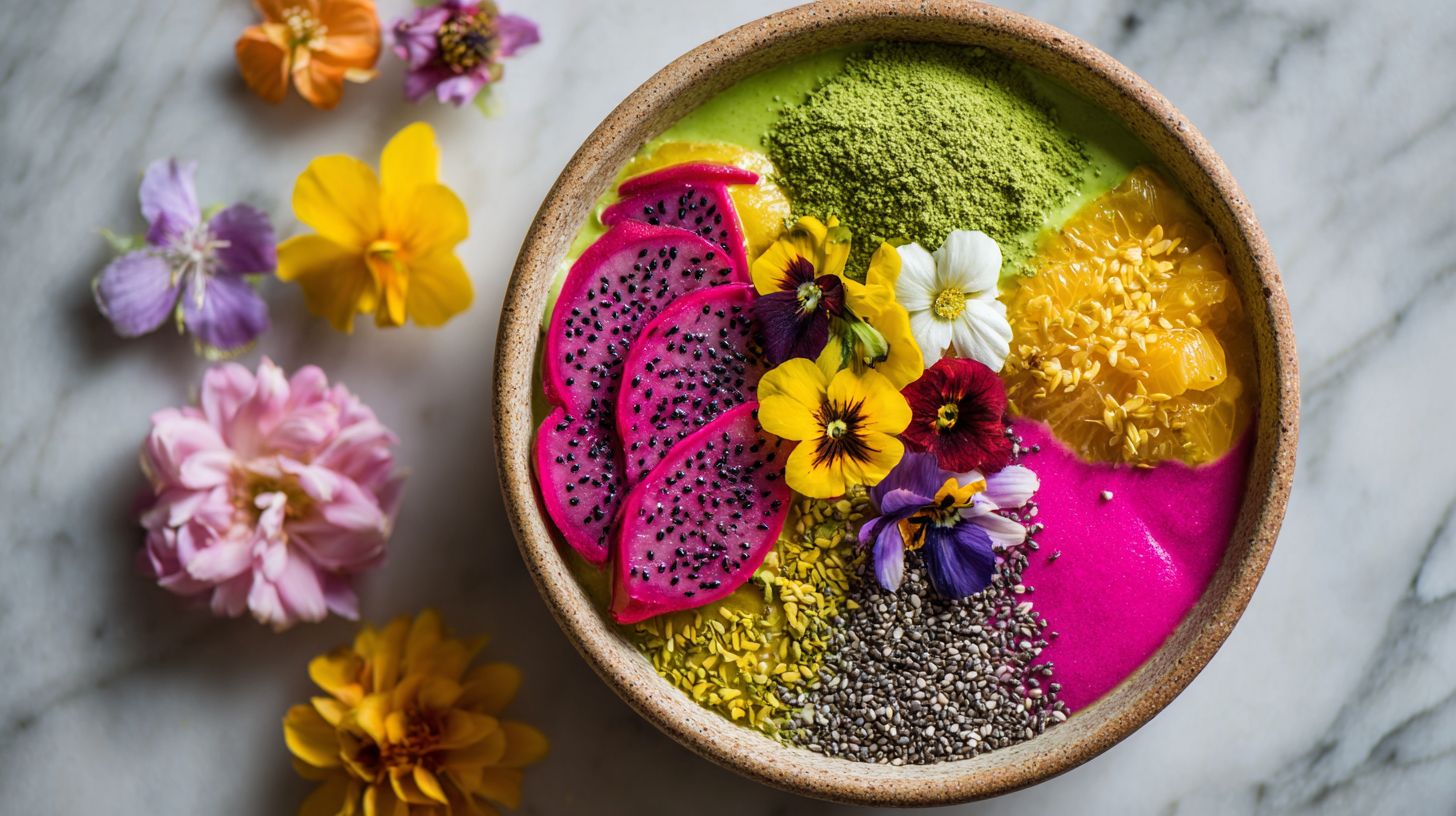
Edible beauty intersects with organic products by leveraging certified natural ingredients that meet stringent standards like EU Cosmetic Products Regulation No. 1223/2009. This connection builds trust in nutricosmetics, where consumers ingest beauty foods for internal skincare benefits. Organic certification bridges nutricosmetics with ecological cosmetics practices by ensuring ingredients align with sustainability goals.
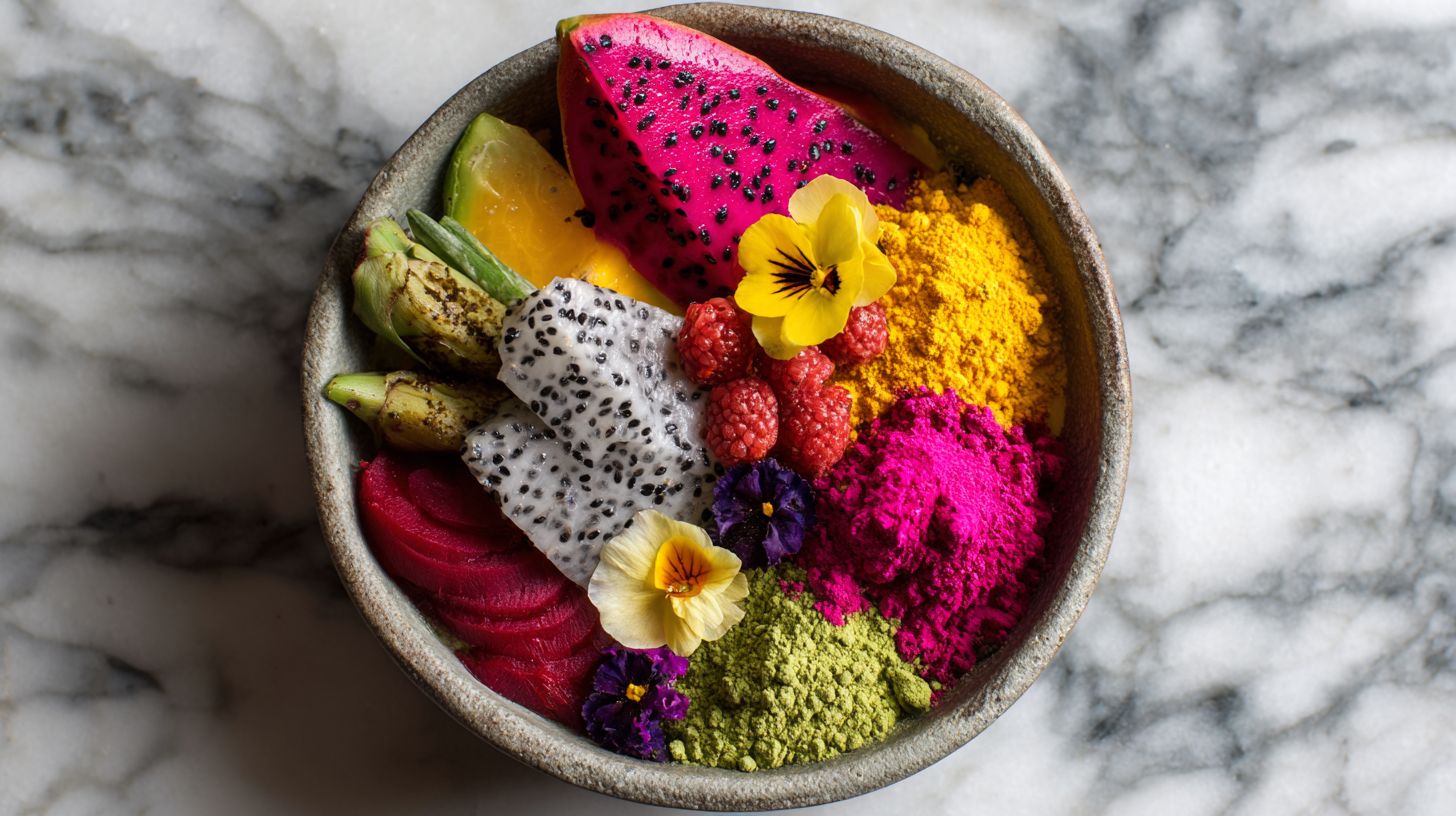
Brands use superfoods and antioxidant-based formulations in edible beauty items, such as powders blended with matcha or acai. These overlap with organic markets by prioritizing food-grade materials free from synthetic pesticides. The result enhances consumer confidence in products that support both health and environmental impact.
Organic practices reduce reliance on chemical additives, promoting a circular economy in the cosmetics industry. For instance, using plant-based collagen alternatives from organic sources minimizes environmental footprint. This intersection drives demand for vegan cosmetics and cruelty-free options in personal care.
Manufacturers integrate natural ingredients like pectin or cellulose for edible packaging, tying into green cosmetics trends. Compliance with regulations fosters transparency in beauty products. Overall, this synergy positions edible beauty as a leader in sustainable consumer behavior.
Organic Certification in Beauty Foods
Organic certification ensures beauty foods use verifiable natural ingredients compliant with food-grade standards. Certifications like USDA Organic or EU regulation equivalents set rules for nutricosmetics and food supplements. They focus on superfoods, nutraceuticals, and cosmeceuticals used in edible beauty formulations.
The process demands rigorous checks on ingredients such as collagen alternatives from vegan cosmetics sources or antioxidant-rich superfoods. Brands must source from certified farms, which involves a detailed audit lasting one to two months. Testing for contaminants like heavy metals follows to meet food-grade standards.
Proper labeling per EU regulation prevents misleading claims. Here is a step-by-step guide for brands pursuing certification to reduce organic waste and enable food waste recycling:
- Source ingredients exclusively from certified organic farms, completing a one to two month audit for traceability.
- Conduct independent lab tests for contaminants, pesticides, and microbes to ensure purity.
- Design labels that comply with EU regulation or USDA rules, clearly stating organic status and avoiding unverified claims like “miracle skin glow.”
- Undergo final inspection and annual renewal to maintain certification.
Avoid common pitfalls such as using unverified suppliers or overlooking shelf life testing for edible capsules. Use this compliance checklist: verify farm certifications, document all tests, train staff on manufacturing practices, and audit packaging for biodegradable options. Experts recommend regular reviews to align with evolving sustainability demands in the industry.
Impact on the Organic Market
Edible beauty is reshaping the organic market by integrating food co-products into premium beauty formulations. This trend turns organic waste from the food industry into valuable ingredients for nutricosmetics and cosmeceuticals. Brands gain a competitive edge in the cosmetics industry through sustainable practices.
By using by-products like fruit peels for natural polymers such as pectin, companies promote a circular economy. This approach reduces environmental impact while meeting demand for green cosmetics. Organic farmers benefit from new markets for their produce.
Innovative uses of superfoods in edible collagen supplements boost sector growth. The shift supports vegan cosmetics and cruelty-free options. Overall, it drives sustainability in personal care products.
Millennials consumer behavior favors antioxidant-based beauty shots from food supplements. This integration lowers reliance on synthetic ingredients. The organic market expands as edible beauty aligns with ecological cosmetics trends.
New Revenue Opportunities
Brands in the organic market uncover fresh revenue streams by developing nutricosmetic lines from superfoods. Examples include edible collagen supplements and antioxidant beauty shots. These products appeal to health-conscious consumers seeking internal skincare benefits.
Partner with organic farmers for exclusive ingredients like upcycled berry extracts. Create subscription models for recurring sales of beauty food supplements. This strategy builds customer loyalty in the cosmetics industry.
| Aspect | Traditional Skincare | Edible Beauty Lines |
|---|---|---|
| Production Costs | Higher due to complex formulations and synthetic actives | Lower using food co-products and simple mixing |
| Packaging Needs | Extensive plastic jars and tubes | Minimal with edible capsules or biodegradable packaging |
| Margins | Moderate from high material and labor costs | Higher from reduced packaging and waste |
| Shelf Life | Extended with preservatives | Natural with antioxidants from superfoods |
This comparison shows edible lines offer cost advantages. Focus on manufacturing practices that emphasize natural ingredients for premium pricing.
Supply Chain Shifts
Supply chains are evolving to incorporate food co-products and by-products into edible beauty production. Fruit peels provide pectin, while shells yield chitosan for edible films. These shifts embrace a circular economy in the skincare sector.
Optimize with these steps:
- Map waste streams from food industry partners, identifying bio-waste like cellulose-rich husks.
- Validate safety per EU regulations and use food-grade materials for compliance.
- Scale with renewable sources, integrating organic waste into nutricosmetic manufacturing.
Benefits include reduced environmental impact and cost savings from lower raw material expenses. Brands cut down on food waste while enhancing sustainability. This model supports longer shelf life through natural preservatives.
Experts recommend starting with small-batch pectin extraction from citrus peels. Transition to full edible packaging for beauty products. These changes position companies as leaders in green cosmetics.
Challenges and Barriers
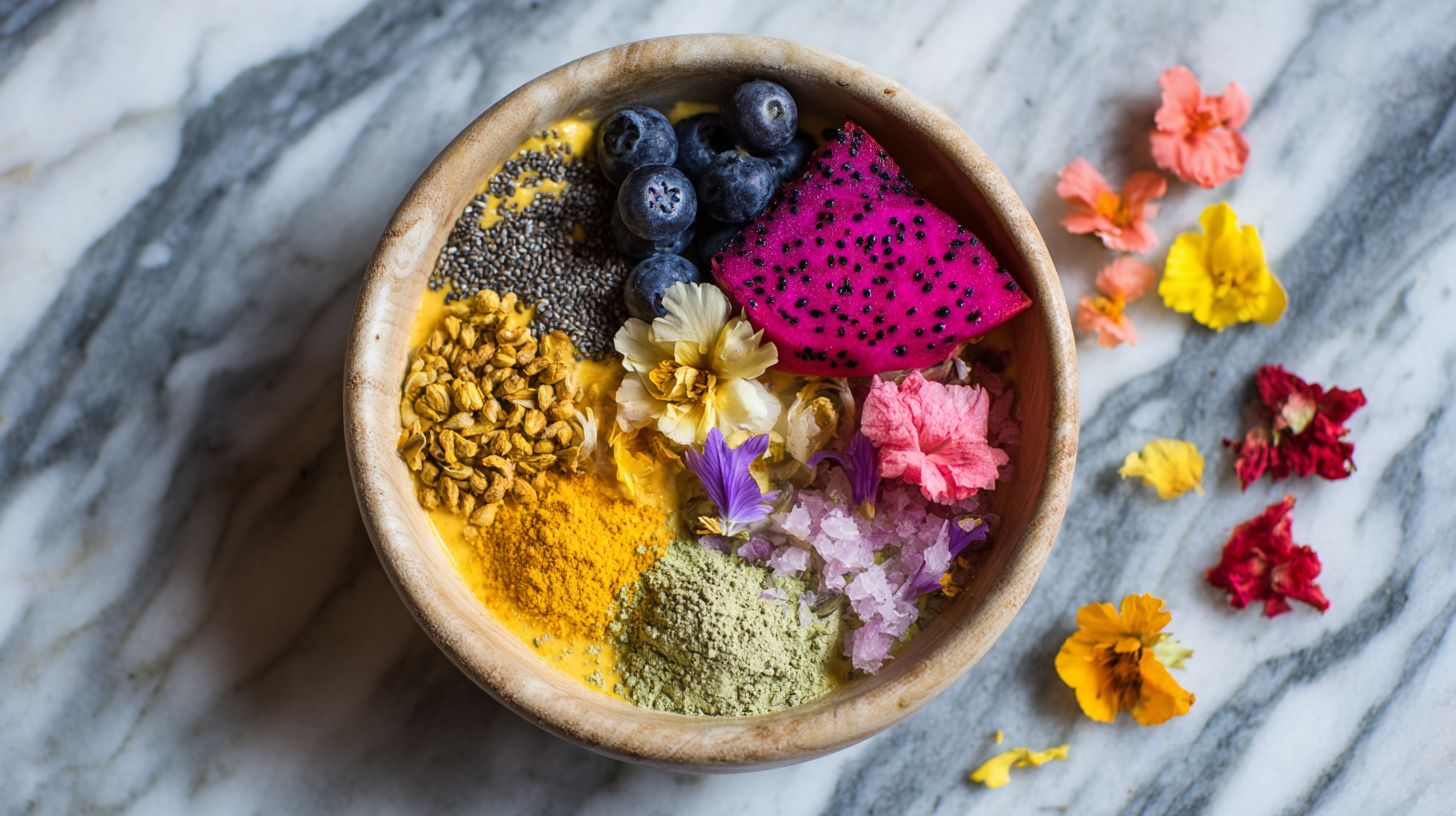
Despite its promise, edible beauty faces hurdles in shelf life, regulatory compliance, and consumer education. These issues slow growth in the cosmetics industry and organic market. Brands must address them with smart strategies.
Natural ingredients in nutricosmetics and edible packaging spoil quickly compared to synthetic options. This short shelf life raises costs and limits distribution. Practical fixes help overcome this barrier.
Regulatory demands, like the EU Cosmetic Products Regulation No. 1223/2009, add complexity for food supplements used in beauty. Consumer skepticism about efficacy persists without clear proof. Transparent approaches build trust.
By tackling these challenges, the organic cosmetics sector can expand. Solutions draw from circular economy principles and sustainability practices. This paves the way for wider adoption of green cosmetics.
Short Shelf Life of Natural Ingredients
Natural ingredients like superfoods and antioxidants degrade fast in edible films and nutricosmetics. This limits product reach in the personal care market. Brands turn to natural polymers for relief.
Options such as chitosan, cellulose, or pectin create protective barriers. These edible films from renewable sources extend usability without chemicals. They suit vegan cosmetics and cruelty-free standards.
Manufacturers apply these in biodegradable packaging for skincare and beauty products. Sourcing from food co-products or organic waste boosts the circular economy. This cuts environmental impact while preserving freshness.
Real-world examples include edible capsules coated with chitosan for nutraceuticals. Such steps make ecological cosmetics viable for daily use. Experts recommend testing in small batches first.
Strict Regulatory Compliance
The EU Cosmetic Products Regulation No. 1223/2009 sets high bars for nutricosmetic claims in the cosmetics industry. Food-grade materials must prove safety and efficacy. Compliance ensures market access across Europe.
Brands conduct PRISMA-guided systematic reviews following PRISMA guidelines to gather evidence. These reviews analyze data on antioxidant-based ingredients like collagen or superfoods. They support claims for cosmeceuticals without overpromising.
Focus on food supplements derived from by-products simplifies approval. Documentation of manufacturing practices proves purity. This builds credibility with regulators.
Practical advice includes partnering with labs for reviews. Such steps align edible beauty with sustainability goals. They open doors for innovative organic cosmetics.
Skepticism on Efficacy
Consumers question if edible beauty truly improves skincare from within. Doubts stem from unfamiliarity with nutraceuticals in beauty routines. Clear communication counters this in the organic market.
Transparent labeling lists ingredients, sources, and benefits simply. Highlight natural ingredients like antioxidants from bio-waste. This educates on consumer behavior shifts toward green options.
Share stories of edible packaging reducing food waste while delivering results. Bibliometric reviews can back general trends without specifics. Build trust through honest personal care messaging.
Encourage trials with sample packs of edible capsules. Feedback loops refine products. This turns skeptics into advocates for sustainable beauty.
Future Outlook
The future of edible beauty points toward greater integration of sustainability and innovative formats like edible packaging. Emerging trends in vegan cosmetics emphasize bio-based innovations from natural polymers such as pectin and chitosan. These shifts drive long-term growth in the cosmetics industry by aligning with consumer demand for cruelty-free and zero-waste solutions.
Bio-waste recycling, including food waste from superfoods, will fuel nutricosmetic development. Companies can repurpose organic waste into antioxidant-based ingredients for skincare and personal care products. This circular economy approach reduces environmental impact while enhancing product efficacy.
AI-driven personalization in nutraceuticals and cosmeceuticals promises tailored food supplements for beauty needs. Manufacturers should focus on food-grade materials to meet EU regulations. Such innovations position green cosmetics for mainstream appeal.
Overall, the rise of ecological cosmetics encourages brands to adopt biodegradable packaging and renewable sources. Practical steps include partnering with food co-product suppliers. This outlook supports sustained growth in the organic market.
Predictions for 2030
By 2030, edible beauty will likely feature widespread edible capsules and films derived from natural polymers. Bibliometric reviews from sources like Scopus, WOS, and Google Scholar, following PRISMA guidelines, highlight this trajectory. These predictions stem from trends in sustainable packaging for beauty products.
Mainstream adoption of edible packaging enables zero-waste cosmetics by allowing consumers to ingest protective layers made from cellulose or pectin. Expanded use of food waste recycling will provide ingredients like antioxidants from by-products, following PRISMA guidelines. Personalized nutricosmetics via AI will customize formulations based on individual skincare profiles.
Best practices for preparation include the following steps:
- Invest in R&D for pectin-based films, drawing from systematic reviews in Scopus, WOS, and Google Scholar, to improve shelf life and sensory appeal in manufacturing practices.
- Monitor regulatory updates on food-grade materials, EU Cosmetic Products Regulation No. 1223/2009, and EU regulations for safe edible films.
- Integrate chitosan and collagen from renewable sources to create versatile edible capsules.
- Test consumer behavior responses to formats using real-world trials with superfoods.
These strategies ensure organic cosmetics thrive amid shifting demands for sustainability and innovation.
Frequently Asked Questions
What does “Edible Beauty Is on the Rise – What It Means for the Organic Market” refer to?
Edible Beauty Is on the Rise – What It Means for the Organic Market highlights the growing trend among Millennials consuming beauty-enhancing foods and supplements, like collagen-rich berries or antioxidant-packed superfoods, which are driving demand in the organic sector by blurring lines between wellness, skincare, and nutrition.
Why is edible beauty gaining popularity in the organic market?
Edible Beauty Is on the Rise – What It Means for the Organic Market because consumers seek natural, ingestible alternatives to topical products, preferring organic ingredients like turmeric, matcha, and sea moss that nourish skin from within, fueled by clean beauty movements and health-conscious lifestyles.
How is the rise of edible beauty impacting organic farmers and producers?
Edible Beauty Is on the Rise – What It Means for the Organic Market by boosting demand for certified organic crops such as acai, chia seeds, and beauty mushrooms, leading to expanded cultivation, higher prices, and innovation in sustainable farming practices to meet global supply needs.
What are some examples of edible beauty products in the organic market?
Edible Beauty Is on the Rise – What It Means for the Organic Market through products like organic beauty lattes with collagen peptides, glow-boosting smoothies from organic kale and beets, and supplements made from organic rosehip or astaxanthin, all marketed for internal radiance and anti-aging benefits.
Will edible beauty challenge traditional skincare brands in the organic space?
Edible Beauty Is on the Rise – What It Means for the Organic Market as it shifts consumer spending from synthetic creams to whole-food organics, pressuring skincare giants to incorporate ingestible options while creating opportunities for organic food brands to enter the $500B beauty industry.
What future trends can we expect from edible beauty in the organic market?
Edible Beauty Is on the Rise – What It Means for the Organic Market pointing to trends like personalized organic beauty blends via DNA testing, upcycled ingredient innovations, and mainstream grocery integration, potentially growing the organic beauty food segment by 15-20% annually through 2030.