

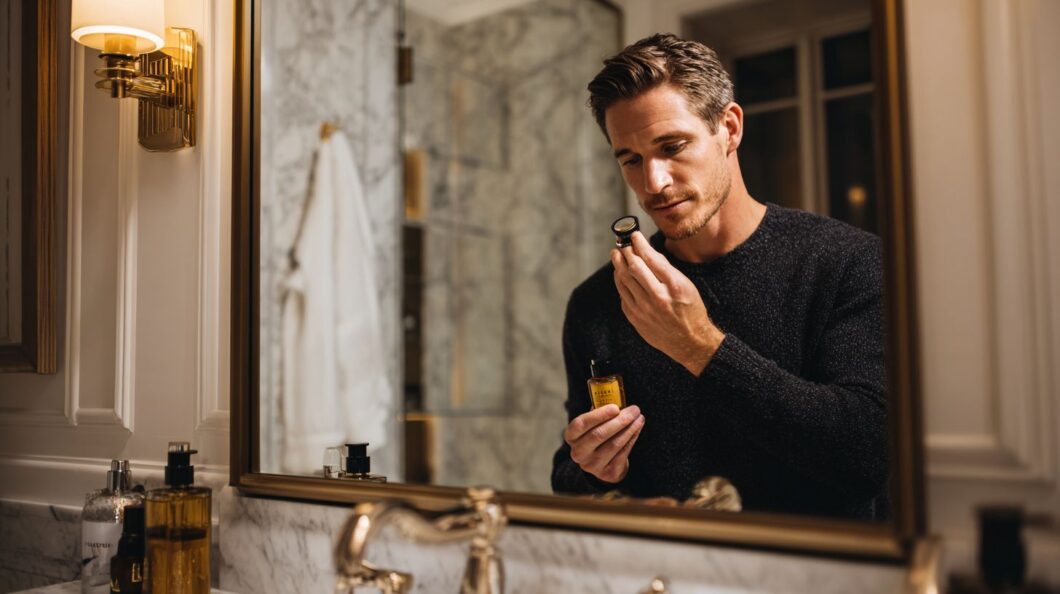
Ever notice how men’s skincare and mens skincare has gone from a quiet routine to a full-on status symbol? Guys are leaning into luxury grooming like never before, and by 2026, it’s set to explode in the grooming market and male beauty sector. Let’s break down what’s fueling this shift and what it means for the skin care scene ahead.
Key Takeaways:
Skincare as Status: The Rise of Luxury Men’s Grooming in 2026
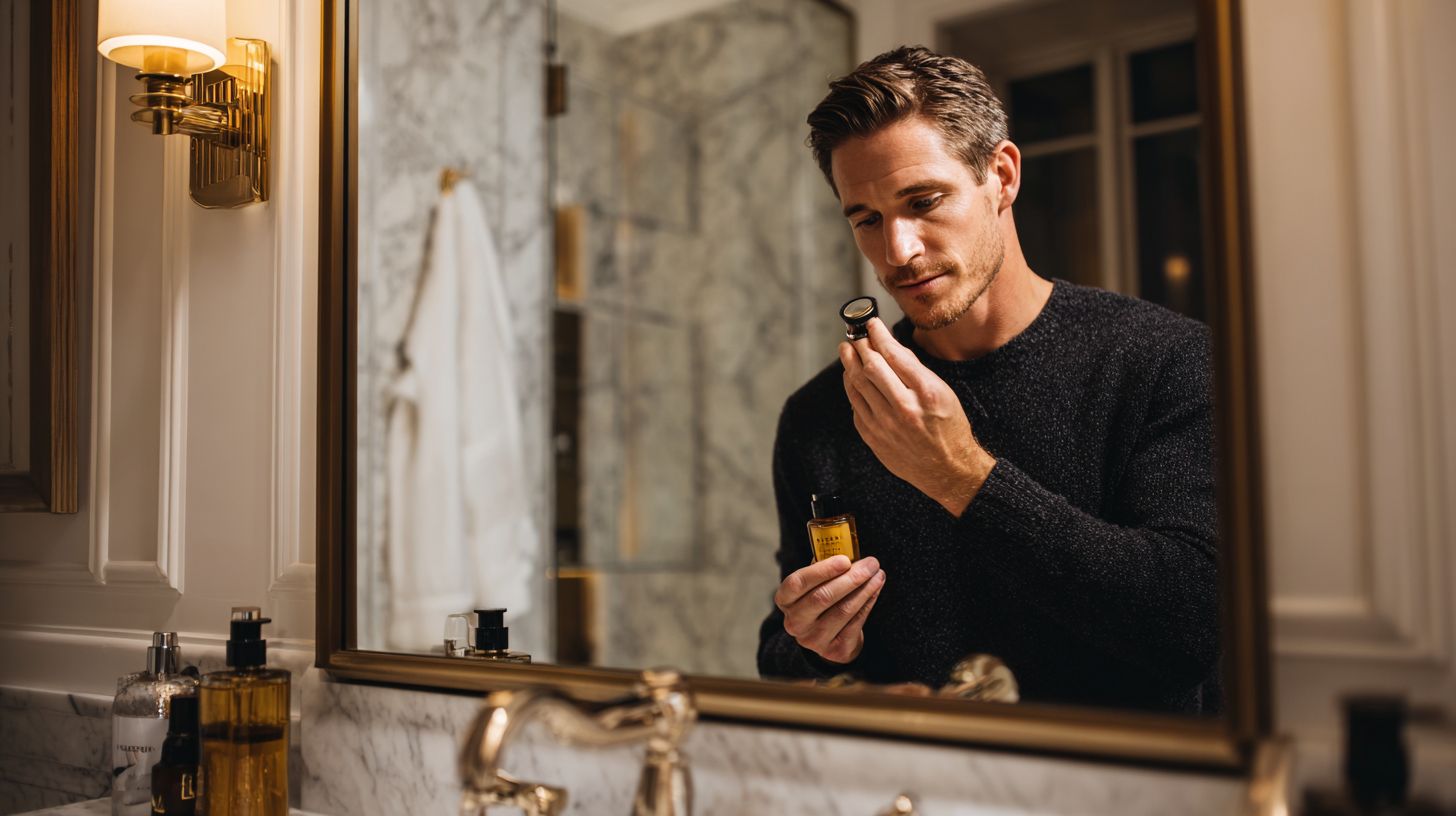
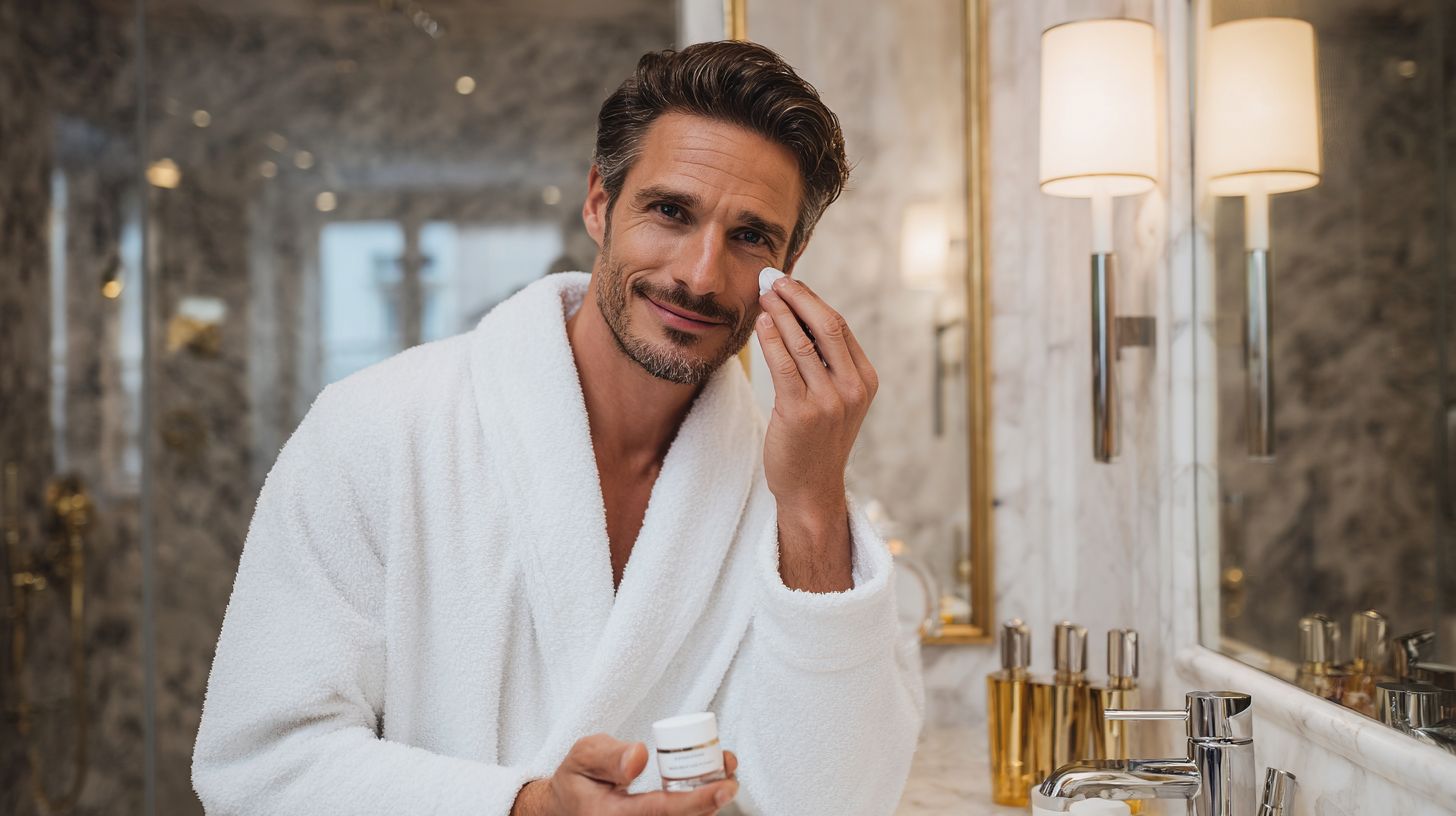
Luxury men’s grooming has transformed from a niche indulgence into a powerful status symbol, signaling confidence and self-investment in 2026. Picture a busy executive in a sleek boardroom, his skin radiating clarity from a peptides-infused serum applied that morning. This ritual goes beyond hygiene routine, embodying a modern man’s commitment to personal care as part of his identity.
High-end skincare routines now appeal emotionally, offering a sense of control amid fast-paced lives. Men reach for premium products like exfoliating cleanser and NAD+ boosters, feeling enabled by their glow. It’s about resilience against acne, redness, and shaving trauma, turning daily care into a luxurious affirmation.
Cultural drivers fuel this shift in the beauty industry. Platforms like Instagram and TikTok showcase male beauty influencers demonstrating facial treatments and grooming tools. Gen Z leads as a growth driver, blending self-care with wellness essentials for longevity tools.
The grooming market reflects evolving consumer behavior, with brands like Dove Men+Care and Axe expanding into skin care. Experts recommend consistency in hygiene routines to combat body odor and enhance hair care or foot care. This rise positions men’s skincare as a badge of sophistication.
Cultural Shifts Driving Men’s Grooming
Evolving societal norms and digital influences are redefining masculinity, making grooming a cornerstone of modern male beauty identity. Men now view self-care as vital for confidence and presence in both personal and professional spheres. This shift embraces mens skincare as part of everyday wellness essentials.
Picture a busy professional applying daily moisturizer before a big meeting, feeling sharper and more composed. Or a father incorporating weekly masks into his routine, modeling healthy habits for his kids. These moments highlight how grooming fosters emotional well-being.
Gen Z leads this charge, treating skincare routines as longevity tools with ingredients like peptides and NAD+. Brands like Dove Men+Care and Axe from Unilever respond with premium products for acne, redness, and shaving trauma. This cultural pivot drives market growth in the beauty industry.
Experts recommend consistency in hygiene routine s, from exfoliating cleanser to body odor solutions like Whole Body Deodorant. Such practices build resilience, turning grooming into a growth driver for male beauty and personal care.
From Taboo to Trendsetter
What was once dismissed as unmanly is now celebrated as essential, with men openly sharing skincare routine s as badges of sophistication. Daily moisturizing hydrates skin post-shave, reducing irritation from shaving trauma. Weekly masks target redness and acne, promoting clearer complexions.
Consider a young dad who started with simple exfoliating cleanser, gaining confidence for job interviews. His routine evolved to include facial treatments, boosting his self-image. This emotional shift from stigma to enablement resonates widely.
Incorporate grooming tools like gua sha for better product absorption, or peptides in serums for skin resilience. Research suggests consistency use enhances overall wellness essentials. Men report feeling more enabled, aligning with trends in hair care and foot care.
Brands offer sustainability-focused options, ensuring ingredient safety. Actionable steps include layering a hydrator over deodorant for all-day freshness. These habits position grooming as a trendsetter in modern masculinity.
Social Media Influencers and Celebs
Platforms like Instagram and TikTok, amplified by celebrities like Marshawn Lynch, showcase grooming as aspirational lifestyle content. Viral ‘men’s skincare routine’ challenges encourage followers to share progress with morning cleanse and evening serum steps. This sparks widespread engagement.
Authentic influencers demo products for body odor and hair care, recommending premium deodorants like Fine Fragrance Collection. Followers mimic routines addressing shaving trauma or acne, fostering community. Celebs normalize facial treatments, blending them with fitness posts.
To get started, follow influencers focusing on AI trends in wearables for skin tracking or photobiomodulation devices. They share tips on senolytics for longevity tools and sustainability personal care. Observe their consistency for real results.
This cultural impact drives consumer behavior toward premium products. Engagement tactics like duets on TikTok build hype around grooming market innovations. Men adopt these for enhanced resilience and wellness essentials.
Market Growth Projections for 2026
Reports from Barclays report, WGSN, and Future Market Insights point to robust expansion in men’s grooming, fueled by premiumization and new consumer behavior. These analyses highlight how luxury skincare and elevated personal care routines are becoming status symbols among men. Brands are responding with high-end formulations targeting concerns like acne and redness.
The grooming market shows strong directional trends toward premium products as a key growth driver. Men increasingly view skincare routines as wellness essentials, blending self-care with hygiene. This shift draws in younger buyers seeking longevity tools like peptides and NAD+.
Consumer behavior on platforms like Instagram and TikTok amplifies demand for male beauty innovations. Brands can capitalize by emphasizing sustainability and ingredient safety in their offerings. Technological advancements, such as AI trends and wearables, further propel market growth.
Projections underscore the beauty industry‘s evolution, with men’s lines like Dove Men+Care and Axe from Unilever leading in accessibility. Focus on resilience against shaving trauma positions products for broader appeal. Overall, the sector thrives on consistency grooming tools and facial treatments.
Revenue Forecasts and CAGR
Analysts at Barclays and Future Market Insights forecast sustained CAGR, underscoring the sector’s momentum toward 2026. The Barclays report emphasizes premiumization as a core growth driver in the grooming market. This trajectory reflects rising investments in skin care and personal care.
Brands can capitalize by aligning with these projections through targeted product development. Prioritize exfoliating cleansers and fine fragrance collections to meet evolving tastes. Integrate trends like photobiomodulation for advanced appeal.
| Source | Focus Area | Key Insight |
|---|---|---|
| Barclays | Premium Men’s Grooming | Highlights sustained revenue momentum from luxury shifts |
| WGSN | Consumer behavior | Points to premium products as primary growth driver s |
| Future Market Insights | Market Trajectories | Emphasizes CAGR in male beauty and skincare |
Actionable strategies include expanding into hair care, foot care, and deodorant s like whole body options. This positions companies to ride the wave of market size expansion and technological innovation without chasing unverified specifics.
Key Demographic Shifts
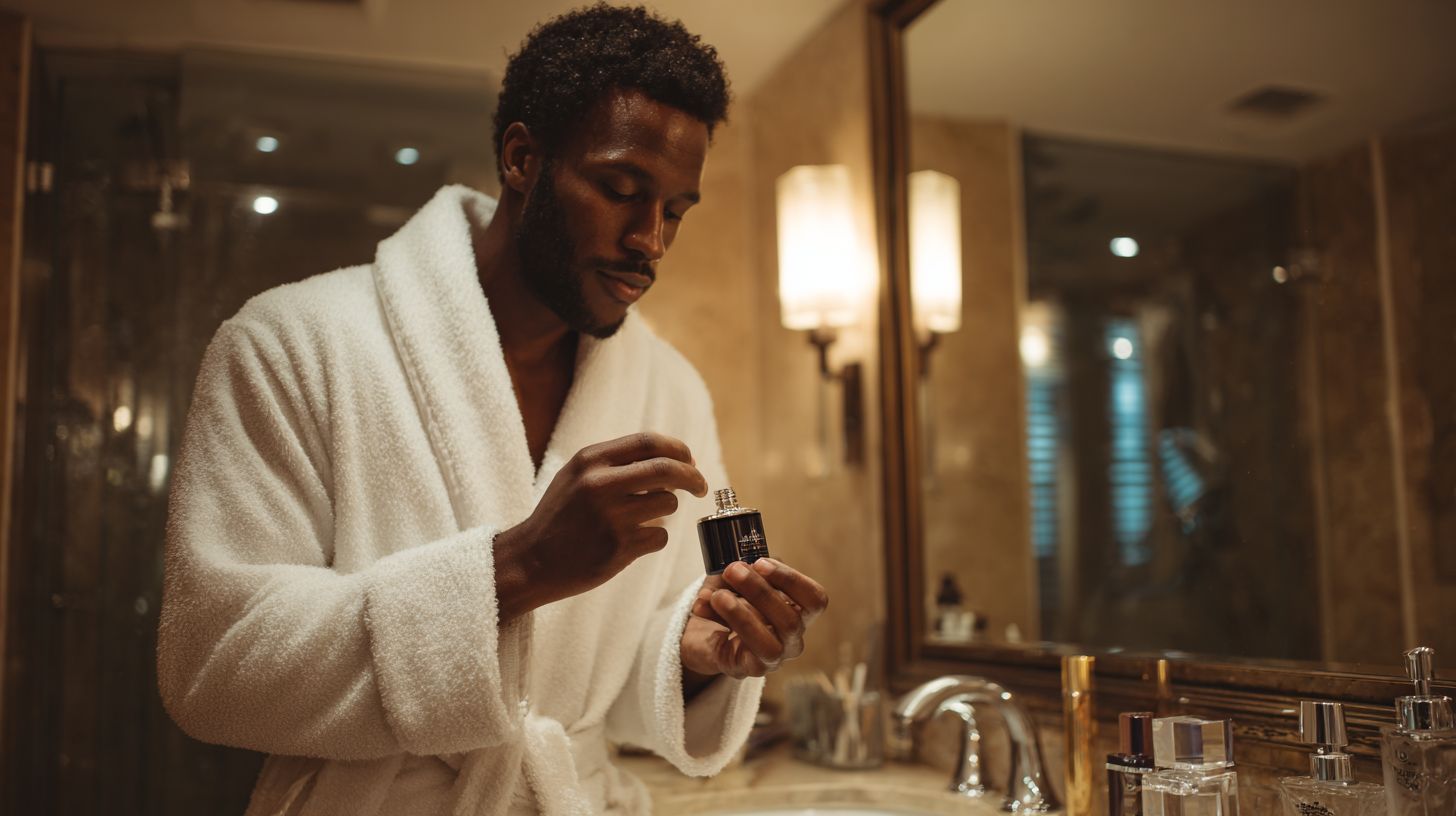
Gen Z men are leading the charge, treating skincare as a non-negotiable part of their wellness and personal branding. They prioritize clean ingredients and sustainability in daily routines. Social media influences their choices, showcasing routines on TikTok.
Younger demographics favor products addressing acne, redness, and body odor with natural efficacy. Tailor offerings to their preferences for transparency in formulations. Examples include multi-tasking items combining hydration and protection.
- Emphasize ingredient safety to build trust with Gen Z.
- Incorporate senolytics and peptides for longevity appeal.
- Offer grooming tools focused on consistency in hygiene routines.
Brands gain by adapting to these shifts, such as developing self-care lines with exfoliators and serums. This aligns with broader consumer behavior toward premium products, tech-infused personal care. Resulting loyalty drives long-term market growth.
Luxury Brand Strategies
Leading brands like Unilever‘s Dove Men+Care and Axe are elevating their game with sophisticated formulations and eco-conscious positioning. These companies focus on differentiation through quality and branding to stand out in the growing mens grooming market. They blend premium products with sustainable packaging to appeal to men seeking status in their skincare routine.
According to the Barclays report and WGSN, brands emphasize storytelling around self-care and wellness essentials. For instance, Dove Men+Care from Unilever promotes hydration for all-day confidence, while Axe launches lines like Whole Body Deodorant and Fine Fragrance Collection. This shift targets Gen Z consumers who value personal care beyond basic hygiene.
Social media platforms like Instagram and TikTok amplify these efforts, showcasing facial treatments and grooming tools. Strategies also include technological innovation, such as AI trends for personalized advice. These moves drive market growth with a strong CAGR by positioning products as longevity tools in the beauty industry.
Consumer behavior favors premium products with clean ingredient safety and sustainability. Brands like these lead by expanding into hair care, foot care, and deodorant categories. This evolution turns everyday routines into symbols of refined male beauty.
Premium Ingredient Innovation
Brands are incorporating advanced actives like peptides, NAD+, and ceramides to target aging, acne, redness, and shaving trauma effectively. These ingredients boost skin resilience and support long-term skin health in mens skincare. Men benefit from formulations that address specific concerns like post-shave irritation.
Peptides firm skin and reduce fine lines, while NAD+ aids cellular repair for a youthful glow. Ceramides strengthen the moisture barrier, combating dryness from frequent shaving. Experts recommend these for a consistent skincare routine that elevates grooming.
| Premium Ingredient | Benefit | Mass-Market Alternative |
|---|---|---|
| Peptides | Enhances resilience, firms skin | Glycerin (basic hydration) |
| NAD+ | Supports cellular longevity | Vitamin E (antioxidant protection) |
| Ceramides | Repairs barrier, reduces redness | Petrolatum (occlusive seal) |
To identify high-quality actives on labels, look for ingredients listed early, like palmitoyl tripeptide-1 for peptides. Check for concentrations above 1% for efficacy and avoid fillers at the end. Research suggests pairing with exfoliating cleanser for better absorption in your hygiene routine.
Product Categories Dominating
Luxury men’s grooming spans advanced skincare, body care, and innovative deodorants, with standout performers like Whole Body Deodorant.
Targeted solutions dominate the grooming market, addressing concerns like acne, redness, and shaving trauma. These products appeal to Gen Z men seeking male beauty routines boosted by social media on Instagram and TikTok.
Body care options, including Fine Fragrance Collection deodorants, extend hygiene routines beyond the face. Exfoliating cleansers and hair care essentials round out the category, driving market growth in premium personal care.
These categories highlight a shift toward skincare as status, blending self-care with wellness essentials. High-end serums and devices lead the charge in facial treatments.
High-End Serums and Devices
Devices like photobiomodulation masks (Exomask) and serums with MicroMoisture technology are redefining at-home facial treatments.
These longevity tools incorporate peptides and NAD+ for skin resilience. Men use them to combat aging signs while fitting into daily skincare routines.
Integration starts simple. Cleanse with an exfoliating cleanser, apply serum, then use the device for ten minutes nightly. Follow with moisturizer for best results.
| Product | Key Features | Benefits | Pricing Context |
|---|---|---|---|
| Exomask Photobiomodulation Mask | Red light therapy, adjustable settings | Reduces redness, boosts collagen | Premium range, often over $500 |
| MicroMoisture Serum | Hyaluronic acid encapsulation, peptides | Hydrates deeply, repairs barrier | Mid-to-high end, around $150 per bottle |
| NAD+ Infused Eye Serum | Cellular repair agents, lightweight formula | Diminishes fine lines, energizes skin | Luxury pricing, typically $200+ |
| Peptide Recovery Device | Microcurrent pulses, senolytics | Enhances firmness, fights fatigue | High-end investment, $300-$600 |
Common mistakes include skipping patch tests or overusing devices. Experts recommend consistency with three sessions weekly. Pair with grooming tools for full skin care impact.
Retail and E-Commerce Evolution
From Sephora‘s curated displays to Walmart‘s accessible aisles, men’s grooming is everywhere, boosted by direct-to-consumer brands like Lumin and Papatui. Future Market Insights, Allied Market Research, and PwC note retail channels now cater to the expanding male beauty market with tailored options for every budget. This shift reflects broader market growth in personal care.
Physical stores offer hands-on experiences, while e-commerce provides convenience and variety. Sephora emphasizes premium products with expert advice, ideal for those building a skincare routine. Target and Walmart focus on affordability, stocking brands like Dove Men+Care and Axe from Unilever.
Direct-to-consumer models cut out middlemen, delivering longevity tools like peptides and NAD+ straight to your door. Social media on Instagram and TikTok drives discovery of these brands. In-store, interactive displays let men test exfoliating cleansers for acne or redness.
| Retail Channel | Pros | Cons |
|---|---|---|
| Sephora | Curated luxury selections, beauty advisors for skin care tips, exclusive launches like Fine Fragrance Collection. | Higher prices, less emphasis on everyday hygiene routine items like deodorant. |
| Target/Walmart | Affordable entry points for grooming tools and body odor solutions, wide availability, impulse buys for foot care. | Limited high-end options, crowded aisles reduce personalized service. Also available at Walgreens. |
Choose Sephora for premium resilience formulas addressing shaving trauma. Opt for Target when starting with basics like Whole Body Deodorant. Check Pinterest for ideas endorsed by Marshawn Lynch.
Actionable Purchasing Guide
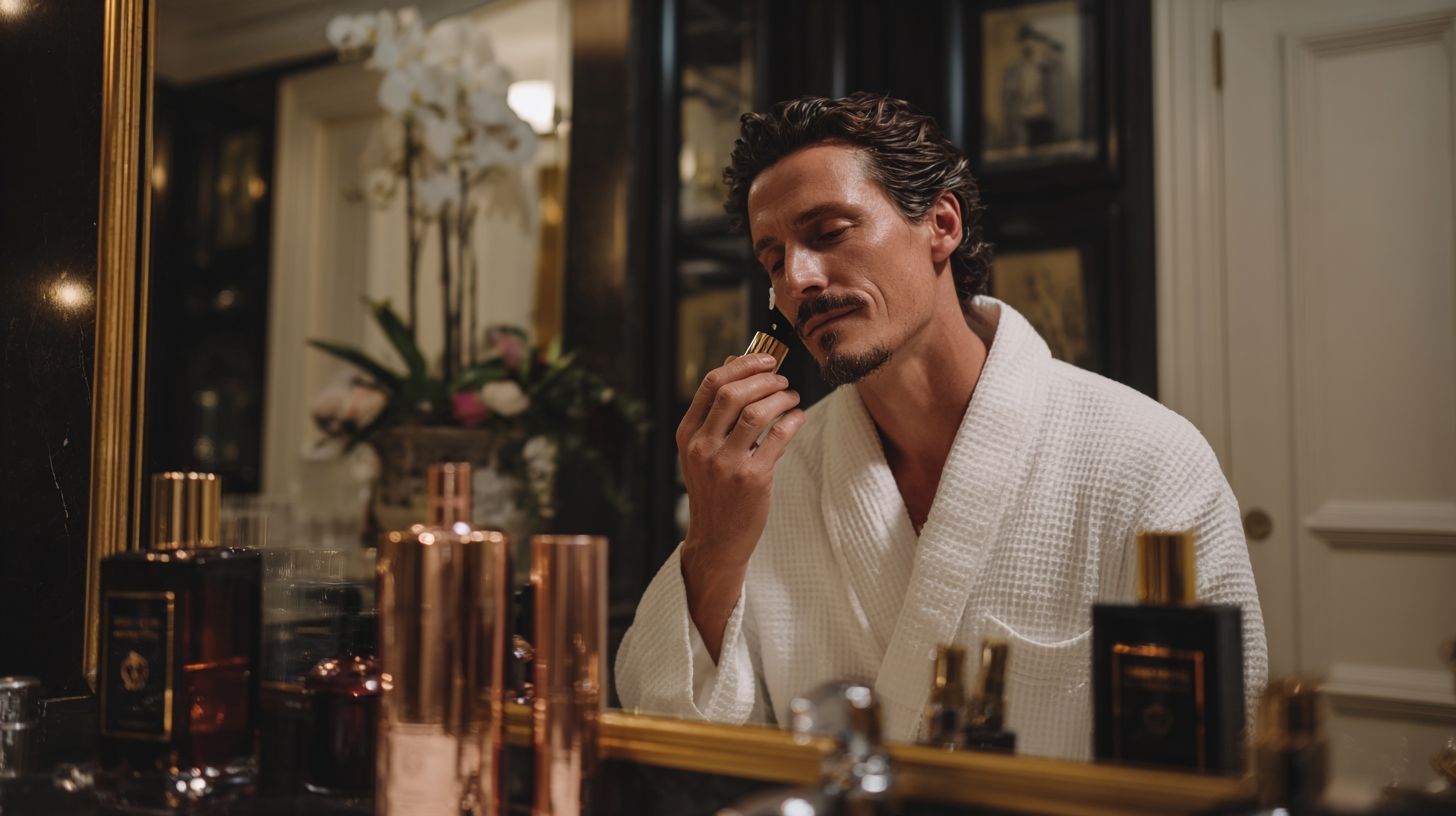
Start your men’s skincare journey by assessing needs like acne or redness. Build consistency with a simple routine: cleanser, moisturizer, sunscreen. Experts recommend testing samples in-store before committing to full sizes.
For e-commerce, subscribe to brands for wellness essentials like hair care sets. Read reviews on sustainability and ingredient safety. Prioritize multi-taskers, such as serums with peptides for daily use.
- Match products to skin type: oil-free for oily skin, hydrating for dry.
- Check for AI trends like personalized quizzes on brand sites.
- Buy travel sizes first to test facial treatments without waste.
- Layer gently: serum under moisturizer for best results.
Track progress with photos to refine your hygiene routine. This approach ensures self-care fits your lifestyle amid grooming market expansion.
E-Commerce Trends and In-Store Experiences
E-commerce dominates with fast shipping and virtual try-ons for consumer behavior shifts. Gen Z leads as a growth driver, seeking premium products via apps. Subscription boxes deliver technological innovation like GOA photobiomodulation devices.
In-store, immersive setups mimic spas with wearables demos for skin tracking. Staff guide on senolytics or NAD+ for anti-aging. These experiences build trust in the beauty industry.
Trends favor clean labels and eco-friendly packaging. TikTok tutorials boost sales of exfoliating cleanser dupes. Blend online research with in-person tests for smart buys in this evolving market.
Future Challenges and Opportunities
As AI-driven personalization and sustainability rise, brands face ingredient transparency demands while opportunities abound in tech-infused grooming.
Men often encounter education gaps in mens skincare, misunderstanding benefits of peptides or NAD+ for resilience against acne and redness. Brands like CeraVe Men, Bulldog, Tone, and SASSY can address this by creating simple guides on social media like Instagram and TikTok, showing real routines for shaving trauma relief.
Sustainability pressures challenge the grooming market, with consumers demanding proof of ethical sourcing in premium products. Opportunities emerge from AI trends and wearables that track skin health, integrating photobiomodulation for better results.
Technological innovation opens doors in the male beauty space, like apps analyzing skin via smartphone cameras. Brands embracing these can lead market growth, while consumers benefit from tailored advice on longevity tools.
Key Challenges in the Evolving Grooming Landscape
Ingredient safety concerns persist as the beauty industry expands into male grooming. Many men question claims around senolytics or exfoliating cleansers, leading to hesitation in adopting new items.
Consumer behavior shifts with Gen Z prioritizing transparency, yet education lags on building effective hygiene routines. Shaving trauma and body odor solutions like Whole Body Deodorant need clearer explanations to build trust.
Social media amplifies misinformation, complicating choices in hair care or foot care. Brands must counter this with honest content on platforms like TikTok to bridge these gaps.
Opportunities with AI and Wearables
AI trends enable hyper-personalized skincare routines, predicting needs for redness or acne based on user data. Wearables monitor hydration levels, suggesting adjustments with peptides and NAD+ for optimal skin resilience.
In the personal care arena, tech like facial treatments powered by apps integrates seamlessly with daily self-care. This drives growth in premium products with a projected CAGR of over 10%, appealing to wellness essentials seekers.
Brands like Dove Men+Care and Axe, owned by Unilever, can innovate with AI-infused grooming tools, enhancing Whole Body Deodorant efficacy or Fine Fragrance Collection longevity according to the Barclays report. Such steps position them ahead in market size expansion.
Best Practices for Consumers and Brands
For consumers, focus on consistency in your skincare routine to see real benefits from grooming tools. Brands should prioritize ingredient transparency, as highlighted by WGSN and Mintel, to foster loyalty in the competitive landscape.
Experts recommend starting small, like adding an exfoliating cleanser post-shave, then scaling to full regimens. This approach suits busy lifestyles while addressing common issues like body odor.
- Assess your skin needs daily using simple mirrors or apps for acne or redness checks.
- Choose products with clear labels on peptides and NAD+ for targeted resilience.
- Incorporate wearables weekly to track progress and adjust your hygiene routine.
- Review social media for real user tips on TikTok and Instagram, avoiding hype for practical advice.
- Build habits gradually, aiming for daily use of deodorant and moisturizers as core wellness essentials.
Frequently Asked Questions
What is “Skincare as Status: The Rise of Luxury Men’s Grooming in 2026”?
Skincare as Status: The Rise of Luxury Men’s Grooming in 2026 refers to the growing trend where high-end skincare and grooming products for men are becoming symbols of wealth, sophistication, and self-care. In 2026, affluent Gen Z men are increasingly investing in premium brands like La Mer and Augustinus Bader, available at Sephora, turning daily routines into displays of status.
Why is luxury men’s grooming rising in popularity in 2026?
The rise of Skincare as Status: The Rise of Luxury Men’s Grooming in 2026 is driven by social media influencers, celebrity endorsements like Marshawn Lynch, and a shift in gender norms. Men are embracing multi-step routines with serums, gua sha tools, and jade rollers as markers of success, with the global men’s luxury skincare market projected by Future Market Insights to exceed $20 billion.
How does skincare signify status for men in 2026?
In Skincare as Status: The Rise of Luxury Men’s Grooming in 2026, owning rare, expensive products like diamond-infused creams or personalized DNA-based formulations signals elite access and discernment. It’s no longer just about clean skin-it’s a subtle flex in boardrooms and social circles, akin to wearing a Rolex.
What are the top luxury skincare brands for men in 2026?
Key players in Skincare as Status: The Rise of Luxury Men’s Grooming in 2026 include Tom Ford’s private blend skincare, Sisley’s nutritional supplements, and emerging lines like Lumin, Papatui, CeraVe Men, Bulldog, and Fellow‘s Exomask tech-infused devices available at Target and Walmart. These brands emphasize sustainability, exclusivity, and results, appealing to high-net-worth individuals seeking both efficacy and prestige.
What skincare routines are status symbols for men in 2026?
Status routines in Skincare as Status: The Rise of Luxury Men’s Grooming in 2026 feature 10-step regimens with LED masks, cryotherapy facials at home with MicroMoisture, and bespoke serums from brands like Biologique Recherche. Men share these on platforms like TikTok and LinkedIn, blending wellness with luxury to project an image of disciplined success.
What’s the future outlook for Skincare as Status: The Rise of Luxury Men’s Grooming in 2026?
Looking ahead, Skincare as Status: The Rise of Luxury Men’s Grooming in 2026 will integrate AI personalization, neurocosmetics for stress reduction, and NFT-linked exclusive drops at retailers like Walgreens. According to Allied Market Research and PwC, this evolution, fueled by trends on Pinterest and insights from Face The Future and GOA, positions men’s grooming as an indispensable part of the modern luxury lifestyle, with millennial and Gen Z men leading the charge.