

Ever feel like your skincare routine could use more nature and less fuss? The seed-to-skin movement is changing that, pulling straight from Skin Tuscany‘s fields to create truly organic beauty. You’ll see how it’s set to reshape things by 2026.
Key Takeaways:
Core Philosophy
At its heart, seed-to-skin prioritizes complete traceability, ensuring every botanical extract in serums, face oils, and moisturisers comes directly from controlled organic sources. This approach starts with seeds planted in nutrient-rich soils and ends with pure applications on the skin. It eliminates middlemen to preserve the fresh potency of ingredients.
Enhanced potency arises from using fresh ingredients harvested at peak ripeness, like lavender or rosemary from Tuscan farms. Vertical integration means brands control every step, from soil preparation to bottling. For example, at Borgo Santo Pietro in Chiusdino, Italy, they grow herbs on-site and process them immediately into skincare.
Relatable scenarios highlight product purity. Imagine applying a face oil infused with just-picked olives, free from preservatives that dilute efficacy. This soil to skin method ensures your serums deliver natural healing without synthetic additives. Experts recommend it for those seeking genuine organic beauty.
Actionable benefits include choosing products with transparent sourcing, like those from Tuscan farm origins. Pair a night oil with an essence from the same fields for amplified results. This philosophy powers everything from bodycare to haircare, redefining clean routines.
Historical Evolution
The seed-to-skin movement evolved from ancient herbal remedies, gaining modern traction through innovative Tuscan pioneers blending tradition with biotech skincare.
Early practices drew from Tuscan farm wisdom, where generations used botanical extracts like lavender and rosemary for natural healing. This laid the foundation for vertical integration from soil to skin.
Innovators at places like Borgo Santo Pietro in Chiusdino, Italy, revived these roots. They combined organic farm outputs with green molecular science, creating products from sheep’s milk and raw honey.
The shift emphasized emotional authenticity of farm origins. Founders like Jeanette Thottrup and Anna Buonocore shared stories of hand-harvesting under Tuscan skies, fostering trust in every serum and face oil.
From Farm-to-Table to Seed-to-Skin
Just as farm-to-table revolutionized dining with fresh, local produce, seed-to-skin extends this ethos to beauty, delivering skincare straight from Tuscany’s biodynamic fields.
Consider raw honey from Tuscan hives in bodycare, or sheep’s milk from local flocks turned into gentle moisturisers. These mirror farm-to-table’s focus on purity, but for skin.
Traceability follows a clear step-by-step process:
- Seeds planted in nutrient-rich Tuscan soil.
- Plants harvested at peak potency for botanical extracts.
- Ingredients processed with encapsulation technology for stability.
- Final products like night oil or divine cleanse bottled with full disclosure.
This soil to skin path ensures every cleaner, exfoliator, or mask carries the farm’s story. Pioneers elevated it to award winners at spots like Global Spa Awards, now in luxury spas such as Mandarin Oriental and Passalacqua.
Key Principles of the Movement
Seed-to-skin thrives on principles like sustainability and innovation, merging green molecular science with time-honored botanical extracts for holistic skincare routines.
This movement emphasizes vertical integration from organic farms to finished products. Brands like Borgo Santo Pietro in Tuscany showcase soil-to-skin practices. Consumers benefit from potent serums and face oils derived directly from the source.
Another core idea focuses on holistic wellness, blending haircare, bodycare, and home fragrances. Practices draw from Tuscan farm traditions for natural healing. This creates routines that support skin, mood, and environment.
- Full-Spectrum Use: Every plant part finds purpose in cleaners, exfoliators, or masks.
- Biotech Skincare: Encapsulation technology preserves active compounds for better absorption.
- Transparency: Trace ingredients from Chiusdino Italy fields to your shelf.
- Mindful Sourcing: Prioritizes biodynamic farming for deeper body hydration and glow.
Zero-Waste Production
Zero-waste production in seed-to-skin minimizes environmental impact by repurposing every plant part, from cleaners and exfoliators to masks and essences.
Brands upcycle botanicals into haircare treatments or home fragrances. For example, leftover sheep’s milk and raw honey from Tuscan farms become nourishing bodycare. This approach ensures nothing goes to waste.
Consumers can spot zero-waste products by checking for seed-to-skin labels and full ingredient stories. Look for mentions of upcycling in packaging. Opt for lines from organic farm sources like those in Skin Tuscany.
- Examine certifications for vertical integration practices.
- Seek products listing repurposed parts, such as peels in shower gels.
- Ask brands about their award winners or best sellers with zero-waste claims.
Biodynamic Farming Integration
Biodynamic farming integrates lunar cycles and natural rhythms to cultivate super-potent ingredients for serums and night oils, as practiced on Tuscan farms.
The process starts with preparing rich soils using compost from the farm itself. Plants grow in sync with moon phases: sowing during waxing for vitality, harvesting at full moon for peak potency. This yields ingredients with enhanced herbal remedies for eye care and moisturisers.
Skin sees benefits like deeper hydration from these methods. Botanical extracts absorb better, supporting natural skincare. Experts note calmer, more resilient complexions from such rhythms.
Common myths include biodynamics being just organic farming. In truth, it adds cosmic and animal preparations for vitality. Another myth: results take years. Practices at places like Borgo Santo Pietro show quick potency in new releases.
2026 Market Predictions
Looking to 2026, seed-to-skin skincare is poised to dominate with award winners like night oils and divine cleanse leading winter must-haves in luxury spas.
Encapsulation technology in new releases will allow botanical extracts to penetrate deeper, releasing active ingredients over time. Consumers can expect serums and face oils that adapt to skin needs throughout the day. This innovation builds on green molecular science from brands like Borgo Santo Pietro.
The Global Spa Awards 2026 spotlight products from Tuscan farms, honoring vertical integration from soil to skin. Practical picks include bodycare with sheep’s milk and raw honey for hydration. Shoppers should prioritize these for natural healing in winter routines.
Expect biotech skincare to merge with herbal remedies, seen in cleansers and masks at spas like Mandarin Oriental and Passalacqua. Free shipping on best sellers makes it easy to stock up. Jeanette Thottrup’s vision at Chiusdino, Italy, drives this shift toward organic farm-sourced luxury.
Innovative Ingredients
Innovative ingredients from seed-to-skin harness regenerative superfoods and time-tested herbal remedies for transformative results in face oils and body hydration. Sourced from Tuscan farms in Chiusdino, Italy, these elements reflect soil to skin principles at Borgo Santo Pietro. They power biotech skincare with natural healing properties.
Expect Tuscany-sourced botanicals like raw honey and sheep’s milk in serums, moisturisers, and bath products. This approach aligns with wellness expectations by using vertical integration from organic farm to final formula. Practical tips include layering face oils over essences for deeper hydration.
Jeanette Thottrup’s vision emphasizes green molecular science and encapsulation technology. These methods protect delicate actives in products like night oils and body exfoliation treatments. Users see smoother skin through consistent, gentle application.
From cleaners to mood therapy home fragrances, innovation meets luxury. Award winners like Divine Cleanse showcase botanical extracts for everyday rituals. Integrate them into winter must-haves for lasting glow.
Regenerative Superfoods
Regenerative superfoods like raw honey and sheep’s milk, grown on Chiusdino, Italy farms, power biotech skincare formulations for eye care and bath products. These ingredients from Borgo Santo Pietro’s Tuscan farm offer natural healing for dry winter skin. They fit seamlessly into seed-to-skin routines.
Raw honey acts as a humectant in honey masks for overnight repair. Mix one teaspoon with a serum, apply to clean skin, and rinse after 20 minutes. This DIY step soothes irritation and boosts hydration in face oils.
- Sheep’s milk in eye care creams nourishes delicate areas; warm a small amount and pat gently around eyes before bed.
- Prickly pear seed oil from Tuscan soil hydrates in body hydration lotions; massage into damp skin post-shower for lock-in moisture.
- Artichoke leaf extract targets puffiness; blend into DIY serums with aloe for a cooling morning ritual.
- Wild rosehip in exfoliators promotes cell turnover; use twice weekly on body for smooth texture.
Experts recommend these for their natural healing in vertical integration systems. Anna Buonocore highlights their role in Global Spa Awards 2026-winning formulas at luxury spas like Mandarin Oriental. Pair with shower gels for full-body results.
Sustainable Packaging Solutions
Sustainable packaging in Seed to Skin Tuscany lines features refillable glass for moisturisers and recyclable materials for body exfoliation, paired with free shipping options. Brands like those from Tuscany prioritize these choices to cut down on waste. This approach aligns with the soil to skin philosophy of organic beauty.
Glass jars for face oils and serums can be reused countless times, reducing the need for single-use plastics from brands like Bath & Works (implied). Recyclable paper composites wrap bodycare products like exfoliators, breaking down easily in home systems. Free shipping in reusable boxes further minimizes environmental impact for consumers.
Experts recommend choosing brands with vertical integration, such as those sourcing from a Tuscan farm like Borgo Santo Pietro. These practices support natural skincare without compromising luxury. Relatable examples include refilling a night oil jar at home, saving resources over time.
Packaging Types Compared
| Feature | Glass | Plastic Alternatives (e.g., PCR, Bio-based) |
|---|---|---|
| Durability | Highly reusable for serums and moisturisers | Flexible yet recyclable for shower gels |
| Recyclability | Infinite in closed loops | Compostable options for body exfoliation |
| Environmental Impact | Heavy but zero microplastics | Lighter weight cuts shipping emissions |
| Cost for Brands | Higher upfront, lower long-term | Affordable scaling with free shipping |
| Consumer Appeal | Luxury feel for award winners | Practical for daily haircare |
Glass shines in premium seed-to-skin products from Chiusdino, Italy, offering a tactile experience. Plastic alternatives, like post-consumer recycled materials, suit best sellers in body hydration. Both reduce landfill waste compared to virgin plastics.
Best Practices for Brands and Consumers
Brands should adopt refill stations at luxury spas like Mandarin Oriental or Passalacqua. Offer skin consultations with reusable packaging incentives. This builds loyalty in the organic farm-to-shelf model.
- Design for easy disassembly, like twist-off caps on cleaners and masks.
- Partner with store locators and spa locator for take-back programs on eye care tubes.
- Source botanical extracts in bulk to minimize individual wrappers.
- Label clearly for curbside recycling of essences and sheep’s milk blends.
Consumers can rinse and return empties via spa locator services. Opt for new releases with minimal packaging, like solid exfoliators. These steps extend the life of natural healing products.
Eco-Benefits with Relatable Examples
Switching to refillable glass for moisturisers keeps plastics out of oceans, much like Borgo Santo Pietro’s Tuscan practices. Recyclable pouches for body exfoliation decompose faster than foil. Free shipping in shared loops cuts delivery emissions.
Picture reusing a jar for raw honey-infused serums from Jeanette Thottrup’s line, avoiding dozens of new containers yearly. Herbal remedies in paper tubes for home fragrances support forest regrowth. These choices amplify green molecular science benefits.
In winter must-haves like night oil, compostable wraps for masks enrich soil back at the Tuscan farm. Brands earning Global Spa Awards prove sustainability boosts efficacy. Consumers feel good knowing their biotech skincare routine aids the planet.
Brand Leaders Driving Change
Brands like Borgo Santo Pietro, founded by Jeanette Thottrup with input from Anna Buonocore, lead seed-to-skin with best sellers like The Midnight Miracle and The Divine Cleanse. This Tuscan farm-based brand embodies soil to skin principles through its organic farm in Chiusdino, Italy. Every product draws from botanical extracts grown on-site.
Other pioneers include innovative houses pushing green molecular science and vertical integration. They focus on natural healing with ingredients like sheep’s milk and raw honey. These leaders redefine organic beauty by controlling production from seed to final formula.
Expect award winners in categories like face oils, serums, and moisturisers. Brands emphasize biotech skincare and encapsulation technology for better absorption. Shoppers find these in luxury spots like Mandarin Oriental and Passalacqua.
Key products highlight winter must-haves such as night oils and body hydration formulas. Availability spans Liberty London and select luxury spas with spa locators. These brands offer skin consultations for personalized natural skincare.
Borgo Santo Pietro: Tuscan Farm Heritage
Borgo Santo Pietro sources from its Borgo Santo Pietro farm in Tuscany‘s Chiusdino, Italy, practicing true seed-to-skin. Jeanette Thottrup and Anna Buonocore champion skin Tuscany with Black Magic, a potent exfoliator using herbal remedies. The brand’s organic farm yields rare botanicals for cleaners and masks.
The Midnight Miracle night oil delivers deep repair with encapsulation technology. Pair it with The Divine Cleanse for a full routine covering essences and eye care. These best sellers suit bodycare and haircare needs too.
Explore bath, shower, and body exfoliation options infused with raw honey. The line extends to home fragrances and mood therapy. Find them via store locator with free shipping on select orders.
Innovators in Green Molecular Science
Brands advancing biotech skincare use green molecular science for superior results. They integrate sheep’s milk into serums and moisturisers for natural hydration. This approach ensures purity from Tuscany fields to your routine.
Spotlight new releases like advanced face oils and body hydration mists. Exfoliators and masks leverage vertical integration for fresh potency. Experts recommend them as winter must-haves for dry skin.
Products shine in global spa awards at places like luxury spas. Include eye care and essences for complete regimens. Use skin consultation services for tailored picks.
| Brand | Key Innovation | Hero Product | Focus Areas |
|---|---|---|---|
| Borgo Santo Pietro | Organic farm in Chiusdino | Black Magic | Seed to Skin Tuscany, Tuscan botanicals, night oils |
| Green Molecular Leaders | Encapsulation technology | Midnight Miracle | Biotech skincare, serums, bodycare |
| Tuscan Soil Specialists | Sheep’s milk extracts | Divine Cleanse | Herbal remedies, masks, haircare |
| Award-Winning Houses | Vertical integration | Night oils | Winter must-haves, mood therapy, home fragrances |
Consumer Adoption Trends
Consumers increasingly seek seed-to-skin for authentic routines, turning to best sellers, new releases, and tools like spa locator s and store locator for personalised skin consultation s.
Many switch to natural skincare during winter, drawn by emotional drivers like trust in origins from places such as the Tuscan farm at Chiusdino, Italy. Picture dry, flaky skin from cold winds prompting a search for face oils and serums rooted in soil to skin principles. This shift builds confidence in products from Borgo Santo Pietro.
Relatable scenarios include busy parents choosing award winners like Divine Cleanse for family routines, valuing vertical integration from organic farm to bottle. Trust grows knowing ingredients like sheep’s milk and raw honey come from traceable sources. Experts like Jeanette Thottrup highlight how this fosters loyalty.
To adopt, start with a skin consultation via store locator, then build a routine with Mrieux NutriScience-verified winter must-haves such as night oil and moisturisers.
Incorporate bodycare and haircare for full coverage. Many appreciate free shipping on initial orders.
How to Build Your Seed-to-Skin Routine
Begin adoption with cleaners and exfoliators from seed-to-skin lines, focusing on botanical extracts for gentle results. Layer in essences, masks, and eye care tailored to your needs, like hydration in winter.
Follow this simple guide:
- Assess skin type using a spa locator for virtual skin consultation.
- Select best sellers such as Black Magic serum for evenings.
- Add body exfoliation, bath, and shower products from Bath & Works (implied) for daily care.
- Incorporate home fragrances and mood therapy for holistic wellness with Global Spa Awards 2026 inspiration.
Progress to new releases featuring green molecular science and encapsulation technology. This methodical approach ensures lasting results from natural healing.
Emotional Drivers Behind the Shift
Trust in herbal remedies and farm-fresh origins drives consumers to seed-to-skin, evoking peace from knowing every drop traces to Tuscany soil. Stories from Anna Buonocore inspire switches to biotech skincare that feels pure.
Winter scenarios amplify this, with users craving body hydration from sheep’s milk blends over synthetics. Emotional pull strengthens with endorsements from Global Spa Awards at spots like Mandarin Oriental or Passalacqua.
Adoption thrives on community tales from Liberty London shoppers embracing luxury spas vibes at home. This connection to organic farm practices in Chiusdino fosters deep satisfaction and repeat use.
Future Impact on Beauty Industry
Seed-to-skin will reshape the beauty industry by prioritising soil-to-skin purity, advancing encapsulation technology, and expanding into mood therapy via home fragrances.
This movement drives vertical integration from Tuscan farms to finished products. Brands like Borgo Santo Pietro lead with practices rooted in Chiusdino, Italy at Borgo Santo Pietro farm.
Consumers gain transparency in every step.
Luxury spas such as Mandarin Oriental and Passalacqua adopt these protocols.
They integrate seed-to-skin rituals into treatments. This sets new standards for natural healing.
- Expect wider use of biotech skincare for targeted delivery.
- Green molecular science will refine botanical extracts.
- Home care expands with face oils, serums, and night oils.
1. Soil-to-Skin Purity in Luxury Spas
Luxury spas will prioritize soil-to-skin sourcing from organic farms. Treatments feature sheep’s milk and raw honey from Tuscan soil. Guests experience unprocessed purity.
Spa directors at places like Liberty London outlets integrate these.
Actionable step: Book a skin consultation via spa locator. Pair with body hydration rituals.
This shift elevates natural skincare standards. Experts recommend starting with The Divine Cleanse for prep.
Results show in glowing, nourished skin.
2. Advancements in Encapsulation Technology
Encapsulation technology protects active ingredients like herbal remedies. It ensures deep delivery in serums and moisturisers. Seed-to-skin brands pioneer this for longevity.
Jeanette Thottrup‘s vision at Borgo Santo Pietro showcases it.
Try award winners like eye care essences. Apply nightly for best effects.
Future products target winter must-haves with sustained release. Combine with exfoliators for smooth texture. This tech redefines efficacy.
3. Mood Therapy Through Home Fragrances
Mood therapy via home fragrances extends seed-to-skin benefits. Scents from Tuscany botanicals calm and uplift. Use in bath or diffuser routines.
Incorporate bodycare like shower gels with these notes. Anna Buonocore’s influence highlights therapeutic layers. Diffuse during Seed to Skin Tuscany evenings.
Luxury homes mimic global spa awards winners. Pair with haircare masks for full immersion. This practice fosters daily wellness.
4. Expansion into Comprehensive Body and Haircare
Seed-to-skin reaches body exfoliation and haircare. Products use botanical extracts for total care. Start with cleaners and masks.
Best sellers include body hydration from Tuscan farms. Luxury spas offer matching treatments. Layer for optimal results.
New releases focus on essences and masks. Visit store locator for trials. This holistic approach transforms routines.
5. Global Adoption and Consumer Empowerment
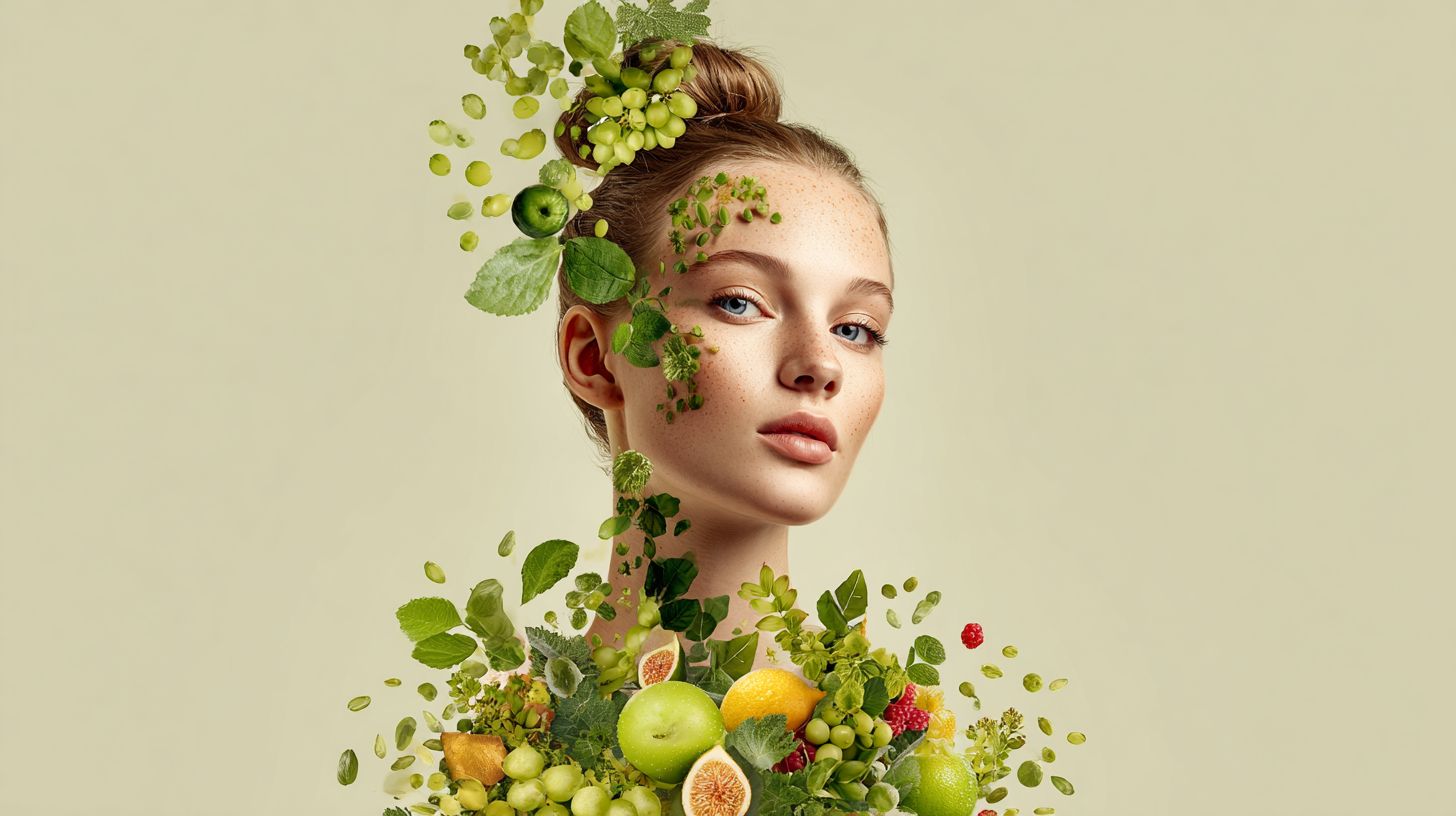
Global luxury spas embrace seed-to-skin for authenticity. Vertical integration ensures quality from farm to shelf. Consumers drive demand with informed choices.
Explore new releases like The Midnight Miracle, night oil or Black Magic.
Seek organic farm-sourced items. Readers can discover these transformative seed-to-skin brands today.
Frequently Asked Questions
What is the Seed-to-Skin: The Movement Redefining Organic Beauty in 2026?
Seed to Skin Tuscany: The Movement Redefining Organic Beauty in 2026 is a revolutionary approach in the beauty industry that utilizes every part of organic plants-from seeds to skin-for creating sustainable, holistic skincare products, emphasizing zero waste and maximum efficacy in 2026 and beyond.
Why is Seed-to-Skin: The Movement Redefining Organic Beauty in 2026 gaining popularity?
Seed-to-Skin: The Movement Redefining Organic Beauty in 2026 is surging in popularity due to growing consumer demand for transparent, eco-friendly beauty solutions that harness the full potential of plants, reducing environmental impact while delivering potent, natural results in an era of conscious consumerism.
How does Seed-to-Skin: The Movement Redefining Organic Beauty in 2026 differ from traditional organic beauty?
Unlike traditional organic beauty that often discards plant parts, Seed-to-Skin: The Movement Redefining Organic Beauty in 2026 innovates by incorporating seeds, leaves, stems, roots, and skin into formulations, maximizing nutrient density and sustainability for superior skincare outcomes.
What are the key benefits of joining Seed-to-Skin: The Movement Redefining Organic Beauty in 2026?
Key benefits include enhanced product potency from full-plant utilization, reduced waste, ethical sourcing, and transformative results for skin health, positioning Seed-to-Skin: The Movement Redefining Organic Beauty in 2026 as the future standard for organic cosmetics.
Which brands like Villa Treville, Canyon Ranch, Neal’s Yard in London, and Mrieux NutriScience are leading Seed-to-Skin: The Movement Redefining Organic Beauty in 2026?
Leading brands in Seed-to-Skin: The Movement Redefining Organic Beauty in 2026 include innovative companies like those pioneering full-plant extraction techniques, such as select European and indie organic labels from Chuisdino Italy, Tuscany, and Italy focusing on regenerative agriculture and clean beauty innovation.
How can I participate in Seed-to-Skin: The Movement Redefining Organic Beauty in 2026?
To participate, seek out certified Seed-to-Skin: The Movement Redefining Organic Beauty in 2026 products, support brands with transparent sourcing, adopt zero-waste beauty routines, and advocate for sustainable practices to help redefine organic beauty standards by 2026.