

After a summer of sun-soaked days, you might be noticing some sun damage on your skin-like dryness, dark spots, or that tired look. This post-summer plan offers practical steps for skin recovery, from simple skincare routine to key ingredients that really help. Let’s get your glow back together.
Key Takeaways:
Post-Summer Repair: The Ultimate Recovery Plan for Sun-Damaged Skin
After months of sun exposure, your skin may show signs of distress that a targeted recovery plan can effectively address. Summer fun often leads to sunspots, dryness, and dullness from UV exposure. This guide outlines a step-by-step approach for post-summer skin recovery.
First, understand the sun damage your skin has endured, including oxidative stress and weakened skin barrier. Next, build essential routines with key ingredients like vitamin C and retinol. Follow with hydration strategies to combat dehydration.
Explore professional treatments such as chemical peels and microneedling for deeper repair. Learn preventive care tips with daily sunscreen and lifestyle adjustments. This comprehensive plan promotes skin rejuvenation and long-term health.
Tailored for post-summer needs, the plan addresses hyperpigmentation, fine lines, and texture issues. Start with at-home care, then consider dermatology visits. Consistent effort restores your skin’s glow.
Understanding Sun Damage After Summer
UV exposure breaks down collagen and elastin, causing fine lines and wrinkles. It triggers free radicals that lead to oxidative stress and dullness. Your skin barrier weakens, resulting in redness and dehydration.
Sunspots and hyperpigmentation appear as melanin overproduces to protect against rays. Texture becomes uneven, with roughness from slowed cell turnover. Experts recommend assessing these signs before starting recovery.
Look for age spots, dryness, or uneven skin tone in mirrors under natural light. Post-summer skin often feels tight and looks lackluster. Recognizing damage guides effective repair choices.
Patches of dark spots on cheeks or hands signal melanin issues. Flakiness indicates skin barrier compromise. This awareness prevents overlooking subtle sun damage effects.
Essential Skincare Routines for Recovery
Begin with gentle cleansing to remove buildup without stripping oils. Follow with exfoliation twice weekly using enzymes for safe cell turnover. Morning and night skincare routine rebuild the skin barrier.
Incorporate antioxidants like niacinamide to fight free radicals. Apply serums before moisturizers for better absorption. Consistency in your skincare routine speeds skin recovery.
Nighttime use retinol to boost collagen and fade pigmentation. Always patch-test new products. Layer products from thinnest to thickest for optimal results.
- Cleanse with a mild, hydrating formula.
- Exfoliate gently to smooth texture.
- Treat with targeted serums for sunspots.
- Moisturize to lock in hydration.
Key Ingredients to Target Sun Damage
Vitamin C brightens skin tone and neutralizes oxidative stress from UV rays. Pair it with ferulic acid for stability and enhanced protection. Use in the morning under sunscreen.
Retinol accelerates cell turnover, reducing fine lines and hyperpigmentation. Start slowly to avoid irritation on sensitive, post-summer skin. It supports long-term collagen production.
Ceramides and niacinamide strengthen the skin barrier against dehydration. These calm redness and even skin tone. Choose clean, potent formulas for best outcomes.
For example, apply vitamin C serum daily to fade sunspots. Nightly retinol smooths texture over weeks. Layer with growth factors for repair. Consider Clear + Brilliant with Nutrafol supplements from Alto Advanced.
Hydration Strategies to Restore Skin Barrier
Hydration is crucial after summer dryness from sun and sweat. Use hyaluronic acid serums to draw moisture deep into layers. Follow with occlusive creams to seal it in.
Incorporate ceramides to repair the compromised barrier. Drink plenty of water and use humidifiers indoors. This combats flakiness and tightness effectively.
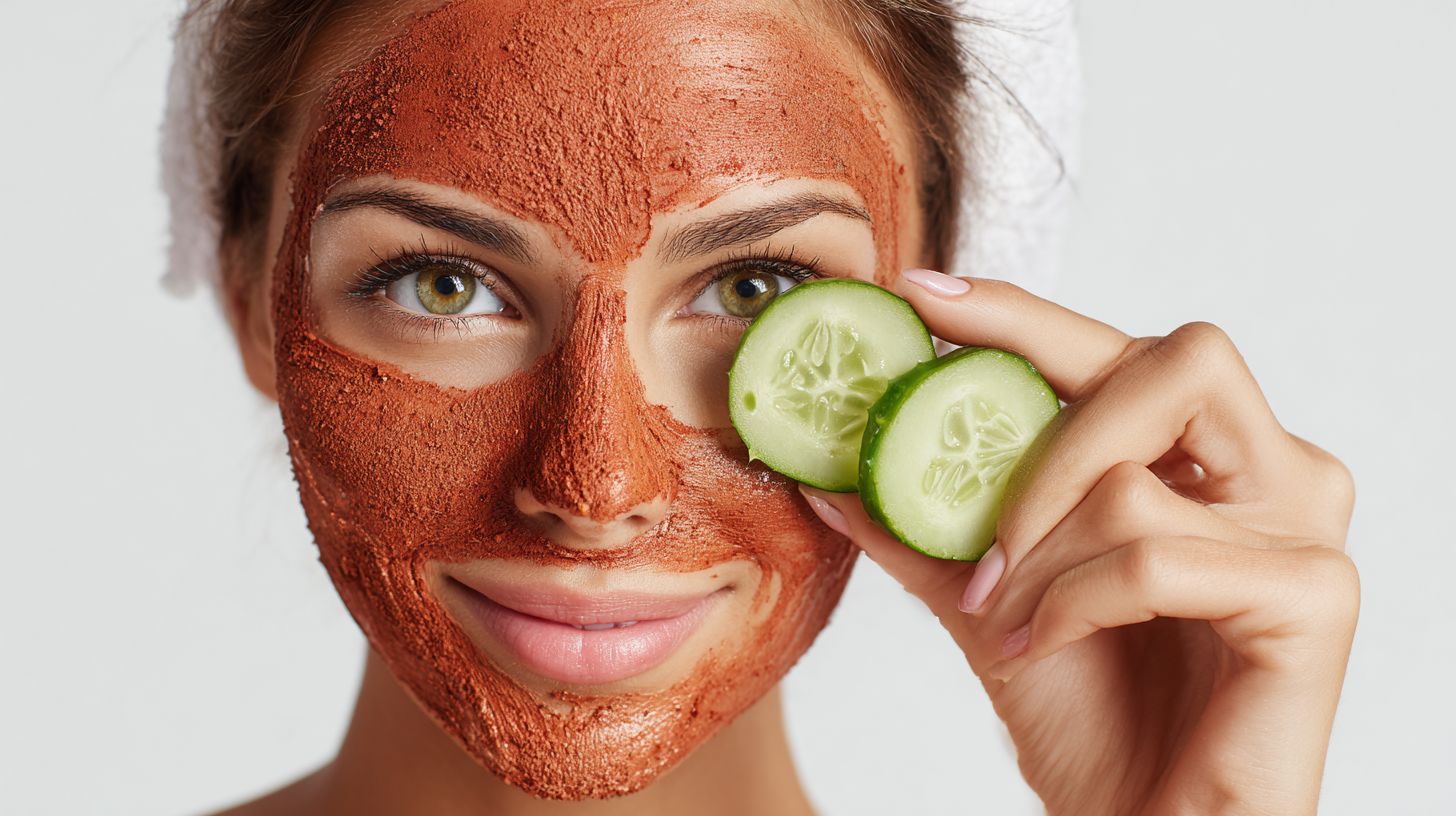
Apply hydrating masks weekly for an intensive boost. Look for products with humectants and emollients. Hydrated skin recovers faster from UV exposure.
Morning routines might include a lightweight serum under moisturizer. Evenings focus on richer creams. Consistent hydration reduces dullness and fine lines.
Professional Treatments for Deeper Rejuvenation
Chemical peels exfoliate damaged layers, revealing smoother texture. They target hyperpigmentation and sunspots effectively. Dermatologists customize strength for your skin type.
Microneedling stimulates collagen with tiny needles, improving fine lines. Combine with growth factors for enhanced results. Sessions spaced weeks apart promote healing.
Laser therapy like fractional lasers or BBL therapy breaks up pigmentation and tightens skin. HydraFacial cleanses and hydrates in one non-invasive treatments. Consult for skin cancer checks too.
Expect mild downtime with redness after microneedling. Multiple sessions yield visible skin rejuvenation. Pair with at-home care for lasting effects. Consider RF microneedling or SylfirmX.
Prevention and Lifestyle Tips for Lasting Results
Apply broad-spectrum SPF 30 daily, even indoors, to prevent further damage. Reapply every two hours outdoors. This blocks UVA rays and UVB rays protecting melanin and elastin.
Incorporate preventive care with hats and shade during peak sun. Eat antioxidant-rich foods like berries for internal support. Prioritize sleep for natural repair.
Avoid peak sun hours and use non-invasive treatments like IPL, Fraxel, CoolPeel, Tetra CO2, or Halo yearly. Maintain routines to sustain even skin tone. Lifestyle tweaks ensure post-summer glow persists. Try Hydrinity or NOON Aesthetics.
- Wear protective clothing daily.
- Use sunscreen as the last step.
- Monitor for changes with dermatology visits.
Understanding Sun Damage
Sun damage from UV exposure disrupts skin’s natural balance, leading to visible and underlying changes that require prompt attention. Ultraviolet rays penetrate the skin in layers, with UVA rays reaching deep into the dermis and UVB rays affecting the epidermis.
These rays break down collagen and elastin, proteins that keep skin firm and supple. Over time, this leads to sagging and fine lines as the skin loses its structure.
UV exposure also triggers melanin overproduction, causing pigmentation issues like sunspots. Free radicals from oxidative stress damage cells, speeding up aging and impairing the skin barrier.
Imagine UVA rays as deep divers hitting collagen fibers, while UVB rays scorch the surface, much like a layered burn. Protecting with broad-spectrum sunscreen helps prevent this penetration.
Common Signs and Symptoms
Post-summer skin often reveals telltale signs like persistent dullness and uneven tone from accumulated UV exposure. Readers can spot these cues early for better skin recovery.
Common visible signs include sunspots, rough texture, and persistent redness. Freckling may darken into age spots, while peeling dryness signals dehydration.
- Freckling into sunspots: Small spots merge into larger, flat brown patches on cheeks or hands.
- Rough texture: Skin feels bumpy or leathery from slowed cell turnover.
- Persistent redness: Lingering flush from irritated blood vessels.
- Peeling dryness: Flaky patches due to damaged skin barrier.
- Hyperpigmentation: Darkened areas like melasma on the forehead.
- Fine lines: Early wrinkles around eyes from elastin loss.
- Dullness: Lackluster glow from dead skin buildup.
Use this self-assessment: Check for uneven skin tone in natural light. Note any rough patches by gently running fingers over cheeks. Track changes over weeks to guide your skincare routine. See Melissa Gibbens at a local dermatology center.
Short-Term vs. Long-Term Effects
While short-term effects like sunburn fade quickly, long-term UV accumulation silently erodes skin structure over time. Understanding the difference aids in preventive care and skin rejuvenation.
Short-term reactions stem from immediate inflammation, while chronic damage builds from repeated oxidative stress. Free radicals attack DNA in the short term, but collagen breakdown accumulates gradually.
| Effect Type | Short-Term Effects | Long-Term Effects |
|---|---|---|
| Appearance | Peeling, tenderness, redness | wrinkles, fragility, sagging |
| Mechanism | Free radical DNA damage, inflammation | Gradual collagen and elastin breakdown |
| Risks | Pain, temporary pigmentation | Increased skin cancer risk, hyperpigmentation |
Address short-term issues with hydration and antioxidants like vitamin C. For long-term repair, incorporate retinol and professional treatments such as RF microneedling to boost collagen production.
Essential Skincare Routine
A consistent post-summer routine rebuilds skin resilience through targeted cleansing, treatment, and protection steps. This framework supports skin recovery from UV exposure by layering gentle products without stressing the skin barrier. Adapt it to your needs for optimal results.
Start your day with a light cleanse, followed by antioxidants like vitamin C and broad-spectrum sunscreen SPF 30. At night, focus on treatment serums such as niacinamide or retinol to address hyperpigmentation and fine lines. Consistency helps combat oxidative stress and promotes collagen production.
Avoid overloading with too many actives, as this can worsen dehydration and redness. Introduce one new product every two weeks to monitor tolerance. Pair at-home care with preventive measures to guard against future sun damage.
Experts recommend this simple AM/PM structure for skin rejuvenation at places like Dream Spa Medical. Morning protects against daily UV rays, while evening repairs nightly cell turnover. Over time, it fades sunspots and improves texture for even skin tone.
Cleansing and Exfoliation
Gentle cleansing paired with controlled exfoliation like HydraFacial removes dead cells and reveals smoother texture beneath sun-damaged layers. This step clears dullness and preps skin for better absorption of hydrators and treatments. Focus on mild methods to preserve the skin barrier.
At night, double cleanse in five minutes: begin with an oil cleanser to dissolve sunscreen and impurities, then follow with a water-based one. This prevents buildup from daytime exposure without stripping natural oils. Use creamy formulas suited for dry or sensitive skin post-summer.
- Opt for oil cleansers like those from SkinBetter Science for makeup removal.
- Pair with gentle water-based cleansers containing ceramides.
- Limit to evenings, using just water or micellar in the morning.
Exfoliate two to three times weekly with lactic acid or enzyme products, avoiding physical scrubs that cause micro-tears. A common mistake is over-exfoliating, leading to barrier damage, irritation, and worsened hyperpigmentation. Start low and slow, like a 5% lactic acid serum applied for one minute.
Products from SkinBetter Science offer gentle enzyme exfoliants ideal for post-summer recovery. They target dead skin without inflammation, supporting even tone and reduced age spots. Always follow with moisturizer to lock in hydration and calm redness.
Key Repair Ingredients
Potent ingredients like vitamin C and retinoids directly counteract UV-induced damage at the cellular level. These actives target oxidative stress and disrupted collagen production from sun exposure. They form the foundation of any post-summer skin recovery routine.
Start with antioxidants in the morning to neutralize free radicals, then layer retinoids at night for cell turnover. Always pair with broad-spectrum SPF 30 to prevent further sun damage. Experts recommend gradual introduction to avoid irritation.
For hyperpigmentation and sunspots, combine with niacinamide or peptides. Consider compatibility with skin barrier support like ceramides. This approach supports skin rejuvenation without overwhelming sensitive skin.
Incorporate these into your skincare routine alongside hydration and gentle exfoliation. Monitor for redness or dryness, adjusting as needed. Consistent use promotes even skin tone and reduced fine lines.
Vitamin C and Antioxidants
Vitamin C serums neutralize free radicals from UV exposure, brightening skin while inhibiting pigment production. They combat dullness and hyperpigmentation common after summer. Research suggests this active excels in post-summer recovery.
Apply a 10-20% L-ascorbic acid formula with ferulic acid in the AM after cleansing. Pat skin dry first for better absorption. Start every other day to build tolerance and minimize stinging.
- Pair with niacinamide for enhanced control over sunspots and uneven tone.
- Store in opaque packaging away from light to maintain potency.
- Follow with moisturizer and sunscreen for full protection.
This routine addresses oxidative stress and supports collagen production. Users often notice improved texture within weeks. Combine with at-home care for optimal skin recovery.
Retinoids and Peptides
Retinoids accelerate cell turnover and boost collagen to smooth texture and reduce emerging lines from sun exposure. They repair elastin damage and fade age spots. Dermatologists favor them and BBL Therapy for sun-damaged skin.
Begin with 0.1-0.3% retinol two times weekly at PM using the sandwich method. Apply between layers of moisturizer to buffer irritation. Always follow with SPF in the morning.
- Look for signal peptides in serums to enhance repair and growth factors.
- Avoid during pregnancy due to potential risks.
- Expect initial purging for 2-4 weeks as a sign of efficacy.
Pair with ceramides to strengthen the skin barrier against dehydration and redness. This supports long-term preventive care against wrinkles. Integrate slowly for lasting skin rejuvenation.
Hydration and Barrier Repair
Sun-weakened barriers lose moisture rapidly, making targeted hydration essential for plumpness and recovery. UV exposure strips away natural oils and disrupts the skin’s protective layer. This leads to tightness and dehydration after summer.
Layer products strategically to rebuild the skin barrier. Start with hyaluronic acid serums for deep moisture pull, follow with ceramide moisturizers to seal in hydration, and finish with occlusives like squalane. Apply the thickest textures last for best results.
Opt for clinical-grade options like Hydrinity or Nutrafol for intense post-summer repair. Reapply midday if indoors with dry AC to combat ongoing loss. Test barrier function by noting trans-epidermal water loss feel; tightness signals it’s compromised.
- Cleanse gently before layering to avoid stripping.
- Use niacinamide in serums to calm redness and support barrier strength.
- Incorporate growth factors for added repair during recovery.
Professional Treatments
Dermatologist-administered treatments deliver dramatic skin rejuvenation when at-home care needs amplification. These options target sun damage from post-summer UV exposure, addressing hyperpigmentation, fine lines, and texture issues. Providers like Dallas Associated Dermatology or Summit Dermatology in Medford, OR offer tailored plans.
Curate choices by downtime and specific concerns, such as sunspots or wrinkles. Prep involves stopping retinoids two weeks prior to protect the skin barrier. Aftercare includes gentle cleansing, antioxidants like vitamin C, and consistent broad-spectrum SPF 30, HydraFacial.
Combine professional treatments with at-home support, like niacinamide serums for pigmentation and ceramides for hydration. This boosts collagen production and fights oxidative stress from free radicals. Expect series of sessions for optimal skin recovery.
Non-invasive options like BBL therapy suit busy schedules, while deeper therapies like Halo tackle stubborn age spots and dullness. Consult a dermatologist like Melissa Gibbens to match treatments to your skin tone and dehydration levels. Pair with preventive care to maintain results long-term.
Chemical Peels and Lasers
Chemical peels and fractional lasers resurface sun-damaged texture while stimulating fresh collagen production. They exfoliate dead cells, fade sunspots, and even skin tone after heavy UV exposure. Ideal for post-summer repair of hyperpigmentation and fine lines.
Prep with consistent sunscreen use and avoid sun exposure. Costs range from $300 to $800 per session, with 3 to 6 sessions often recommended. Follow with soothing hydration and growth factors to support cell turnover.
| Treatment | Downtime | Target Concern | Best For |
|---|---|---|---|
| CoolPeel | Minimal | Texture, sunspots | Quick recovery, mild UV exposure |
| Fraxel | 3-5 days | Deep pigmentation, wrinkles | Moderate sun damage, elastin loss |
| Clear + Brilliant | None | Preventive dullness, redness | Early signs, maintenance |
Pair these with at-home care like ferulic acid antioxidants, IPL, and retinol at night. This enhances results against oxidative stress and dehydration. Dermatologists recommend SylfirmX, Tetra CO2 during cooler months for best skin rejuvenation.
Daily Prevention Strategies
Consistent sun protection prevents further damage accumulation and supports ongoing skin recovery efforts. After post-summer repair, daily habits shield your skin from additional UV exposure. This approach minimizes hyperpigmentation and supports collagen production.
Start every morning with SPF 30+ broad-spectrum sunscreen, applying 2mg/cm or about 1/4 teaspoon to the face. Choose mineral sunscreens with zinc or titanium for sensitive skin prone to irritation. Reapply every 2 hours when outdoors to maintain protection against free radicals and oxidative stress.
- Wear UPF clothing and wide-brim hats for physical barriers during peak UV exposure hours.
- Seek shade between 10am and 4pm to reduce direct UV exposure.
- Incorporate phone reminders to make these steps habitual in your skincare routine.
Pair sunscreen with supportive ingredients like niacinamide or vitamin C in your morning routine. These antioxidants combat sunspots and even skin tone over time. Consistent use strengthens the skin barrier and prevents fine lines from worsening.
Lifestyle Adjustments for Recovery
Beyond topical care, internal and behavioral shifts accelerate healing from sun-induced oxidative stress. Simple changes in daily habits support skin recovery after excessive UV exposure. These adjustments complement professional treatments like HydraFacial, BBL therapy, chemical peels or RF microneedling.
Focus on an antioxidant-rich diet to combat free radicals from sun damage. Include foods such as berries, leafy greens, and nuts that provide vitamins to boost collagen production and reduce hyperpigmentation. Pair this with daily smoothies blending spinach, blueberries, and almonds with SkinBetter Science supplements for noticeable improvements in skin tone and texture.
Supplements like Nutrafol or Hydrinity offer targeted support for hair and skin post-summer. They nourish from within to address dullness, fine lines, and dryness caused by UV rays. Always check with a healthcare provider before starting any new regimen.
Prioritize 7-9 hours of sleep nightly to allow skin barrier repair and cell turnover. Practice stress reduction through meditation to lower cortisol levels, which can worsen wrinkles and redness. Limit alcohol intake, as it dehydrates the skin and hinders recovery from sunspots and age spots.
- Eat antioxidant-packed meals with berries and greens every day.
- Consider supplements for collagen production and elastin support.
- Aim for consistent sleep and stress reduction routines.
- Reduce alcohol to maintain hydration levels.
Consult dermatologists like Melissa Gibbens at Dream Spa Medical or Dallas Associated Dermatology for personalized plans. They can tailor lifestyle advice alongside non-invasive treatments such as Halo, Clear + Brilliant, SylfirmX, IPL, Fraxel, CoolPeel, Tetra CO2, HydraFacial or BBL Therapy to enhance skin rejuvenation and preventive care.
Frequently Asked Questions
What is Post-Summer Repair: The Ultimate Recovery Plan for Sun-Damaged Skin?
Post-Summer Repair: The Ultimate Recovery Plan for Sun-Damaged Skin is a comprehensive skincare strategy designed to heal, hydrate, and restore your skin after excessive summer sun exposure. It focuses on repairing UV damage, reducing hyperpigmentation, soothing inflammation, and preventing long-term issues like premature aging at clinics in Medford OR or Summit Dermatology.
Why does my skin need Post-Summer Repair: The Ultimate Recovery Plan for Sun-Damaged Skin after summer?
Summer sun exposure causes cumulative UV damage, leading to dryness, sunburn, dark spots, and collagen breakdown. Post-Summer Repair: The Ultimate Recovery Plan for Sun-Damaged Skin addresses these by using targeted treatments to rebuild the skin barrier, boost cell turnover, and replenish lost moisture.
What are the key steps in Post-Summer Repair: The Ultimate Recovery Plan for Sun-Damaged Skin?
The plan includes gentle cleansing, exfoliation with AHAs/BHAs, applying antioxidants like vitamin C, hydrating with hyaluronic acid, using retinoids for repair, and daily broad-spectrum SPF. Post-Summer Repair: The Ultimate Recovery Plan for Sun-Damaged Skin emphasizes consistency over 4-6 weeks for optimal results.
Which products are best for Post-Summer Repair: The Ultimate Recovery Plan for Sun-Damaged Skin?
Essential products include soothing aloe vera gels, niacinamide serums for brightening, peptide-rich moisturizers, and chemical exfoliants. Post-Summer Repair: The Ultimate Recovery Plan for Sun-Damaged Skin recommends fragrance-free, non-comedogenic options from brands like CeraVe, La Roche-Posay, NOON Aesthetics, or The Ordinary tailored to your skin type.
How long does it take to see results from Post-Summer Repair: The Ultimate Recovery Plan for Sun-Damaged Skin?
Visible improvements like reduced redness and hydration start in 1-2 weeks, while pigmentation and texture enhancements appear in 4-8 weeks with treatments like Alto Advanced. Post-Summer Repair: The Ultimate Recovery Plan for Sun-Damaged Skin requires patience and daily adherence to reverse summer damage fully.
Can Post-Summer Repair: The Ultimate Recovery Plan for Sun-Damaged Skin prevent future damage?
Yes, by incorporating ongoing sun protection and antioxidants, Post-Summer Repair: The Ultimate Recovery Plan for Sun-Damaged Skin builds resilience against UV rays. It promotes healthy habits like wearing SPF 30 or higher daily and avoiding peak sun hours to maintain repaired skin year-round.