

The beauty industry is currently experiencing a significant transformation as an increasing number of brands and consumers support the Plastic-Free Movement.
This initiative is focused on reducing the environmental impact of plastic waste by exploring sustainable alternatives and promoting eco-friendly practices.
In this discussion, I will unpack the core principles of the movement, examine the effects of plastic on marine life, and highlight innovative biodegradable packaging options.
I will also explore the challenges faced by the industry and provide insights on how individuals can contribute to this vital cause by making informed choices.
Key Takeaways:
The Plastic-Free Movement in the Beauty Industry
The plastic-free movement in the beauty industry signifies a major transition toward sustainable beauty practices focused on reducing plastic waste and minimizing the environmental impact of personal care products.
I recognize that this initiative encourages beauty brands to reevaluate their packaging solutions by embracing eco-friendly alternatives and innovative refill models. These strategies not only resonate with consumer preferences but also align with the market trends that prioritize sustainability.
Notable brands like L’Oréal and Estée Lauder are increasingly emphasizing the importance of reusable products and actively working to achieve eco-certifications, all while addressing the challenge of greenwashing.
What is the Plastic-Free Movement?
The plastic-free movement is an initiative I am actively engaged in, aimed at eliminating single-use products and promoting sustainable alternatives within the beauty industry. This movement has gained significant traction as consumer awareness has increased regarding the harmful effects of plastic waste on both the environment and human health.
In response, eco-conscious brands are adopting innovative strategies to develop eco-friendly packaging solutions and create recyclable or biodegradable products. Initiatives such as Plastic Free Beauty Day encourage consumers like myself to reduce reliance on plastic by highlighting viable alternatives.
Additionally, collaborations with organizations like A Plastic Planet enable companies to implement meaningful changes.
These partnerships not only enhance my commitment to sustainability but also resonate with consumers who are eager to support environmentally responsible choices, ultimately fostering a ripple effect throughout the entire industry.
Environmental Impact of Plastic in Beauty Products
I recognize that the environmental impact of plastic in beauty products is significant, playing a considerable role in plastic pollution and the overall carbon footprint linked to the beauty industry.
Effects on Marine Life and Ecosystems
Plastic pollution from beauty products presents significant threats to marine life and ecosystems, disrupting natural habitats and introducing harmful substances into the food chain.
Each year, millions of tons of plastic enter our oceans, with microplastics detected in nearly 90% of the world’s seabirds and marine species. These tiny particles are ingested by various organisms, including fish and sea turtles, and they attract toxic pollutants that can ultimately make their way into the diets of larger predators, including humans.
The consequences of this issue are severe; research indicates that the ingestion of plastics can lead to reproductive failures, impaired growth, and even mortality among marine creatures.
Fortunately, there are numerous initiatives in progress to address this crisis. Several organizations are advocating for the adoption of biodegradable alternatives and pushing for stricter regulations regarding plastic use in personal care products.
Additionally, campaigns focused on raising awareness and community cleanup efforts are gaining traction, highlighting the critical need to protect our oceans for future generations.
Alternatives to Plastic Packaging
As I navigate the challenges within the beauty industry, I recognize the importance of addressing the plastic crisis.
Exploring alternatives to plastic packaging, including biodegradable solutions and refillable containers, has become essential for promoting a circular economy.
Biodegradable and Sustainable Options
I recognize that biodegradable and sustainable options are emerging as viable solutions to replace traditional plastic packaging in the beauty industry.
Materials such as plant-based bioplastics, recycled paper, and compostable films are gaining traction among brands that are committed to reducing their environmental footprint.
By adopting these innovative materials, companies can enhance their sustainability efforts while also appealing to a growing demographic of eco-conscious consumers.
Notable brands like Lush and Biolage are leading the way by incorporating biodegradable alternatives into their products, demonstrating a strong commitment to both quality and environmental stewardship.
Consumer awareness is pivotal in this transformation; as shoppers become increasingly informed about the benefits of eco-friendly packaging, their demand for sustainable options significantly influences business practices throughout the beauty sector.
Challenges and Progress in the Plastic-Free Movement
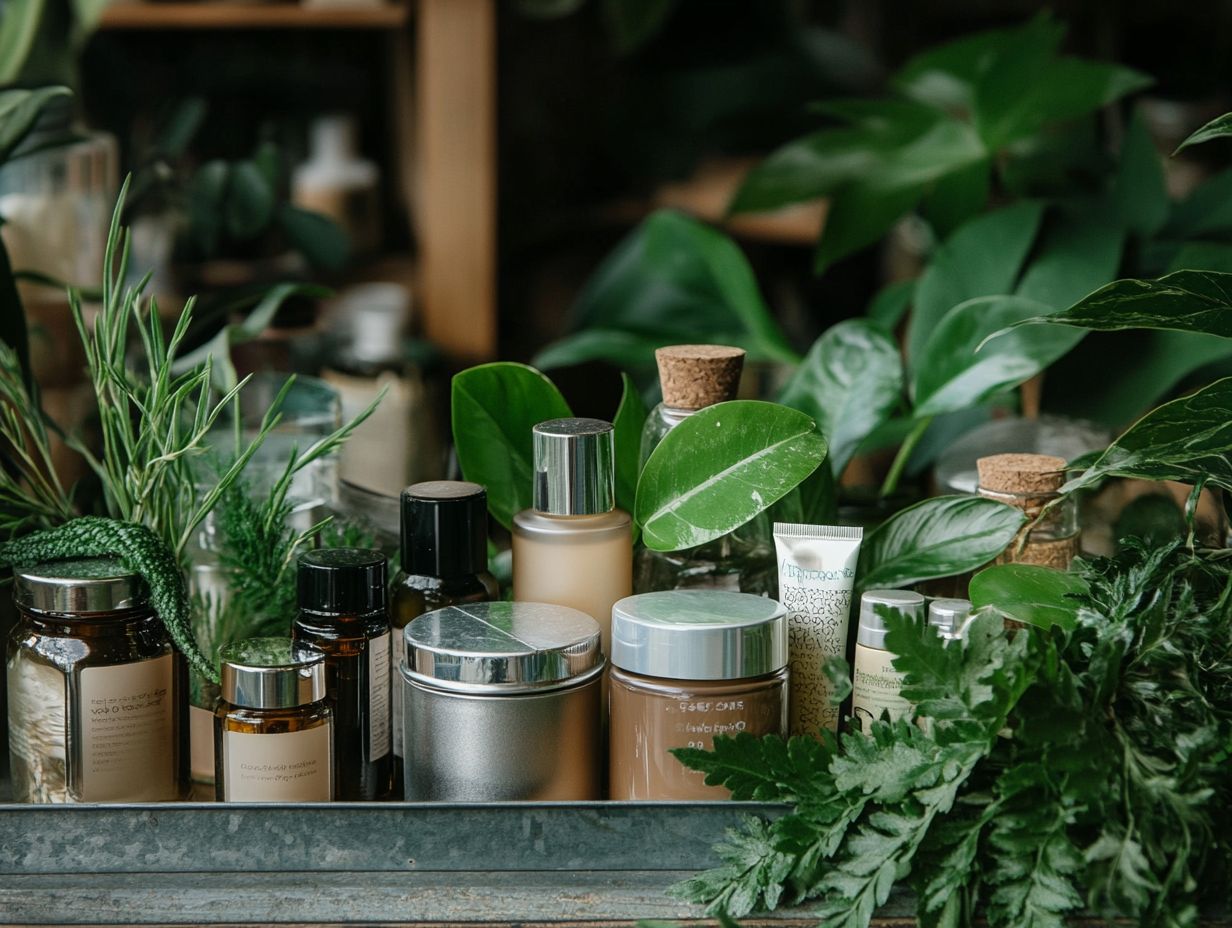
While I recognize the commendable progress made by the plastic-free movement in the beauty industry, I also acknowledge that significant challenges persist.
Specifically, there are ongoing obstacles related to recycling efforts and the need to shift consumer behavior toward more sustainable practices.
Obstacles to Overcome and Success Stories
Obstacles to the plastic-free movement that I encounter include consumer resistance to change and the complexities of implementing sustainable practices within the beauty industry.
Furthermore, beauty brands often face logistical challenges in sourcing eco-friendly materials and ensuring their supply chains align with sustainable principles. The initial costs associated with adopting these sustainable practices can be a significant deterrent, particularly for smaller brands that operate on tight budgets.
However, there are inspiring examples within the industry, such as Neal’s Yard Remedies, which has successfully integrated sustainable ingredients and recyclable packaging, and La Bouche Rouge, renowned for its commitment to refillable containers.
These brands not only highlight the feasibility of sustainable methods but also serve as motivating examples for others, demonstrating that profit margins can indeed align with environmental responsibility.
How Consumers Can Support the Plastic-Free Movement
I recognize that consumers play a vital role in advancing the plastic-free movement by making informed choices and advocating for sustainable practices within the beauty industry.
Making Informed Choices and Demanding Change
Making informed choices means that I actively seek out beauty products with sustainable ingredients and ethical practices. This proactive approach enables me to better understand the impact my purchases have on the environment and society.
By educating myself about various ingredients and their sourcing, I can identify which brands prioritize sustainability. This knowledge enables me to leverage my purchasing power effectively, advocating for brands that align with my values.
Certification schemes, such as those that indicate cruelty-free or organic labeling, are essential tools in this journey, guiding me toward trustworthy brands.
By supporting eco-conscious companies, I not only contribute to the availability of sustainable options but also drive industry-wide change, fostering a culture where ethical practices become the norm.