



Pull a soft sweater over your shoulders on a cold morning, settle by a fire with a blanket, and you’ve got a scent most perfumers would recognize instantly. They’ve spent the last decade trying to bottle it. Cashmere woods and white amber are the two notes doing most of the work, giving winter perfume its quiet, luxurious warmth. If your old bold florals and sugary gourmands feel too loud for the season, these soft, enveloping notes are the upgrade worth knowing.
Why Cashmere and Amber Define Winter Fragrance
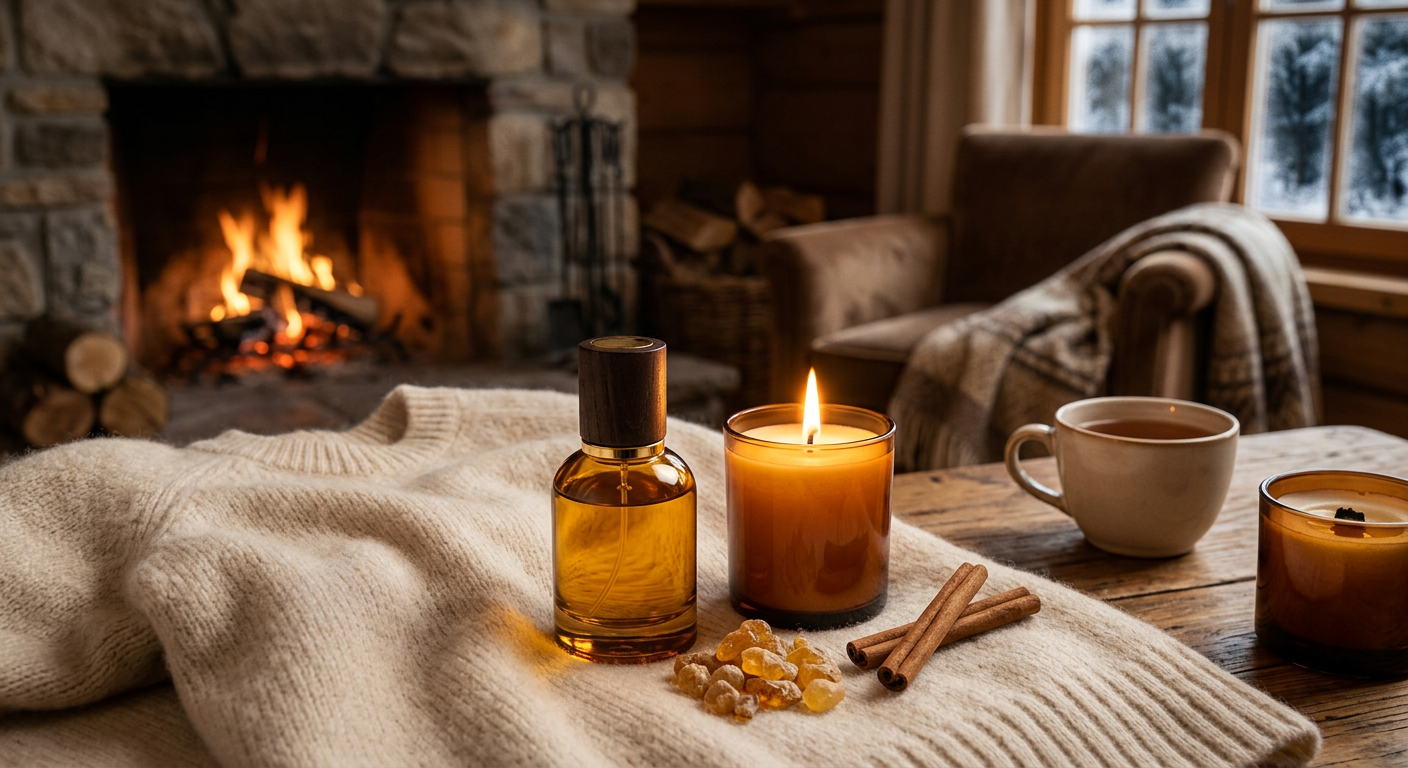
Winter is the season of crackling fires, candlelit evenings, and layered style. The best winter perfumes mirror that mood with warm woods, luxurious amber, and long-lasting elegance, according to The Lyfestyle Co. As temperatures drop, most people reach for richer, deeper scents than the light, airy fragrances of summer.
Cashmere and amber do this better than almost any other pairing. They feel comforting rather than attention-grabbing, which matches the shift Allure tracked in its 2026 winter fragrance trends: sheerness, closeness, and cozy warmth have replaced the bold statement scents of a decade ago.
The appeal goes beyond warmth. These notes are versatile enough to wear from a workday into a winter evening, which is why they anchor so many modern signature scents.
What Does Cashmere Smell Like in Perfume?
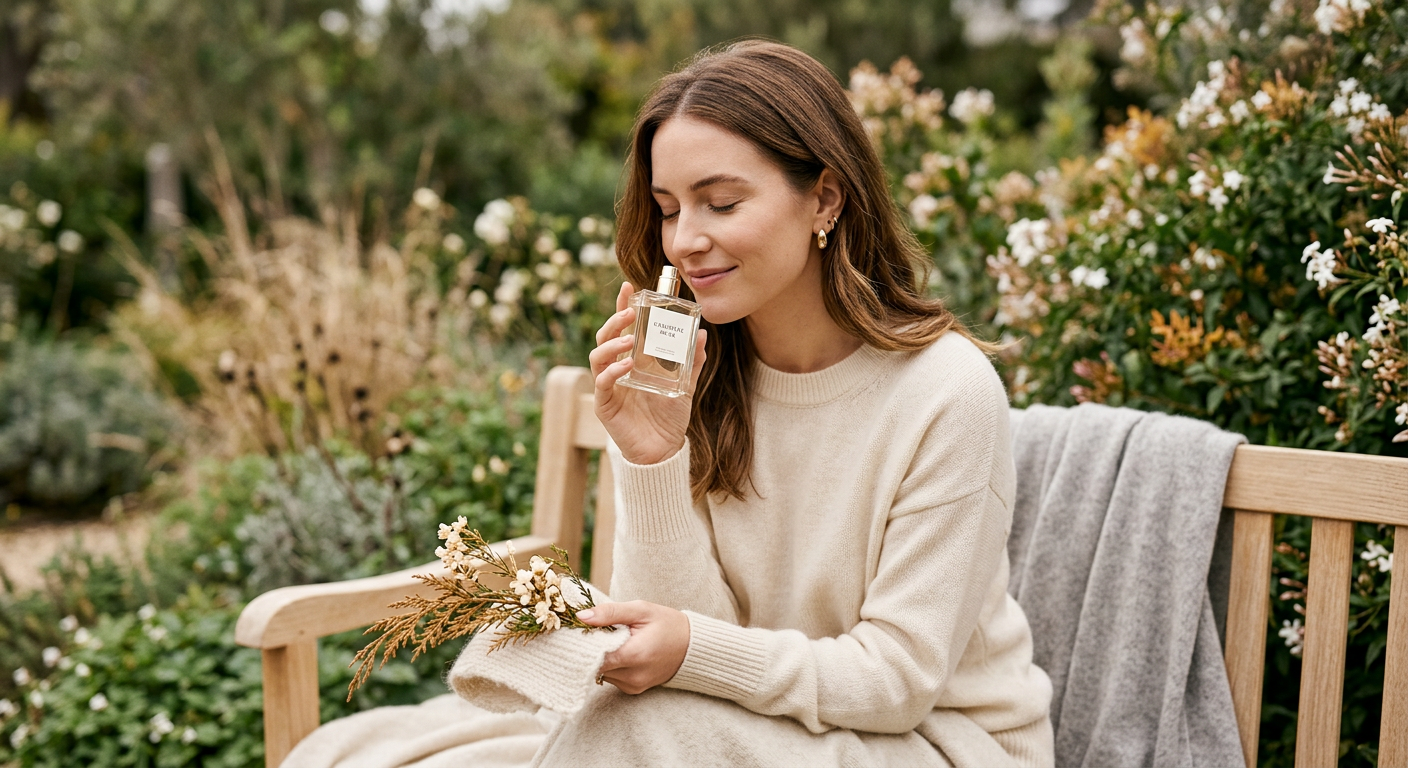
This is what trips up most fragrance beginners: cashmere the fabric has almost no distinct scent. Perfumers use “cashmere” to describe a feeling—soft, warm, elegant, cozy—rather than a single raw material.
The scent itself usually comes from a molecule called Cashmeran. Fraterworks describes it as a complex, diffusive aroma that blends warm musk with woody-spicy character, ambery depth, and a soft powdery-velvet texture reminiscent of luxurious cashmere fabric. It smells like texture itself.
Fragrance expert Erika Shumate told Allure: “Cashmeran gives you that cashmere and worn-fabric feeling, so you are essentially wearing texture and then styling a fragrance on top of it.” The surrounding notes shape where the cashmere goes. Almond and vanilla push it gourmand; amber pushes it toward a fireside warmth.
The Five Notes Behind the Cashmere Accord
According to Mozi Wash, most cashmere-inspired fragrances are built from five recurring notes:
- Soft musk – the clean-skin base that makes people lean in
- Warm amber – the cozy, fireside layer that adds depth
- Sandalwood – the creamy, refined woody foundation
- Vanilla – a subtle sweetness that rounds the edges
- Cashmeran – the signature molecule that ties it all together
What Is White Amber?
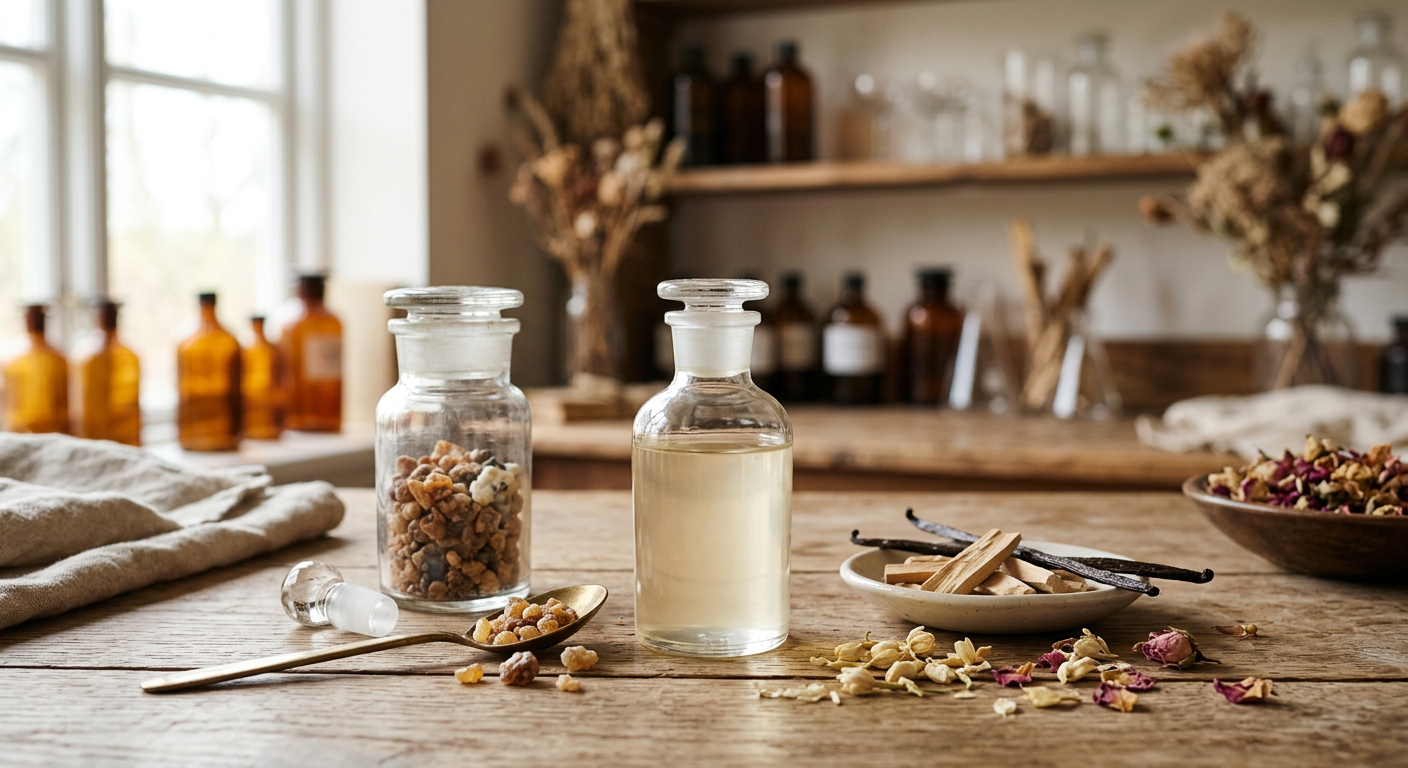
White amber is not fossilized amber or ambergris. It is a synthetic accord—a carefully built blend of aroma chemicals designed to mimic the warm, clean, slightly sweet facets of amber, as Necole Bitchie explains. The result is lighter, more transparent, and often more musky than traditional resinous amber.
The scent profile is distinctive. Olfactionary describes white amber as soft, clean, and warm—a lighter, airier version of amber with a smooth, powdery, slightly salty, musky glow that feels modern, gentle, and radiant.
White amber is a base note. Olfactionary’s directory shows it appears as a base note in 85% of its listings, where it adds smooth, lasting warmth. That staying power matters in winter, when you want a scent to linger through a long evening rather than fade by lunch.
How Cashmere Woods and White Amber Work Together
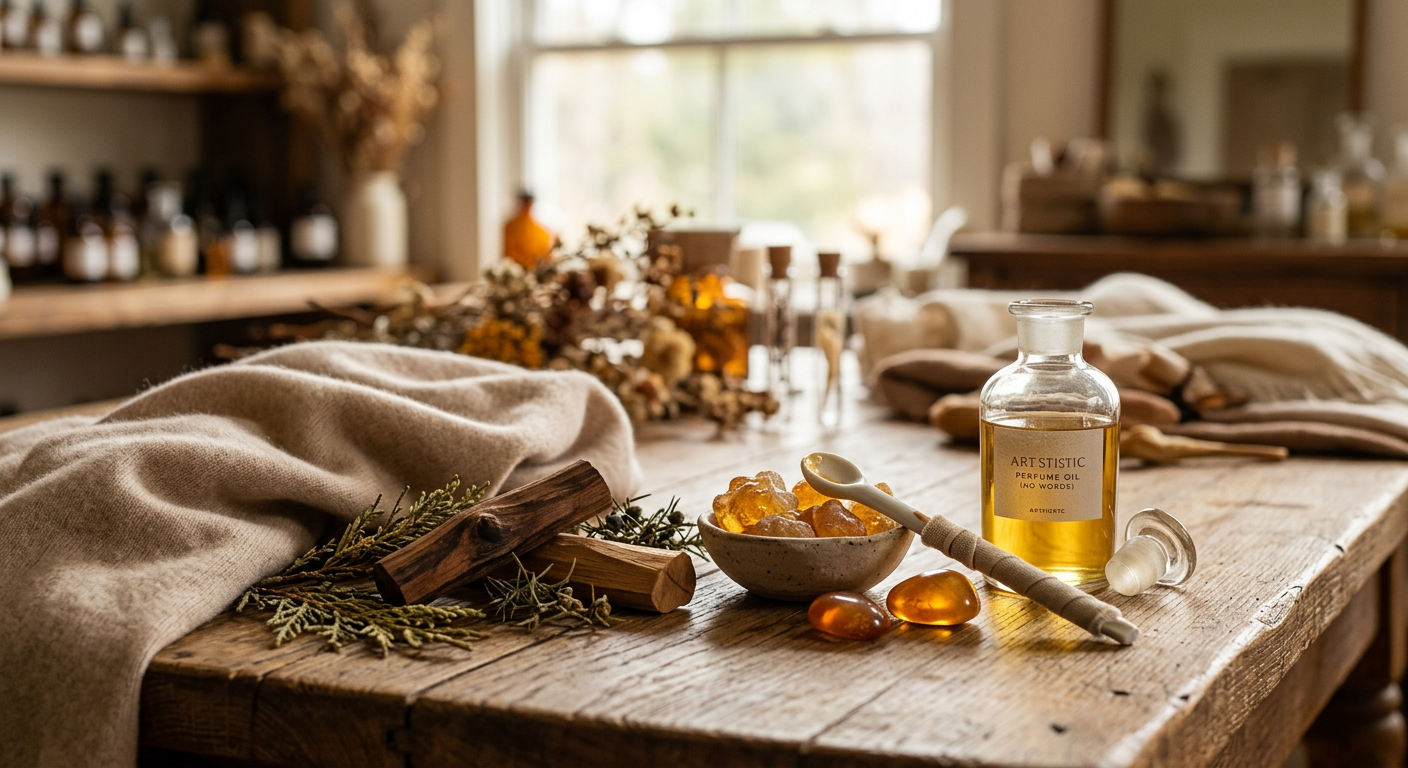
These two notes are natural partners. Olfactionary found that white amber is most often paired with bergamot, musk, jasmine, and cashmeran—the very molecule that creates the cashmere effect. When perfumers reach for white amber, cashmere is one of its most frequent companions.
The chemistry makes sense. White amber delivers a smooth, radiant warmth with a hint of sweetness, adding depth to a composition, while cashmere contributes soft, velvety texture. Together they create a scent that feels enveloping without turning heavy or sharp.
Angel Dust by Fugazzi Fragrances is a clear example, built around dark wood, cashmere, white amber, and pink pepper. The brand doubled the infusion of White Amber Crystals and Cashmeran and intensified the black pepper with pink peppercorn—a formula designed to make the aroma linger on skin.
Cashmere Woods vs. White Amber at a Glance
| Feature | Cashmere Woods | White Amber |
|---|---|---|
| Core material | Cashmeran molecule | Synthetic amber accord |
| Scent profile | Soft, woody, powdery, velvety | Clean, warm, powdery, musky |
| Note position | Heart to base | Base (85% of the time) |
| Feeling it evokes | Worn fabric, cozy texture | Radiant, timeless warmth |
| Pairs best with | Musk, amber, vanilla, sandalwood | Bergamot, musk, jasmine, cashmeran |
| Best season | Autumn and winter | Year-round, peaks in winter |
How to Wear and Layer These Notes

Because both notes sit in the base, they reward patience. Apply to pulse points—wrists, neck, inner elbows—and let your body heat draw out the warmth over several hours. The payoff is a scent trail that stays close to the skin rather than filling a room.
Layering is where these notes shine. A white amber fragrance pairs well with a creamier cashmere or vanilla scent, building depth without clashing. You can also lean into the trend by scenting your fabrics. Mozi Wash notes that the same soft musk, sandalwood, and amber profile can be brought into your laundry routine for a head-to-toe cozy effect.
For complete fragrances, Marie Claire UK rounded up seven of the best cashmere fragrances for winter, noting that cashmere’s many facets mean no two cashmere perfumes smell exactly alike. That variety is useful: it lets you find a version that fits your style, from gourmand-sweet to clean and woody.
Finding Your Winter Signature Scent

When you shop, read the note pyramid before you commit. A fragrance that lists cashmeran, musk, sandalwood, and amber in the base will almost always deliver that soft, fireside character you want in cold weather.
Think about the direction you prefer. For a gourmand twist, look for almond, cream, or vanilla alongside the cashmere, as in the banana-bread warmth Allure described in Phlur Cashmere Skin. For a deeper, fireside feel, seek cashmere paired directly with amber, like Bath & Body Works Cashmere Amber. Who What Wear offers a broader roundup if you want more options to sample.
Test on skin, not paper. Base notes like white amber unfold slowly, and the salty-musky glow only fully appears once the fragrance warms against your body.
Conclusion
Cashmere woods and white amber have earned their place as the defining notes of elegant winter perfume. Cashmere, powered by the Cashmeran molecule, delivers soft, velvety texture; white amber adds a clean, radiant warmth that lingers in the base. Together they create the cozy, close-to-skin feeling that now defines modern cold-weather fragrance.
The practical takeaways are simple: look for these notes in the base of a scent, test on skin, and layer to build depth. Pull up a note pyramid, sample a few cashmere-and-amber blends, and find the one you will reach for all season.
Frequently Asked Questions
Is white amber the same as regular amber?
No. White amber is a synthetic accord engineered to mimic amber’s warmth in a lighter, cleaner, more musky form, while traditional amber is a darker, richer, resinous note. White amber feels more transparent and modern.
What does cashmere smell like in perfume?
Cashmere describes a feeling—soft, warm, powdery, and cozy—rather than a single material. The scent usually comes from the Cashmeran molecule, which blends warm musk with woody-spicy character and a velvety, fabric-like texture.
Are cashmere and white amber good for winter?
Yes. Both notes sit in the fragrance base and provide long-lasting, enveloping warmth, which suits cold weather. They evoke a fireside, worn-sweater comfort that lighter summer scents cannot match.
What notes pair best with white amber?
According to Olfactionary, white amber is most often paired with bergamot, musk, jasmine, and cashmeran. These combinations balance its warm, powdery glow with freshness or added texture.
Do cashmere and amber fragrances last long?
They tend to perform well because both are base notes designed for lasting wear. White amber appears in the base roughly 85% of the time, which helps a scent linger on skin through a full evening.
How should I apply a cashmere or amber perfume?
Spray on warm pulse points—wrists, neck, and inner elbows—and let your body heat draw out the warmth over time. Test on skin rather than paper, since these base notes unfold slowly.